A family trip through five Chinese cities during the peak of Lunar New Year: a maglev train in Shanghai, a New Year parade in Hong Kong, casinos and dumplings in Macau, subtropical parks in Guangzhou, and a final soak in hot springs in Haikou.
Route map
Click a day or a point of interestDay-by-day route
Flight Moscow – Haikou – Shanghai (Pudong Airport). Already at Haikou airport, a display of "developed socialism" awaits: free hot water dispensers, a 24-hour Lawson convenience store, and a playground with cartoons. After the layover — a final short flight to Pudong. From the airport we take the famous maglev train: eight minutes, 300 km/h – and almost in the city center. We check into Novotel Atlantis on the 34th floor in Pudong. In the evening — a walk along the Bund waterfront: laser lighting of Pudong skyscrapers, New Year's installations, the Oriental Pearl Tower illuminated. At 11:00 PM the city "switches off" – we return to the hotel.
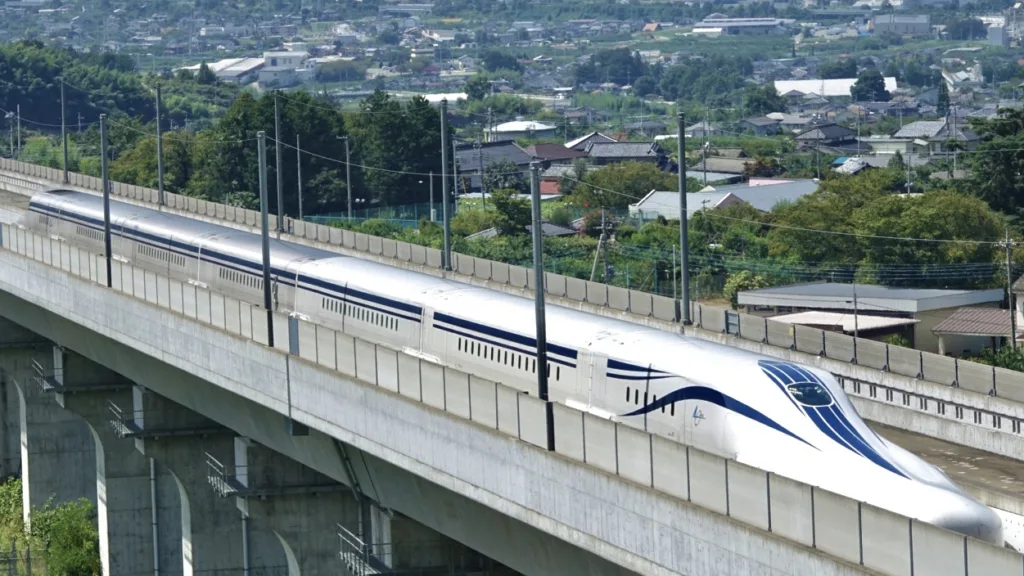 1 / 3
In the morning – a run along the waterfront: flowering azaleas, cherry blossoms and mei hua (plum blossom). After breakfast, we take the metro to Yu Garden station. The old trading village in the center of the metropolis buzzes with activity: all the Shanghainese who stayed in the city for the holidays are taking selfies and trying street food – shrimp tempura, scallion pancakes, mochi. We explore the classic Yu Garden with its pavilions and ponds. Then – a two-story hop-on hop-off bus (50 yuan) with a Russian audio guide: an hour and a half of city history. The day ends with a water tram across the Huangpu River (2 yuan): we watch as the Pudong skyscrapers light up one by one.
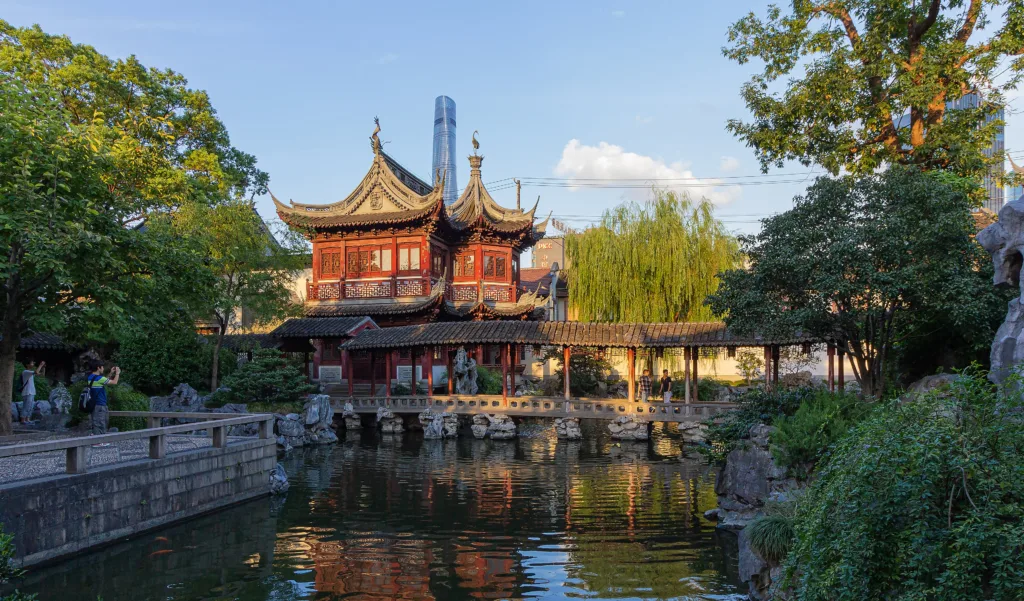 1 / 2
An early flight with budget airline Spring Airlines from Pudong airport. At Hong Kong airport, there's a festive show of dancers with dragons to the beat of drums. We exchange yuan for Hong Kong dollars and buy Octopus cards for the whole family. A double-decker bus takes us through charming bays and matchbox houses to the Panda Hotel in Kowloon. In the evening — the main event: the New Year’s parade on Tsim Sha Tsui promenade. An hour and a half of marching school groups, Star Wars fans, acrobats, and lion and dragon dancers. We finish the evening in a nearby city park with ice cream – away from the noise.
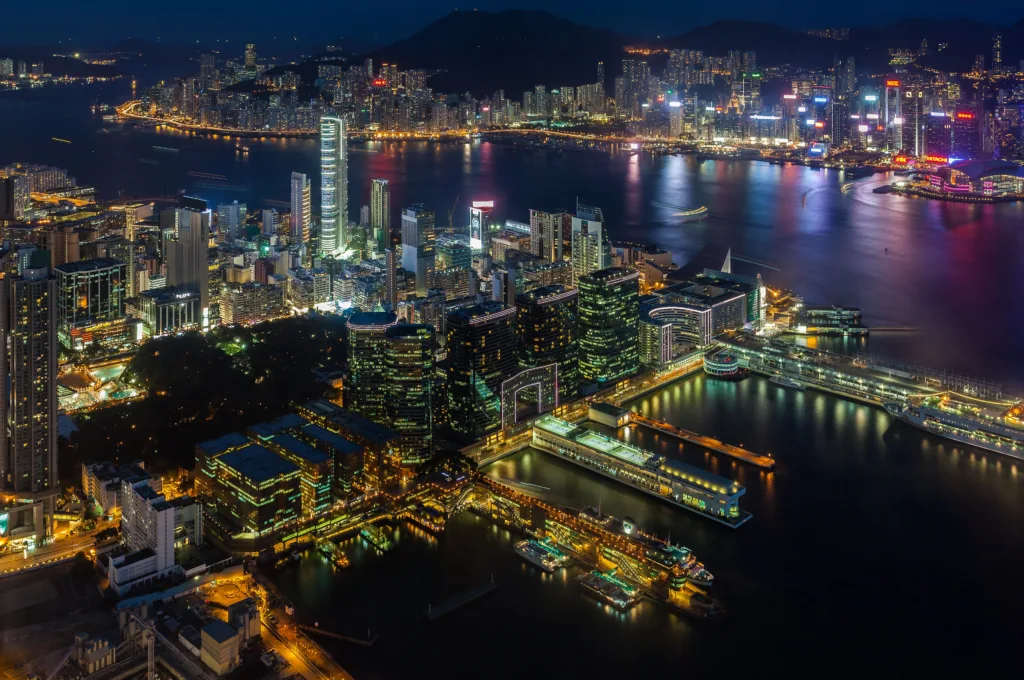 1 / 2
A sunny day, +20, we’re heading out in t-shirts. We take the metro to Diamond Hill. In Nan Lian Park (free entry) – a rock garden, pagoda, museums; staff are counting visitors with manual clickers. At Chi Lin Monastery, we bow to Buddha, spin the gilded drums, and receive red envelopes with coins – a traditional New Year gift. Next up is a sports park with a tartan track, changing rooms, and showers (free). Lunch at a Japanese supermarket: sushi, mochi, matcha latte. We spend the evening in Mong Kok – Hong Kong’s sportswear mecca: new arrivals and past-season items at great prices.
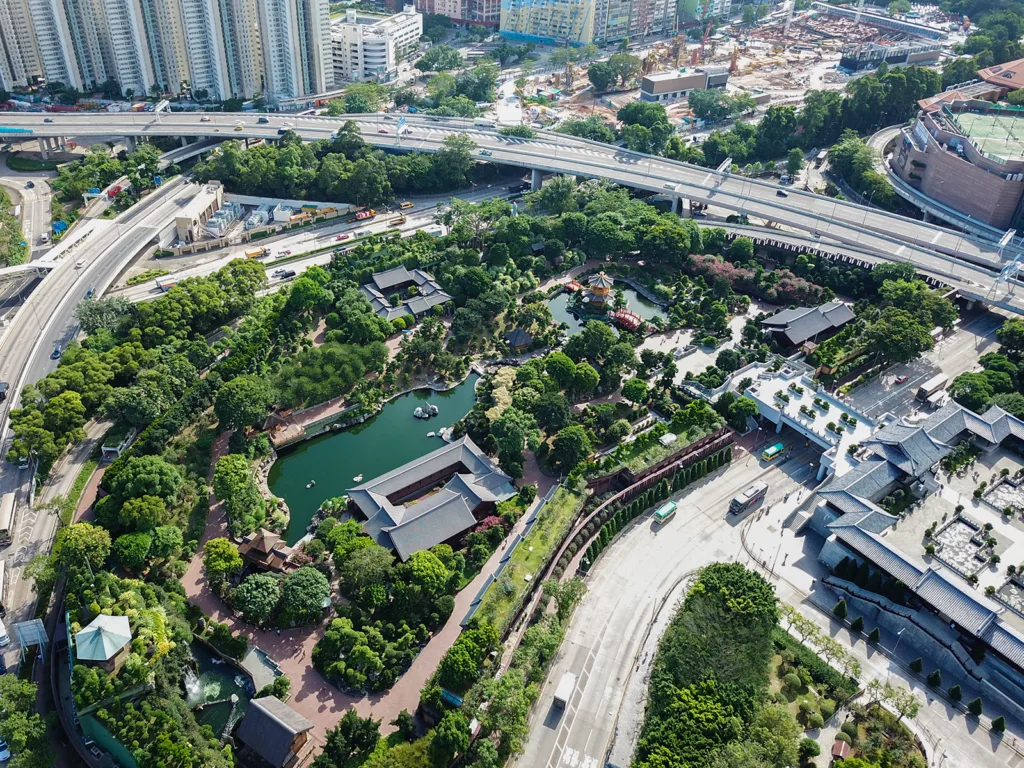 1 / 3
In the morning, we hop on a bus right outside the hotel – the stop is just a short walk away. We’re traveling across the Hong Kong–Zhuhai–Macau Bridge (US$19.8 billion, it dives into a tunnel in the Pearl River Delta). At the Macau border, we get a visa for 30 days, free of charge. There are three languages spoken in Macau: Chinese, English, and Portuguese. We check out the square near the Lisboa casino, try dumplings and rice noodles at a cafe with a queue (here, a queue is a sign of quality). The circular route of bus number 101 shows us Old Macau with its worn-down houses and Portuguese traces. Then we walk across the Zhuhai border – 84 passport control channels. We check into Hotel Red on the 31st floor: a spacious room in red and black tones, breakfast included. In the evening, we take a stroll along the waterfront, enjoying fresh guava, pitahaya, and bananas from the market.
 1 / 2
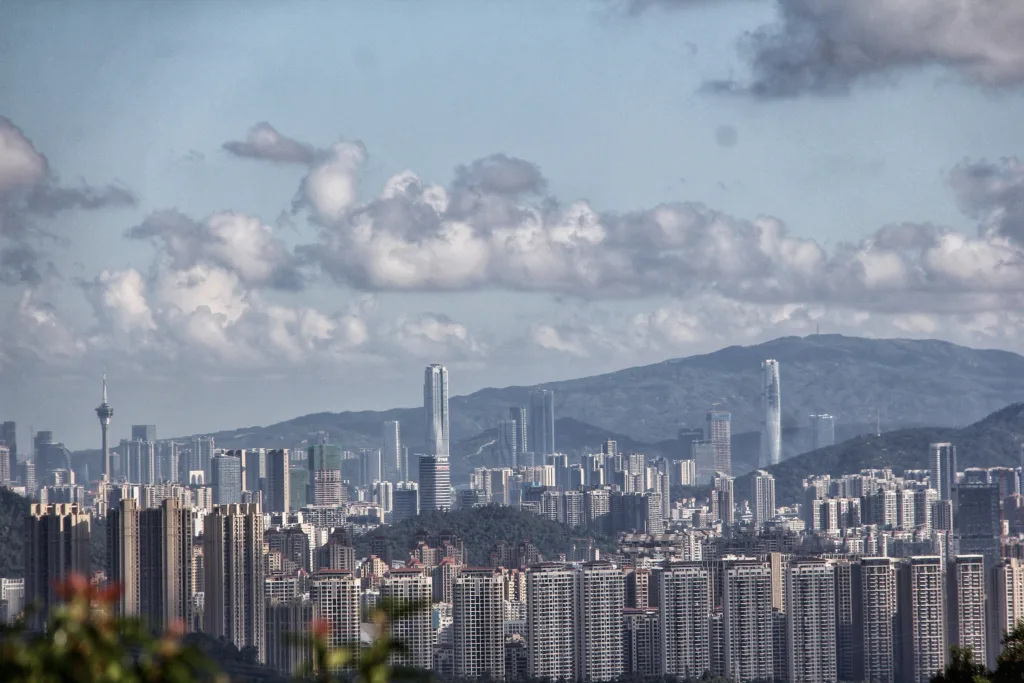
The night was punctuated by New Year's fireworks until three in the morning. My morning run along the tartan promenade revealed groundskeepers cleaning up burn marks. Breakfast buffet with Camembert. A walk through the city park on the hill: tropical greenery, butterflies on flowers, views of Macau across the river. In the center, I tried Kim Ho Young red tea (ten infusions!), bought a fresh pineapple and Portuguese *pastéis de nata*—they're five times cheaper here than in Lisbon. Evening brings another sky full of fireworks – police close off the promenade beforehand.
 1 / 3
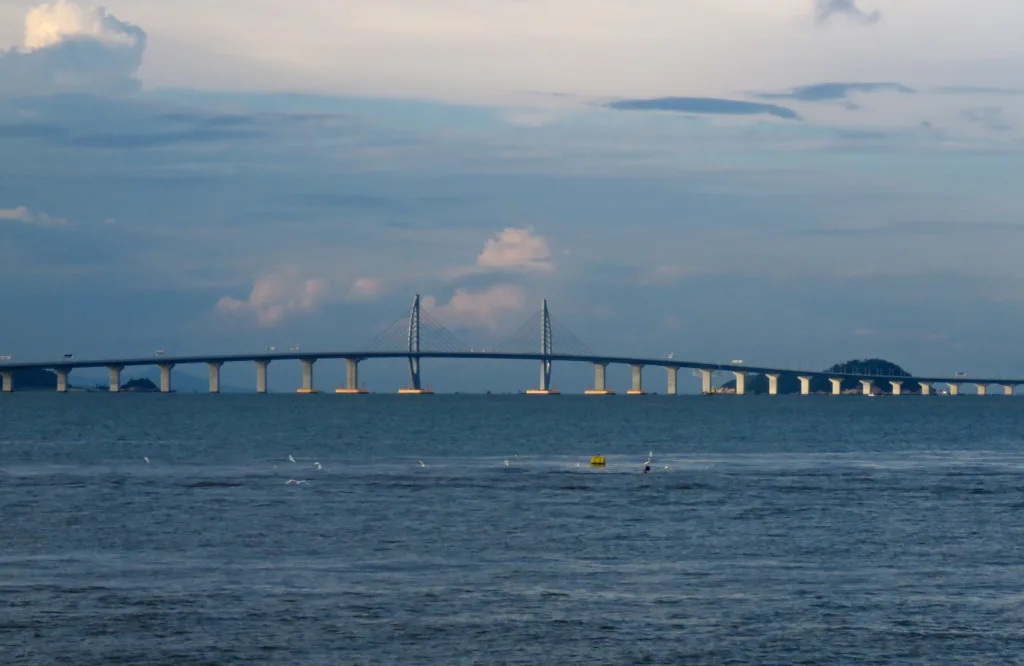
Wake-up call at 4:30 AM. An early start to the Gongbei border – the queue grows right before your eyes. In Macau, a sunrise in the city park, then a bus and back across the border again. Over six hours, we cover 130 km back and forth: Zhuhai – Macau – Hong Kong (Hotel Panda) – Macau – Zhuhai. At Hotel Panda, we collect a sealed laptop and tableware. The return bus takes us over the new bridge (65 HKD per person). Along the way, we notice the price differences: transport in Zhuhai is three times cheaper than in Macau, and Hong Kong petrol is apparently the most expensive in the world. In the evening, we buy train tickets to Guangzhou and head out for ice cream and fresh pineapple.
 1 / 3
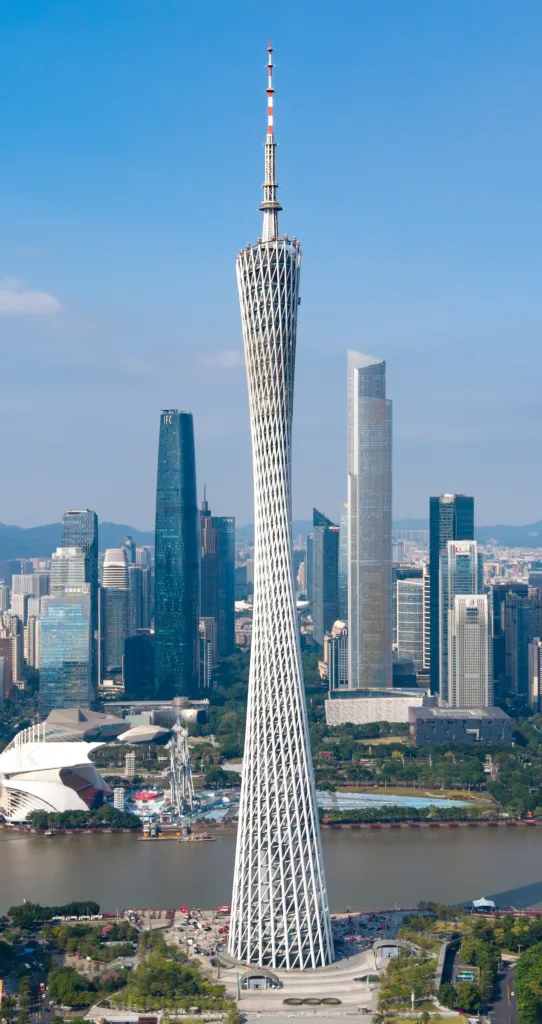
A high-speed train from Zhuhai to Guangzhou South station: one hour and twenty minutes, 200–250 km/h. The scale of the station is impressive – four metro lines. We check into our apartment: a two-story suite with three bedrooms, a living room featuring a projector and a wall-sized screen, and two bathrooms. Our eldest daughter flies in from Beijing. In the evening, we take the metro to Canton Tower — a symbol of the city. Tonight it's shimmering with rainbow colors. We hop on a tram (2 yuan) for views of the waterfront and skyscrapers. Dinner is hot pot: an electric stove is built into the table, and we add thin slices of meat, meatballs, Savoy cabbage, mini-pumpkins, and corn cobs to the boiling broth — it’s ready in just one minute. We eat our fill.
 1 / 3
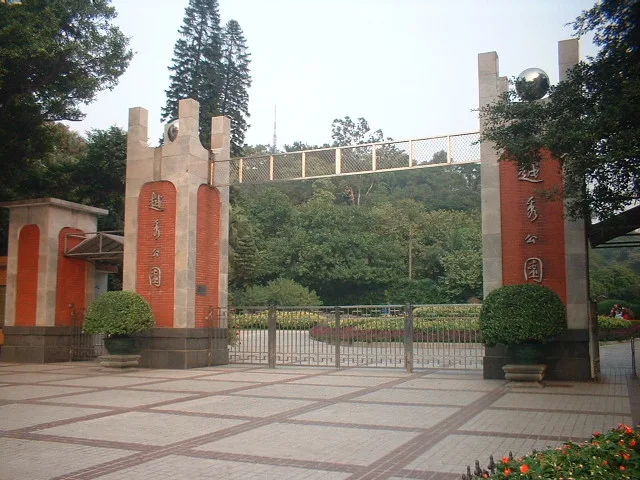
A morning run in a park filled with tropical fruit trees—just five minutes from the apartment. A balmy +28°C in the shade – hard to believe it’s February! We're heading to Yuexiu Park: boat rides, ice cream, and climbing up the hill to Sun Yat-sen’s obelisk. Nearby is his memorial with a palace museum, a bronze sculpture of China’s first president, and liriodendron trees (tulip trees). A green lawn, red lanterns—crowds of locals with cameras everywhere. Right there too is a city stadium with free entry and tartan running tracks. Along the way, we snacked on Portuguese egg tarts: five for 10 yuan. In the evening – a stroll down Shaxiangjie Pedestrian Street: several hours immersed in a whirlwind of signs, aromas, souvenirs, and tea shops. The kids got their suitcases updated at local stores.
 1 / 2
We start the morning with a run in the park with a lake and canals – it's packed! Someone is fishing under signs that say “no fishing.” Breakfast is homemade porridge – we brought oatmeal and buckwheat groats with us. We take the metro to the historical center. First, we arrive at the Buddhist Temple of the Great Buddha - there’s already a huge crowd. The kids discover offerings at the foot of the statues: cola, oranges, pitahaya. Next, we find the Temple of Six Banyan Trees: a small, quiet place where we drink tea and snack under real banyans – the guards patiently wait while we finish up, even though the temple closed half an hour ago. On the way, there’s a finance museum with free admission: Soviet banknotes, early 90s hundred-ruble notes, numismatics from all over the world. The day ends at a ten-story outlet mall: Adidas shoes for 300 yuan when you buy four pairs, t-shirts, suits. No one leaves empty-handed.
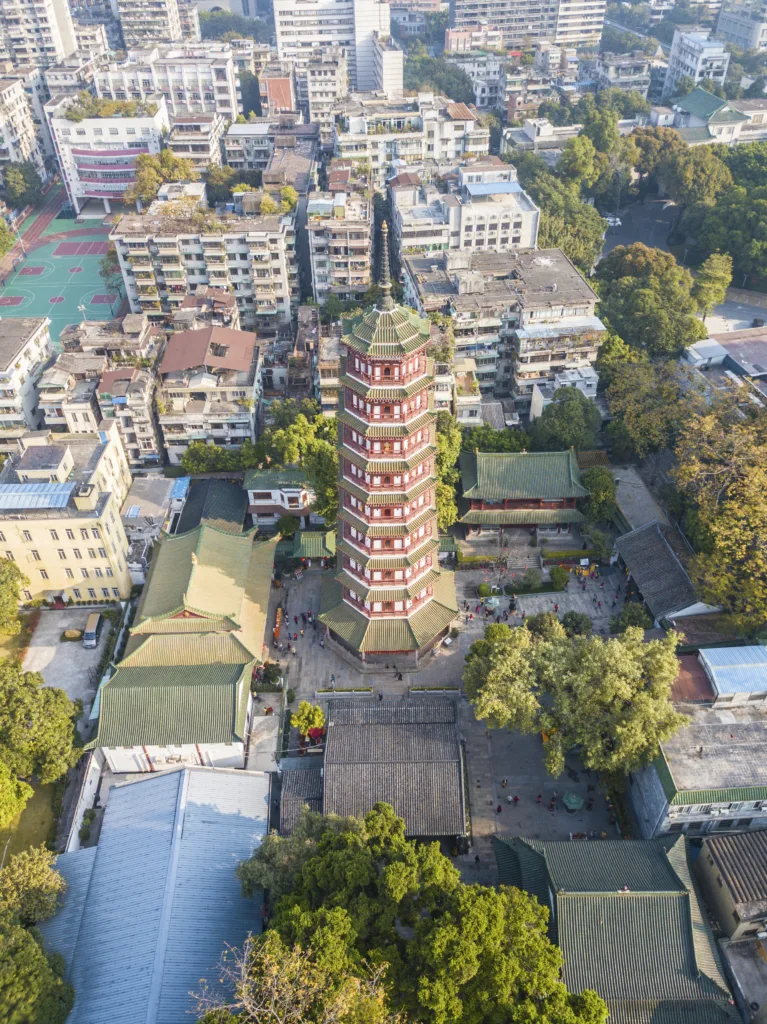 1 / 3
An early start, a quick pack of my bags, and breakfast from my own supplies. The metro from the apartment to Xintan station is 20 stops with one transfer, costing 8 yuan and taking about an hour. It’s important to allow plenty of time: there are several levels of baggage screening and passport control on the platform. High-speed train: 200–250 km/h, eight hours journey time. Outside the window, urban landscapes give way to fields, gardens, and factories. I tried dried green plums in the buffet – turns out they’re salty! We arrive in Shanghai exactly on schedule. After Guangzhou's +28, the local +10 is a shock. Quickly putting on jackets and hats. Checking into the Marriott near the central station: pool, gym, robot ice cream machine (28 yuan per scoop).
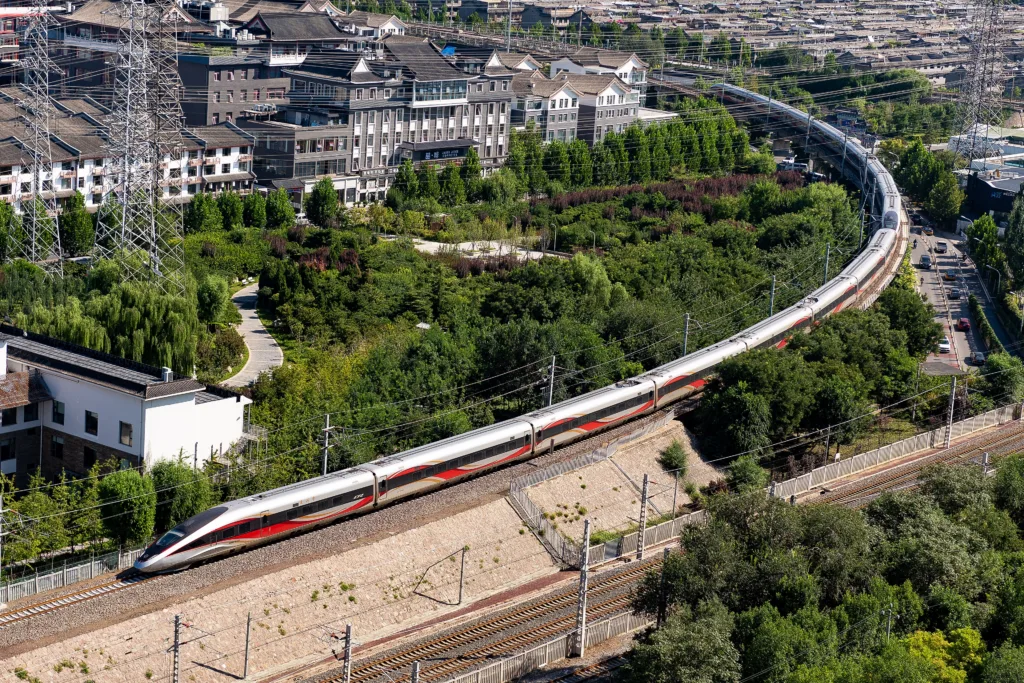 1 / 2
A relaxed start to the day – finally, no rush anywhere! We’re cycling through the Shanghai Botanical Garden: tulips and subtropical exotica in February. Huge greenhouses, Japanese gardens, camellias. The kids love the freedom – they can run around the paths. Lunch at a cafe within the garden grounds. After returning to the hotel – swimming pool and gym: we're finally relaxing, not power-walking. In the evening, we stroll along the Bund again – now without the crowds of New Year’s tourists, it’s calmer and more beautiful.
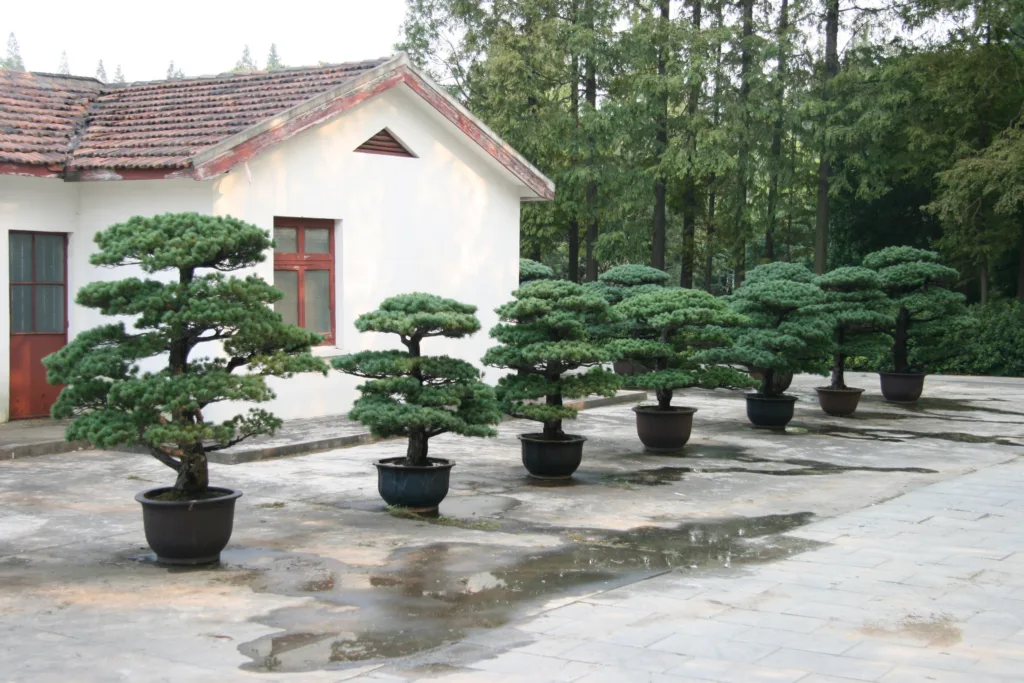 1 / 3
The day is spent under rain – a perfect excuse for museums. The Shanghai Natural History Museum is impressive: the dinosaur hall delights children, while the geology and biosphere halls are slightly less exciting, but interactive exhibits save the day. We have lunch in a shopping mall – sheltering from the rain. In the evening, we take one last walk along the Bund. My older son sums it up: “Lots of skyscrapers, cafes, museums, and the metro. A city of the future.” My daughter already wants to return here in summer. We pack our bags, enjoy coffee in an aromatic cafe with Brazilian beans.
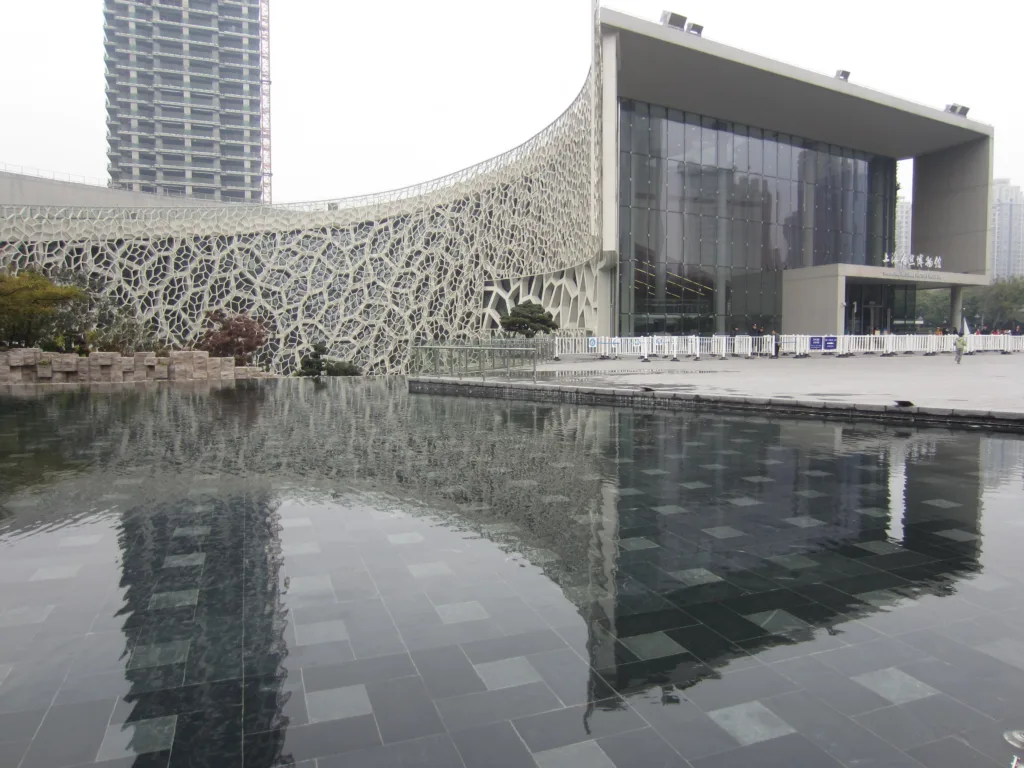 1 / 3
An early flight from Pudong Airport to Haikou. At Haikou airport, we're met by local friends – truly kind and wonderful people. Luggage goes into storage, we head straight for a sushi bar, then to a vibrant local market. Finally, the long-awaited: beach and warm sea! The kids had been waiting for this moment for almost two weeks. We swim and soak up the sun. In the evening, we go to a thermal spa not far from the airport: vines, tropical flowers, warm mineral water under a light tropical rain. It reminds us of the Bentō resort. Late at night – a flight back to Moscow. On the plane, the kids solemnly promise to return to China and immediately start arguing.
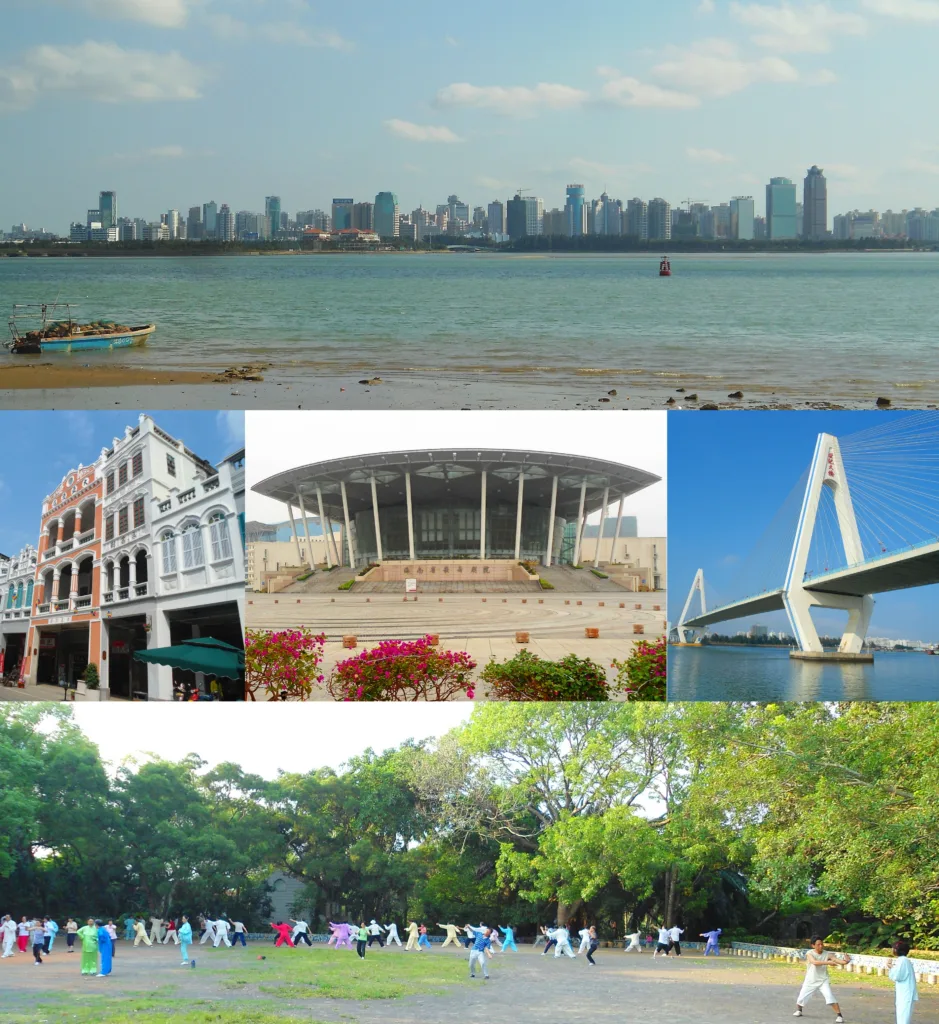 1 / 3
Route as PDF
A printable report with a map and a detailed day-by-day plan (city, transport, what to see, hotels) — save it as a PDF (Print → Save as PDF) or print it for the road.
🖨 Print / Save as PDFGenerate your own route
Fill in the parameters — the AI will build a plan and email you a PDF.
✨ Open the route generator0 questions
No questions yet. Ask the first one — the author and fellow travelers will help.