What is known about Korea in 2027: Seoul Arena, regional airport hubs, night museums and tourism zones, with a clear line between confirmed and planned.
In recent years Korea has been living through a tourist boom, and 2027, judging by official plans, will be the year the authorities try to lead travellers beyond the familiar route “Seoul, Busan, Jeju”. The country has announced a programme of “golden routes” around five airports, Seoul is preparing to open its biggest concert arena, and night museum programmes cease to be a pilot project. But as with any plans, it is important here to separate the confirmed from the announced. In this article we collected what is known at the end of 2026 from Korean and international sources and marked which dates remain guideposts.
- Seoul Arena in Dobong district: opening announced for the first half of 2027, some outlets say May.
- Five “air hubs” outside Seoul: Gimhae, Daegu, Cheongju, Yangyang and Muan; funding of 93.5 billion won starts in 2027.
- The “Seoul Museum Night” programme is to become permanent from 2027.
- Gyeongju and Haeundae in Busan received the status of “special tourism zones”.
Seoul Arena: Seoul’s main concert project
Seoul’s largest arena is being built in the Changdong area in the north of the city. The main hall is designed for about 28 thousand spectators, the second hall for 7 thousand, and organisers can book each separately or both at once. The opening, according to Korean outlets, is targeted for the first half of 2027, and some sources say May. It is already known that applications for rental in the second half of 2027 are closed, and the Fanomenon festival of Korean culture is announced for 2–12 December 2027, split between the arena and the KINTEX exhibition centre in Goyang. Around the arena the city plans a music and cultural district costing about 2.7 trillion won; 2.7 million visitors a year are expected.
What this means for a traveller. If you go for a concert, tickets for headliners in Korea sell out in minutes, and you must buy them by the seller’s rules: many events limit resale and check documents. Do not count on the arena opening on the announced day, so do not book non-refundable flights “for the opening” before the schedule is confirmed. The district, as promised, will live outside concerts too: street spaces, media art and evening programmes. But for now these are plans, and the final look we will see only after launch.
Air hubs: Korea beyond Seoul
The Ministry of Culture, Sports and Tourism has published a plan of “golden routes” around five airports: Gimhae (Busan), Daegu, Cheongju, Yangyang and Muan. The idea is that foreign tourists fly not only into Incheon but straight into the regions and build trips around them. Starting in 2027 about 93.5 billion won is set aside for transport links, passes with shopping and overseas marketing. For a traveller it is for now more a signal than a finished product: new passes, combined tickets and routes will appear gradually. But it is worth following if you have already been to Seoul and look for something new. We covered Korea’s smaller destinations in the material Korea without Seoul: 9 small destinations, and the general plan for an independent trip in the article South Korea independently: visa, K-ETA, route and budget.
Special tourism zones: Gyeongju and Haeundae
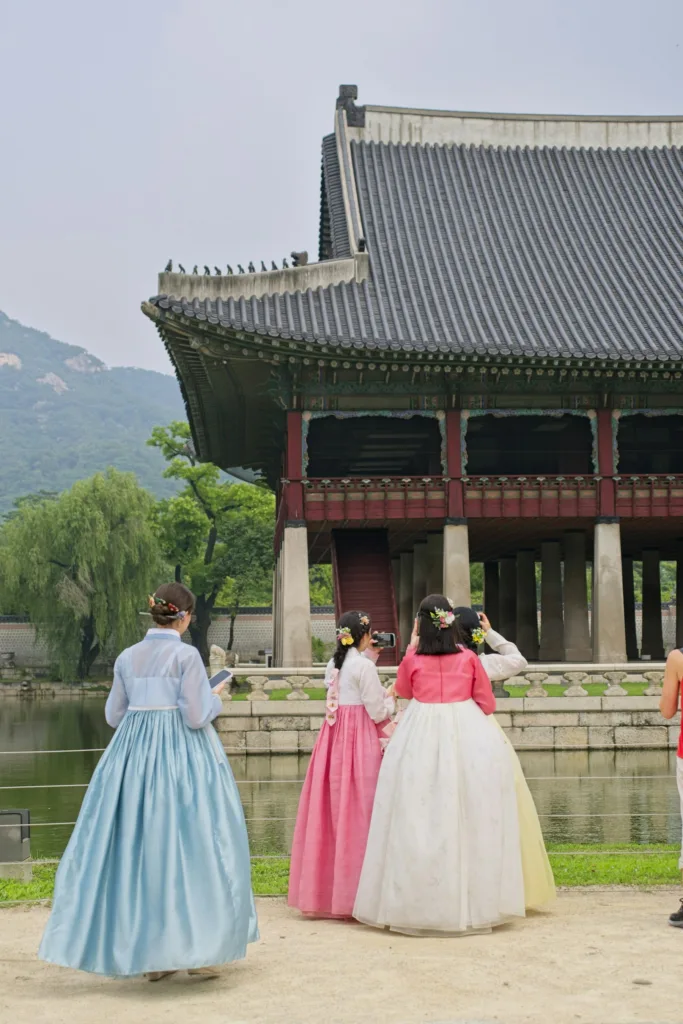
Korea has announced that the ancient capital Gyeongju and the resort district Haeundae in Busan have received the status of “global special tourism zones”. How this will show in practice is not entirely clear yet: such programmes usually mean improvements to transport, lighting, pedestrian areas and hotel infrastructure. If you plan a trip to Busan, it is one more argument to set aside time for Gyeongju too: old tombs, temples and parks are best seen on foot or by bicycle.
Seoul at night and new public spaces
Seoul’s authorities are launching a “night” city programme in stages. The pilot project “Seoul Museum Night” ran from September to November 2026, and from 2027, as announced, it will become permanent: museums will work in evening hours with themed programmes, children’s tours and talks with curators. In addition, the city chose five new improvement projects for 2027, among them the Danghyeoncheon waterfront, a green-culture square in Magok and the Yongwangsan street garden. This is interesting to those who come to Seoul not for the first time and want to see the city and not only tourist points. But timelines for such projects often stretch, so treat them as guideposts.
Spring, events and the calendar
In 2027 Korea, as always, will be rich in events: cherry blossom in Jinhae and Yeouido, lantern festivals and autumn fairs. We collected a detailed calendar in the material festivals and holidays of South Korea 2027 by month, and on cherry blossom in the guide cherry blossom in Korea 2027. If you are choosing lodging, look at the review new hotels of South Korea 2026–2027 and the selection in the section South Korea hotels.
What to book now and what later
In plans for 2027 it is useful to divide decisions into “hard” and “soft”. Hard ones include concerts and festivals with dated tickets, and trips in cherry blossom and autumn leaf seasons: hotels and trains run out ahead of time for them, and delaying booking is risky. Soft ones include new districts, night museums and regional routes: their schedules are only forming, and buying non-refundable tickets for them in advance is not needed. A good practice is this: first fix the main point of the trip (city, date, lodging with free cancellation), and choose additions one or two months before departure, when it becomes clear what actually started working. That way you will not lose money if some site opens later than promised.
Busan and Gyeongju: how to combine
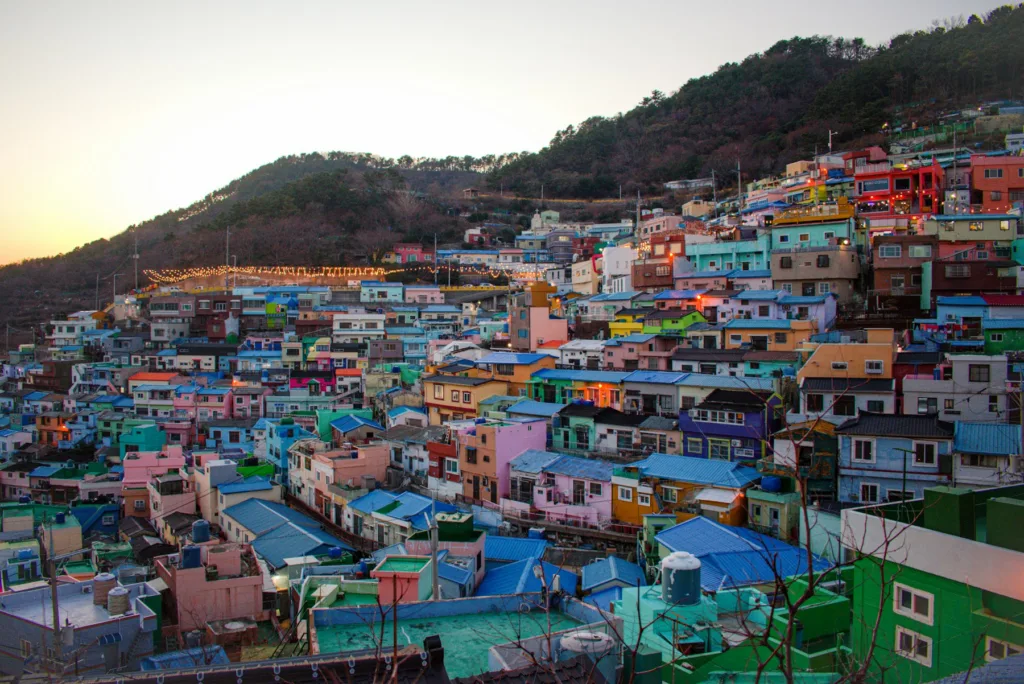
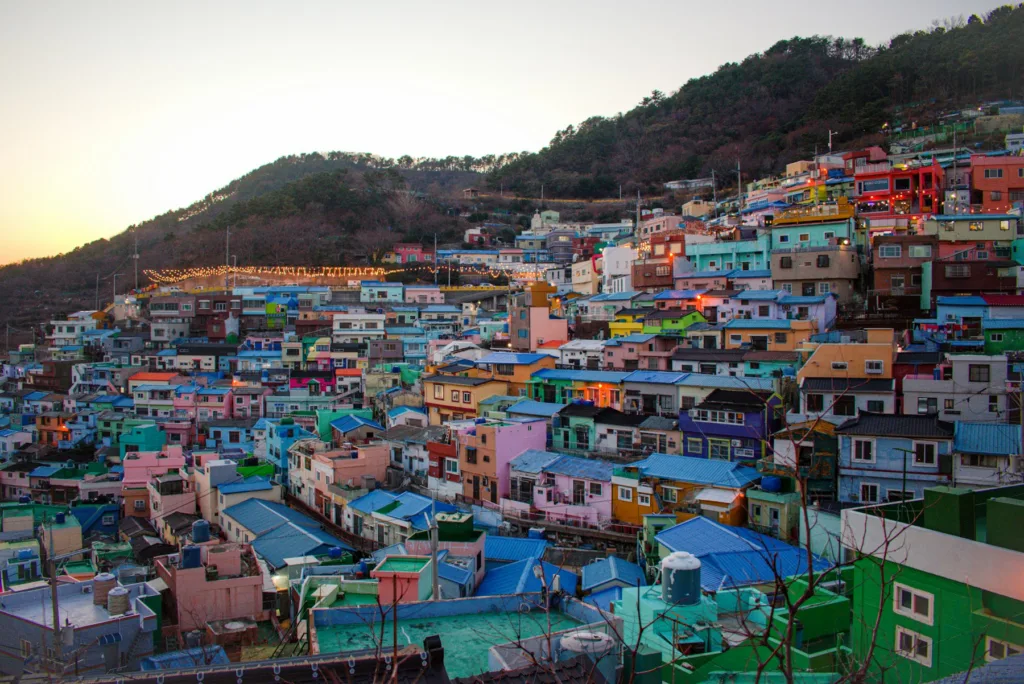
Busan and Gyeongju are close, and it is convenient to combine them in one trip. In Busan it is worth setting aside a day for the Haeundae coast and old districts with coloured houses, and in the evening to stroll through the fish market and eat fresh seafood. In Gyeongju it is better to arrive in the morning and walk through parks with ancient burial mounds, and then see temples and museums. If you can stay overnight in Gyeongju, you will see the lighting of ponds and palaces, which is considered one of the most beautiful sights of the country. Check the timetable of high-speed trains and buses in advance and remember that on weekends and holidays tickets are taken quickly.
Seoul without hurry: evening ideas
For an evening programme in Seoul there are many options that need no tickets. A walk along the Han River embankment with bicycles and picnics, night markets with street food, lighting of palaces and narrow lanes in old quarters. If you plan to visit museums in evening hours, check the programme schedule in advance: hours and themed events may change by season. Do not plan too much for one evening: Seoul has a lot of transport and transfers, and it is better to choose one or two places and spend more time there. And the next day give yourself a calm morning: Korean night life draws you in.
Food and cafes: what to try
A trip to Korea is inseparable from food. Try charcoal barbecue, spicy stews with tofu, cold-broth noodles in summer and rice cakes at street markets. In cafes be sure to order local drinks and desserts, for example shaved ice with fruit. In small places the menu is sometimes only in Korean, and a translation app or pointing at the next table helps no worse than words. If you have an allergy or do not eat spicy food, warn in advance: many dishes are spicy by default. And do not be afraid to choose places where there are many locals: usually it is tasty and inexpensive there.
One last rule: keep booking confirmations on your phone and in the cloud, and write key addresses in Korean. It saves time in taxis and at stations, especially late in the evening after a concert or a long day in museums.
What we did not find
We will say honestly what is not in open data. We did not find a confirmed opening date for a new airport on Gadeok Island or an official list of “Visit Korea Year” events for 2027. If you have read about it, check the official sites of the Ministry of Culture and the Korea tourism organisation. There is also no single list of new hotels of 2027: chains announce openings in parts, and dates often change. So the most correct rule for a trip to Korea in 2027 is this: plan around what already works, and treat novelties as a pleasant bonus.
How to assemble a route for 7–10 days
For a first trip a convenient scheme is three or four days in Seoul, a day in Gyeongju and three days in Busan, returning by high-speed train. For a repeat trip you can take Busan and Gyeongju, and then head to the coast toward Gangneung and Yangyang airport: this area is exactly part of the regional hubs programme. If you go for a concert, tie the trip to the date and leave two days in reserve: Seoul is big, and after a noisy evening the next day is better given to rest. For a winter trip consider frost and wind: many outdoor places work with limits.
Money, connection and rules
Before the trip check the current entry rules: for Russians they have changed, and we described the details in the article on an independent trip. Be sure to arrange an electronic permit if one is required and keep the confirmation. Cards are convenient for payment in Korea, but cash is needed for markets and small cafes. An electronic SIM saves time at the airport, and a maps app will suggest public transport routes, which in Korea are very developed and clear even without knowing the language.
Frequently asked questions
When will Seoul Arena open?
It is announced for the first half of 2027, some outlets say May; the exact date depends on permits.
What are the regional “golden routes”?
It is a plan to unite tourist sites around five airports outside Seoul and put about 93.5 billion won into it from 2027.
Is it worth going to Korea for the novelties of 2027?
It is better to go for permanent places and treat openings as a bonus and check them before the trip.
Useful links
- Festivals and holidays of South Korea 2027
- South Korea independently
- South Korea hotels
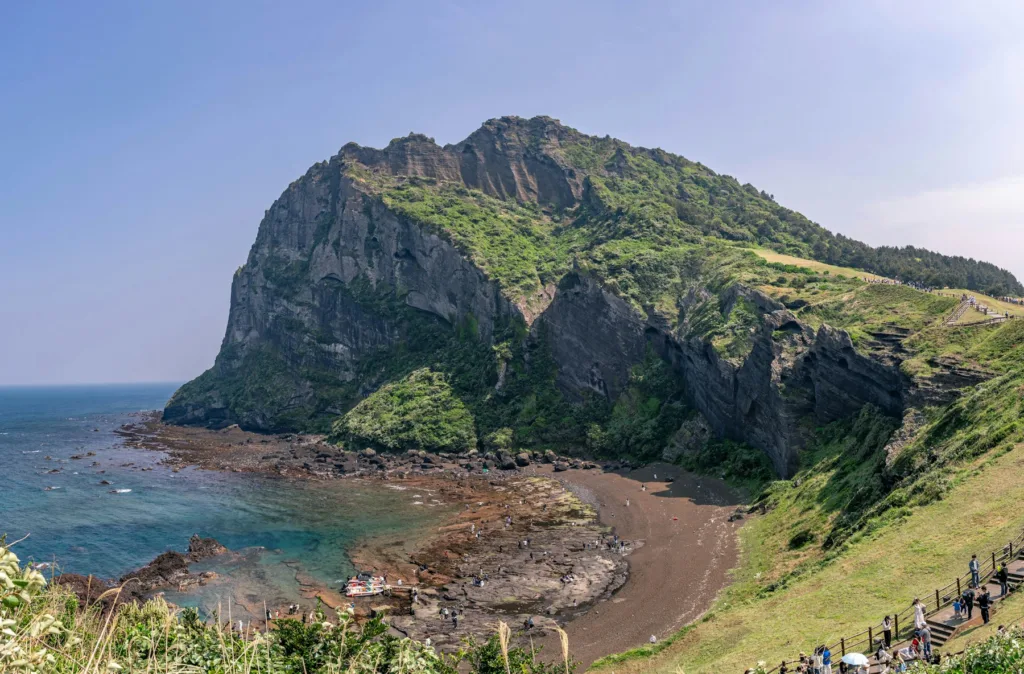
A good trip to Korea needs no novelties: a sunrise on the Busan coast and an evening in Seoul when the city switches on its lights are enough. The rest will come with plans that will come true someday.
Current as of November 2026. Opening dates and programme terms may change: check them on official sites.