The classic Tokyo, Hakone, Kyoto and Osaka route – but built around two weeks of cherry blossom viewing, rather than the usual sights. The difference is noticeable from day one: instead of Shibuya Crossing, it’s the Nakameguro canal under a pink tunnel; instead of Fushimi Inari Shrine, it's Maruyama Park’s weeping cherry trees illuminated at night with paper lanterns.
The main theme of the trip isn't "to see everything," but to experience three types of cherry blossom viewing: a daytime hanami picnic with classmates-neighbors on spread mats in Ueno Park, evening yozakura (illuminated nighttime cherry blossoms) at Maruyama’s weeping cherry tree in Kyoto, and a quiet morning walk without crowds along the Philosopher's Path. The hotel is upscale (The Peninsula Tokyo, Hoshinoya Kyoto) – the itinerary is more suited for couples than families with children: long evening walks under illumination and kaiseki dinners are easier without an early bedtime.
A practical detail not found in typical Japan itineraries: spots under trees with the best views are reserved from morning using blue colored mats—this is normal local practice, not rudeness. If you want a spot right at the base of the tree for the evening, arrive during the day and leave a blanket; return at sunset.
Route map
Click a day or a point of interestDay-by-day route
Checking into The Peninsula
The hotel near Ginza was chosen for a reason – it’s conveniently located to both the business district and, in the evening, to Nakameguro by metro without transfers (around 25 minutes). After a long flight, we check in, unpack our bags, and head out lightly – today's program is short and doesn't involve early starts.
Nakameguro Canal at Night
Around 800 cherry trees line the canal creating a solid pink tunnel - at night, the illumination of lanterns strung directly over the water comes on. Along the embankment are stalls with street food and drinks; locals and tourists mingle while sitting right on the parapets. It’s best to walk slowly, in both directions along the canal – the route is informal, there's no final destination.
Dinner by the Canal
Restaurants along Nakameguro operate with extended menus and queues during cherry blossom season - if you’re not prepared to wait, grab takeaway food from the stalls directly on the embankment: yakitori, taiyaki, hot sake in paper cups. It's more atmospheric than sitting indoors.
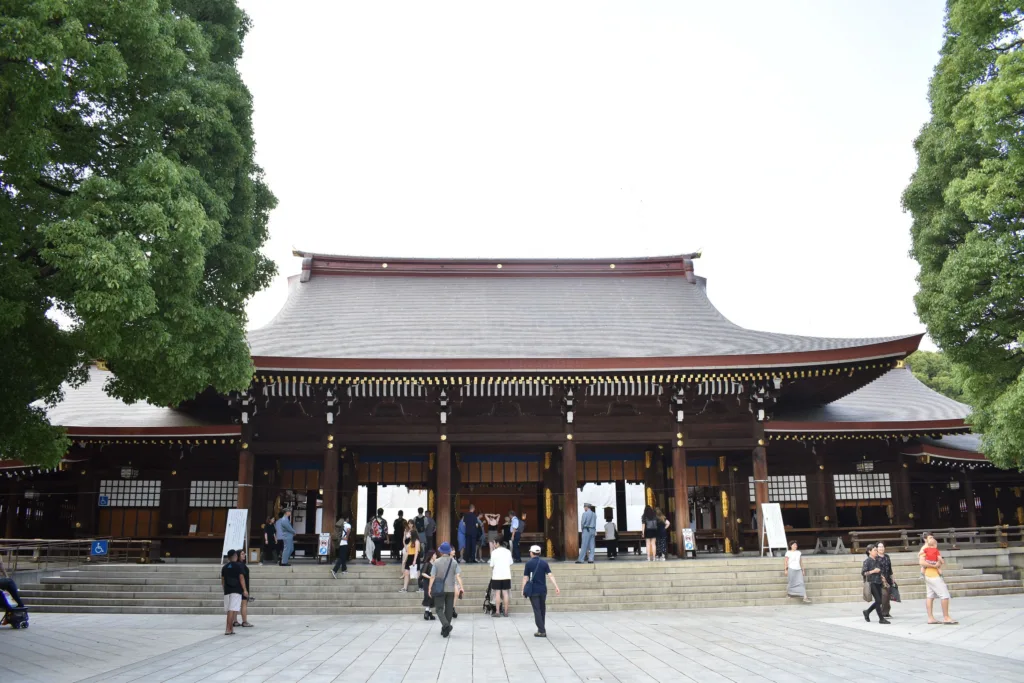
Ueno Park: A Classic Hanami Picnic
More than 1,000 cherry trees and the most recognizable image of Japanese hanami – families and colleagues on blue tarps right under the canopy, with konbini snacks and a karaoke speaker blasting from the group next door. It's best to stake out your spot early—by midday, the prime spots under the best trees are already taken.
Rowing Under Blossoming Trees in Todorigaifu
The former Edo Castle moat, lined with cherry trees on both banks — you can rent a boat and row directly under the overhanging branches (around ¥800 for 30 minutes, queues at weekends stretch up to an hour). In the evening, illumination is switched on, and this is one of the most widely-reproduced images of Tokyo’s cherry blossoms.
Shinjuku Gyoen as a Backup Option
If the weather isn't cooperating or you want peace and quiet away from Ueno's crowds — this large park has several varieties of cherry blossom that bloom at different times, so your chance of catching the blooms is spread out over 2–3 weeks. Admission is charged (around ¥500), but that’s why there are noticeably fewer people.
 1 / 2
Odakyu Romancecar and Hakone Freepass
From Shinjuku to Hakone-Yumoto — take the Romancecar with panoramic seating (book in advance). Get a 2-day Hakone Freepass (around ¥6,100) — it covers the ropeway, funicular, lake cruise, and resort area buses.
Odawara Castle
On the way to Hakone, it’s worth stopping off at Odawara – a reconstructed castle with several hundred cherry trees around its walls. It usually blooms about a week earlier than in the mountains of Hakone due to the lower altitude. If the blossoms haven't started in Hakone itself, you can almost guarantee catching peak bloom here.
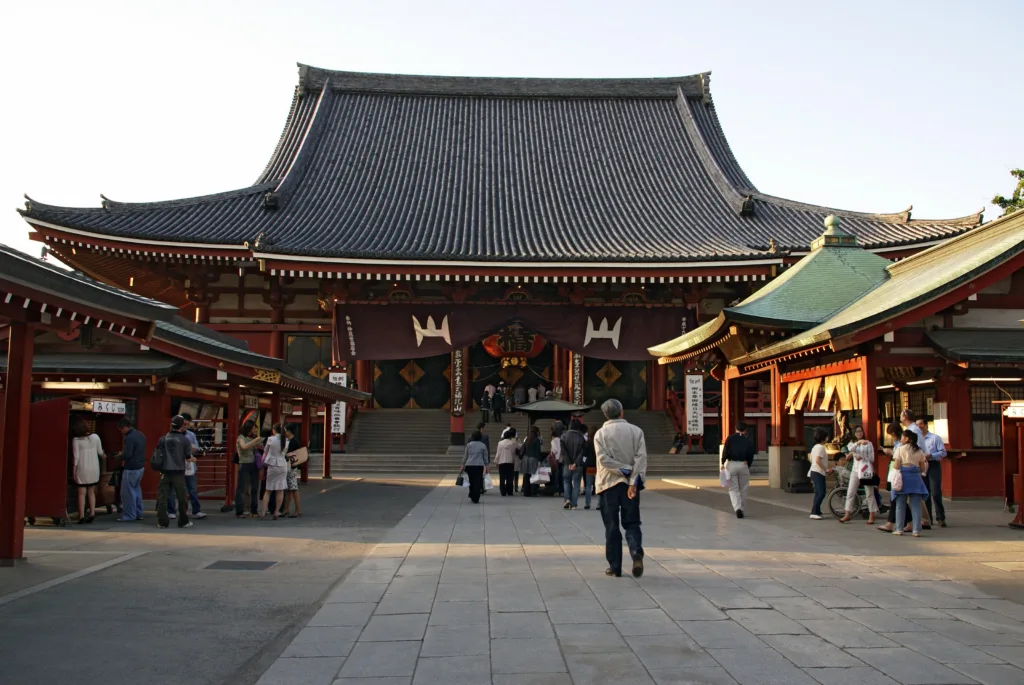
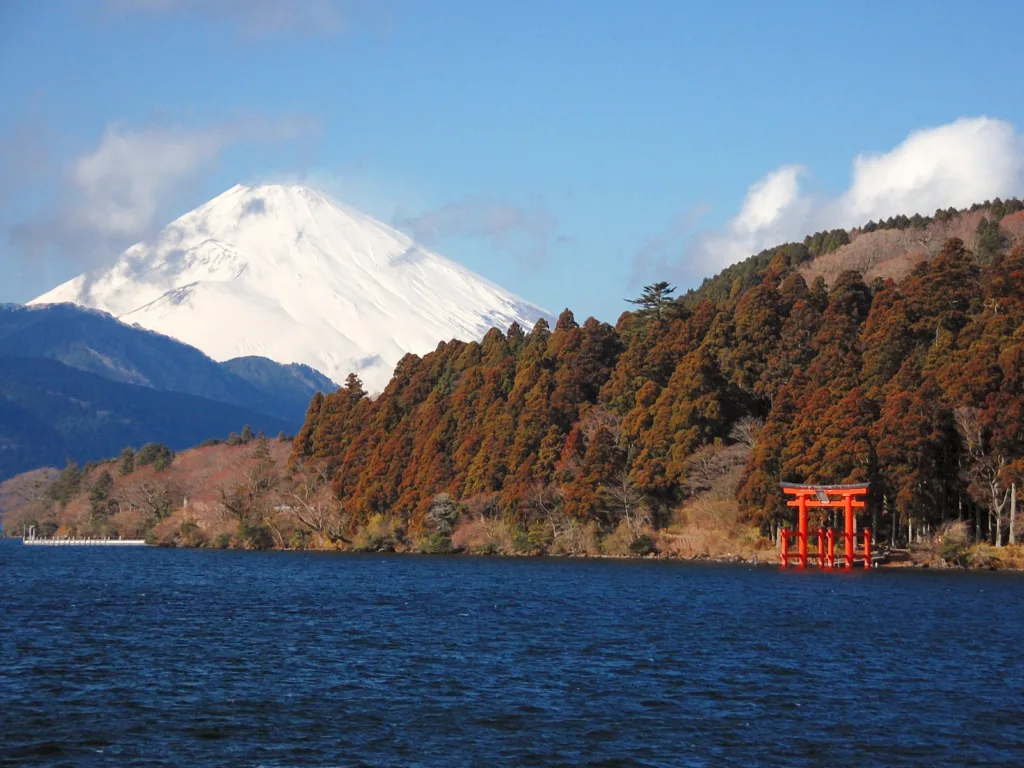
Onsen with a View of Fuji
In the mountains, cherry blossoms bloom later than on the plains by 1–2 weeks – sometimes at the end of March in Hakone trees are still in bud, and that's normal: people come here not for the blossoms, but for the onsen and views of Fuji from the ropeway. Evenings are spent soaking in hot springs at a ryokan, enjoying a kaiseki dinner with seasonal sakura-themed presentations (pickled petals, sakura-mochi for dessert).
 1 / 3
Shinkansen from Odawara
A direct Shinkansen to Kyoto takes about 2.5 hours without changing in Tokyo. We’re checking into Hoshinoya on the Oi River well ahead of time – tonight is all about enjoying one place.
Maruyama Park and Gion's weeping cherry tree
Kyoto’s prime sakura spot: around 680 trees, and at its center is the famous “Gion yozakura” (weeping cherry), illuminated from 18:00 to 22:00 between March 25th and April 2nd, plus a small bonfire nearby. Around it are food stalls, groups with sake and beer right on the grass – the atmosphere is noticeably more festive than in daytime Ueno.
Nijo Castle after dark
If you have time and energy left — Nijo Castle’s grounds are also decorated with cherry blossoms and during the season extends its opening hours for evening illumination. A calmer alternative to crowded Maruyama for those who are already tired from the crowds in a day.
 1 / 3
A Philosophical Path Without the Crowds
The stone path alongside the canal between Ginkaku-ji and Nanzen-ji transforms into a continuous blooming corridor over water during cherry blossom season – you need to arrive early, around 8 am, before the bus groups show up. Within an hour and a half to two hours, the quiet is replaced by a dense flow of people with phones raised.
The Katsura River in Arashiyama
Unlike the usual focus on the bamboo grove, during cherry blossom season the riverbank of the Katsura River nearby is more interesting – cherry trees along the water and the Togetsukyo Bridge with mountains in the background create one of Kyoto’s most recognizable views in spring. You can also catch the bamboo grove on your way, but it looks the same as always out of season – not the main reason to come here right now.
Kaiseki with a Seasonal Menu
Kaiseki restaurants introduce a special “sakura menu” in March-April: seasonal shoots, pickled petals, fish of the current catch — you need to book in advance; the closer it gets to peak bloom, the fuller the bookings.
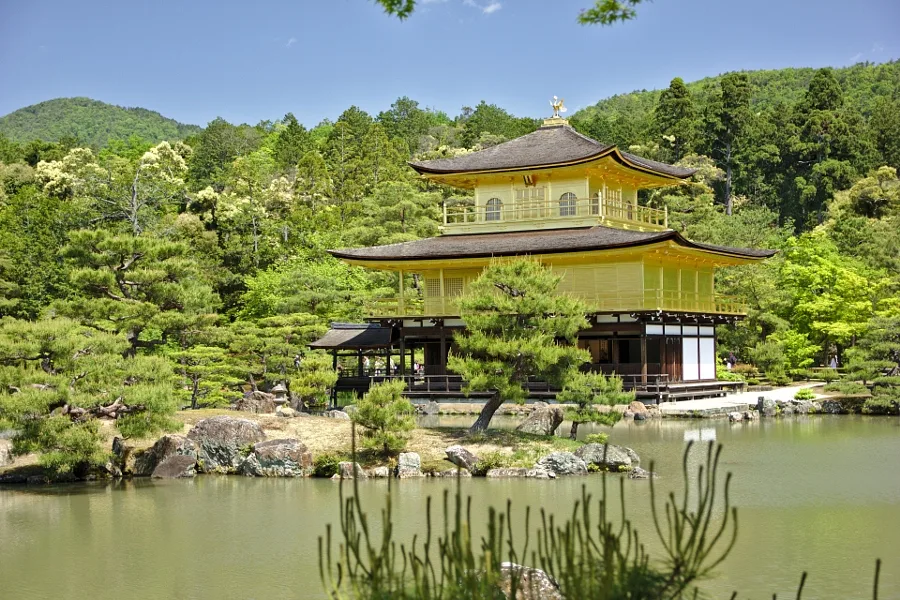
Shinkansen Kyoto – Osaka
A short journey – 15 minutes by Shinkansen or around 45 minutes on local lines. We check in and immediately head to the water: today’s focus isn't on food, but on the region’s longest sakura tunnel.
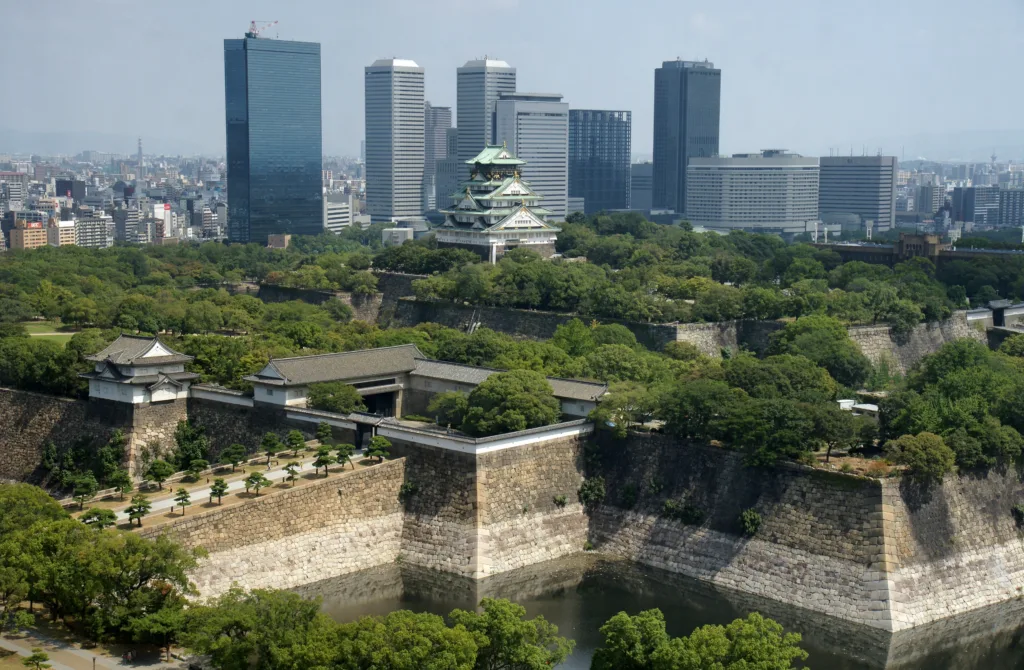
Osaka Castle in Bloom
The park surrounding the castle is one of the best in the city for daytime hanami; the trees frame a classic view of the white walls and golden roof. It's crowded during the day, but there’s enough space to avoid feeling cramped, unlike the narrow riverbanks.
Kema-Sakuranoimiya Park along the Okawa River
Around 4.2 km of continuous cherry trees blooming along both banks of the river – Osaka's longest sakura route. In the evening, illumination is switched on, and sightseeing boats operate on the water specifically for the blossom viewing—the view from the water of the illuminated bank is worth it if the schedule allows.
 1 / 2
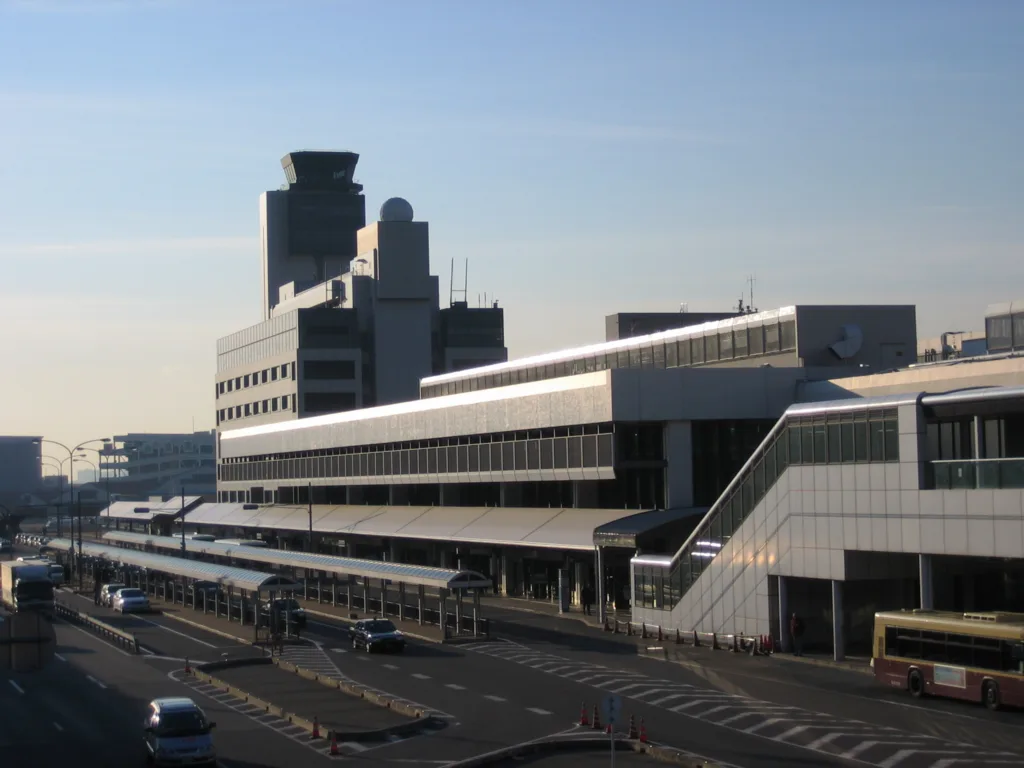
Getting to Kansai
The Nankai Express or JR Kansai-Airport Rapid Service takes about 45–50 minutes from central Osaka. Factoring in seasonal traffic in March-April, allow at least 3 hours for the journey and check-in.
Route Summary
Seven days around one natural phenomenon – a week and a half is risky in terms of forecasting, but the most emotionally rich version of a classic Japanese itinerary. Detailed practical tips are in the postscript below.
 1 / 2
Off the Beaten Path Notes
The cherry blossom forecast is not a guarantee, but a working hypothesis that changes every week in March. We based ourselves on the forecast from a month ago (late February), but only confirmed our final ticket dates 10 days before departure when Japan Meteorological Corporation released their third, refined forecast. A cold week at the beginning of March pushed the peak bloom in Tokyo back 4 days from the original forecast – allow for a minimum buffer of 3–5 days for each location on your route.
Sakura — Definitely Worth It At Least Once
Nighttime illuminated sakura is a completely different experience than daytime: the petals against the black sky look more dramatic, and the atmosphere is more festive – sake, lanterns, and a bonfire under Maruyama’s weeping cherry tree burn from March 25th to April 2nd. If you have to choose between another daytime park and one nighttime illumination—go for the illumination; it's what will stick with you longer.
Blue Tarpaulin Culture
Don't be surprised to see rows of identical blue tarpaulins under the best trees from eight in the morning – this is a covert reservation, a perfectly normal and respected practice. We did the same thing in Ueno Park: spread out a blanket at 8 am, went for breakfast, returned for lunch — nobody had taken our spot.
Weather and Plan B
Late March in Tokyo and Kyoto is still cool in the evenings (5–10°C), so pack layers and something windproof – standing under a blooming tree with a glass of sake on a cold wind is pleasant for the first 20 minutes, not two hours. Rain is also possible—in this case, Shinjuku Gyoen in Tokyo and Kyoto’s covered galleries are great backup options with fewer crowds.
Actual Budget
For a couple, excluding flights to Tokyo and back from Osaka: accommodation (boutique hotels) – around 74,000 ₽ for the entire route, transport — 19,000 ₽, food — 20,000 ₽ (a few kaiseki dinners pulled this figure up above average), entrance fees and illuminations — 11,000 ₽. Totaling around 124,000 ₽ – matched the initial estimate almost exactly.
What’s Next
If sakura isn't your top priority and you want to stick to a budget and not depend on the whims of the cherry blossom forecast—consider the same classic framework of cities without weather-dependent planning in the "Golden Triangle Japan" route. A general overview of visas, climate, and budget is available on the Japan page.
Route as PDF
A printable report with a map and a detailed day-by-day plan (city, transport, what to see, hotels) — save it as a PDF (Print → Save as PDF) or print it for the road.
🖨 Print / Save as PDFGenerate your own route
Fill in the parameters — the AI will build a plan and email you a PDF.
✨ Open the route generator0 questions
No questions yet. Ask the first one — the author and fellow travelers will help.