“Golden Triangle” – that's what they call the classic Tokyo → Hakone → Kyoto → Osaka loop in Japan: it brings together a neon metropolis, a volcanic resort with views of Mount Fuji, and the old imperial capital without requiring any internal flights. The entire route is a combination of Shinkansen (bullet train) and local lines, so even with children, logistics feel predictable: get on, one or two hours in a seat with a socket, and you’re already in another city.
The route strikes a balance that is rarely achieved on the first try: two days in Tokyo – enough not to be overwhelmed by the scale, but also short enough not to get bored of just one metropolis; one night in Hakone – only for the onsen with a view of Mount Fuji, without trying to fit everything in; two days in Kyoto – the minimum needed to see both the popular Fushimi Inari shrine and the truly quiet Arashiyama early in the morning; a final day in Osaka – departure via Kansai with a stop at the gastronomic Dotonbori along the way.
What you need to know in advance: tickets for teamLab Planets in Tokyo and a table for a kaiseki dinner in Kyoto should be booked 2–4 weeks in advance – both options regularly sell out, especially on weekends. Regarding the onsen at your Hakone ryokan – check their tattoo policy beforehand: some onsen still don’t allow them, but more and more ryokans offer private baths (kashikiri-buro) without restrictions – this was our case.
Route map
Click a day or a point of interestDay-by-day route
Getting from Narita and First Check-in
From Narita to the city – either the Narita Express (N'EX) to Shinjuku/Shibuya (around ¥3,070, 90 minutes, with dedicated non-reserved slots), or a limousine bus which is cheaper and avoids luggage transfers but takes longer. We took the N’EX — with a child and suitcases, it was worth it. The hotel is booked a 10-minute walk from Shibuya Station – for the first day in Tokyo, this is more convenient than saving money on accommodation further out.
Shibuya Crossing and First Evening
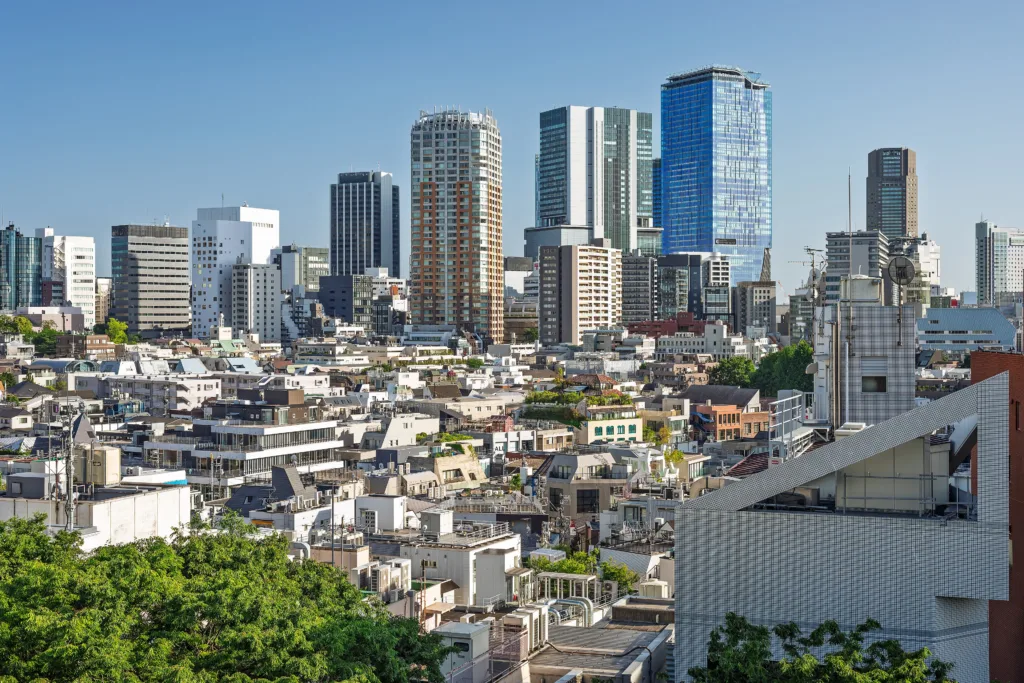
We checked in, had a little sleep after the flight, and went out to the famous crossing in the evening — during the day it’s just busy and doesn't make much of an impression, but in the twilight with the neon signs lit up, it’s that very “wow” moment people come here for. The Shibuya Sky observation deck (around ¥2,200) offers the best view of the crossing itself from above, but you need to book a slot online in advance – tickets might not be available on site.
Dinner at an Izakaya
For dinner — an izakaya tucked away in the backstreets behind the station: small portions of yakitori, gyoza, cold beer or oolong tea for those who aren’t driving—though nobody's driving here, it's just a habit. Menus are rarely available in English; Google Translate camera saves the day. The average bill for a family is ¥3,500–¥4,500.
 1 / 3
Morning in Asakusa
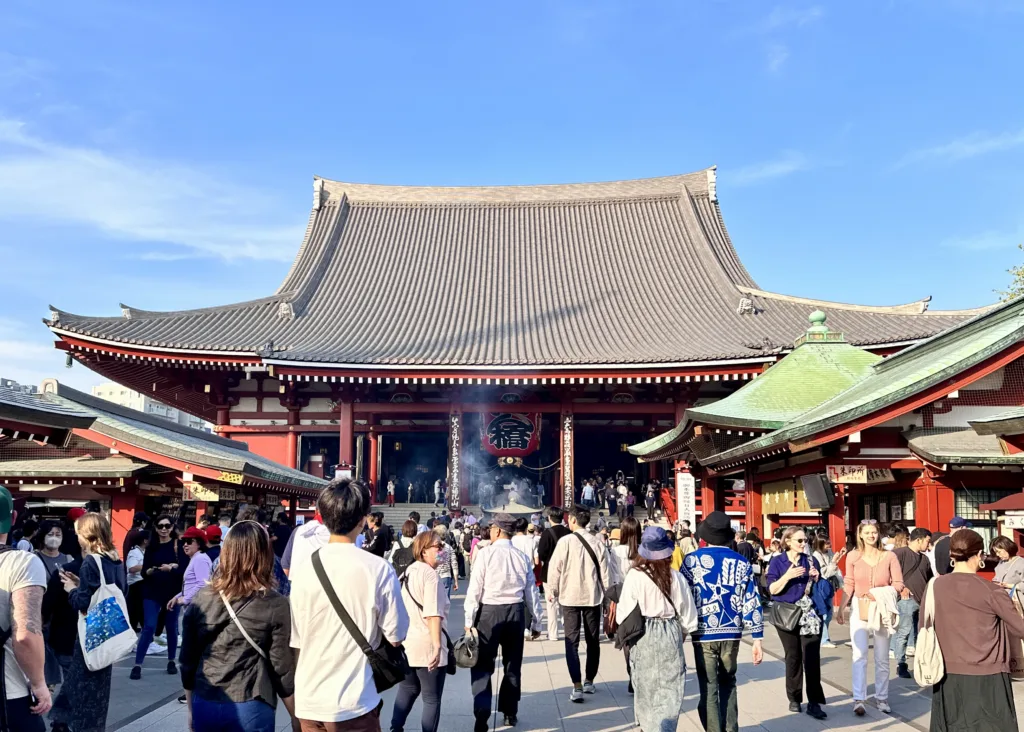
Sensō-ji Temple is Tokyo’s oldest Buddhist temple, and in the morning (before 9–10 am) there aren't any tourist buses. We walk through the Kaminarimon gate with its huge red lantern, along Nakamise-dori shopping street – that's where we grab some dorayaki and dango to try. Entry to the temple itself is free; donations are voluntary.
Akihabara by Day
The electronics and anime district — even without an interest in game centers, it’s worth walking down the street for the atmosphere: eight-story Yodobashi stores, figurine vending machines, cafes with board games. It's great fun for kids to visit a multi-story game center – there’s almost one in every building.
teamLab Planets in the Evening
Tickets need to be booked in advance — 2–3 weeks for weekdays, a month for weekends and holidays, they are regularly sold out. Price from ¥3,600 for an adult. The exhibition is entirely barefoot; some rooms are ankle-deep in water, so bring spare clothes or shorts. In terms of impressions—it’s something really worth setting aside an evening for, rather than trying to squeeze it between other attractions.
Ginza as a Final Treat
If you have energy left after teamLab, Ginza is nearby on the metro line; the window displays of flagship stores work like a free art gallery even without intending to buy anything.
 1 / 3
Odakyu Romancecar and Hakone Freepass
Getting from Shinjuku to Odawara/Hakone-Yumoto is easiest by Romancecar with window seats (book in advance, around ¥1200 surcharge per ticket). Once there, we got the Hakone Freepass (2 days, about ¥6100 for an adult from Shinjuku) — it covers the ropeway, funicular, lake cruise and buses within the resort area; buying individual tickets would have been more expensive after just the second activity.
The Ropeway and Lake Ashi
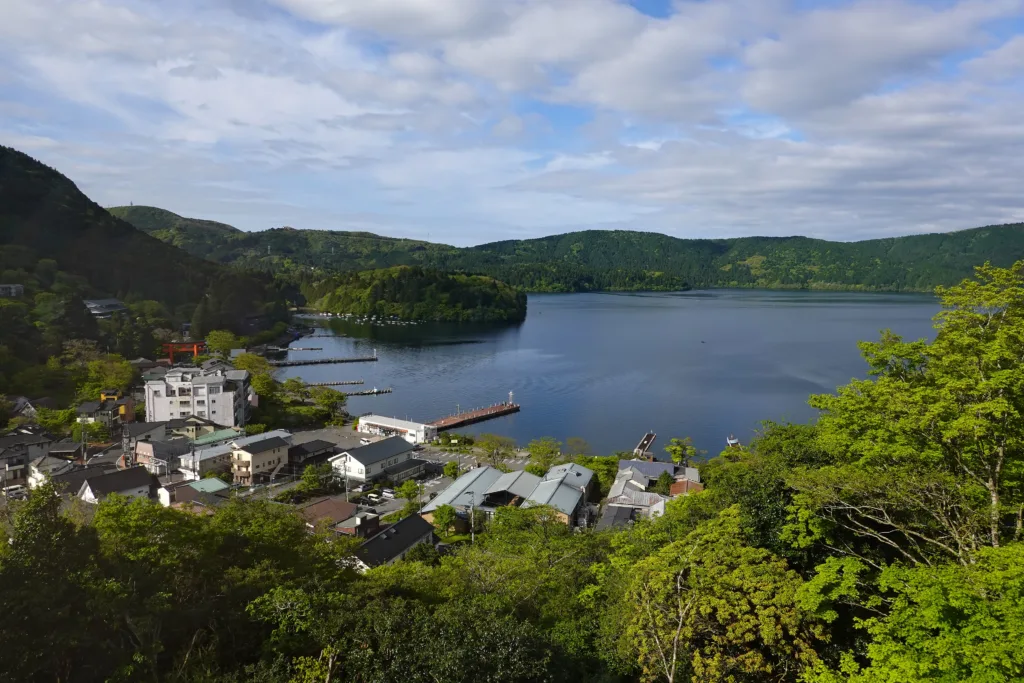
The Hakone ropeway runs over the Owakudani volcanic activity zones—on a clear day you can see Fuji in the window, on a cloudy day only sulfur and steam – it’s luck of the draw. Below is Lake Ashi with a sightseeing “pirate” boat; the mountain looks more impressive from the water than from land.
The Hakone Open-Air Museum
Hakone Open-Air Museum — sculptures set amongst the greenery, plus a separate Picasso pavilion. There’s a special area for kids with bouncy sculpture playgrounds where they can climb – a rare museum where children won't be bored.
Evening at a Ryokan
Checking into a ryokan with an onsen is an event in itself: kaiseki dinner is served to your room or the communal hall, followed by bathing in the hot springs. If anyone in your family has tattoos – check with the ryokan beforehand: some public onsens still don’t allow them, but our ryokan had private baths (kashikiri-buro) available for booking on a schedule, without restrictions.
 1 / 3
Shinkansen from Odawara
From Odawara Station (near Hakone), the shinkansen to Kyoto takes about 2.5 hours without a transfer in Tokyo — no need to return to the city roundabout. Book your ticket in advance via the app or at the ticket counter; window seats are snapped up quickly during cherry blossom season.
Fushimi Inari
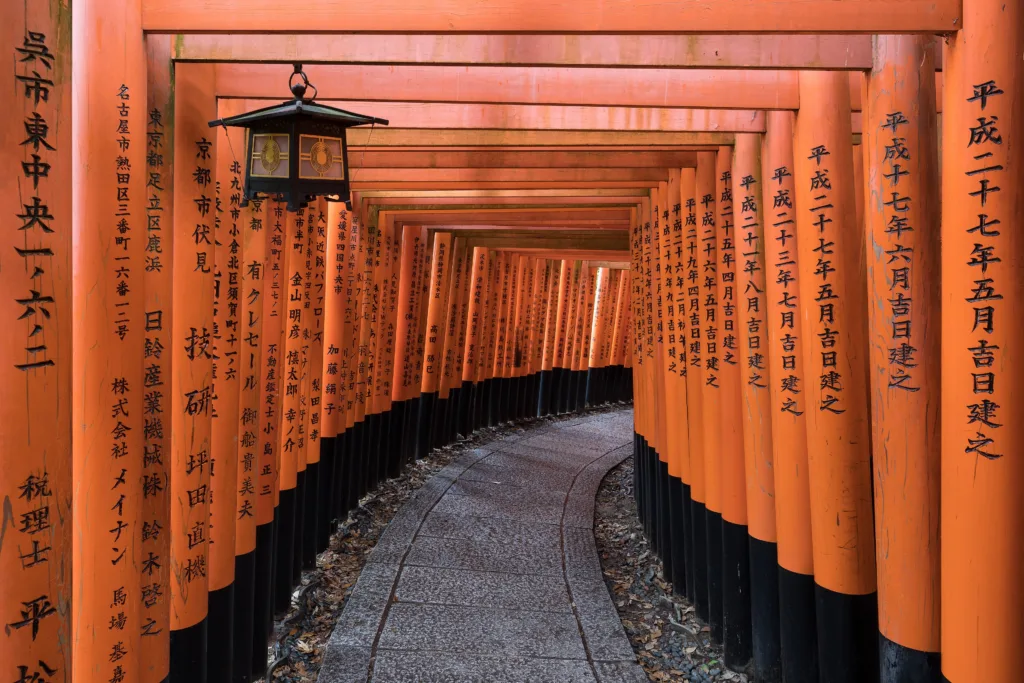
Thousands of red torii gates winding up the mountainside – Kyoto’s most recognizable spot and the busiest at its base. The secret: keep climbing past the first 20–30 minutes of the trail—most tourists don't make it even halfway, and the path higher up is almost deserted, offering those classic "postcard" shots without crowds in the frame. Free entry, open 24 hours.
Gion District
The historic geisha district — best viewed in the evening when the daytime heat subsides and lanterns illuminate the narrow streets. Photographing geishas and maiko (apprentice geishas) without permission is prohibited by local law—the fine is real, so please ask politely or simply admire them.
Kaiseki Dinner
Kaiseki is a multi-layered seasonal set of 6–10 small dishes served one after another. A table at a decent establishment should be booked several days in advance, and at the top ones—a couple of weeks. Prices vary greatly: from ¥5,000 per person at an average place to tens of thousands at a Michelin-starred restaurant.
 1 / 3
Bamboo Grove Early Morning
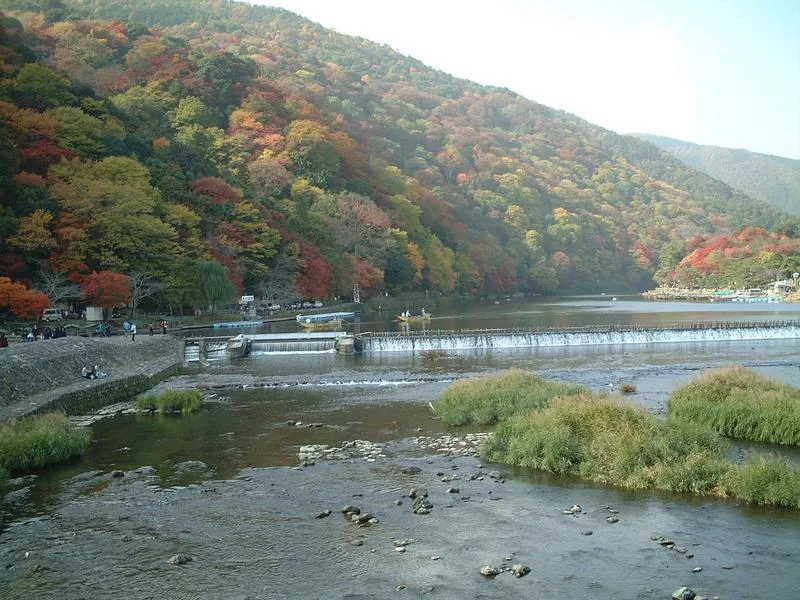
Arashiyama is the only place on the route that’s worth visiting literally at opening time, by 8 AM: by 10 AM bus tour groups start entering the grove, and that very quiet rustling of bamboo is replaced by a buzz of voices and selfie sticks. Entry to the grove is free, without any time restrictions.
Kinkaku-ji — The Golden Pavilion
The gilded temple over the pond is one of Japan’s most photographed spots, and for good reason: in calm weather, the reflection on the water creates a symmetrical shot without any Photoshop. Entry costs around 500 ¥, the route around the grounds is one-way and short — 20–30 minutes is enough.
The Philosopher’s Path
A stone path along the canal between Ginkaku-ji and Nanzen-ji, named after the philosopher Nishida Kitaro, who walked it every day on his way to university. During cherry blossom season, it's a continuous corridor of flowering trees over the water; at other times, it’s simply a peaceful walk past small temples and cafes.
Practical Logistics Tip for the Day
Arashiyama and Kinkaku-ji/The Philosopher’s Path are in different parts of the city — there's 30–40 minutes by bus or taxi between them. It makes sense to get a one-day bus pass (around 700 ¥) — with 3–4 trips per day, it pays for itself by lunchtime.
 1 / 3
Shinkansen Kyoto — Osaka
The shortest transfer of the route — about 15 minutes by shinkansen or 45 minutes on local lines (JR or Hankyu), which are noticeably cheaper. For a single leg of this length the local line is more sensible — the saving is tangible, and the difference in time is insignificant.
Osaka Castle
Inside is a historical museum with an elevator up to the observation deck on the top floor, around it is a park, in cherry blossom season one of the best in the city for hanami (a picnic under blooming trees). Entry to the castle itself is about 600 ¥, the park grounds are free.
Dotonbori in the evening
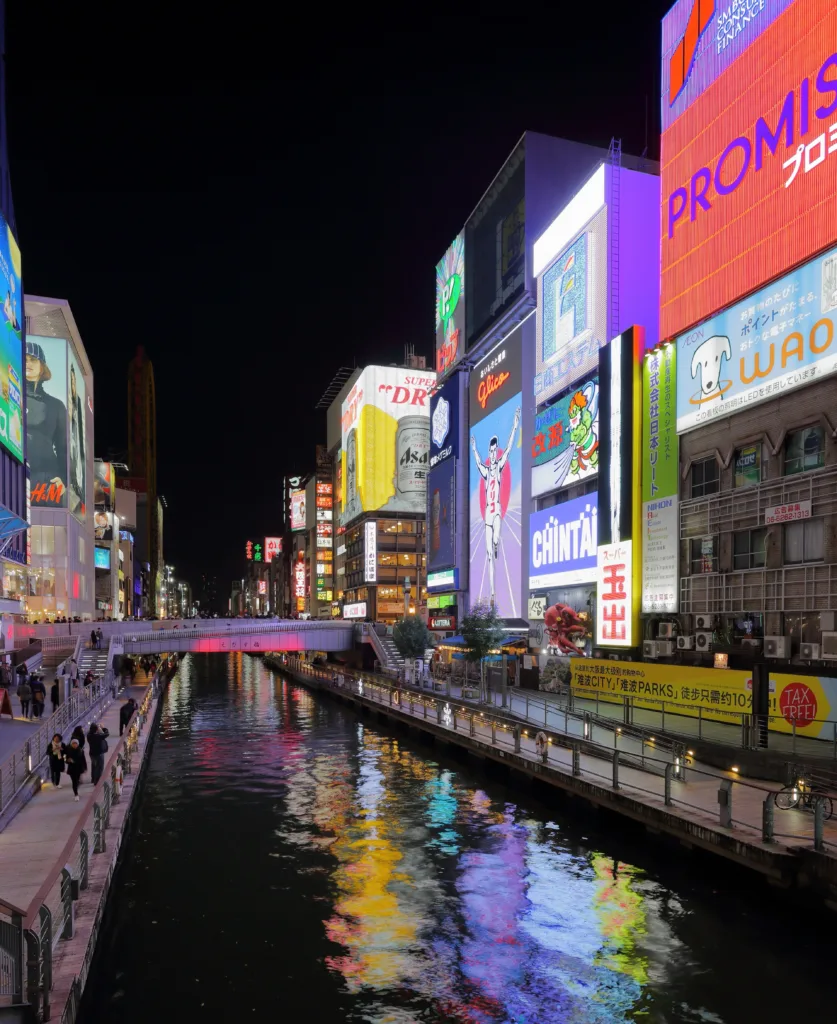
The city's main gastronomic street along the canal, famous for the neon sign of the running Glico man. Takoyaki (dough balls with octopus) and okonomiyaki (a savory pancake with everything) are what people come here for specially; take portions from different stalls rather than sitting down in the first establishment you come across — the street format here is more interesting than the restaurant one.
Shinsaibashi for a nightcap
A covered shopping street next to Dotonbori — if you have energy left for shopping or simply a walk under a roof in case of rain.
 1 / 3
Getting to Kansai
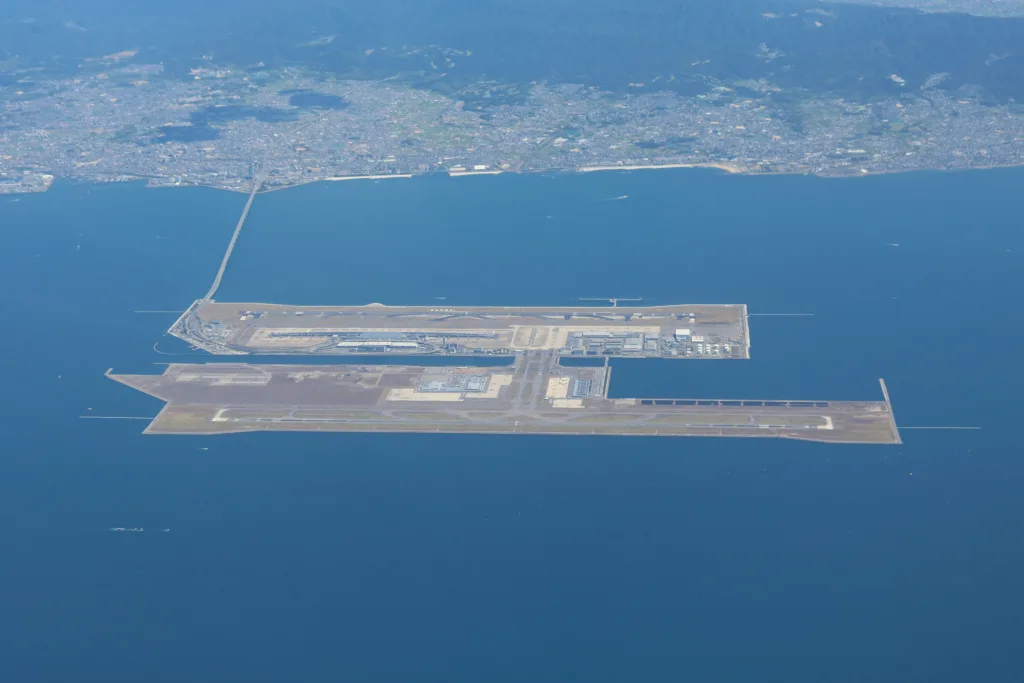
Kansai Airport (KIX) is located on a man-made island in the bay; the easiest way to get there is by Nankai Airport Express or JR Kansai-Airport Rapid Service – about 45–50 minutes from central Osaka. Allow at least 3 hours before your flight, factoring in check-in and morning traffic.
Last-Minute Shopping
There’s a decent selection of shops in the departure zone at KIX with local sweets and cosmetics for gifts; prices aren't significantly different from those in the city, so you don’t have to worry about leaving your shopping until the last minute.
Route Summary
7 days, 4 overnight stops, no internal flights – Tokyo, a volcanic resort, the old capital, and a gastronomic metropolis of southern Japan. A detailed breakdown of the budget and practical lessons learned are in the postscript below.
Off the Beaten Path Notes
If you have a choice of traveling in April or any other month – the cherry blossoms are worth it, but be prepared for crowds. We miraculously caught the bloom (the window is short, and it's hard to predict even 2–3 weeks in advance), and Ueno and along the Philosopher’s Path in Kyoto were packed. Outside of cherry blossom season, things are quieter, accommodation is cheaper, and you avoid the stress of predicting the blooming dates.
JR Pass: Calculate Yourself, Don't Buy It By Default
We didn't buy a JR Pass for this trip – and we don’t regret it. Direct Shinkansen tickets from Tokyo to Kyoto to Osaka came out cheaper than the pass, even considering local trains, and the Odakyu line to Hakone and the Kintetsu/Hankyu lines in the Kansai area aren’t covered by the pass anyway. If your itinerary includes more long-distance Shinkansen journeys – calculate carefully: economics change quickly.
Money & Communication
An IC card (Suica or Pasmo) is the first thing you should get at the airport: it works on subways, buses, *combini*, and most vending machines, and can be topped up at any station. Cash is still needed – some smaller *ryokan*, temple shops, and street food stalls in Dotonbori prefer cash. We installed an eSIM before we left home — it worked reliably everywhere except for underpasses in Shinjuku.
Traveling with a Child
The most challenging part of the trip was the long walking days in Kyoto – Fushimi Inari and Arashiyama add up to around 12–15 kilometers per day. On the third day, we deliberately made a lighter program (just Hakone, no temples) — this helped us recover. My child remembers teamLab Planets best: interactive experiences are enjoyable at any age.
Actual Budget
For a family of three (2 adults + 1 child), excluding flights to Tokyo and back from Osaka: accommodation – around RUB 38,000 for the entire route, transport (Shinkansen + local lines + IC card) – around RUB 21,000, food – RUB 24,000, entrance tickets and teamLab – RUB 6,000. Total is about RUB 89,000 without flights — matches our initial estimate, only the food was more expensive because we couldn't resist having *kaiseki* twice instead of once.
What’s Next
A logical continuation would be the "Sakura Tour" route if you want to add regional *hanami* spots outside the "golden triangle", or to explore Japan as a whole — climate, visas, and budget by season.
Route as PDF
A printable report with a map and a detailed day-by-day plan (city, transport, what to see, hotels) — save it as a PDF (Print → Save as PDF) or print it for the road.
🖨 Print / Save as PDFGenerate your own route
Fill in the parameters — the AI will build a plan and email you a PDF.
✨ Open the route generator0 questions
No questions yet. Ask the first one — the author and fellow travelers will help.