Koh Lipe — an island without a single car in southern Thailand: the Thai Maldives, diving at the reef, a ferry visa run to Langkawi and seasonal features that are rarely written about.
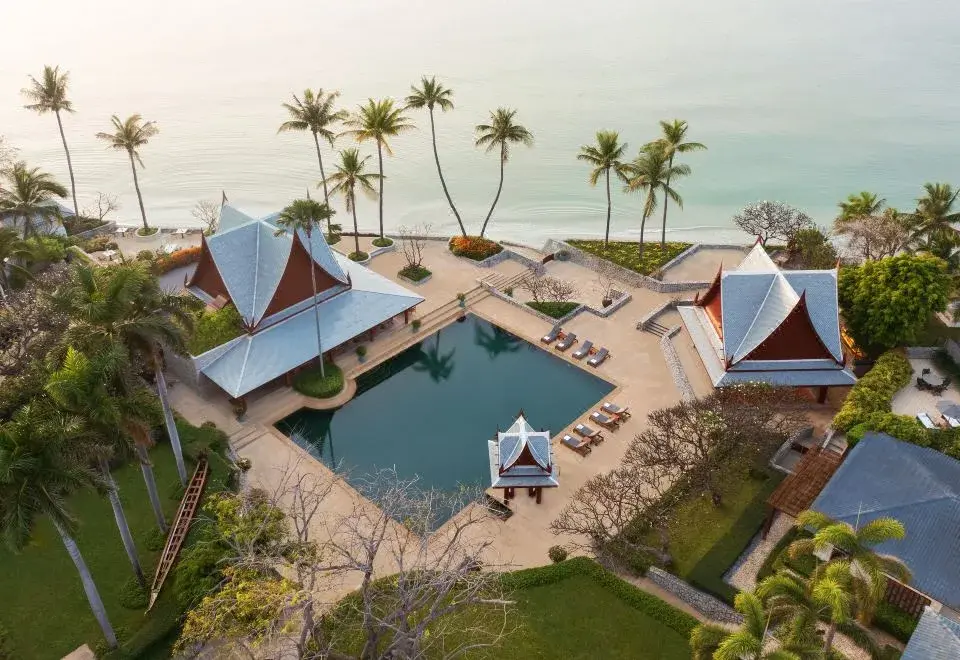
There is not a single car on Koh Lipe. None at all. The island’s only transport is the locals’ motorbikes and your own feet, and the main “highway” is Walking Street, a sandy street a couple of meters wide, which by day sells fresh seafood and in the evening lights garlands over restaurant tables right on the sand. That is exactly why those who have already toured Phuket, Samui and Krabi and are tired of the noise of bikes and tourist buses call Koh Lipe the Thai Maldives — and, perhaps for the first time in life, the comparison is no exaggeration.
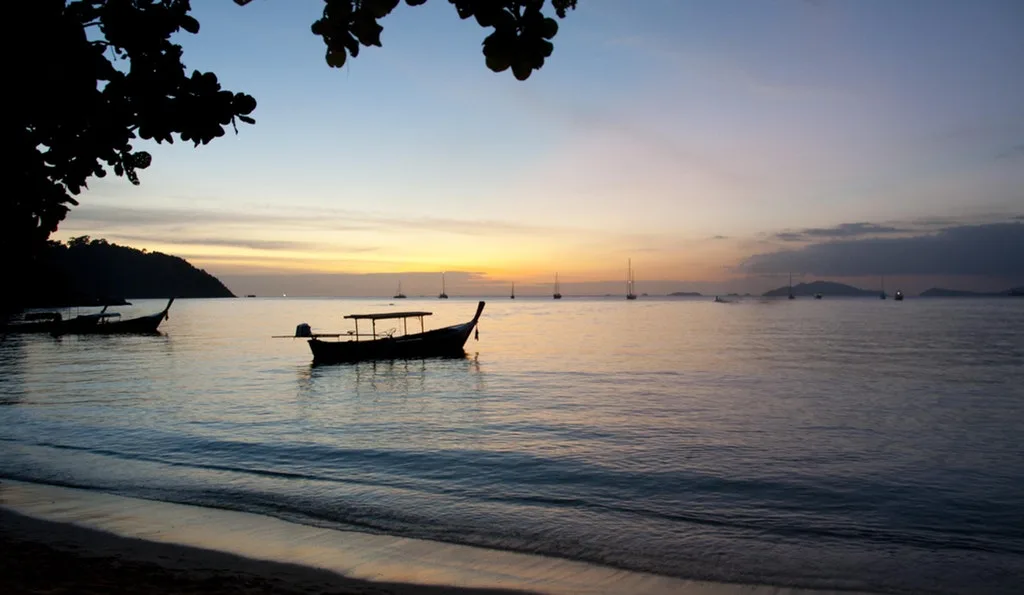
An island you physically cannot reach by car
The absence of car traffic is not a marketing touch but a literal physical reality: Koh Lipe is so small that all of its infrastructure fits within walking distance. In the morning — longtail fishing boats pulled up onto the sand, by day — vendors of mango and freshly squeezed juices on Walking Street, in the evening — barbecue right on the restaurant piers, where they show you the catch of the day and twenty minutes later serve it grilled. It is that rare Thai island where tourist infrastructure has grown but has not crushed the unhurried rhythm of the fishing village that Koh Lipe was, by historical standards, very recently.
Beaches: three sides, three moods
The island is roughly divided into three beaches of completely different character. Pattaya Beach (not to be confused with the city of the same name on the mainland) is the liveliest, with bars, a boat station and Walking Street a few steps away: people come here for the action. Sunset Beach in the west is the opposite: small, quiet, exactly the beach for which it is worth coming specially at sunset with a mat and not planning anything else for the evening. Sunrise Beach in the east, in the northern part of the island, is calmer than Pattaya but livelier than Sunset — a golden mean for those who want both beach peace and proximity to cafés.
The underwater world here is as strong a reason to visit as the beaches themselves: the reefs right off Sunset Beach and around the neighboring islets of Koh Usen and Koh Kra offer enough bright corals and fish even for those who simply put on a mask from the shore, and the dive schools at the hotels accept both beginners without certification and experienced divers planning several dives in a row.
How to get there
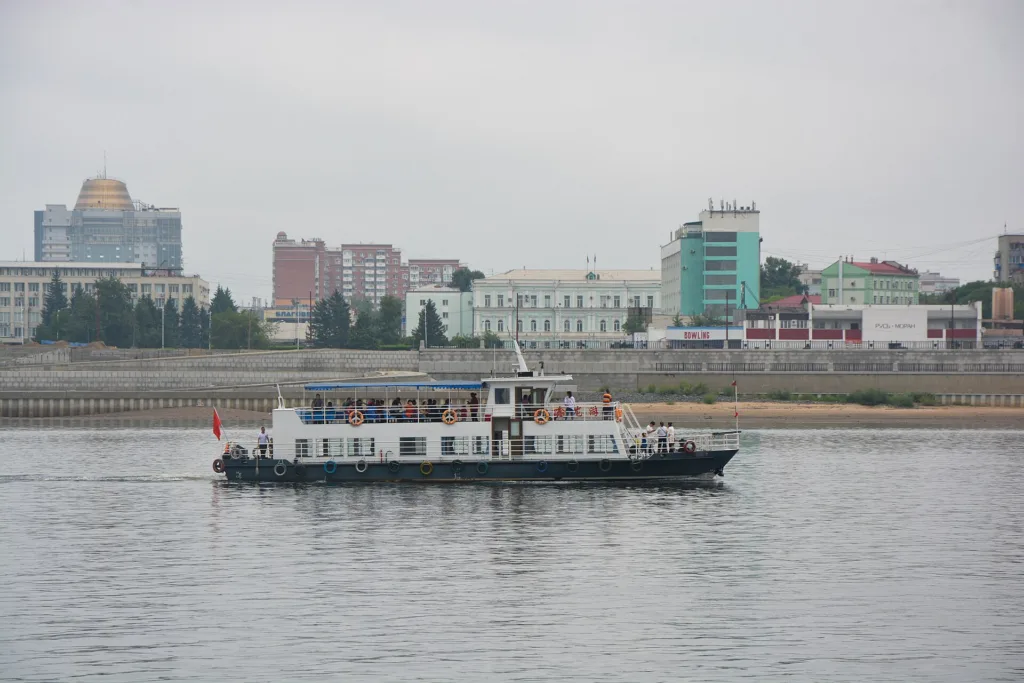
There is no direct bridge or airport on the island — only water. The main routes from the mainland: a speedboat from Pak Bara pier in Satun province (the shortest sea crossing, about an hour and a half), a ferry from Hat Yai in Trang province (about two hours in high season) and longer combinations via Phuket, Krabi or Lanta with a transfer. A separate route, unexpected for many, is from the Malaysian side: ferries run between Koh Lipe and Malaysia’s Langkawi island twice a day, but only in high season, from October to June.
An important nuance for low season (roughly mid-April to November): because of stronger sea swells, speedboats from Phuket, Krabi, Koh Lanta and Trang stop running altogether, and the only working route remains Pak Bara. When planning a trip in this period, build it into your logistics in advance and do not count on the usual high-season grid of routes.
A hidden bonus for long-term travelers: a visa run via Langkawi
For those who live in Thailand for long periods and from time to time extend their stay by leaving the country, the ferry route Koh Lipe — Langkawi and back is a working and at the same time truly pleasant border run option. When leaving for Langkawi an exit stamp from Malaysia is placed in the passport, and on returning to Koh Lipe a new 30-day entry stamp for Thailand. In essence, instead of a boring day in a queue at a land border crossing you get a full excursion to the neighboring Malaysian island with its own beaches and duty-free — and an extended Thai stay as a bonus. Check the current visa-free entry rules and the availability of visa on arrival at the time of the trip: for some nationalities such a stamp on arrival is not issued on Koh Lipe, and the course of action must be thought out in advance.
How much it costs
Koh Lipe is not Thailand’s most budget island, and the difference is tangible right at the entrance: accommodation prices here are noticeably higher than on neighboring islands of comparable size, precisely because logistics are harder and demand is consistently high. In high season (November–March) a simple room with a fan in a guesthouse is from 1,000 ฿ a night, a room with air conditioning and hot water from 1,500 ฿, and the cheapest option — a tent at a campsite — about 500 ฿. In low season accommodation prices fall by about half, but only some hotels are open — it is worth checking in advance that the chosen place works at all in the shoulder season. Meanwhile food in local cafés remains quite affordable even by modest-budget standards — it is the combination of “expensive accommodation, reasonable food” that most often surprises those who plan a budget by the usual standards of mainland Thailand.
What to do besides lying on the beach
Even on an island without a single car you will not be bored. The most popular excursion is a longtail tour around the neighboring islets of Tarutao National Park: in one day the boatman usually takes you to 3–4 spots each with its own character — somewhere a snorkeling reef literally a couple of meters from the boat, somewhere a tiny uninhabited beach where only a couple of groups a day wash up. The evening market on Walking Street deserves separate attention: not so much shopping as a gastronomic attraction — grilled seafood is cooked right in front of you, and the price of a crab or cuttlefish can be discussed on the spot while watching it being weighed. For those who have dived before, the island has several dive centers with daily trips to more distant spots — the reefs at Koh Adang and Koh Rawi are considered among the best in this part of the Andaman Sea, but they are usually reached not from the shore but by boat on a separate tour.
Yoga at dawn on Sunset Beach, a massage in the shade of casuarinas at the water’s edge, a chat with a fisherman who will show you where octopuses live on the reef — on Koh Lipe the day’s program makes itself, without the need to book excursions in advance on a schedule, as is often the case on more heavily promoted islands.
When to go
High season is November to April: calm sea, sun, the whole transport network works in full. Low season, May to October, is the season of rains and rough seas: some hotels and restaurants close, boats run less often and only from one pier, but both prices and crowds of tourists are noticeably smaller for those willing to risk the weather for the sake of quiet and discounts.
FAQ
Do I need to prepare for the fact that there are no cars on the island? No special preparation is required — the whole island is walked in 20–30 minutes one way, and luggage from the pier to the hotel is usually delivered by cart or motorbike by the hotel’s own staff.
Is it true that Koh Lipe is the Thai Maldives? The comparison is more about the feeling of clear water and white sand than a literal similarity — but by the sum of water, beaches and absence of bustle the island really stands out even against the background of other good islands of Thailand.
Can I get to Koh Lipe from Russia in winter directly? No, the island has no airport of its own — you fly to Phuket, Krabi or Hat Yai, and then get by bus or transfer to one of the ferry piers and from there by boat.
Does a trip to Langkawi work as a visa run all year round? The ferry connection with Langkawi operates only in high season (October–June) — at other times the route is unavailable, and for leaving you need to consider other border crossings.
Is it worth going to Koh Lipe with children? Yes, the calm, shallow entries on parts of the beaches and the island’s generally safe, uncrowded atmosphere suit families well — but bear in mind that there is no developed infrastructure like water parks or large children’s clubs here: it is an island for a quiet beach holiday, not for active entertainment.
Ferry schedules, prices and visa rules change by season — check the current information before your trip.