Why Da Lat is a “Different” Vietnam
Located on a plateau at an altitude of about 1500 meters, Da Lat avoids the oppressive humid heat that plagues tourists almost everywhere else in the country — it’s cooler, fresher, and the city was once a mountain resort for French colonists, which is still noticeable in its architecture. This is why Da Lat is often called the “Vietnamese France” or the “city of eternal spring”: pine forests, lakes, and a climate that’s comfortable to wander around all day sharply contrast with the coast. The city is also known as one of Vietnam’s coffee capitals — plantations in the surrounding area grow arabica, which is rare for the rest of the country where robusta predominates.
Crazy House: Architecture That’s Hard to Describe
The most recognizable landmark in the city is Crazy House (Hang Nga Villa), a building-sculpture designed as a fantastical tree with winding staircases, bridges, and themed rooms inside whimsical towers. Admission costs around 80,000 dong (about $3.20 USD), and the building itself is about one and a half kilometers from the center — you can walk. Allow an hour to an hour and a half for sightseeing: the space is small but so atypical that you’ll want to examine every corner.
Langbiang Mountain and Waterfalls
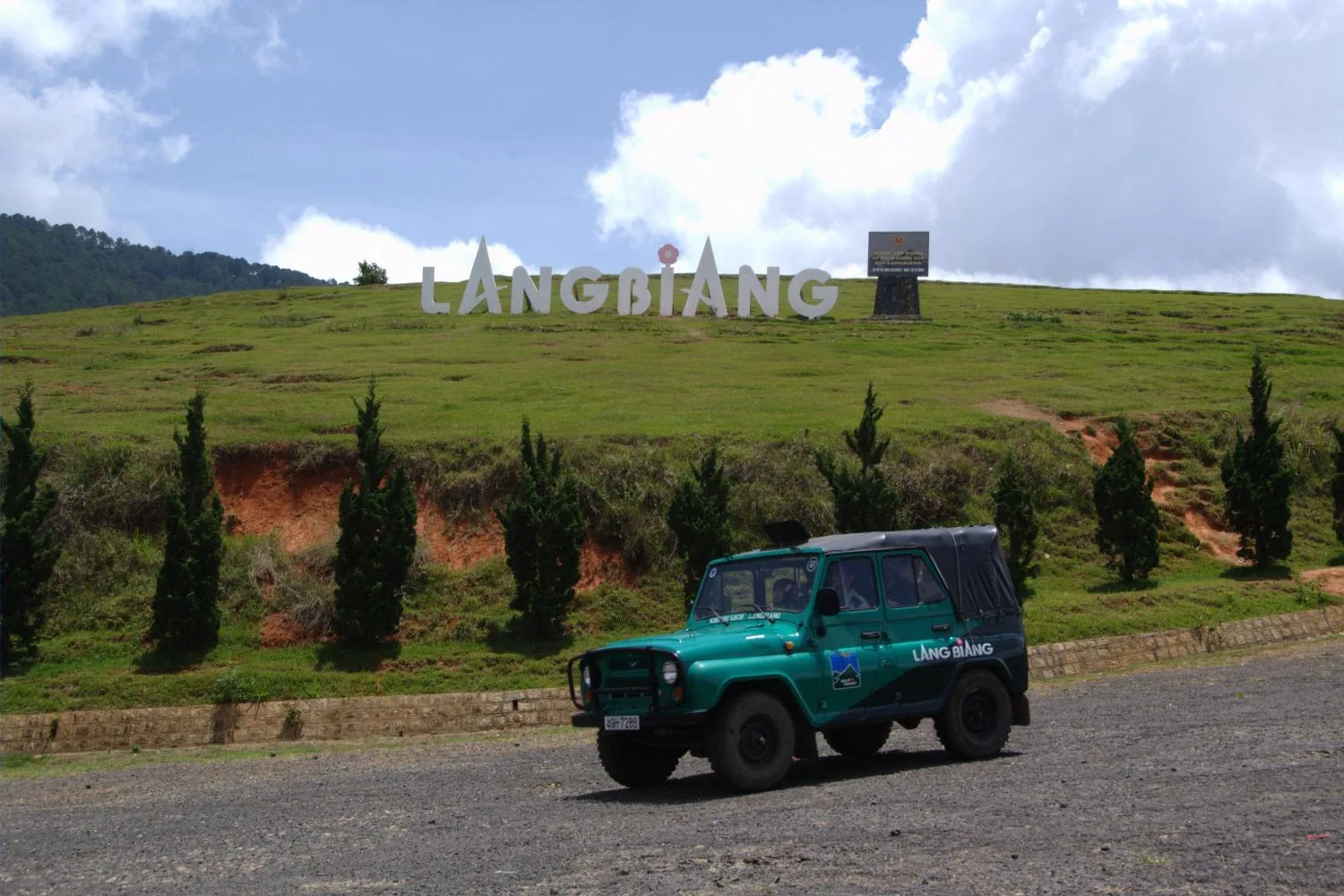
Langbiang is a mountain 2167 meters high, roughly 12 km from the center, where people go for panoramic views of Dalat and its surroundings. A full-day trek with a guide costs from $57, but if you don’t feel like climbing all the way, you can easily hike to the viewpoint on the middle slope in just a couple of hours without a guide or extra expense. Among the waterfalls in the area, Prenn, Datanla and Pongour are the most popular; Datanla is particularly convenient logistically — 6 km from the center, with a cable car and alpine slides that take you straight to the water.
Canyoning: Adrenaline for those tired of temples and beaches
The rivers around Dalat are one of the few places in Vietnam where they offer full canyoning: rappelling down waterfalls, jumping from rocks into natural pools, sliding on natural water slides. The tour costs $60–70 per person, usually takes most of the day and includes equipment and instruction — no experience is required, but physical fitness and a lack of fear of heights will definitely come in handy.
How much time to allocate
If your travel time is limited, three days are enough to visit Crazy House, hike lightly up Langbiang and see one of the waterfalls. If you want to add canyoning and a more relaxed pace with time for coffee shops and simply strolling around the city, allow five to seven days.
Practical checklist
- Crazy House — about 80,000 dong, just over a mile from the center, allow an hour and a half for sightseeing.
- Langbiang lightly to the viewpoint — a couple of hours without expense, full trek with a guide — from $57.
- Canyoning with jumps and rappelling — $60–70, a whole day, no experience needed.
- Minimum time for the city — 3 days; for a relaxed pace including canyoning — 5–7 days.
- Dalat is a rare place in Vietnam where they grow arabica coffee, not the robusta that predominates in the country.
Frequently Asked Questions
How much does it cost to enter Crazy House?
About 80,000 dong (roughly $3.2), the building is a mile and a half from the city center.
Do you need a guide to climb Langbiang?
Only if you want to reach the summit — full trek with a guide from $57. You can hike to the viewpoint on the middle slope yourself for free.
Do you need experience for canyoning?
No, instruction and equipment are included in the tour, but physical fitness and a lack of fear of heights will be useful.
How Many Days Do You Need in Da Lat?
A minimum of 3 days for the main sights, 5–7 days if you want to add canyoning and a relaxed pace.
What’s Next
Check out the guide to egg coffee and coconut coffee and sort out visa requirements before you go.
Ticket and tour prices vary by season and operator—check the latest information before booking.