Tet 2027 in Vietnam (6 February): traditions, flowers and cakes, Hanoi, Ho Chi Minh City, Hue, the Perfume Pagoda, transport and what is closed — a practical guide to the Vietnamese New Year.
Vietnam during Tet is a country that freezes for a week and blossoms at the same time. The streets of Hanoi smell of peach blossom and incense smoke, whole gardens spring up on the squares of Ho Chi Minh City, in villages people boil cakes and listen to firecrackers crackling in the yards, and on the roads tens of thousands of motorbikers haul golden kumquats home, tied to the luggage rack. Tet Nguyen Dan — the Vietnamese New Year by the lunar calendar — falls on 6 February in 2027. It is the country’s main holiday, the time when Vietnamese return to their families, give each other red envelopes and ask their ancestors and gods for luck for the new year. For a traveller Tet is a rare chance to see the real Vietnam without the glossy tourist picture. But there is a price too: closed shops, packed trains and soaring prices. Let’s look at what happens in these days, where to celebrate and how to plan everything.
- Date: 6 February 2027 — the first day of the year; the eve is 5 February.
- Year: of the Goat.
- Main symbols: a blossoming peach branch in the north, yellow apricot mai in the south and centre, a kumquat tree, banh chung and banh tet cakes, red envelopes.
- Official days off: the number of days and swaps for 2027 are announced by the Vietnamese government, usually a few months ahead; check.
- What is closed: many shops, markets, restaurants and cafés for several days; tourist places and hotels, as a rule, work.
- Main tip: book transport, accommodation and domestic flights in advance and don’t plan complicated connections on the days of Tet.
What Tet is and why it matters most
The word “Tet” is short for “Tet Nguyen Dan”, which roughly translates as “the first morning”. The holiday is tied to the lunisolar calendar and falls at the end of January or in February, coinciding in time with Chinese New Year. But Vietnamese Tet is not a copy of the Chinese tradition: it has its own dishes, its own flowers, its own legends and its own rhythm. For Vietnamese it is more important than any other holiday: this is a time of reconciliation, of returning home and of remembering ancestors. The house is cleaned, people try to repay debts and forget quarrels, and treats for departed relatives are set out on the family altar. The idea is simple: how you greet the year is how it will be.
Preparation: three weeks before the holiday
Tet begins not on the first day but much earlier. On the twenty-third day of the last lunar month the Ong Cong Ong Tao ritual is held — seeing off the kitchen gods. According to legend, these spirits ascend to heaven to report to the Jade Emperor on the family’s affairs over the year; their “transport” is a carp, which is released into water on this day. From this moment real preparation begins: whitewashing walls, cleaning, buying flowers, food and gifts. Markets seethe in these days, queues form in the flower rows, and the roads fill with motorbikes carrying huge planters. If you arrive a week before Tet, you will see the liveliest time: noise, bustle and red everywhere.
The symbols of Tet: flowers, fruit, cakes
Peach and apricot. In the north the main flower of Tet is a branch of blossoming peach (dao) with pink flowers; in the south and centre of Vietnam — the yellow mai, similar to a blossoming apricot. The shade of the flower reflects the climate: in the north it is cool in winter and the peach manages to bloom by the holiday, in the south it is always warm, and the golden mai flowers symbolise wealth.
Kumquat. A small tree with orange fruit stands in almost every home: the more fruit, the more prosperity in the new year.
Banh chung and banh tet. Square banh chung cakes of glutinous rice, pork and beans, wrapped in leaves, are traditional in the north; in the south cylindrical banh tet are more often made. They are boiled for many hours, and the whole family gathers by the pot, listens to stories and makes sure the fire doesn’t go out.
Five fruits. A tray with five kinds of fruit is placed on the altar; the set and order differ by region and interpretation.
Red envelopes. Children receive money in red “li xi” envelopes — with wishes of health and luck. Foreign guests too are often given symbolic envelopes, and they should be accepted with both hands.
The first days of the year: customs and taboos
The first day is the most important. According to belief, whoever is first to cross the threshold of the house in the new year determines the luck of the whole family; so a person chosen in advance, whose sign and character are considered auspicious, is often invited. The first days are customarily spent with family, going to pagodas and temples, asking for blessings and greeting elders. There are also restrictions: in the first days the floor is not swept so as not to sweep away luck, people try not to quarrel or swear and not to speak ill words. Guests are met with tea, sweets, seeds and fruit jelly; it is impolite to refuse, and you should take with a smile. The greeting is “Chúc mừng năm mới” (“Chuc mung nam moi”), or “Cung chúc tân xuân”.
Where to celebrate Tet
Hanoi: the flower market and Hoan Kiem Lake
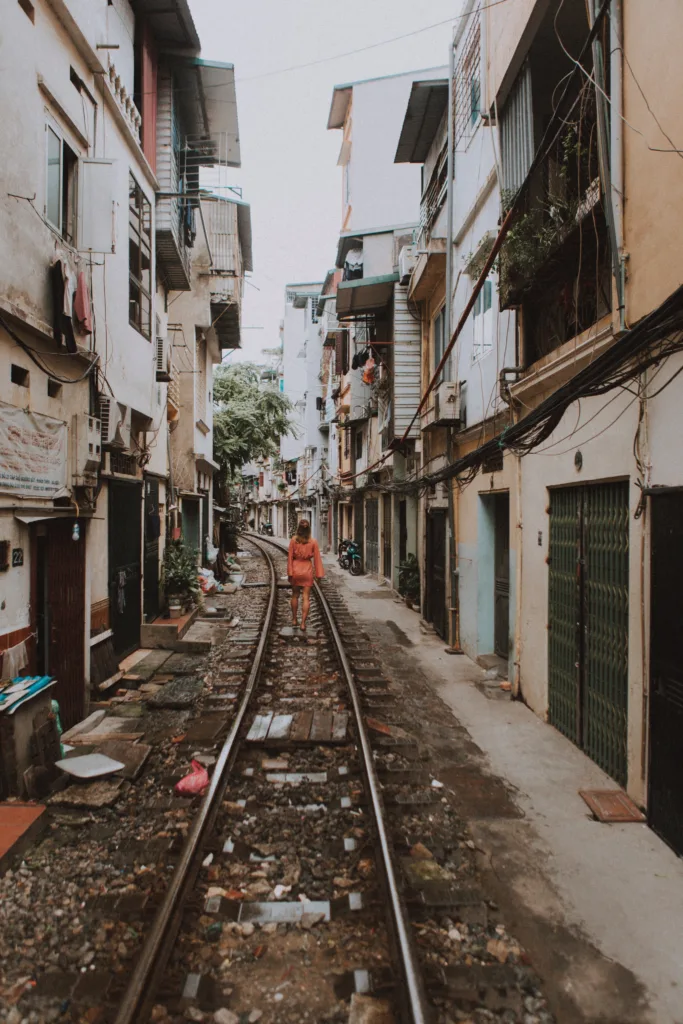
The capital is the best choice for those who want to feel the northern version of the holiday. On the eve of Tet the city is decorated with flowers and red lanterns; peach branches and kumquats are sold at flower markets, and a festive programme runs along Hoan Kiem Lake. At midnight Hanoi usually stages fireworks — the exact places and format are clarified every year, so look at the official announcements. By day in the first days the streets are unusually quiet, but the Temple of Literature and other places come alive: people come to pray, and students ask for luck in exams.
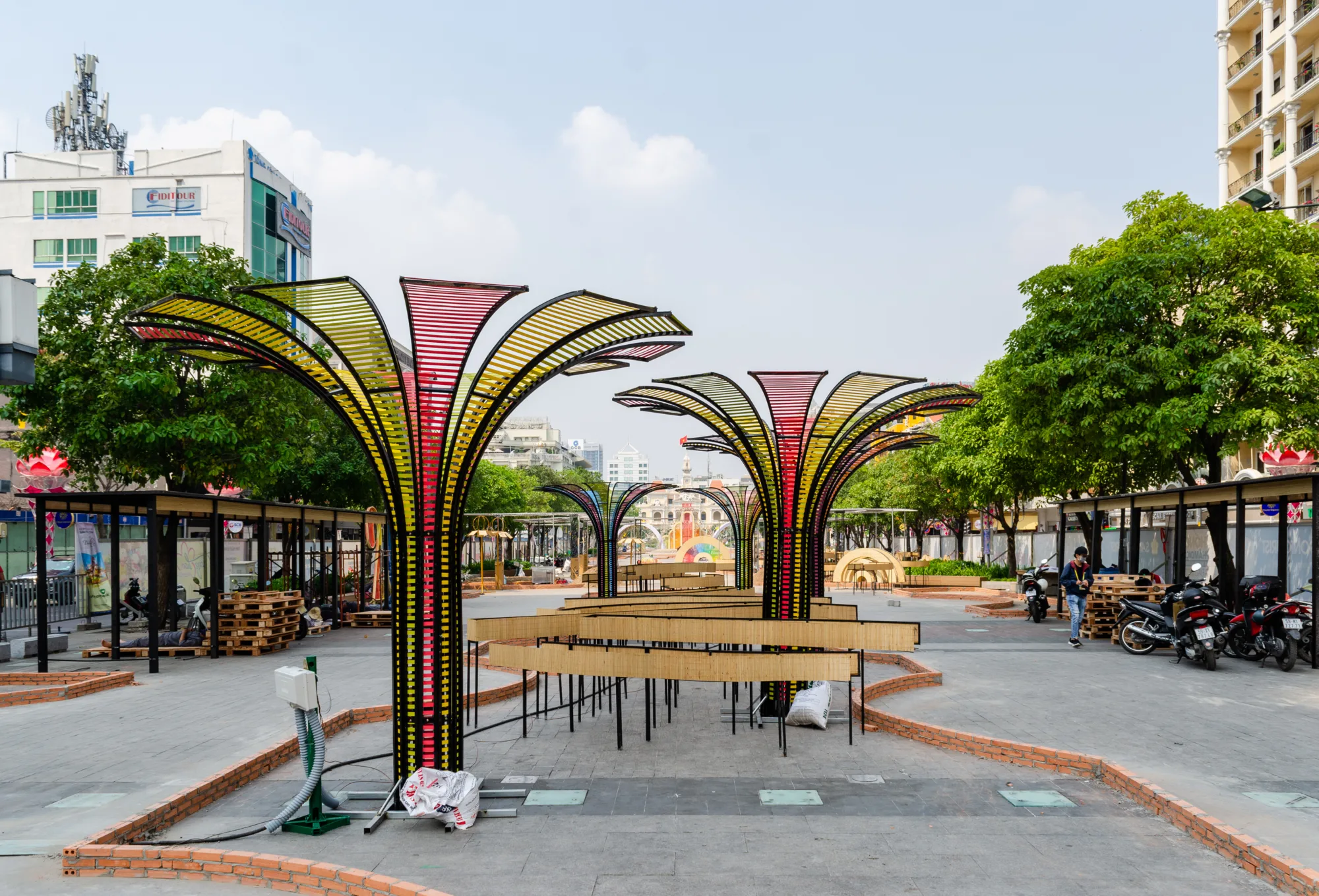
Ho Chi Minh City: the Nguyen Hue flower street
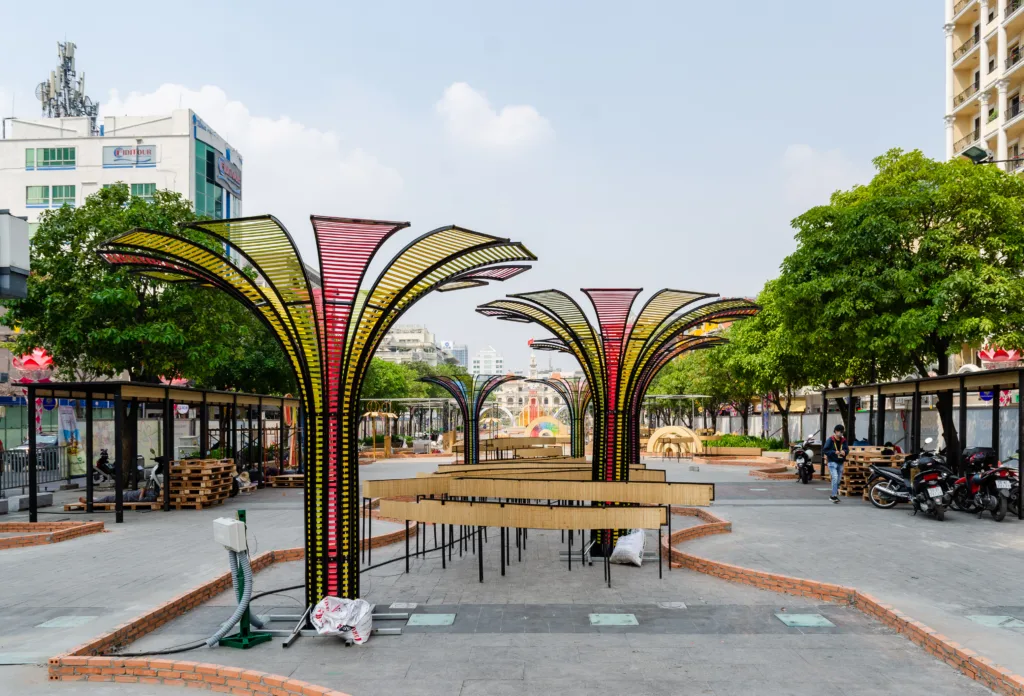
The south greets the holiday in its own way: in the centre of the city, on Nguyen Hue Street, a flower exhibition opens before Tet where whole themed compositions are built from live flowers. This is one of the most beautiful and most crowded places in the country on festive days: families with children, couples, tourists and photographers — all together. Come in the morning or late in the evening to avoid the strongest crush, and keep your belongings with you: pickpocketing is possible in the crowd.
The Perfume Pagoda: the spring pilgrimage season
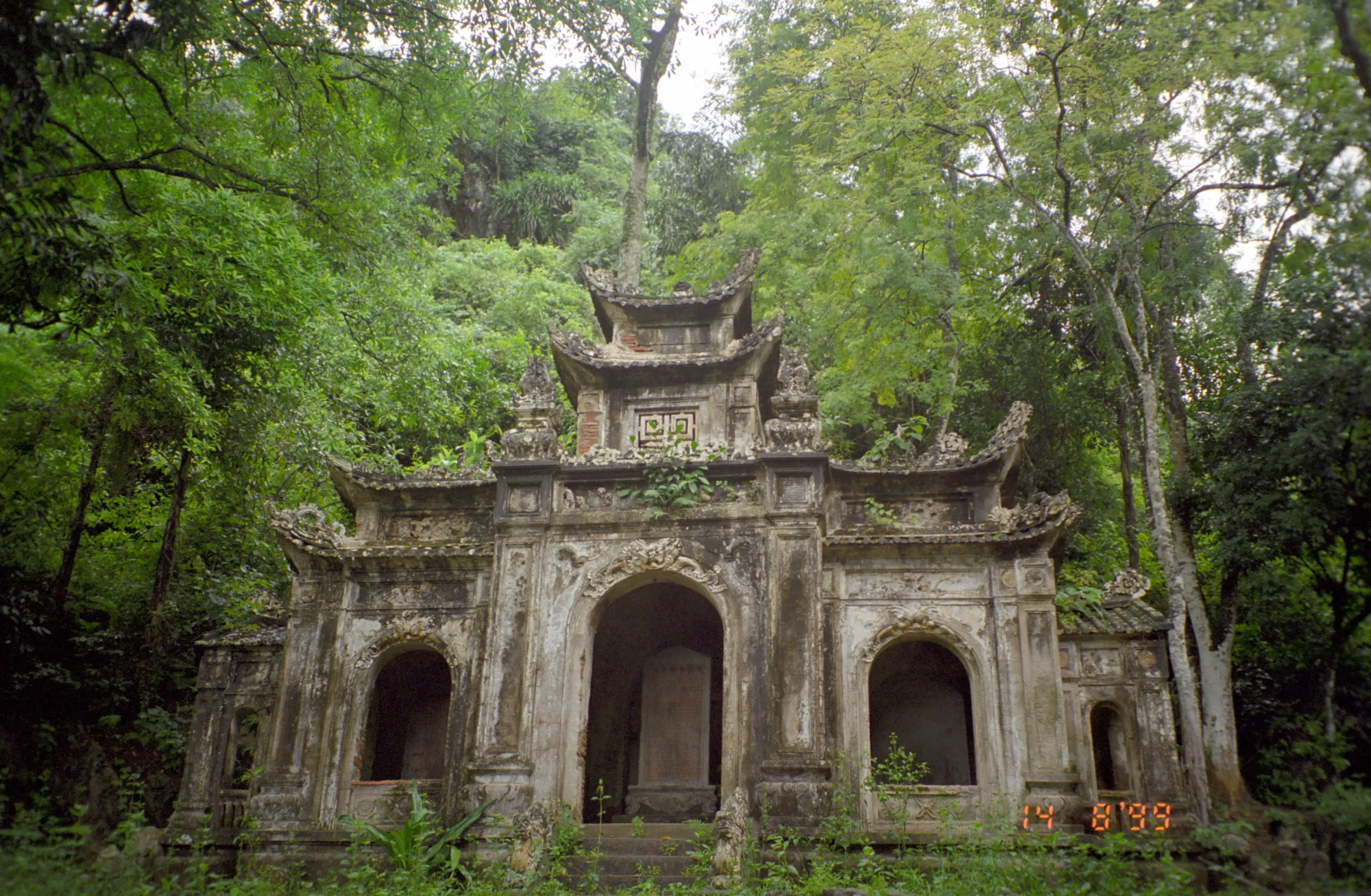
Not far from Hanoi is the Chua Huong complex, known as the Perfume Pagoda. From the first weeks of the year, pilgrims traditionally head here: by boat along the river, then on foot or by cable car up into the mountains to the cave shrines. The pilgrimage season lasts several weeks, and on peak days there are huge queues here — so it is better to choose a weekday and go early. Clothing should be modest, shoes comfortable; respectful behaviour and silence in the shrines are mandatory.
Hue: the imperial capital
Vietnam’s old capital preserves a special atmosphere: ceremonies are held in palaces and pagodas, and traditional rites are observed more strictly here. It is a good option for those interested in history and culture and not only in the noise of the holiday. Most hotels work here, as in Da Nang, which makes the city a convenient base.
Hoi An and Da Nang
Hoi An at the holidays is still beautiful with its lanterns: the old town is bright and crowded. Read about the city’s special atmosphere in our article on the Hoi An lantern festival, and for the calendar of the country’s other events, see the overview of events in Vietnam in 2027.
Transport and prices: how to survive Tet
Tet is the most strained period for the Vietnamese transport system. Buses, trains and domestic flights are full weeks before the holiday, ticket prices rise, and seats are snapped up almost right after sales open. Rule number one is to book in advance. Rule number two is to avoid the days of the mass return: the last working day before the holiday and the day after the long weekend. Rule number three is not to build the schedule “tight”: allow a margin of time for connections. Taxis and ride-hailing services at peak hours work with interruptions and at increased rates. If you ride a motorbike, be careful: traffic is dense, and on the roads there are many drivers tired after festive feasts.
What is open and what is closed
Practically the whole national life winds down for several days: markets, small restaurants and cafés, shops and workshops close, because the owners leave to be with relatives. As a rule, hotels, large shopping malls, chain venues and some tourist restaurants continue to work, but hours and menus may be shortened. It is sensible to buy food and water in advance. Check the opening hours of museums and sights: some close on the first and second day of the year. If a specific restaurant or excursion matters to you, book in advance and confirm a day before.
Etiquette for guests
Vietnamese are hospitable, and at Tet this is especially noticeable. An invitation to a home is a sign of great respect: bring a small gift — fruit, sweets or tea — take off your shoes at the entrance and greet elders first. Red and gold are considered lucky; white and black are better not worn to someone else’s home at the holiday. Don’t give sharp objects, clocks or flowers in an odd number. If you are handed a red envelope, accept it with both hands and say thank you. Photograph people only with permission, and in temples and pagodas behave quietly and modestly: shoulders and knees covered, hat off.
The weather in February: what to wear
Vietnam stretches from north to south for almost fifteen hundred kilometres, so the weather at Tet is very varied. In Hanoi and on the northern coast it is cool in February, often overcast and drizzly: a jacket, a sweater and an umbrella will come in handy. In the northern mountains it is colder still, with frost possible in the morning. In Hue and Da Nang it is moderately warm but damp. In Ho Chi Minh City and the Mekong Delta it is the dry season: hot, sunny and almost without rain, so you need a hat, sunscreen and water. If your route runs across the whole country, take clothing in layers: from a T-shirt to a light jacket.
What to try at the festive table
The festive cuisine is a reason to come in itself. Besides the cakes, the table has boiled chicken, pork-knuckle rolls, sweet-and-sour pickled vegetables that offset the fatty dishes, candied fruit and nuts, and sweets made from lotus seeds. In southern families soup with bitter melon is popular — traditionally “so that sorrow goes away”. If you are invited into a home, try a little of everything: hosts are pleased by sincere interest. Restaurants that stay open usually offer a special festive menu; book a table in advance and check prices, because they are often raised for these days.
Safety and common sense
On festive days the streets are crowded, so watch your bags and phones in the crowd, especially at flower exhibitions and around Hoan Kiem Lake. Don’t leave belongings on motorbikes or in open baskets. Use only licensed taxis and trusted apps and agree on the price in advance. Pyrotechnics in cities are restricted by law, and spectacular fireworks are staged by the municipality; don’t buy or set off firecrackers yourself. Finally, don’t forget insurance: doctors are available on festive days, but private clinics may work reduced hours. And keep a couple of small-denomination banknotes: they will come in handy for red envelopes and small purchases.
Tet with children
The holiday is good for families: children love flower compositions, lanterns, street performances and, of course, red envelopes. Plan short outings of two to three hours with breaks for rest and cold drinks, take a light folding stroller or a baby carrier and don’t forget drinking water. On the most crowded evenings hold children by the hand and agree on a meeting place in advance in case you get lost. By day, parks and embankments are usually emptier, and in the evening it is better to come early, before the main crowd gathers.
When to come: before Tet, during it or after
A week before the holiday. The liveliest time: flower markets, preparation, noise and colour. Transport is already overloaded, but most establishments are still working.
In the first days. The quietest and most heartfelt time. Cities freeze, but there are many people in temples and on squares. Suitable for those ready for closed shops.
A week after Tet. Life returns to normal while the festive decorations remain; this is the most comfortable option for a first visit.
Routes
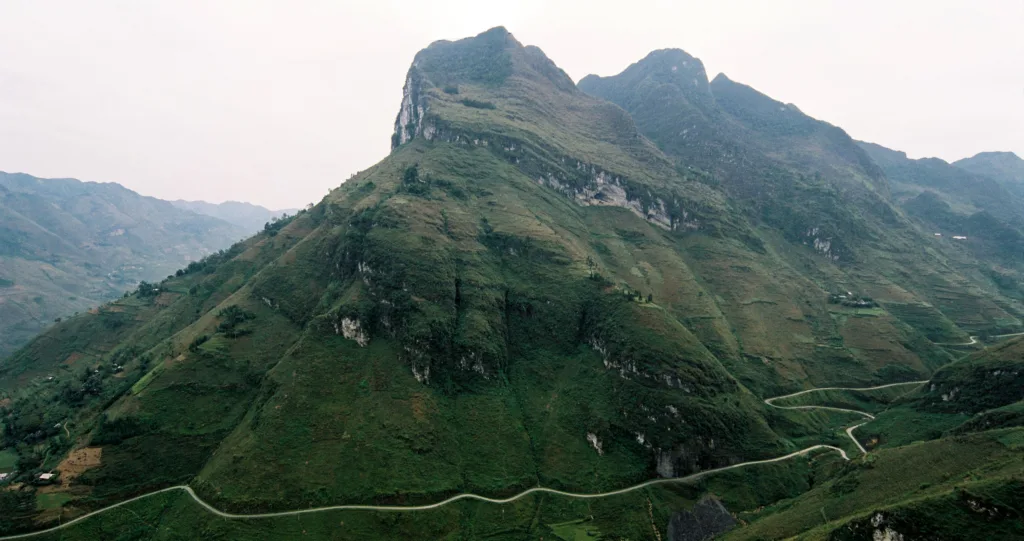
“North” — 7–9 days. Hanoi with its markets and lake, a trip to the Perfume Pagoda, then north or to Ha Long Bay; ideal for those who want to see a traditional Tet. For adventure lovers — the Ha Giang Loop, but remember that during the holidays roads are overcrowded and accommodation gets more expensive.
“South” — 6–8 days. Ho Chi Minh City with the flower street and canal walks; convenient to combine with a trip to the Mekong Delta.
“Across the whole country” — 10–14 days. Hanoi — Hue — Hoi An — Ho Chi Minh City; because of the load on transport you need tickets bought in advance and a margin of time.
Hotels for Tet
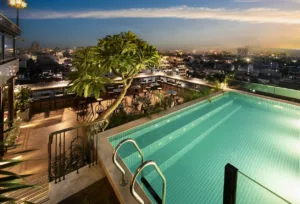
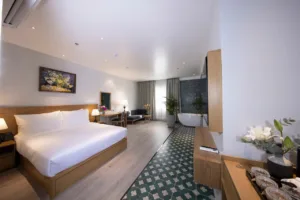
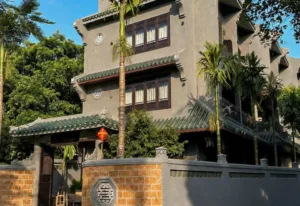
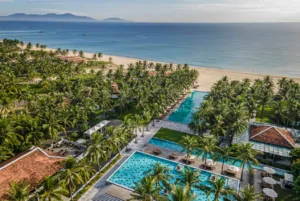
During the holiday days hotels fill up quickly and prices rise, especially in Hanoi, Ho Chi Minh City, Hoi An and Da Nang. Below is a selection from our database: look at the reviews and the “Hotel health” block, check the cancellation conditions and ask whether the hotel restaurant works on the days of Tet.
FAQ
When is Tet in 2027? 6 February 2027; the eve is 5 February.
How many days does Tet last? The official days off are announced by the government; traditionally the holiday lasts a week and longer, and everyday customs stretch over the first two weeks.
Is it worth going to Vietnam for Tet? Yes, if you are ready for closed shops and have booked tickets and accommodation in advance; otherwise it is better to come a week after the holiday.
What is it customary to give? Fruit, sweets, tea, red envelopes for children; don’t give sharp objects and clocks.
Where is it best to celebrate Tet? Hanoi for the northern tradition, Ho Chi Minh City for the flower exhibition, Hue for history and rites.
What should I try? Banh chung and banh tet cakes, candied fruit, the meat dishes prepared for the festive table.
Check the dates of official days off, opening hours and the events programme on official sources — they may change.