The Ha Giang Loop in Vietnam: 350 km by motorbike over the Ma Pi Leng Pass, the border permit, how many days you need, when to go and how to choose between riding yourself and a tour with a driver.
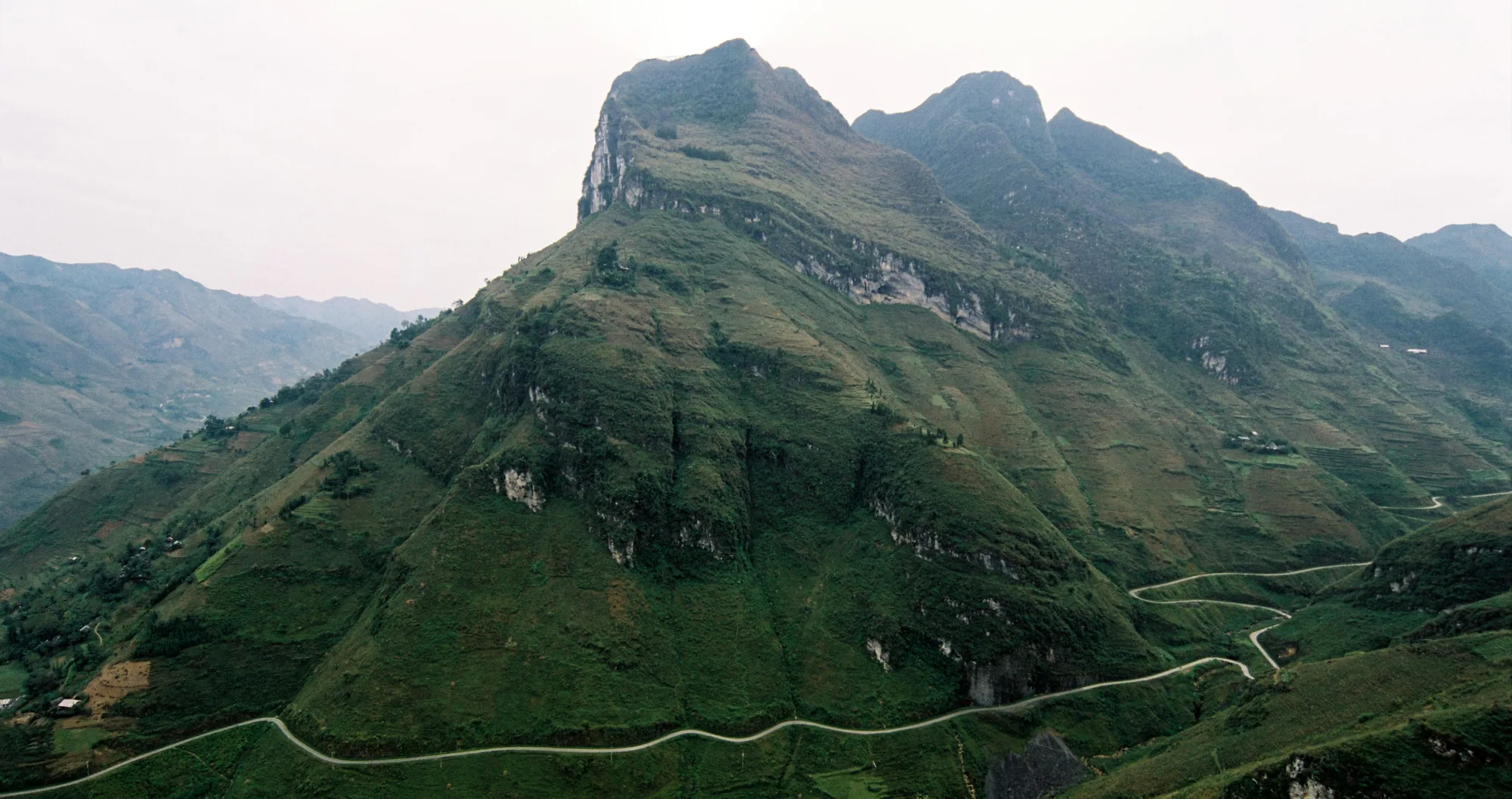
The road is cut right into the sheer wall of a gorge, on the left a kilometre-deep abyss at the bottom of which the Nho Que River glitters like a thin emerald thread, on the right limestone up which terraced fields climb, and ahead another bend, beyond which a view even better than the last opens up. If you are asked where in Vietnam riding a motorbike is truly frightening and truly beautiful, the answer will be one: the Ha Giang Loop, the country’s northernmost and wildest route, which in recent years has turned from a bikers’ secret into one of the main trends in Vietnamese tourism.
What kind of route it is
Ha Giang is a province in the far north of Vietnam, squeezed between mountains and the border with China. The classic loop starts in the town of Ha Giang and runs through Quan Ba, Yen Minh, Dong Van and Meo Vac, and then returns — about 350 kilometres in all, which because of mountain roads, scenic stops and the whims of the weather almost always stretch to three or four days. The scenery changes every half hour: limestone karst peaks give way to emerald rice terraces, and those to ethnic minority villages where people still wear traditional clothing and trade at Sunday markets.
Ma Pi Leng: the main attraction
The Ma Pi Leng Pass is the pearl of the whole route and one of the most spectacular mountain roads you can ride on a motorbike at all. A twenty-kilometre stretch winds in serpentines along the gorge slope, and below it, at a depth of more than a kilometre, flows the Nho Que River — from the viewing platforms it looks like a thin turquoise line. It is here that those very shots are taken that gather millions of views on social media. Plan stops unhurriedly: the best light is in the morning and closer to sunset, and in the middle of the day haze often gathers in the mountains and eats half the view.
The border permit: what you need to know
The loop runs along the Chinese border, so Vietnam requires foreigners to have a special permit for the border zone — it covers the whole classic route, including Ma Pi Leng, the Nho Que River and the Lung Cu flagpole. It costs about 200–250 thousand dong, and you can arrange it yourself at the Ha Giang immigration office or, much more simply, entrust it to the tour organiser — most hostels and agencies include arranging it in the price. Without a permit you can run into a check at a roadblock, so it is not worth saving on this item.
How to ride: yourself or with a guide
The most common format is a tour with a local driver, an “easy rider”: you sit as a passenger and an experienced local rides who knows every bend, hidden waterfall and the best spot for lunch. This is noticeably safer and lets you look around rather than at the road. Riding yourself is possible but requires real experience: the roads are narrow, drops have no guardrails, oncoming trucks and fog are commonplace, and falls happen regularly. If you decide to ride yourself, check whether you have the right category of licence and whether insurance is valid — read more about licences and rental in our article on road trips in Asia.
When to go
The most beautiful time is autumn: in September–October the terraces turn yellow before the harvest, and in October–November buckwheat with pink and white blossoms blooms on the slopes, which photographers from all over the country come for. In summer heavy rains with landslides come, in winter it can be cold and foggy in the mountains and sometimes even frost falls, so clothing should be taken in layers and definitely with a windbreaker — on the passes the temperature falls sharply.
Practical tips
Allow at least three full days: it is realistic to ride the loop in two days, but you will see mostly asphalt. Take a helmet and gloves — some organisers give only basic equipment. Cash is needed in advance: there are almost no ATMs in the mountain villages. Overnight stops are usually arranged in the homes of local residents — simple rooms, a shared dinner and rice wine, which is better tried in moderation if you are to get on the motorbike again in the morning. And separately: don’t try to ride the route in the rain if you are not sure of your skills — a wet serpentine above a precipice does not forgive mistakes.
FAQ
Do I need a permit for the Ha Giang Loop? Yes, foreigners need a border permit for about 200–250 thousand dong — arranged by the tour organiser or by you yourself at the Ha Giang immigration office.
How many days are needed for the loop? Ideally four days; with limited time you can fit it into three.
Can I ride the loop myself, without a guide? Technically yes, but the roads are difficult — narrow serpentines, drops, fog — so without experience of riding a motorbike in the mountains it is better to choose a tour with a driver.
When is it best to go? From September to November: yellow terraces and blossoming buckwheat, while the rains and landslides are not yet as dangerous as in summer.
How much does a tour cost? Three-day tours with a motorbike or jeep and a driver start at roughly 130 dollars and depend on the level of comfort and the size of the group.
Permit requirements, prices and road conditions may change — check current information before the trip.