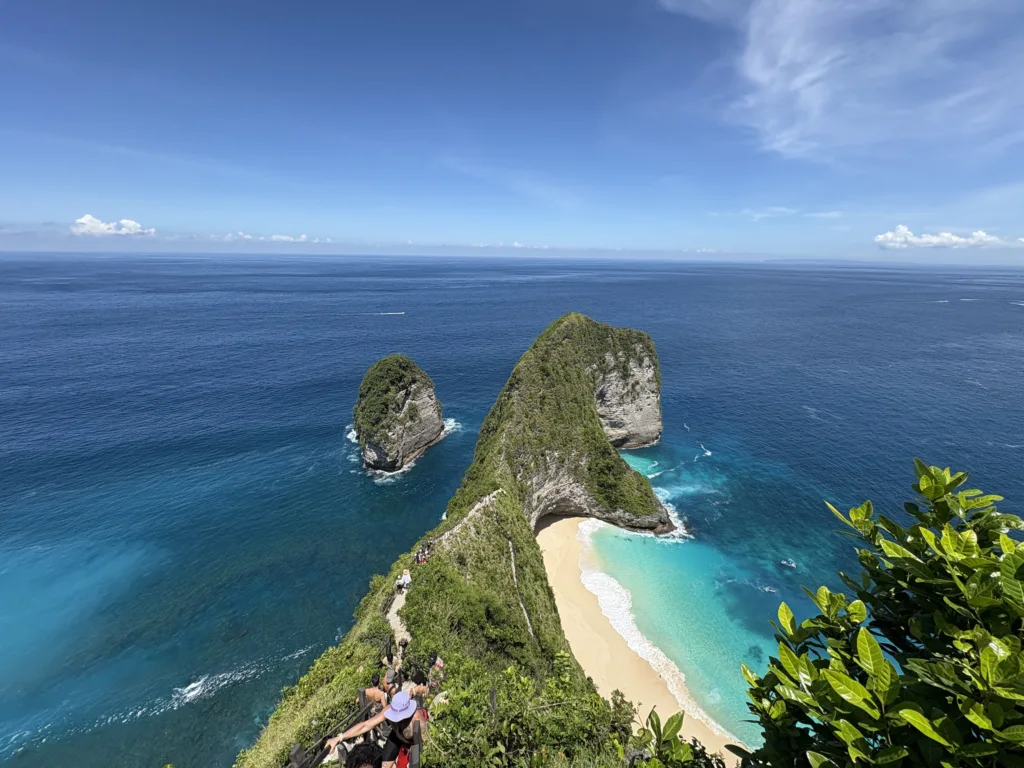
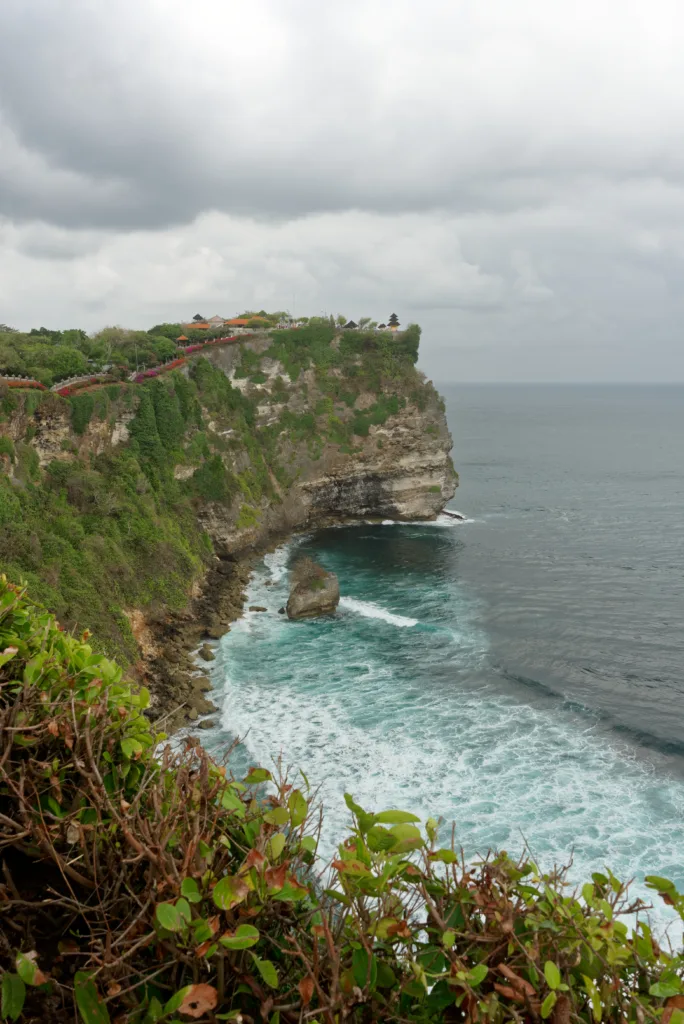
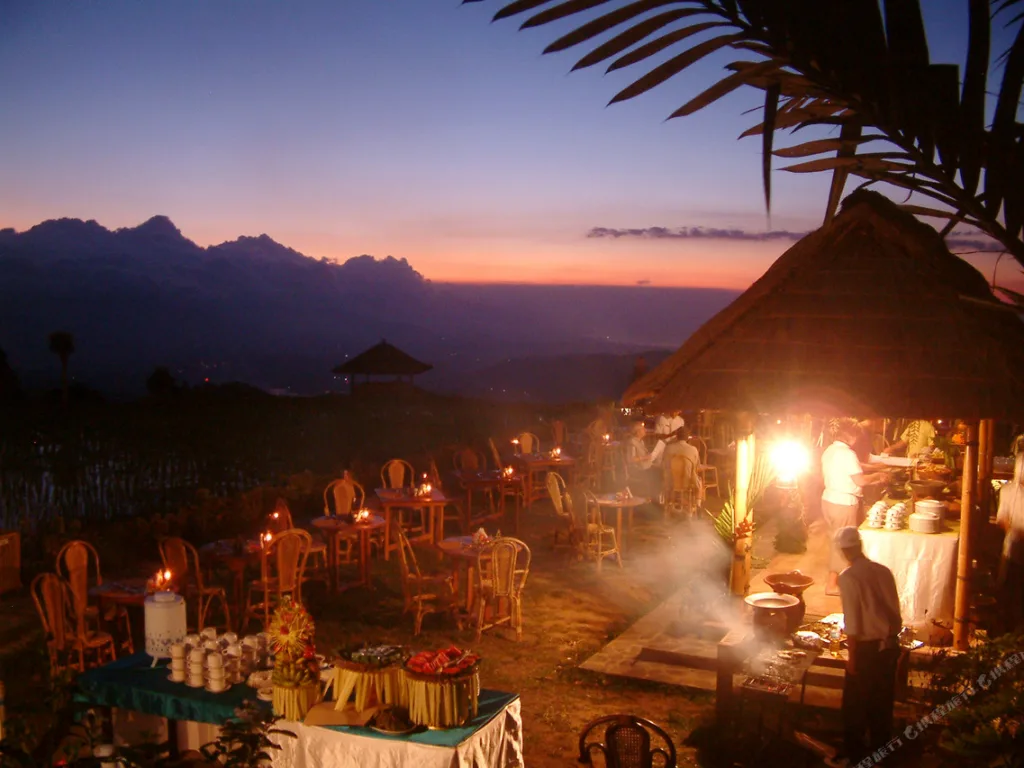
Secret photo spots in Asia that locals know about: Pai Canyon, the Hang Mua viewpoint, Kampot pepper farms, the Wanagiri lakes in Bali, cormorant fishermen in Yangshuo, and tips on light, season and shooting etiquette.
The same ten shots wander from blog to blog: Tegalalang, Angkor Wat at dawn, the torii gates of Fushimi Inari. All of them are truly beautiful, but you have to queue half an hour for a place in the frame and share the sunrise with a hundred other people with phones. While tourists crowd at the same points, local photographers and guides have long been shooting in other places — not because they hide them on purpose, but because those places simply did not make it into the top-10 lists that spread across the internet. This selection has six such points in six countries: a canyon in the mountains of northern Thailand, a viewpoint over the rice fields of Ninh Binh, a crater lake in Bali, a pepper plantation in Cambodia, cormorant fishermen on the Li River in China and a bridge above the clouds in Japan. Plus practical tips on light, timing and etiquette, without which even the most beautiful place gives a mediocre shot.
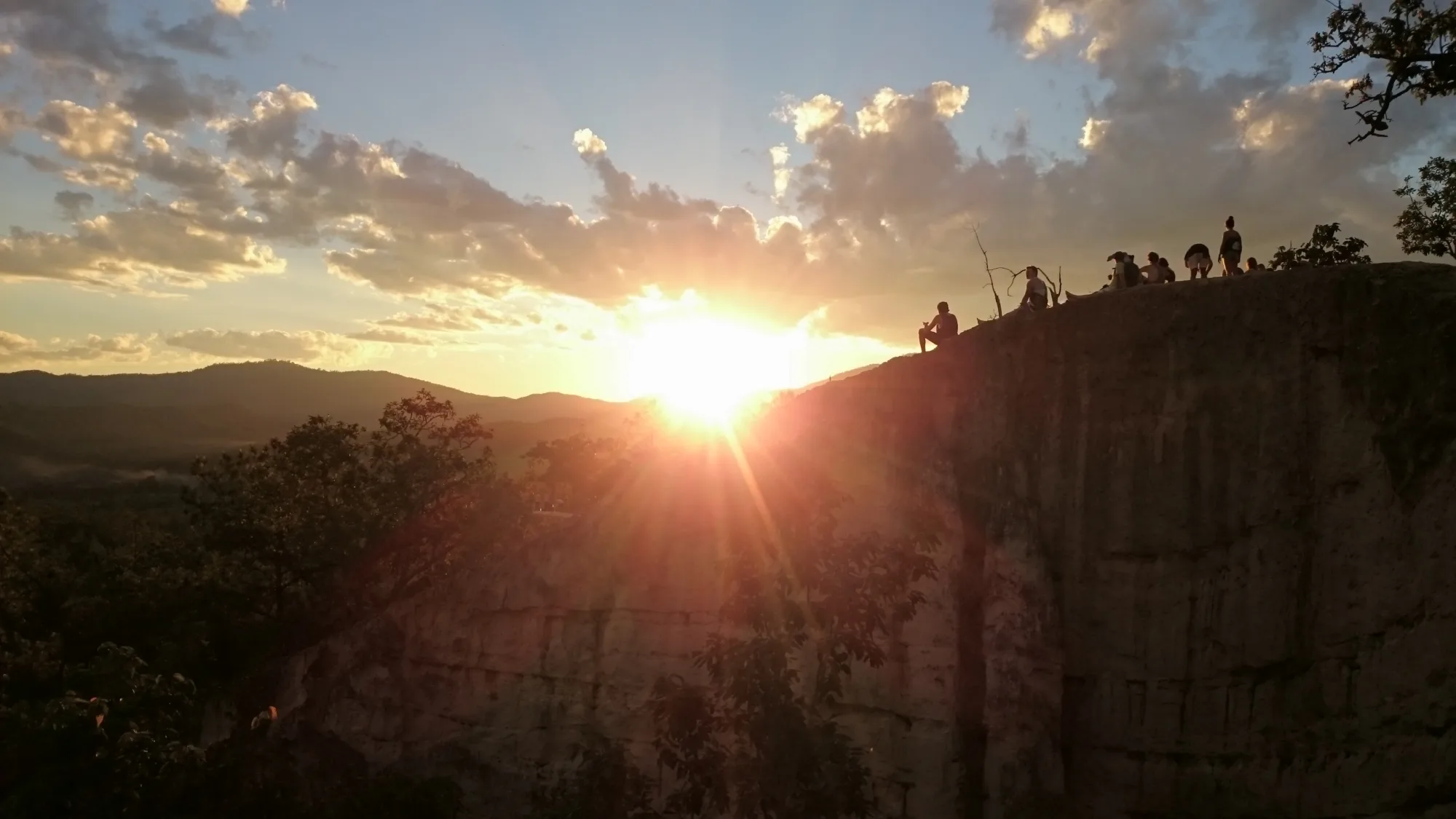
- Thailand: Pai Canyon — narrow ridges and a sunset without crowds, free entry.
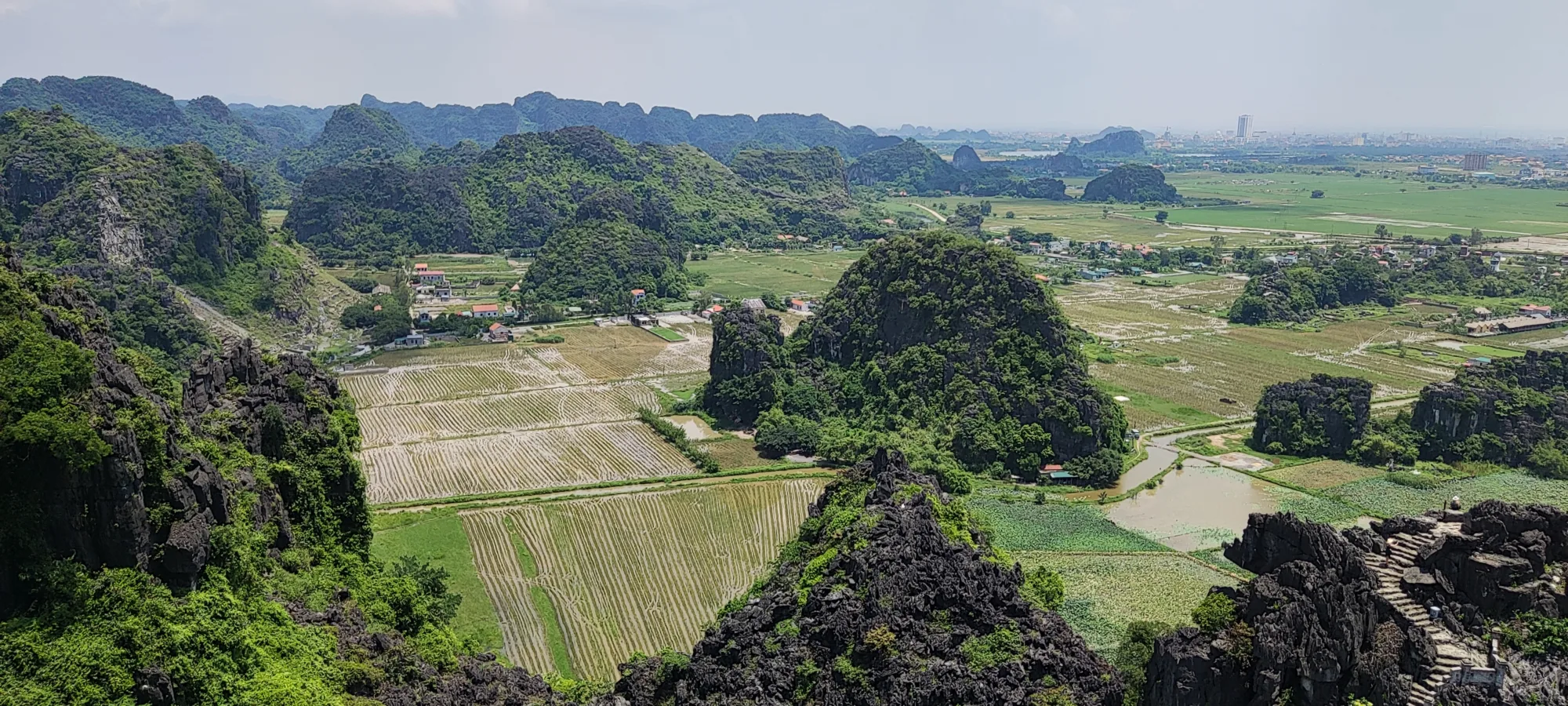
- Vietnam: the Hang Mua viewpoint above Tam Coc — 500 steps and a view of the “dry Ha Long”.
- Cambodia: Kampot’s pepper plantations at sunset — green vines with the Bokor mountains in the background.
- Bali: Wanagiri Hills above lakes Buyan and Tamblingan — mist and crater volcanoes.
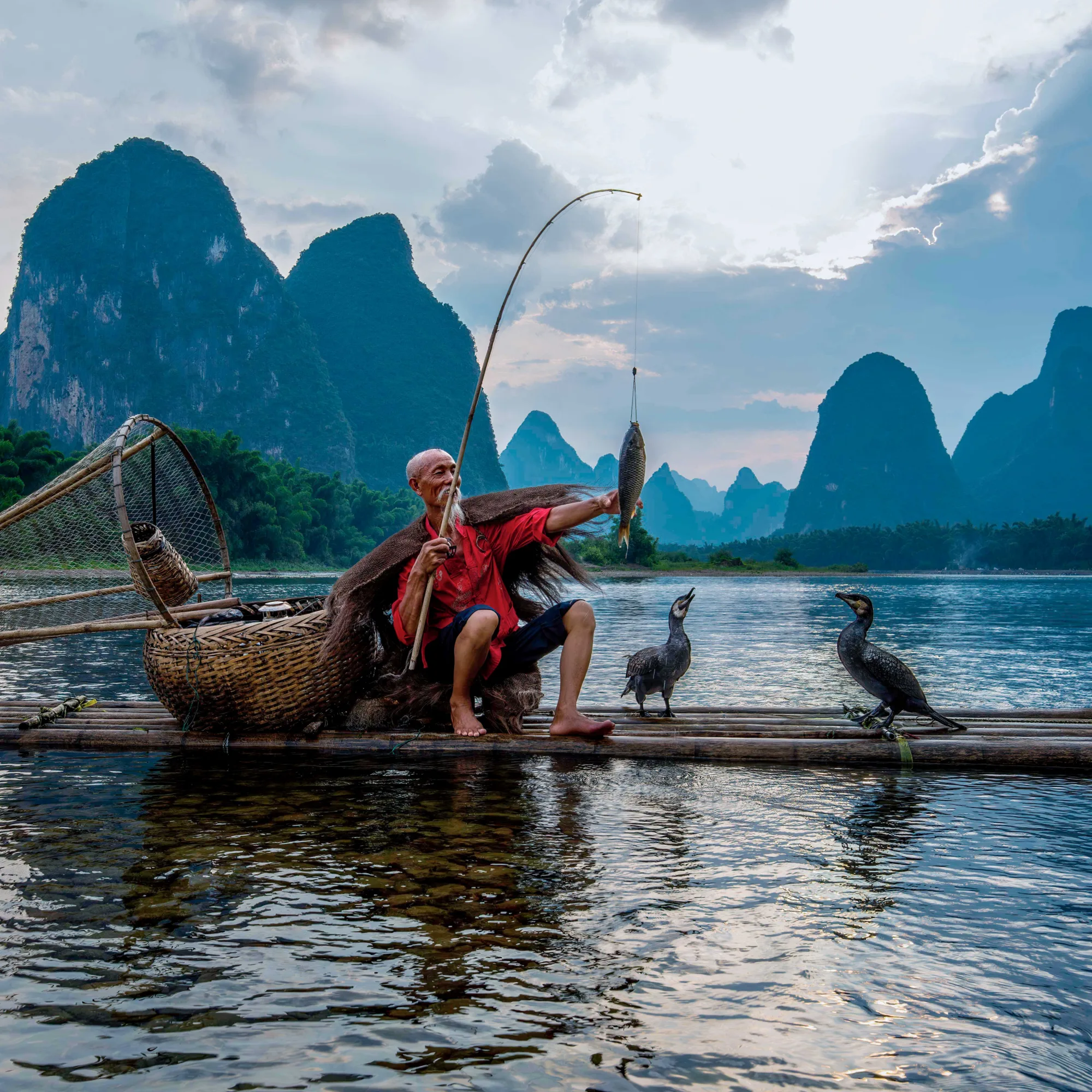
- China: cormorant fishermen on the Li River near Yangshuo — an evening ritual worth catching at the right hour.
- Japan: Kinkaku-ji temple and alternative points without the crowd at the main pond — but more on that below.
Why everyone shoots the same thing
Social network algorithms love repetition: if a shot has gained a million likes, the next hundred thousand people carry their tripods to the same spot, and the place turns into a conveyor of identical photographs. Local guides and photographers usually act differently: they look for angles near the hyped places that the tourist flow has not reached yet, or combine times of day so as to avoid the crowd. The good news is that such places are almost always free or cost pennies, because there is no tourist infrastructure there with which to monetise a queue. The bad news is that they are a little harder to reach on your own: often you need a scooter, a tuk-tuk for the day or a short hike on foot.
Thailand: Pai Canyon instead of the Royal Pavilion
The town of Pai in northern Thailand is touristy in itself, but Pai Canyon a couple of kilometres from the centre is shot mostly by local people and those who have stayed here longer than two days. Narrow earth ridges, which you can walk along, drop away to the sides by tens of metres, and at sunset they turn orange and light up the silhouettes of mountains in the distance. Entry is free, and the paths are unfenced — this is important: the ridges are narrow and crumbling, so you must walk carefully, in dry weather and in daylight, not in the dark after sunset. The best time for shooting is an hour before sunset, when the crowd from bus tours has already left and the light becomes soft and sideways. You can get there on a rented bike in 10–15 minutes from the town centre.
Vietnam: the view from Hang Mua instead of a crowded boat at Tam Coc
A boat ride at Tam Coc in Ninh Binh is a classic of Vietnamese tours, but local photographers prefer to look at the same landscapes from above. The Hang Mua viewpoint is a couple of kilometres from the pier: the climb is about five hundred stone steps along a ridge, and at the top there is a statue of a dragon and a panorama of the winding river among limestone peaks, for which the place is called the “dry Ha Long”. The climb takes 20–30 minutes and needs no special preparation, but closed shoes with a good tread are needed — the steps are uneven. The best time is early morning, before the daytime heat rises and while mist still lies in the valleys, or the evening before sunset, when the rice fields below glow gold. Entry is paid, but symbolic compared with organised tours.
Cambodia: Kampot’s pepper plantations instead of queues at Angkor Wat
Everyone goes to Siem Reap for the temples, but Kampot in the south of the country has its own photogenic landscape — the plantations of the famous Kampot pepper. Rows of climbing vines on wooden supports stretch to the horizon, and the silhouette of Mount Bokor rises in the background. Many farms allow you to enter and shoot free of charge or for a small fee, which usually includes tasting pepper straight from the vine. The best time is early morning, when the sun is still low and slanting light emphasises the texture of the leaves, or the evening before sunset. You can reach the farms on a rented bike in 15–20 minutes from the centre of Kampot; ask at your guesthouse which farm is best to go to — there are several, and local owners are usually happy to show guests the harvesting process.
Bali: Wanagiri Hills instead of a paid swing
While tourists pay for a minute on an “Instagrammable” swing over the jungle, local people advise going higher — to Wanagiri Hills above the twin lakes Buyan and Tamblingan, in the crater of an ancient volcano in the north of the island. From several natural viewpoints a view opens of both lakes at once, separated by a narrow green ridge, and early in the morning the valley is wrapped in mist that gradually clears with the sunrise. The place is near clove and coffee plantations, so on the way you can look in on a tasting. Entry to the viewpoints usually costs a symbolic sum set by the local village — this money goes to maintaining the paths. It is best to go at dawn: clouds over the lakes do not last long and disappear by ten in the morning.
China: cormorant fishermen on the Li River instead of the crowd in Guilin
The karst landscapes around Yangshuo and Guilin are shot by the whole world anyway, but the local shot that rarely makes it into standard tours is fishermen with tame cormorants on the Li River in the hours before sunset. The traditional method of fishing, in which the bird dives for fish on its owner’s command, has survived mostly as a demonstration for tourists and photographers, but precisely for that reason arranging a shoot is not difficult: ask at your hotel in Yangshuo about boatmen who give short shows at sunset, and agree the time and price in advance. The best light is in the last hour before sunset, when orange rays break through the haze over the river and the silhouettes of the boat, the fisherman and the bird read especially clearly. This is a case where a small fee for an organised show is fully justified: without a local boatman with a trained bird the shot simply won’t happen.
Japan: side paths at famous temples instead of the crowd at the main entrance
It is rare in Japan for a famous place to stay completely empty, but local photographers know one trick: come for the opening, fifteen to twenty minutes before the official time, when staff are already opening the gates and the bus groups are only just leaving their hotels. At Kinkaku-ji in Kyoto, for example, the best view of the golden pavilion over the pond opens from the far side of the water, not from the main viewing platform at the entrance — there are also fewer people in the frame and a more winning angle on the building’s reflection in the water. A similar approach works at Fushimi Inari: it is worth climbing the tunnel of red gates right after dawn rather than in the daytime — that way you catch the morning light pouring between the gates and an almost empty corridor. For more on this route see our article on Fushimi Inari.
How to talk to locals about secret places
The most reliable way to learn about a truly unhyped place is to ask people who see tourists every day but are not tourists themselves: the administrator of a small guesthouse, the driver of a tuk-tuk or bike you have hired for the whole day, the waiter in a local, not tourist, coffee shop. Unlike big tour operators, they have no reason to send you to a crowded place for a commission — they simply say where they would go themselves. Ask a specific question: not “where should I go” but “where do you yourself go to photograph the sunset” — the wording changes the quality of the answer. And be ready to say thank you: a small tip for a pointer is normal practice in the region.
Light, time and weather: three factors more important than location
Even the most beautiful place gives a boring shot at the wrong time of day. The golden hour — the first hour after sunrise and the last hour before sunset — gives soft warm light and long shadows practically anywhere in the region. Midday sun in the tropics creates harsh shadows and a blown-out sky, so between eleven and two o’clock it is better not to shoot landscapes but to devote that time to food or the road to the next point. Rain and mist, which many avoid, often give more atmospheric and less banal shots than a perfectly clear sky: rice terraces are brighter after rain, and mist over lakes and in the mountains creates a depth that cannot be achieved at a sunny noon.
Shooting ethics: what to remember
Many of the places listed are not museum exhibits but part of the everyday life of local communities: working farms, temples, villages. Before photographing people close up, ask permission — by gesture or a simple phrase in the local language; a refusal must be respected without argument. On farms and in villages don’t enter private land without an invitation and don’t trample crops for an angle. In temples keep quiet and dress modestly. The use of drones is restricted or banned near many temples, airports and borders — check the local rules in advance rather than relying on the fact that “everyone does it”. And of course don’t leave rubbish: the place you made this whole journey for should stay the same for the next person.
Gear for travelling light
Shooting in the places listed does not require a heavy professional kit. A compact mirrorless camera or a good smartphone with a manual mode handles almost all scenes. A small light tripod comes in handy for dawn and evening shots with a long exposure — for example, for a river with fishermen or mist over lakes. A polarising filter removes unwanted glare from water and foliage and makes colours richer — a simple and inexpensive solution that greatly raises the quality of pictures in tropical light. And be sure to bring a power bank: sockets are a rarity in remote places, and navigation and a translator drain a phone faster than it seems.
How not to be disappointed if the place has already been “found”
The irony of travelling with a phone in your pocket is that any place sooner or later ends up in someone’s blog, and in a year or two buses start coming there too. This is a normal cycle, not a reason to be upset: while one place gains popularity, local people are already switching to the next. If, having come on the strength of this selection, you find four cars in the car park instead of an empty trail, it is a sign to move your visit even earlier or to ask locals about a neighbouring point with a similar view. Flexibility in timing and willingness to trust advice on the spot work better than any list drawn up in advance.
What to bring on a hike to viewpoints
For most of the places listed you will need a little more than for a stroll around town. Bring water and a light snack — there are rarely cafés near viewpoints. Closed-toe shoes with non-slip soles are a must for Pai Canyon and the Hang Mua staircase: the paths are uneven and, after rain, slippery. A hat and sunscreen are needed for morning and evening shoots in the open air. A small torch will come in handy if you plan to set out in the dark for sunrise. And always tell someone where you are going if the route involves a climb or descent on a little-used trail.
Season matters as much as time of day
Each of these places looks different depending on the season. The rice terraces around Hang Mua are greenest and most photogenic in the period when the rice is growing, and during the harvest they turn golden — both moments are good in their own way, but they are different shots. Lakes Buyan and Tamblingan are more often covered in mist in the dry season in Bali, roughly April to October, when morning temperatures are lower than daytime ones. Pai Canyon in the rainy season, from June to October, can be slippery and unsafe for walks along the ridges — check the forecast before the trip. When planning a route, link your photographic goals with the country’s seasonal calendar: details for each are in our articles on the seasons of Thailand, Vietnam, Cambodia and Bali.
Ready-made itineraries for photographers
“Northern Thailand” — 3–4 days. Chiang Mai, then Pai with the canyon and hot springs, a return via the mountain serpentine road with viewpoints.
“Ninh Binh without the crowd” — 2 days. Hang Mua at dawn, a boat on Tam Coc in the afternoon, Mua Cave and the rice fields at sunset.
“South Cambodia” — 3 days. Kampot with pepper farms and Mount Bokor, neighbouring Kep with seafood and a sunset on the embankment.
“The crater lakes of Bali” — 1 day. Wanagiri Hills at dawn, then coffee and clove plantations, in the evening the nearby Ulun Danu Beratan temple.
“The Li River” — 2 days. Guilin by day, a transfer to Yangshuo, an evening with the cormorant fishermen, a morning bike ride among the karst hills.
FAQ
Do I need a guide to find such places? Not necessarily: most points are accessible on your own on a rented bike or on foot, and local people on the spot will give you the details.
When is the best time for shooting in the tropics? The first hour after sunrise and the last hour before sunset; in the middle of the day the light is too harsh.
Is entry to such places paid? Often symbolic or free — unlike hyped attractions with full tourist infrastructure.
Can I shoot with a drone? Not everywhere: restrictions apply near temples, borders and airports, so check the local rules in advance.
How can I find similar places in other countries of the region? Ask drivers and the staff of small guesthouses where they themselves go to photograph the sunset — this works almost everywhere in Asia.
Opening hours, entry prices and the accessibility of trails may change depending on the season and weather — check current information on the spot.