Kopi luwak is the most expensive coffee in the world and one of the most controversial stories in ethical tourism: why a tourist price almost always gives away a caged farm rather than wild collection, and how to tell the real product.
The world’s most expensive coffee is made by animals that almost none of the tourists who bought a cup for 500,000 rupiah at a plantation near Ubud will ever see alive in normal conditions. Kopi luwak is a legend that began with Dutch colonisers who forbade locals to harvest coffee for themselves, and ended as one of the most controversial stories in modern ethical tourism: an industry where behind a pretty “wild-collected” label there is almost always a cramped cage.
A drink invented by a ban
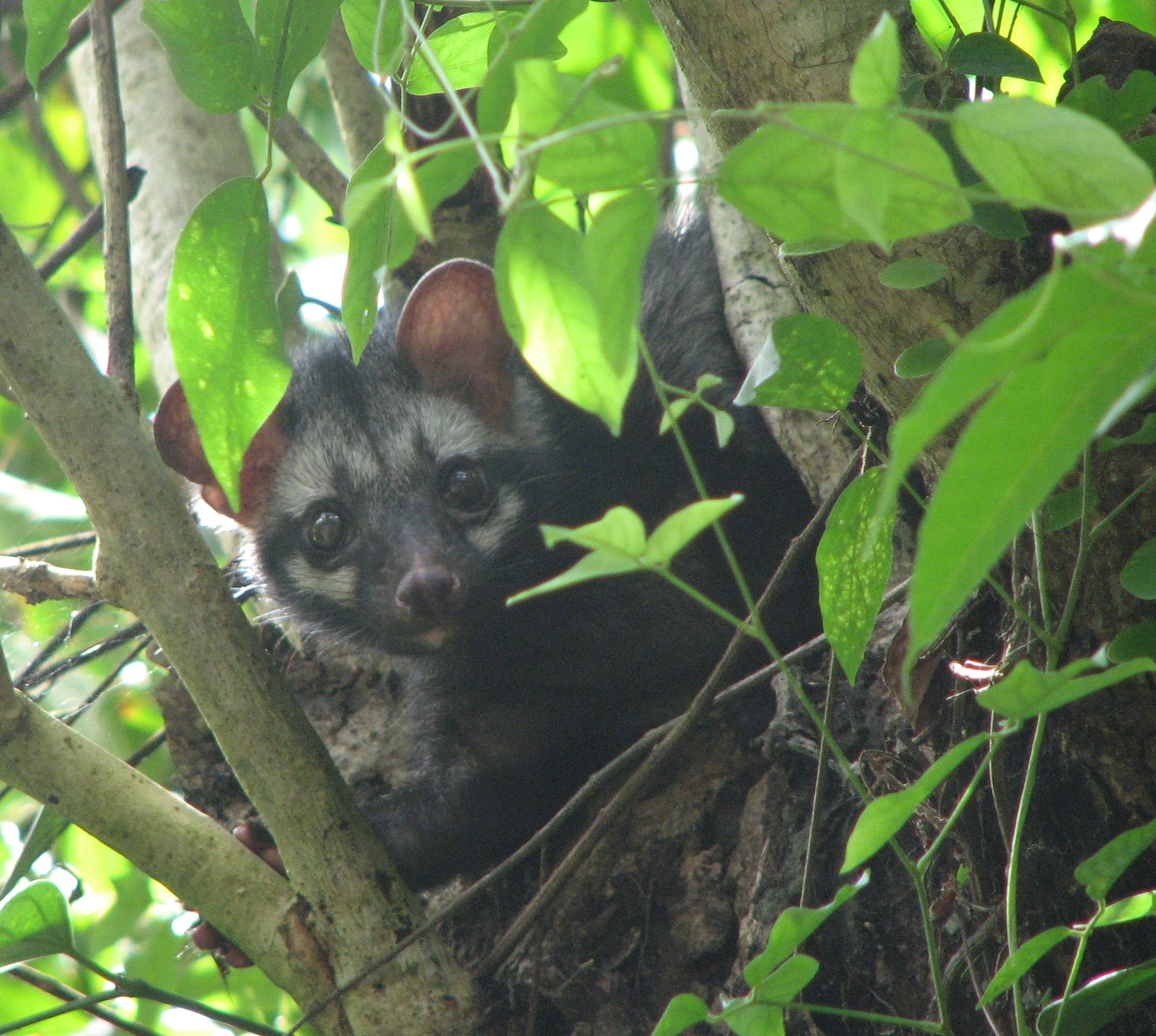
The story began in the 18th century, under Dutch colonial rule in Java and Bali: local plantation workers were forbidden to harvest coffee for themselves — the whole harvest belonged to the colonisers. But something remained outside the ban: the droppings of wild luwaks, which feasted on ripe coffee cherries at night and left undigested beans behind. Locals began to collect, wash and roast these beans for their own use — and discovered an unexpectedly soft, less bitter taste in which the enzymes of the animal’s digestive system seemed to soften the coffee from within. Rarity and the unusual origin gradually turned the drink from an accidental find into a luxury item with a corresponding price.
Wild collection physically cannot be cheap
Here lies the industry’s main problem: genuine wild kopi luwak costs from 250 to 600 dollars a pound (about 450 grams) precisely because the process of collection is, in essence, a search for individual droppings of wild animals through the jungle by hand, with no guarantee of volume. At such costs a cup at a tourist plantation cannot cost 5 or even 35 dollars and at the same time be a genuine wild product — the economics simply don’t add up. Independent investigations (in particular, a check by the organisation PETA Asia on Balinese farms) regularly record that coffee sold as “wild” is in fact collected from animals kept in cages — even as the marketing insists on the opposite.
What happens to the animals on farms
The typical picture recorded by independent inspections: luwaks are kept singly in cramped wire cages with no ability to climb, mark territory or vary their diet — although in nature these are active, territorial, predominantly arboreal animals. Some individuals on farms show open wounds and signs of stress behaviour — compulsive circling of the cage, gnawing at the bars. Since animals in captivity live noticeably shorter and breed worse, some farms replenish stock by catching wild luwaks from the forest, which creates additional pressure on the wild population — that is, the marketing legend of “wild collection” sometimes on the contrary masks real poaching rather than its absence.
How to tell the real product from a tourist staging
A practical guide is the price: if the cost of a cup or a bag of beans is noticeably below the threshold of 80–100 dollars per 100 grams, it is almost certainly caged production rather than wild collection, regardless of what is written on the sign. The second guide is the seller’s willingness to answer specific questions: in exactly which region the beans were collected, by what method, what the roast date is and what explains exactly this price. A seller with a real, transparent supply chain usually answers these questions without hesitation; vague wording like “our own animals” with no details about their keeping is a signal to be wary.
Is it worth trying at all
The decision here is personal but should be a conscious one — as with the elephant riding we have already written about in this series. If you want to try the legend itself rather than the product of a caged farm, it is wiser to look for certified suppliers specialising specifically in wild collection with transparent documentation, and to be ready to pay the real price of a rare product — rather than walking into the first roadside “plantation” with demonstration cages for tourists and a cup for ridiculous money.
FAQ
Is it true that all kopi luwak in Bali comes from cages? Not all, but the overwhelming majority of the tourist-accessible product does, judging by independent investigations and elementary economics: genuine wild collection physically cannot cost the tourist 5–35 dollars a cup.
How can I tell that a farm is truly ethical? Ask about the specific region of collection, the method, the roast date and justify the price — a transparent seller will answer in detail; evasive general phrases with no details about the animals’ keeping are a bad sign.
Is it dangerous to drink kopi luwak? The drink itself is safe for humans — the fermentation process in the animal’s body does not make the coffee harmful. The ethical question concerns solely the conditions in which the luwaks are kept, not the safety of the product.
How is this topic similar to the story of elephant riding? The same pattern: attractive marketing masks the real conditions in which animals are kept, and mass tourist demand creates an economic incentive for practices that most buyers simply don’t think about at the moment of purchase.
Is there an ethical alternative with the same taste? Yes — producers increasingly offer fermented coffee processed with laboratory enzymes modelled on civet gastric juice, with no live animals involved at all; the taste turns out similar and no ethical questions arise.
Prices and practices of individual farms may change — it is genuinely hard for a tourist to verify the conditions in which animals are kept, so be prepared for this when making a decision.