Car rental and road trips in Asia: why international licenses are not valid in Japan, why a foreigner cannot rent a car in China, and how the iconic Ha Giang motorbike loop in Vietnam works.
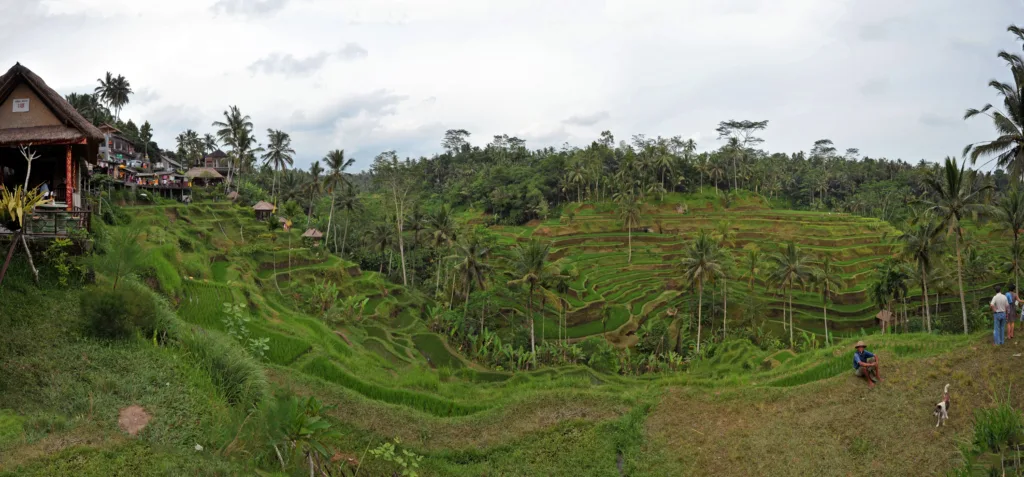
There is a special feeling of freedom in stopping the car where you want, and not where the bus driver decided. Seeing a rice terrace at sunset not on the fly, from the window of a rattling minibus, but standing next to it, with the engine off and silence all around. Asia tempts with this feeling at every step — the serpentines of northern Vietnam, the coast of Bali, the endless straight roads of Hokkaido. But self-driving is precisely the topic on which Asia most often catches travelers off guard: each of the six countries has its own rules, sometimes absurd at first glance, and what works in one turns out to be a useless piece of paper in another.
First, what you need to understand about “international licenses”
The confusion begins with the term itself. Most international driving permits (IDPs) issued in Russia are drawn up under the standard of the 1968 Vienna Convention on Road Traffic. The problem is that not all Asian countries signed this convention — which means they are not legally obliged to recognize a document issued to its standard. The 1949 Geneva Convention is a different, older standard that is recognized more widely, but ordinary Russian IDPs are issued precisely under the Vienna one. From this follows directly the main surprise on our list.
Japan: the country where your international license does not work
Japan did not accede to the 1968 Vienna Convention — and is formally not obliged to recognize IDPs issued to its standard, including Russian ones. There are two working options for those arriving from Russia: obtain an official notarized translation of the Russian license into Japanese (done at consulates/embassies or, faster and cheaper, at the Japan Automobile Federation JAF — about 4,000 ¥, taking around two weeks with mailing) or go through the procedure of exchanging your license for a Japanese one in advance if you plan a longer stay. In practice it is the JAF translation that all of the country’s rental companies accept — but you need to apply in good time, and not count on managing it a couple of days before the flight.
The reward for this bureaucratic trouble is Hokkaido: an island where a car turns a trip from a set of points on a map into a real road trip, with straight roads, simple navigation even without knowing Japanese (road signs on highways are duplicated in Latin letters) and landscapes that people come here for separately from mainland Japan. Car rental costs on average 6,000–14,000 ¥ per day depending on the class of car and the season, and the minimum rental age is 18 (higher at some companies).
China: you cannot rent on your own — period
Here the rule sounds harsher than anywhere else in our selection: China recognizes neither foreign licenses nor the international driving permit at all, in any form. Renting a car with a Russian or international license is physically impossible — you need either a temporary Chinese permit (a provisional driving permit, issued on the spot for a specific province, usually limited to small classes of vehicles and not requiring a practical exam) or a full Chinese license with a long-term residence permit. For a short tourist trip this means: an independent road trip around China in a rented car is not the first logistics option you should plan a trip around, unless you are ready to deal in advance with getting a local temporary permit.
Bali: an international document is formally required, but in practice “tourist licenses” save the day
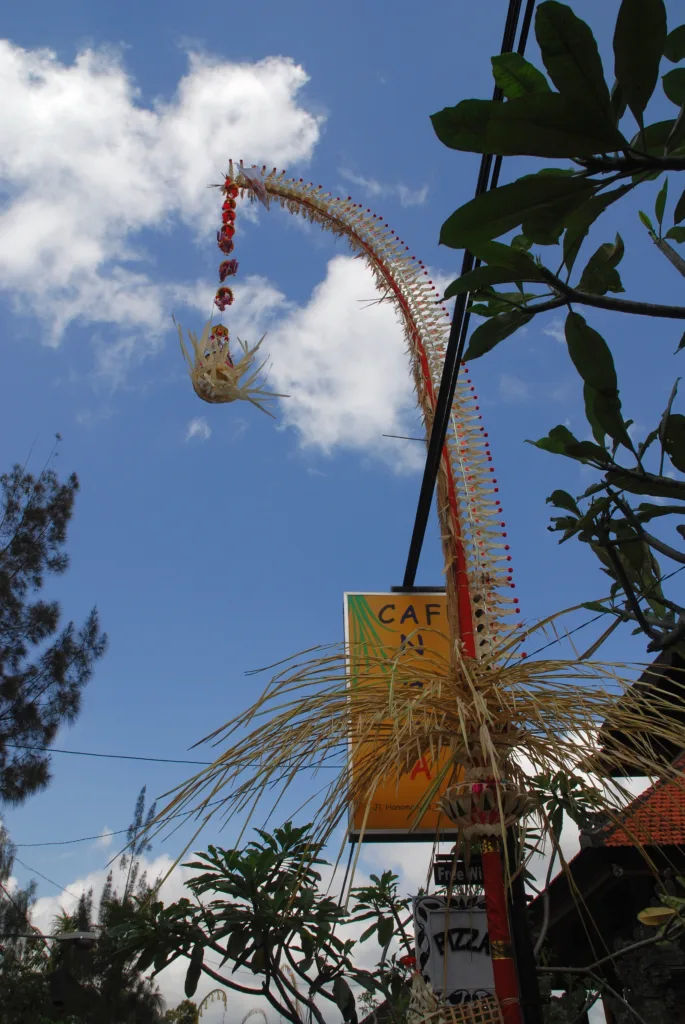
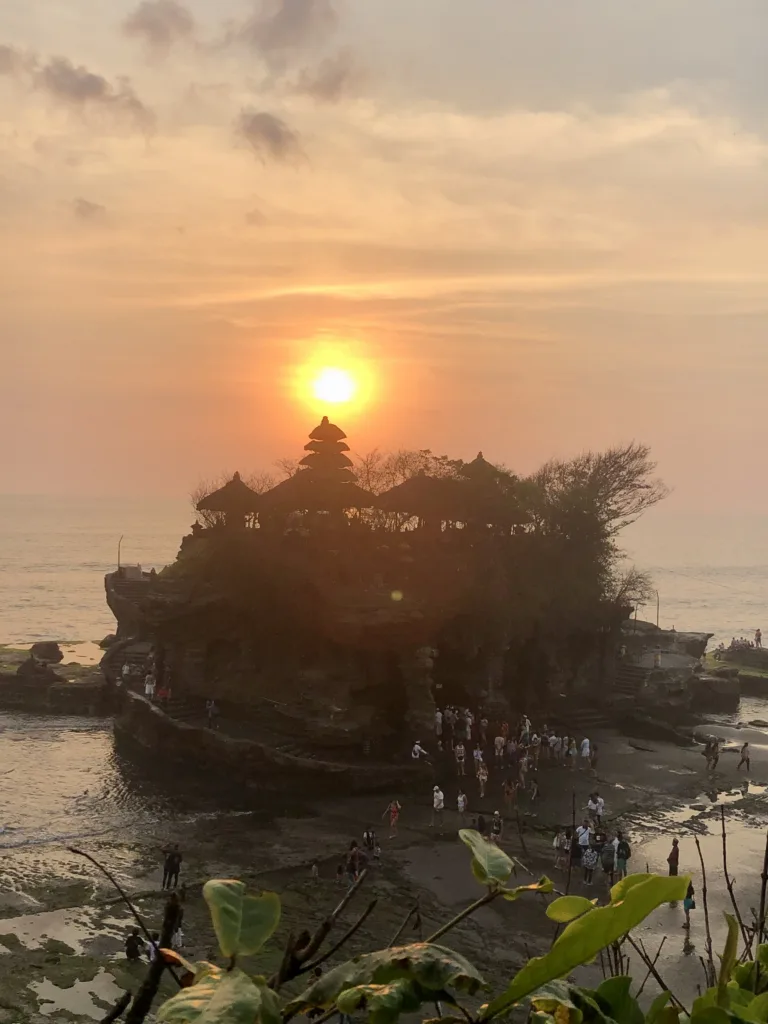
The Indonesian police in Bali first of all ask specifically for the international driving permit — without it you formally cannot drive on a Russian license. But the island has a convenient local hack: temporary “tourist licenses” (Tourist Driving License), which are issued right at the Denpasar police station in 15–30 minutes — faster than waiting for the official IDP to be delivered from home. For those who stay on the island longer than six months, a separate topic is the local Indonesian SIM license, without which, for example, some of the island’s toll roads cannot be entered.
The roads themselves require attention regardless of documents: Bali has left-hand traffic and right-hand drive, the surface is generally decent, but there are almost no shoulders — along many roads run deep drainage ditches into which not only a bike but also a not-very-careful car driver falls. The densest traffic is in Denpasar, the airport and the southern resort part of the island; the further north, the freer and more pleasant behind the wheel.
Vietnam: the iconic Ha Giang loop
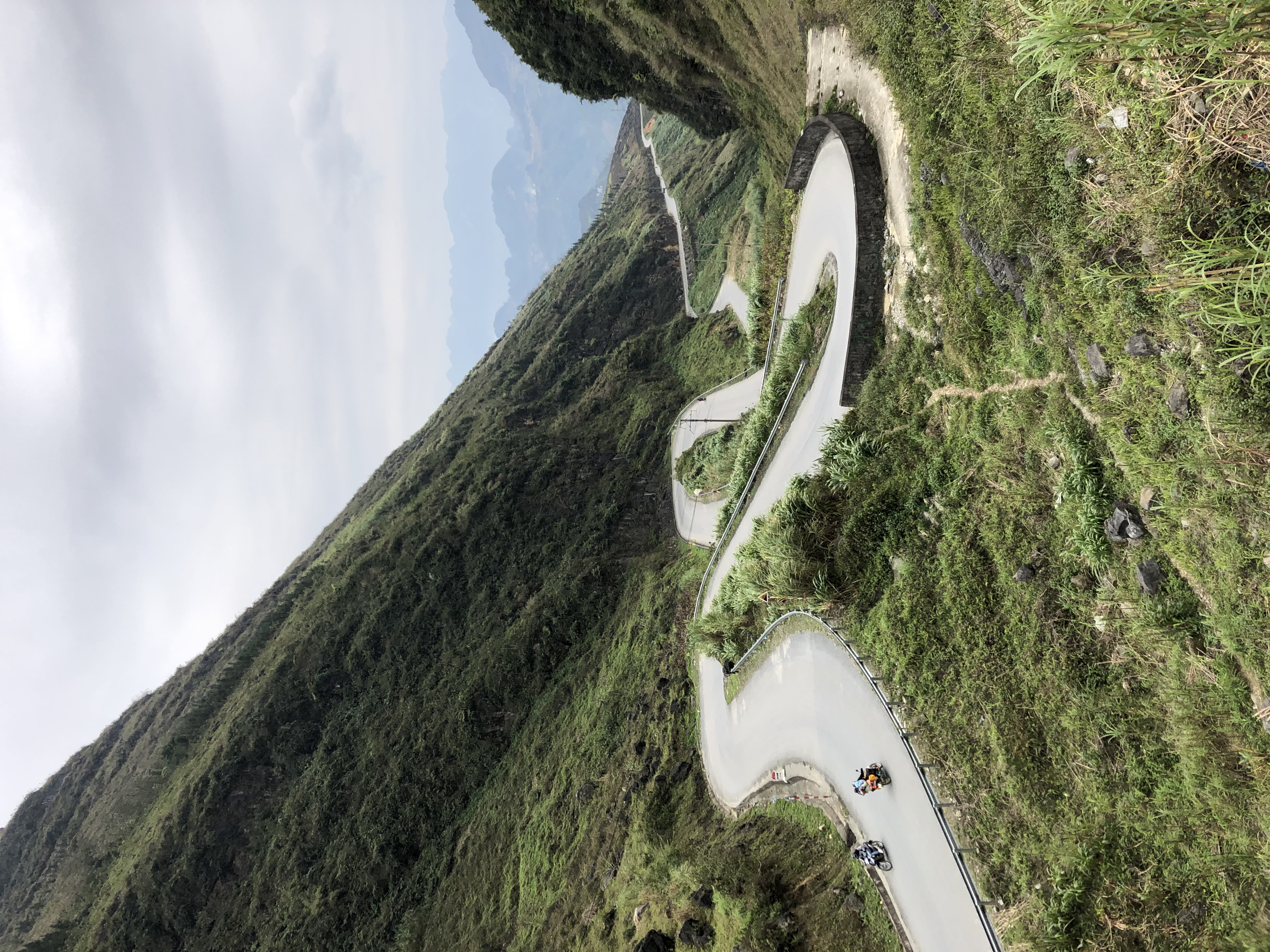
The region’s main road-trip magnet is not about a car but about a motorbike. The Ha Giang loop in the far north of Vietnam, along the border with China, is about 350 km of mountain serpentines across the Dong Van plateau, included in UNESCO’s Global Geoparks Network, with the Ma Pi Leng pass, which many call the most beautiful (and breathtaking) stretch of road in all Southeast Asia. Renting a motorbike in Ha Giang itself costs from 150,000 to 250,000 dong per day, along the route there is a network of guesthouses and homestays in the towns of Dong Van and Meo Vac, so the loop can be stretched over several days with overnight stays with local families. The best time is September to December, when the air is dry and cool and the rice terraces have ripened to a golden color.
An important detail for those who go specifically by motorbike: the route requires real experience of riding on mountain serpentines, not a general “I rode a scooter on the beach” — some of the turns are steep and without guardrails, and national travel media do not call this stretch one of the country’s most dangerous roads, on a par with its most impressive, for nothing.
Thailand and Cambodia: simpler, but no less careful
Against the background of Japanese bureaucracy and the Chinese ban, Thailand and Cambodia look almost mundane: a standard international driving permit together with the national license is usually accepted by rental offices without additional quests. The key issue here is not documents but the driving style on the spot itself: left-hand traffic in Thailand, a chaotic flow of bikes without lane discipline in the cities of both countries, and the rental practice of taking your passport “as a deposit” instead of a cash deposit — it is worth avoiding this practice by offering a cash deposit in place of a document that you yourself will need to leave the country.
A checklist before renting
- Find out specifically for your destination country which document is really needed — there is no general rule that “international licenses work everywhere in Asia”.
- For Japan — apply for a translation of your license through JAF in advance, several weeks before the trip, not at the last moment.
- For China — find out whether the rental office arranges a temporary permit on the spot, and allow a separate day for it at the start of the trip.
- Never hand over the original of your passport as a deposit — offer a cash deposit or, if the office insists, a copy while keeping the original with you.
- Photograph the car or bike from all sides when you pick it up — it is standard protection against later claims for “old” scratches.
- Check the insurance separately — the basic rental insurance often does not cover damage from driving on the dirt roads of mountain routes like Ha Giang.
FAQ
Can I drive a car in Japan on a Russian international license? No — Japan does not recognize the 1968 Vienna Convention IDP. You need an official translation of your license (through JAF or a consulate) or a full exchange for a Japanese license.
Can I just rent a car in China as a tourist? No, not directly with a foreign or international license. You need a temporary Chinese driving permit, which is issued on the spot for a specific province.
Do I need an international license in Bali? Formally yes, and the police most often check precisely that — but there is a workaround: tourist licenses issued in 15–30 minutes at the Denpasar police station.
Can the Ha Giang loop be done by car rather than motorbike? Formally yes, and some tourists hire a driver with a car, but the classic and most popular format is precisely the motorbike: some of the viewpoints and narrow stretches of the serpentine are designed for two-wheeled transport.
What do all six countries have in common in terms of rental? In none of them should you rely on “it’ll probably do” — find out the document requirements for the specific country in advance, and not from general forum advice about “Asia as a whole”.
Document requirements and rental rules may change — check the current information before your trip.