Northern Vietnam is a contrast that rarely fits into a week: Hanoi's noisy Old Quarter, steeped in the smell of pho and bike exhaust, the silence of Ha Long Bay's limestone cliffs with an overnight stay right on the water, and the rice terraces of Sapa in the clouds at 1,600 meters. The route is built as a single loop returning to Hanoi — with no domestic flights, everything by bus and train.
The logic of the route: two days in Hanoi to get used to the pace and the bike traffic, a night on the water in Ha Long as a contrast to city bustle, and two days in the mountains of Sapa — there it is already a completely different Vietnam, with terraced farming and villages of the Hmong and Dao peoples. The return to Hanoi by bus takes about 5–6 hours, so the last day is deliberately left as light as possible.
Route map
Click a day or a point of interestDay-by-day route
From Noi Bai Airport to the City
Getting from Noi Bai to the Old Quarter takes around 45 minutes by taxi/Grab (250,000–350,000 VND – always order via an app rather than using touts in the arrivals hall), or bus route 86 is cheaper but a taxi with luggage and after a flight is more convenient.
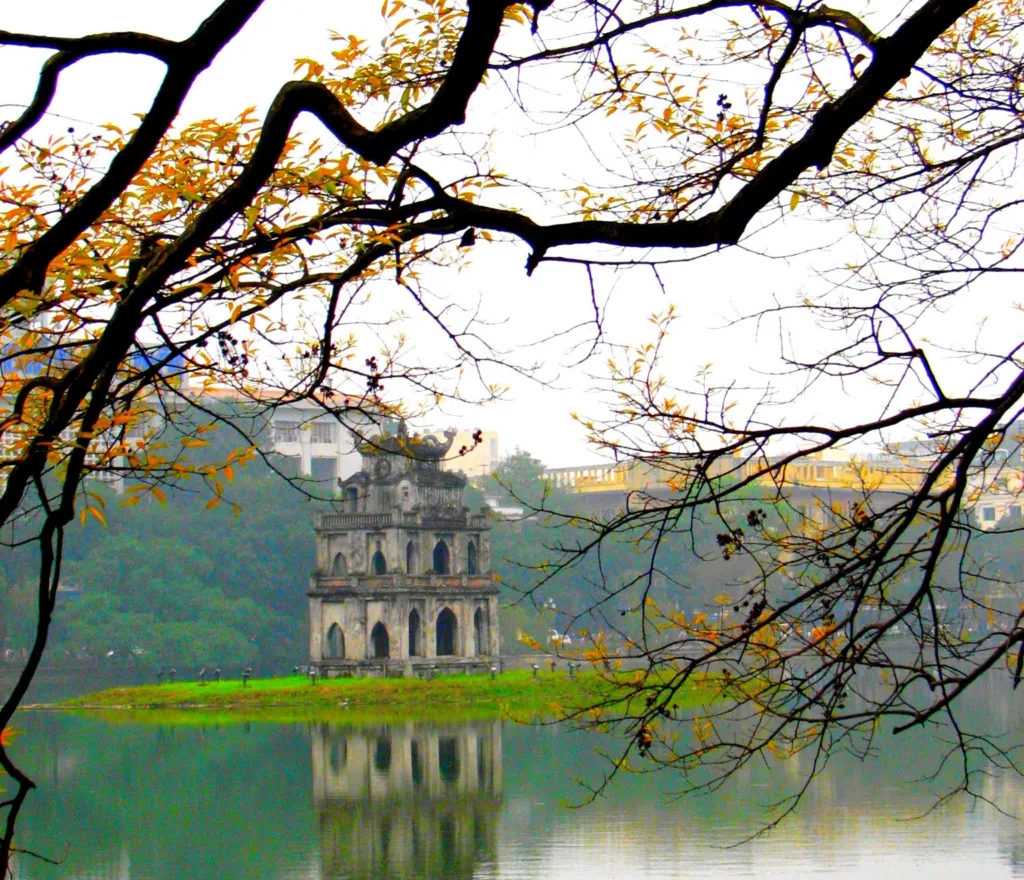
Hoan Kiem Lake and Ngoc Son Temple
The heart of Hanoi is a small lake with the red The Huc Bridge leading to an islet with the Ngoc Son (Jade Mountain) temple. In the evening, locals gather around the lake – some practice tai chi, others simply stroll; you get a feel for the city’s atmosphere best here at sunset.
Old Quarter Street Food
The 36 streets of the Old Quarter were historically each specialized in their own craft – now it's a dense network of cafes with low plastic stools. Pho, bun cha, egg coffee (cà phê trứng) – try small portions at different places rather than settling into one establishment for the whole evening.
 1 / 2
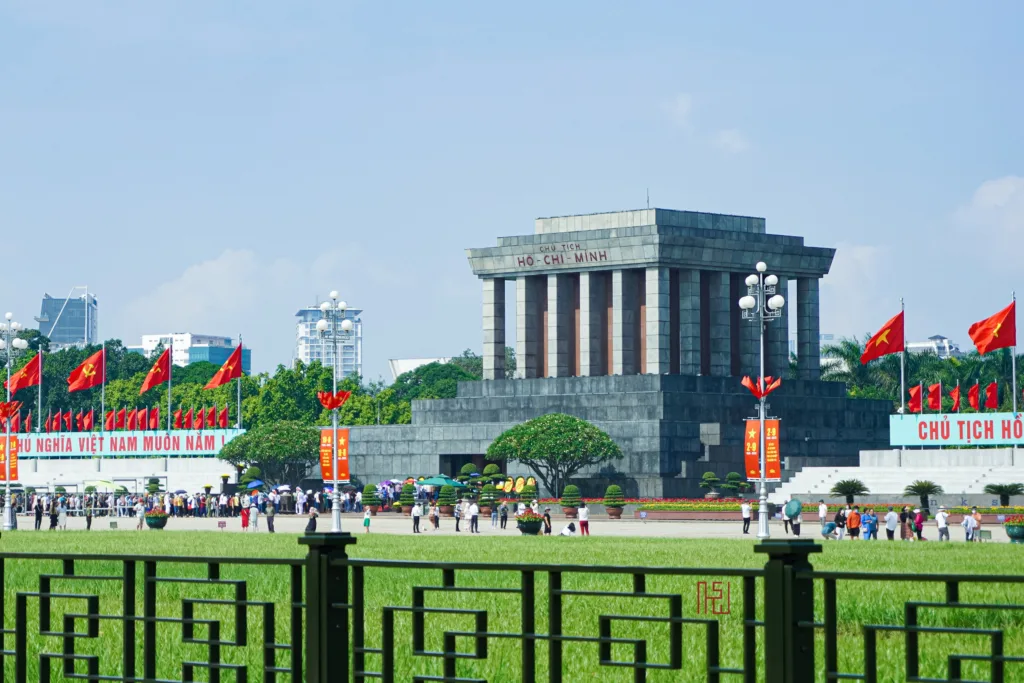
Ho Chi Minh Mausoleum
Open to visitors in the mornings (typically 7:30–10:30, closed Tuesdays-Thursdays for maintenance – check the current schedule before visiting), admission is free, but a strict dress code applies (covered shoulders and knees) and queues can stretch up to 30–40 minutes. Inside, silence is strictly enforced; phones and bags must be left beforehand.
Temple of Literature
Vietnam’s first university (founded in 1070) – five courtyards, a carp pond, stelae with the names of top graduates from imperial exams on the backs of stone turtles. Admission is around 70,000 VND, a peaceful place without crowds even during peak season.
West Lake at Sunset
The largest lake in Hanoi, surrounded by a cycling path and a string of cafes with water views. A good option for a relaxing evening after a day packed with cultural activities – no mandatory program, just a stroll and dinner by the water.
 1 / 3
The Road from Hanoi
Transfer to the pier is usually included in the cruise price—around 3.5 hours along the new expressway. Most cruises pick up guests from hotels in the Old Quarter in the morning; you’ll be on board by lunchtime.
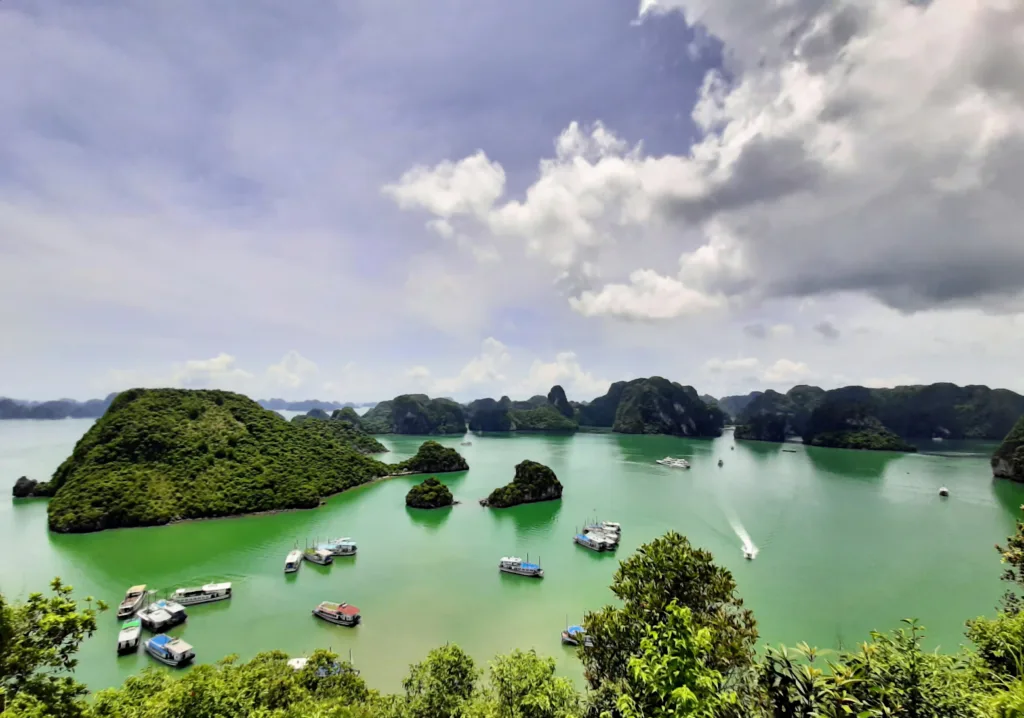
A Cruise Among Limestone Karsts
Over a thousand and five hundred limestone islands and karsts in the bay—a UNESCO World Heritage site. A standard program for the day trip portion includes kayaking or bamboo boat among the karsts, visiting Hang Sung Sot Cave ("Cave of Surprises"—one of the largest in the bay), and a floating fishing village.
A Night on the Water
Dinner on board at sunset, then—silence without city noise for the first time during the trip. In the morning, many junks offer tai chi exercises on the upper deck at sunrise. The price range for cruises of similar star ratings is large—check reviews of the specific vessel, not just the overall operator rating.
The Road to the Mountains
Getting from Hanoi to Sapa takes about 5–6 hours by bus along a winding mountain road; for further trips of this kind, it's more sensible to take an overnight sleeper bus (350,000–450,000 VND) so as not to waste daylight on the journey.
The Terraces of Muong Hoa Valley
Terraced rice paddies descend along the slopes of the mountains as far as the eye can see — the view changes with the season: emerald green in summer, golden before harvest in autumn. The Muong Hoa mountain train (around 200,000 VND round trip) saves time for those who don’t want to walk down the entire slope.
Fansipan from Afar
The highest point of Indochina (3,143 m) is hidden in fog most of the day in cloudy weather — catch the rare clear windows in the morning. More about climbing to the very summit— tomorrow.
 1 / 2
The Fansipan Cable Car
A cable car ticket in 2026 costs 850,000 VND on weekdays, 900,000 VND on weekends and holidays (children 1.0–1.4 m – 550,000 VND). Fifteen minutes in a cabin replaces a two-day trek with an overnight stay — a sensible compromise if you want to save your energy for walking to villages the same day.
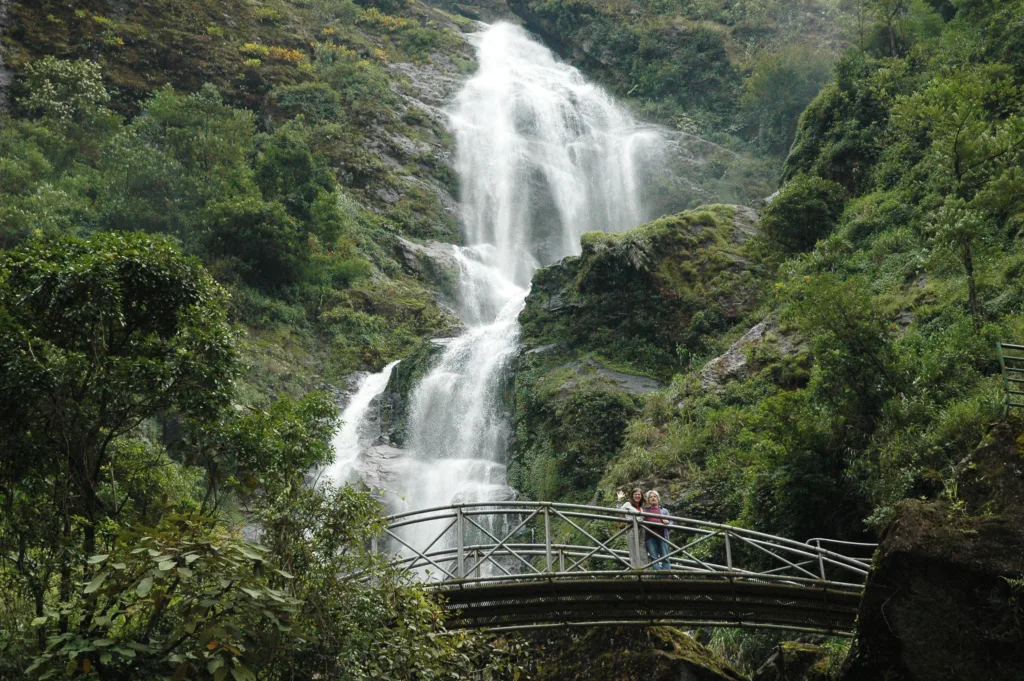
Kat Kat Village
The closest village to the town of the Hmong people (Black Hmong) features a waterfall, traditional stilt houses, and craft shops selling indigo-dyed textiles. The road down and back up is about 3 km, quite manageable without special training.
Baka Market (if it coincides with Sunday)
The legendary Sunday market of mountain peoples operates once a week, about 1.5 hours’ drive from Sapa — if your travel dates allow you to coincide with a Sunday, this is one of the most authentic experiences in the region: clothing, livestock, homemade rice vodka produced locally.
The Return to Hanoi
Allow 5–6 hours by bus back to Hanoi – factor this travel time into your flight schedule with a buffer, as the mountain road can occasionally be blocked due to weather or roadworks.
Airport Transfer
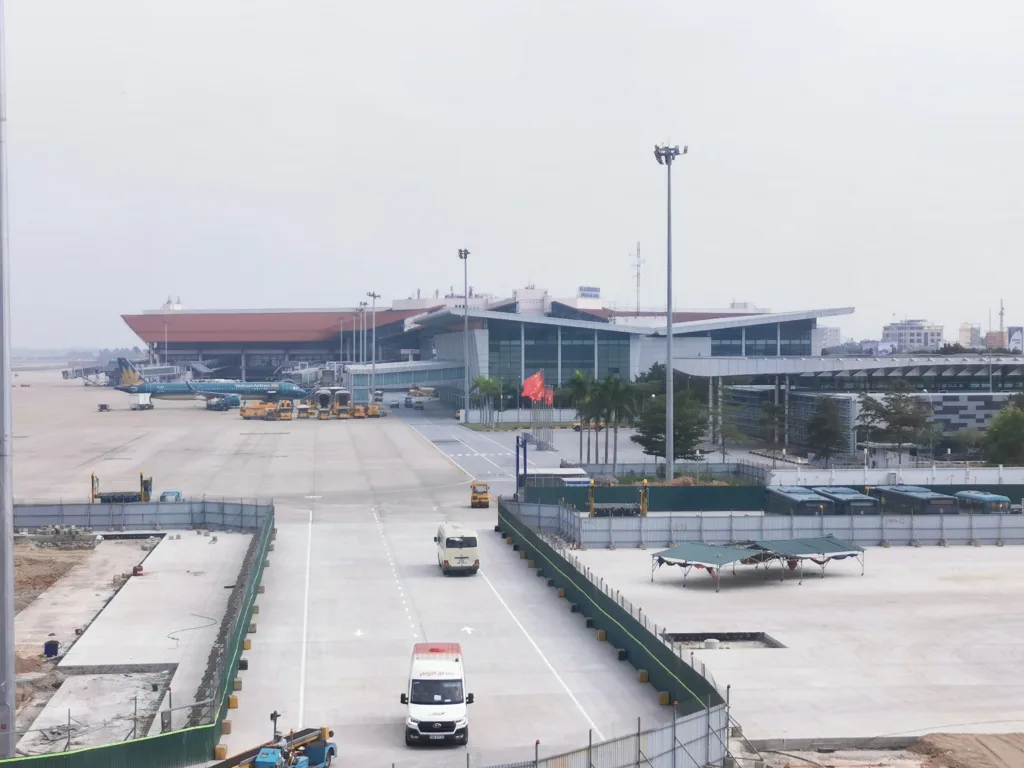
From central Hanoi to Noi Bai it’s about 45 minutes outside of rush hour; traffic jams can extend that to 1.5 hours. Considering the daytime transfer from Sapa, it's sensible to allow a minimum of 4 hours before check-in.
Route Summary
6 days, 3 overnight stops, from the urban bustle of Hanoi to the tranquility of the mountains – all without a single domestic flight. Practical lessons learned from this trip are in the postscript below.
Off the Beaten Path Notes
The Hanoi–Sapa transfer is best done by overnight sleeper bus rather than a daytime one. We took a daytime bus – 5–6 hours on a mountain road is noticeably more tiring than it looks on the map. An overnight sleeper (around 350,000–450,000 VND) saves you an entire day: you get on in the evening and wake up already in the mountains.
Halong Bay Cruise – Read Reviews of the Specific Boat, Not Just the Company
The price range for a cruise of the same "star rating" is huge — from $110 to $160 per night for an average-segment cabin, and the quality inside one price range can vary greatly from junk to junk. We booked 3 weeks in advance and got a 20% discount on a summer date – it’s worth haggling and waiting for deals during the low season.
Fansipan: The Cable Car Honestly Saves Time
A ticket for the cable car up Fansipan (the highest point in Indochina) in 2026 costs 850,000 VND on weekdays and 900,000 VND on weekends and holidays. Hiking is a two-day trek with an overnight stay; the cable car takes 15 minutes. We consciously chose the cable car to save energy for trekking to villages on the same day.
Money & Communication
We exchange US dollars and dong in Hanoi at trusted exchange offices (not at the airport – the rate is noticeably worse there). There are few ATMs in the mountains, so take enough cash for 2 days in Sapa. We installed an eSIM at home — communication sometimes drops out in the mountains, but it’s stable in the town of Sapa.
Actual Budget
For a couple, excluding flights to and from Hanoi: accommodation – around 24,000 ₽ for the entire route (including a night on a junk boat), transport (buses + taxis) – 9,000 ₽, food – 14,000 ₽, cruise and entrance tickets (Fansipan, temples) – 18,000 ₽. Total is around 72,000 ₽ for two — matched the initial estimate.
What’s Next
If you want more beaches and fewer mountains — the central part of the country in the route through Hoi An and Hue. A general overview of Vietnam visas, budget, and cities is on the country page.
Route as PDF
A printable report with a map and a detailed day-by-day plan (city, transport, what to see, hotels) — save it as a PDF (Print → Save as PDF) or print it for the road.
🖨 Print / Save as PDFGenerate your own route
Fill in the parameters — the AI will build a plan and email you a PDF.
✨ Open the route generator0 questions
No questions yet. Ask the first one — the author and fellow travelers will help.