Beijing's Underground City: 85 km² of Cold War tunnels dug by hand in case of a nuclear strike. Closed since 2008 — and unexpectedly reopened in May 2026 as a civil defense museum.
Beneath the shops and lanes of the old Qianmen quarter, literally a few steps from tourists photographing the Tiananmen gate, a second Beijing lay hidden for decades — dug by hand by three hundred thousand citizens over a decade, designed to shelter almost half the city’s population from a nuclear strike that never came. For many years getting inside was practically impossible. In 2026 this suddenly changed again.
“Dig deep tunnels, store grain everywhere”
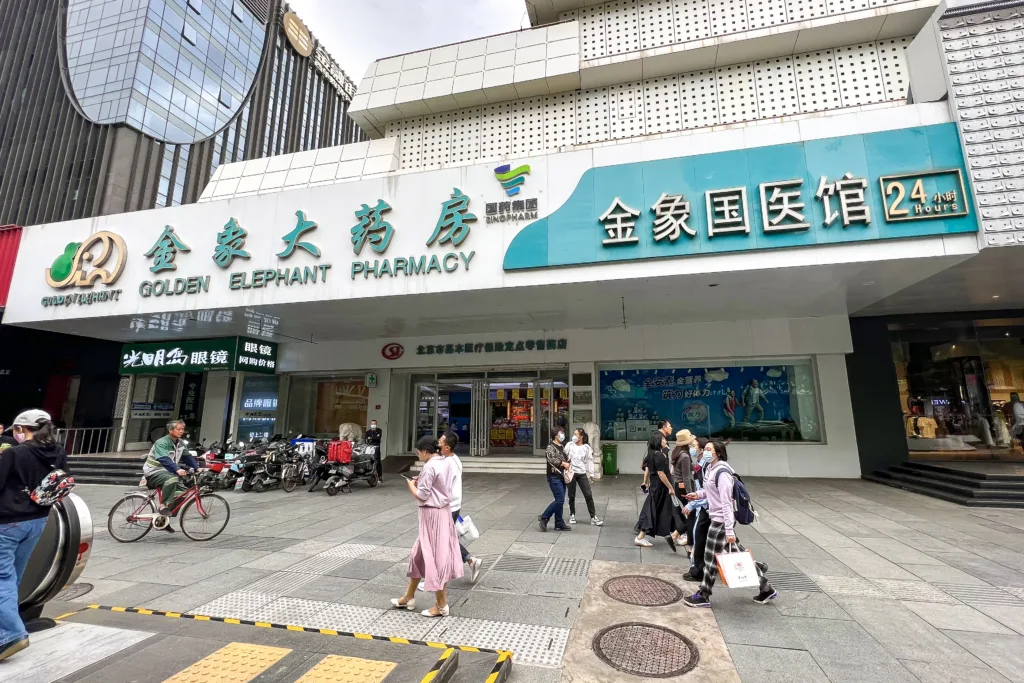
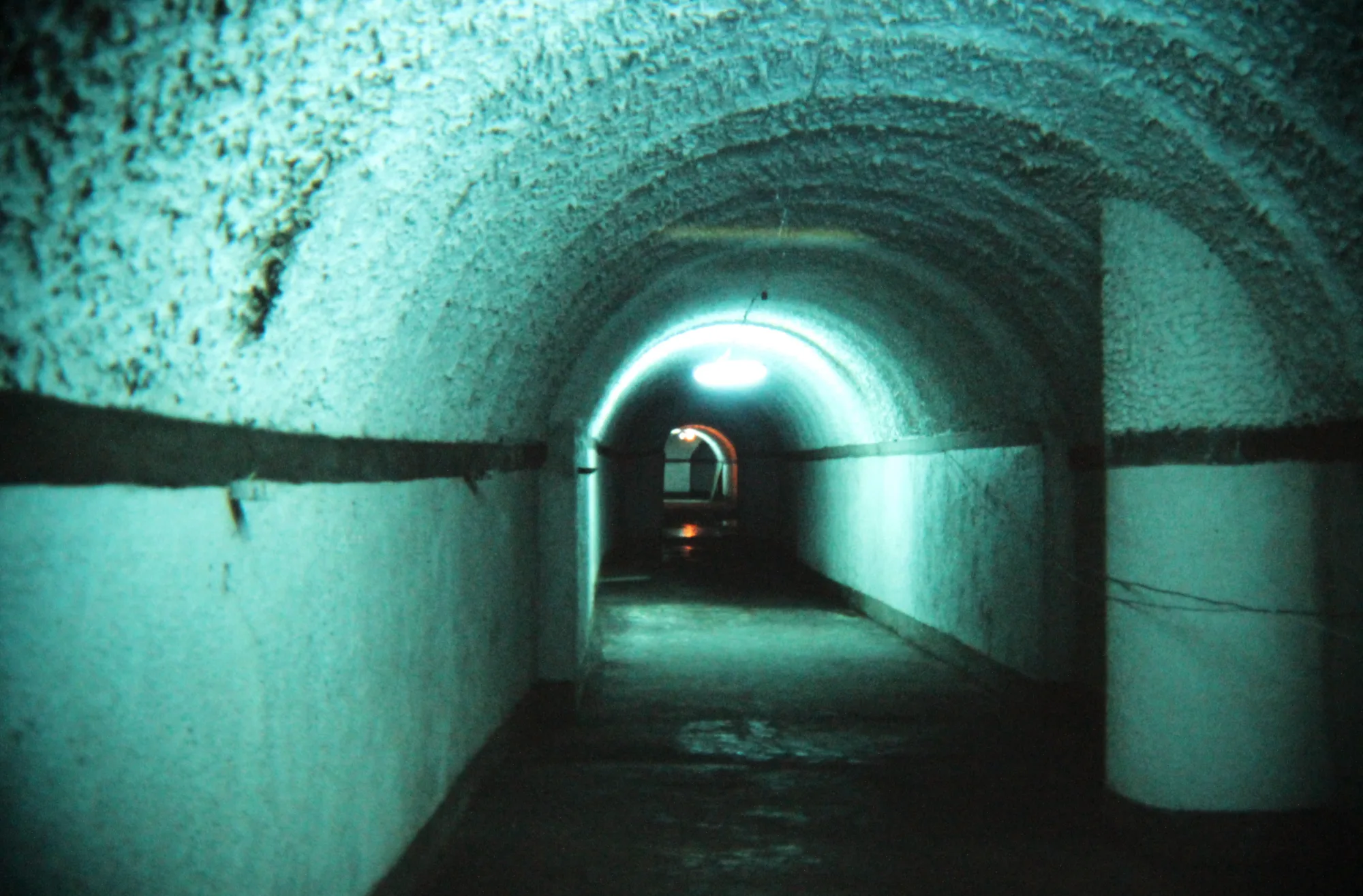
The plan arose at the height of the border conflict with the USSR at the turn of the 1960s–70s, when a Soviet nuclear attack seemed to the Chinese leadership a quite real threat. Under this slogan — “dig deep tunnels, store grain everywhere, never seek hegemony” — from 1969 to 1979 the city literally went underground: some 300,000 Beijing residents, by hand and without heavy machinery, dug a network of tunnels and halls with a total area of about 85 square kilometers, capable of sheltering, by various estimates, up to 40% of the then population of the capital. The entrances — over 90 of them — were disguised right inside shops along the main shopping streets of the Qianmen district, so that city residents walked around the city for years not suspecting the second Beijing under their feet.
The complex was designed not merely as a temporary bomb shelter but as a full underground city for long-term shelter: classrooms for children, a cinema, barbershops, restaurants, even a roller-skating rink — all the infrastructure expecting a flow of refugees that, fortunately, was never needed. That is why the complex is sometimes called the “underground Great Wall” — in the scale of its conception if not in its purpose.
Open, closed, forgotten — and open again
Part of the tunnels was first opened to tourists in 2000, but already in 2008 it was closed for reconstruction — and for a good decade and a half the complex effectively dropped off the city’s accessible tourist map: the official entrances were either demolished or blocked tight, and the Dixia Cheng itself turned into an attraction spoken of more in the past tense. The turn came only in May 2026: part of the historic complex was again opened to visitors — now under a new name, the Beijing Civil Defense History Museum, and in a renewed format.
What is shown today
The exhibition on 2,500 square meters combines authentic Cold War infrastructure — the preserved layout of the tunnels, historical photo chronicles, propaganda materials of the time — with modern elements: large-scale models of military equipment (the J-20 fighter, Long March rockets, mock-ups of spacecraft) and VR installations on a military and space theme. At the same time, according to the first visitors, the museum keeps a rather restrained, “non-game” presentation — the muted cold light and the authentic architecture of the tunnels work on their own, without theatrical actors or deliberately scary special effects typical of many commercial “scary” attractions.
How to get in
The museum is located in Tongle Hutong, Dongcheng district, next to the Qianmen area. It is open Tuesday to Sunday, from 9:00 to 17:00, with Monday as a cleaning day. At the time of opening entry was free, but by prior registration — through a mini-program in WeChat or, if there are free places, on the spot. Considering that the site has only just come back to life after a many-year break and is already attracting a lot of attention, the access rules can change fairly quickly — it is sensible to check the current registration procedure directly before the trip rather than rely on decades-old information.
FAQ
Was it possible to visit the underground city earlier, before 2026? There was no official access since 2008 — some entrances were demolished and some blocked during the endlessly postponed reconstruction; stories of “illegal” visits through accidentally found passages existed, but it is not something to repeat on your own.
Do I have to pay for entry? At the time of opening in May 2026 — no, entry was free by prior registration; check the current conditions closer to the date of the trip.
Is it true that the tunnels are connected to subway stations? A historical legend about this has long existed, but there is no confirmed data of a direct functional connection of the underground city with Beijing’s modern subway line — take it as an urban myth, not a fact for a guidebook.
Is it worth going specially for this museum? If you are interested in the history of the Cold War in Asia and in non-standard, not the most obvious sights of Beijing — definitely yes, especially considering that the site was inaccessible for a decade and a half and managed to become a rarity even for the Beijingers themselves.
How much time to allow for a visit? Given the compact area of the exhibition (2,500 m²) compared with the overall scale of the historic complex, an hour to an hour and a half is quite enough for a thoughtful look.
Opening hours, entry costs and the registration procedure may change, especially soon after opening — check the current information before your trip.