Nightlife in China: the rooftop bars of the Bund embankment and the speakeasies of the French Concession in Shanghai, plus Beijing's Sanlitun district and hutongs. Districts, prices and practical tips.
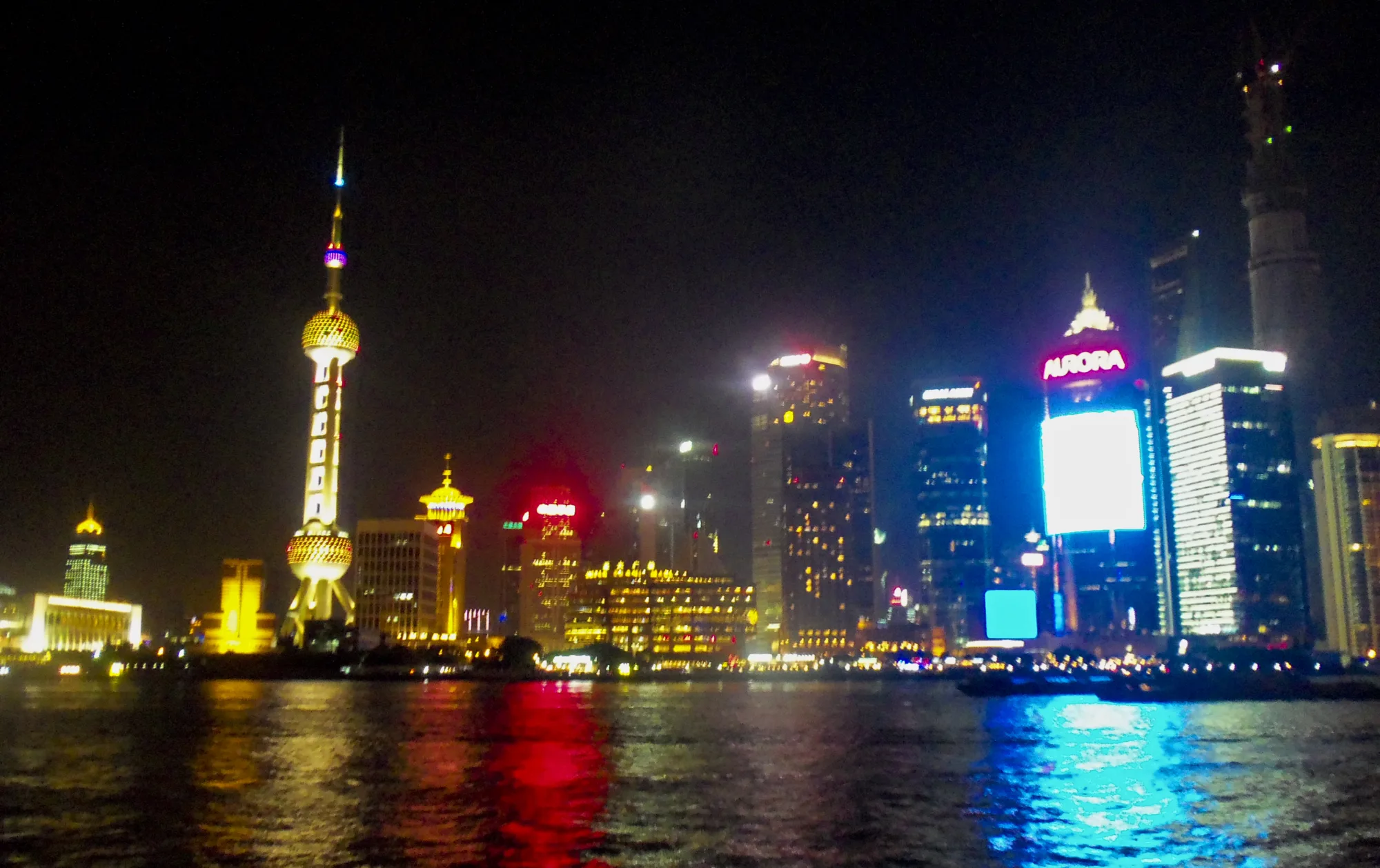
From the Bund embankment opens one of the planet’s most recognizable night views: the illuminated skyscrapers of the Pudong business district are reflected in the muddy waters of the Huangpu, and behind your back, along the embankment itself, a string of early 20th-century European buildings turns into a chain of rooftop bars with a view of that very panorama. Chinese nightlife long remained in the shadow of neighboring Thailand and Vietnam in tourists’ eyes, but Shanghai and Beijing have long acquired their own, quite independent culture of bars, clubs and cocktail speakeasies hidden behind inconspicuous doors in the lanes of the old city.
Shanghai: the embankment, speakeasies and skyscrapers
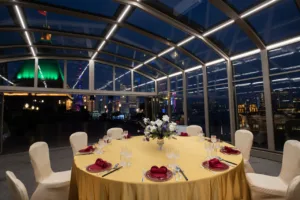
The Bund is the undoubted point of attraction for anyone who wants to start the evening with a spectacular view: the Flair rooftop bar at the Ritz-Carlton offers a sunset panorama of the Pudong skyscrapers so close that it seems you could reach out and touch them. A completely different atmosphere is in the French Concession, which in recent years has become the real heart of Shanghai’s speakeasy culture: the bar Barber Shop on Yongjia Road masquerades as a barbershop, and on Julu and Fumin streets new hidden bars open literally every month, so finding the entrance is often part of the adventure itself. The Jing’an district is the epicenter of large clubs like M1NT and TAXX, housed in modern skyscrapers and hotels and gathering a mix of the fashionable local crowd and financiers. And Xintiandi is the city’s most polished quarter: restored stone shikumen houses of the 1920s–30s are today occupied by stylish cocktail bars and restaurants, which people come to for the atmosphere of old Shanghai rather than for loud music.
Beijing: all roads lead to Sanlitun
Unlike Shanghai, which is scattered over several districts, Beijing’s nightlife is concentrated almost at a single point: more than half of the city’s bars are located within a one-kilometer radius in the Sanlitun area of Chaoyang district. Here sit side by side speakeasies like Speak Low, hidden behind the door of an ordinary phone booth, the rooftop bar Migas with a view of the city, and clubs like Swing58 and Boys&Girls — a format for every taste within walking distance of each other. For those looking for a less touristy and more intimate experience, the alternative is the hutong lanes by the Drum Tower (Gulou): tiny bars in converted traditional courtyards, concert venues in unexpected premises and craft beer from a handwritten menu — the territory of Beijing’s musicians, artists and students rather than glossy clubs.
Dress code and prices
The clubs of Sanlitun on weekends watch appearance at the entrance fairly strictly: flip-flops, sports shorts and sleeveless tops are a guaranteed reason for refusal, whereas jeans with a clean shirt are usually let in without problems. Prices in prestigious districts like Sanlitun or the Bund are above the city average — an evening at a club including transport costs on average 300–600 yuan, while in more local hutong bars or Shanghai’s French Concession you can get by noticeably cheaper.
Practical tips
The evening schedule in both cities is about the same: rooftop bars and cocktail lounges pick up around 18:00–19:00, dinner and pre-drinks take the time from 19:00 to 22:00, and clubs open by 22:00 but really fill up only by midnight and stay at the peak until three or four in the morning on weekends. It is more convenient to order taxis through the Didi app — the local analogue of Uber, with a fixed price and no need to explain yourself in Chinese. And a useful tip for speakeasy bars without signs: the exact address and the way in are almost always easy to find in up-to-date reviews and on maps — searching for the entrance at random along the street is unlikely to succeed.
FAQ
Which city should I choose for nightlife — Shanghai or Beijing? Shanghai offers more variety of districts and atmosphere — from the Bund to the speakeasies of the French Concession — whereas Beijing is more compact and more convenient for those who don’t want to move around the city between venues.
Is there a dress code in Chinese clubs? In prestigious venues in Sanlitun and Shanghai’s Jing’an — yes, smart casual is mandatory on weekends; in the hutongs and more local bars the requirements are much milder.
How much does an evening at a bar cost? On average 300–600 yuan for an evening at a club including transport in prestigious districts, noticeably cheaper in hutong bars or less touristy quarters.
How do I find the entrance to a speakeasy bar with no sign? The exact address and the way in are usually given in up-to-date online reviews or on maps — these bars deliberately have no noticeable sign outside, it is part of their concept.
Is it safe to walk in these districts at night? Yes, both Sanlitun and Shanghai’s main nightlife districts are well lit, patrolled and considered among the safest nightlife quarters in Asia.
The list of venues, prices and opening hours may change — check the information before your trip.