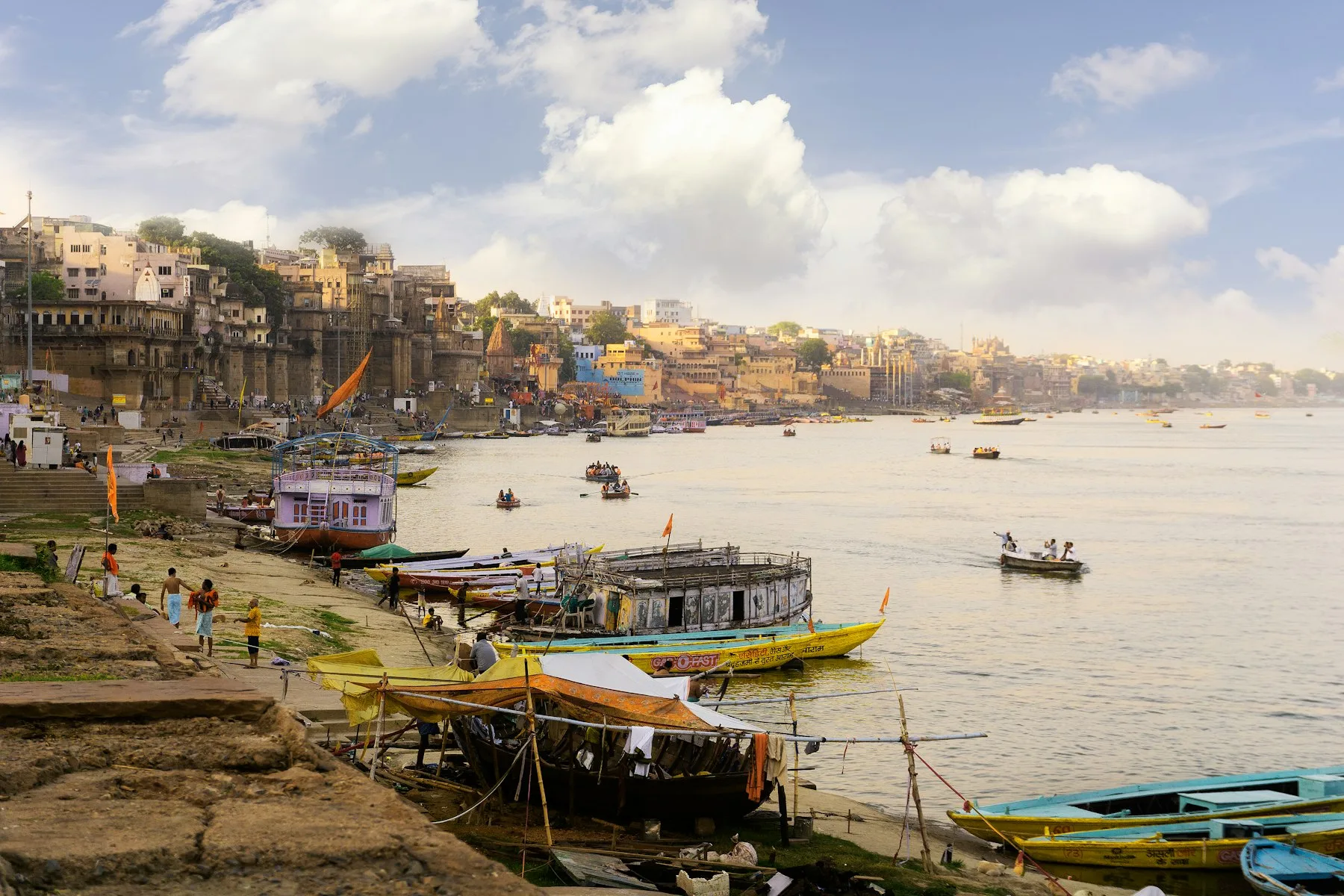
The Simhastha Kumbh Mela in Nashik in 2027: bathing dates, preparation, lodging and respectful conduct, with a clear line between confirmed and unconfirmed.
Once every twelve years millions of pilgrims gather in one of India’s four sacred cities to bathe in a river on especially auspicious days. In 2027 the turn comes to Nashik and neighbouring Trimbakeshwar in Maharashtra: the Simhastha Kumbh Mela, as it is called, began in October 2026 with a flag-hoisting ceremony and will last until summer 2028. For a traveller it is a chance to see one of the largest religious gatherings on the planet, but also a serious test: crowds, heat, transport restrictions and a rapid rise in lodging prices. We collected what is known at the end of 2026 from official statements and large Indian outlets and marked separately where sources diverge. This is especially important for the dates of the main bathing days: the whole trip is built around them.
- Formally the mela began on 31 October 2026 and will last until 24 July 2028.
- The main bathing days (“amrit snan”), according to the state government: 2 August, 31 August and 11 September 2027.
- The traditional name “shahi snan” was replaced by “amrit snan”; for the final bath in Trimbakeshwar 12 September is named.
- Some earlier reports gave other dates, so the trip plan should be checked against the official calendar.
What the Kumbh Mela is and why Nashik
The Kumbh Mela is a Hindu festival held in turn in four cities: Prayagraj, Haridwar, Ujjain and Nashik. By tradition each city hosts it once every twelve years, and intermediate “half” melas are held more often. Nashik and Trimbakeshwar stand on the bank of the sacred Godavari river, and it is to it that pilgrims come to bathe: the water on special days is believed to gain a purifying power. In 2027 the mela in Nashik is called Simhastha: the name is tied to the position of the planets that determines the calendar. For believers it is a spiritual event, not a tourist one, and you must behave here as at a service, not as at a festival. For a traveller this means one thing: come with respect and without attempts to “grab a shot”.
Dates: what is confirmed and what is not
According to Indian outlets, the mela officially began on 31 October 2026 with a flag-raising ceremony in Trimbakeshwar, Ramkund and Panchavati and will end on 24 July 2028. The main days for mass bathing are “amrit snan”. By the schedule announced by the state government, the first falls on Monday 2 August 2027, the second on 31 August, the third on 11 September. For Trimbakeshwar, according to one outlet, the final bath falls on 12 September. As a separate event in Nashik a city procession is named for 29 July 2027. But there is an important caveat: earlier publications named other dates, for example 29 July as the start of the main bathing, and we could not confirm whether the calendar changed later. So before buying tickets and booking lodging check the official site and the state authorities’ announcements.
Note one more change that outlets wrote about: the traditional name “shahi snan”, that is “royal bath”, was decided to be replaced by “amrit snan”. This means in publications of different years you may meet both terms, and they denote the same main bath. Do not be frightened by contradictory dates in old texts: look at dates in fresh official sources.
How the city is preparing
The authorities of Maharashtra are preparing large infrastructure in Nashik and Trimbakeshwar: a tent city for pilgrims, a ring road and repair of embankments. The head of the state government held meetings with leaders of the akhadas, that is monastic orders, and with the relevant departments; all services were told to finish work ahead of time. For an ordinary traveller this means two things. First, the city will have traffic restrictions on the days of big bathing, and approaches to the river will be closed. Second, some embankments and temples will probably be closed to ordinary tourists. Exactly which restrictions will apply will become clear nearer the dates: look for announcements by the city administration.
Is it worth going for a foreigner
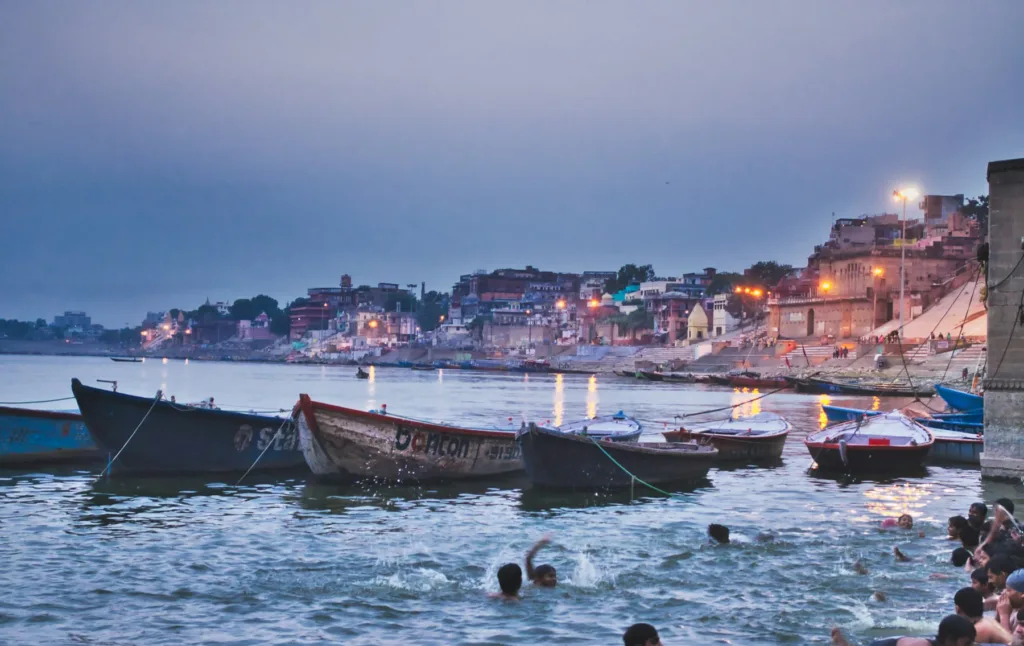
An honest answer depends on your mood. If you want to see a living religious tradition and are ready for crowds, it is a unique experience. But on the days of the main bathing hundreds of thousands of people gather on the river, and for an unprepared person it is hard: crushes, heat, poor sanitation, difficulty with transport and connection. So many recommend coming not on the bathing days themselves but several days before or after, when there are fewer people and the atmosphere is still felt. If you travel with children, older parents or have health problems, it is better to choose other dates or another city. We wrote about respectful behaviour at sacred rivers in the material on Varanasi: many rules coincide.
How to get there and where to stay
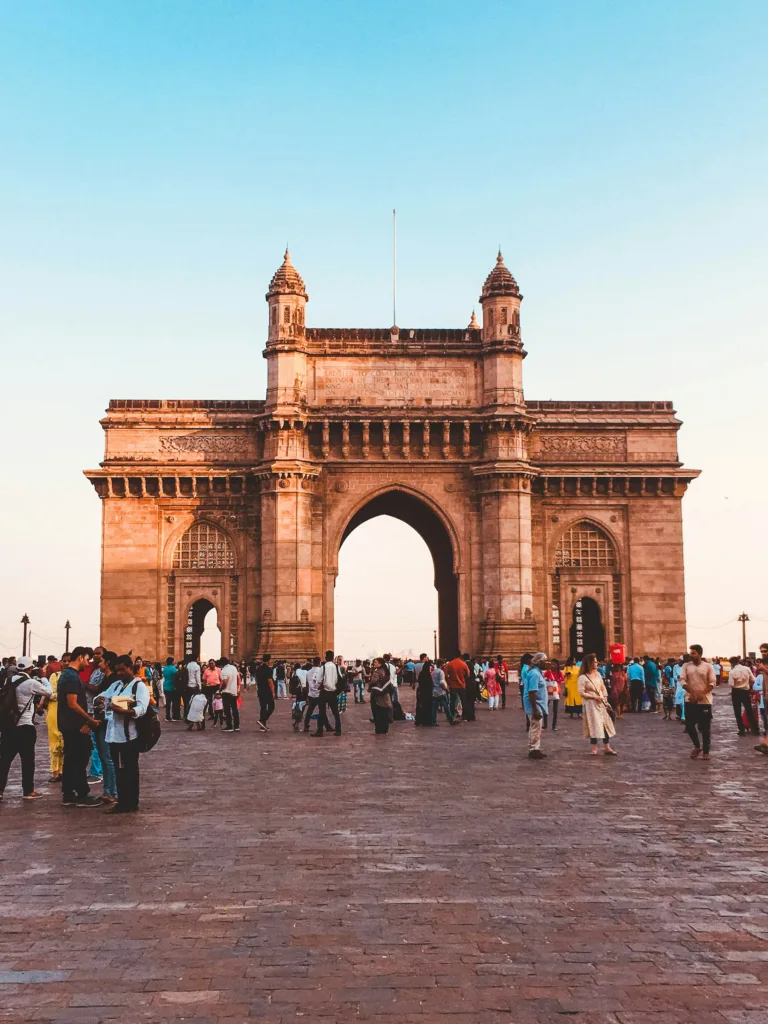
Nashik is in Maharashtra state and is linked with Mumbai by road and rail: the trip takes several hours, and for many travellers it is a natural route. We covered Mumbai in the article tours in Mumbai. On the days of the mela hotels and guesthouses in Nashik and around will be booked almost fully, and prices noticeably above usual. So do not put off booking, choose rates with free cancellation and check the distance to the river: nearer the centre it is never quiet, but getting around is easier. Look for a selection of India hotels in the section India hotels, and for the general calendar of holidays in the material festivals and holidays of India 2027 by month.
Visa and entry rules
For Russians an electronic visa works for India: we described it in detail in the material visa to India for Russians: the free e-visa. In addition, India discussed and prepared a reform of its visa system: details in the article Visitor Visa instead of a tourist visa: India’s visa reform. Arrange the permit in advance, check your passport validity and keep copies. If you go to a major event, keep documents and the hotel’s contacts with you: in a crowd checks happen more often than usual.
Safety and health
At mass religious events simple rules matter. Stay with a group or companion, agree on a meeting place in case you lose each other and keep your phone charged. Drink only bottled water and avoid street food of doubtful look. Take a hat, sun protection and a small first-aid kit. Do not enter the water on bathing days if you are not ready for the crowd and do not know local order: the current and the crush can be dangerous. Listen to announcements by authorities and volunteers: they will tell you where you may pass and where not.
How to behave with respect
The mela is not a spectacle but a religious rite. Dress modestly: shoulders and knees covered. Do not photograph people praying or bathing without permission, especially women and the elderly. Do not stand in the way of processions and do not try to push forward in a queue: if you are asked to step aside, step aside. Do not film with a drone without permission. Decline offers of “special places” for money: near big events there are always many intermediaries. A smile and “namaste” help more than any explanation.
What to bring
Clothes should be light and modest: cotton, long sleeves and trousers or a long skirt. Comfortable closed shoes that can be taken off quickly: you go to temples and onto steps barefoot, and on wet stones it is easy to slip. Take wet wipes, hand sanitiser, water, a hat, sunglasses and a small backpack that can be worn in front. Keep money and documents in a front bag and copies of your passport and visa separately. A charger and a spare battery for your phone will come in handy: in a crowd connection works worse and there are few sockets.
How to fit the mela into a route around India
If you go to India for 10–14 days, the mela is convenient to make the central point of a western route. Begin with Mumbai to get used to the climate and rhythm of the country, then go to Nashik for two or three days and return to Mumbai or head farther south, for example to Goa. It is better to go to the north on a separate trip so as not to stretch the route. If you plan the Ganges and Varanasi, take them for another season: standing in queues and crowds twice on one trip is tiring. For summer and autumn remember the rainy season: downpours can disrupt transport, and roads to the river will be slippery. Leave a spare day in the route for delays.
What to do if the crowd is not for you
If you realise a big crowd will not suit you, it is normal. Choose days outside the main bathing: the city will live by the festival but without extreme loads. See nearby temples and museums, go for a day to the hills or the vineyards around: Maharashtra is known not only for religious places. In the evening you can sit on the embankment and watch rituals from the side. And if you want precisely a powerful experience, think of a calmer alternative: a morning boat on the Ganges in Varanasi gives a feeling of a sacred river without such scale.
What we could not confirm
We did not find official recommendations specifically for foreign tourists: the authorities so far speak mostly about pilgrims. There is also no final data on how transport restrictions will be organised on bathing days. Sources diverge on dates, and part of the information dates from 2025 and may have changed. If you plan a trip, treat this article as a preliminary guide and check the official Kumbh Mela site and announcements of the Nashik administration.
Frequently asked questions
When is the main bath in Nashik in 2027?
By the state government’s schedule: 2 August, 31 August and 11 September 2027; dates should be checked against the official calendar.
Can a foreigner take part?
You can come as an observer, following the rules and respect for the rite; we found no special restrictions for foreigners.
Which is better: to come on the days themselves or earlier?
Many advise coming several days before the bathing or after it to avoid the crush.
Useful links
- Festivals and holidays of India 2027
- Visa to India for Russians
- India hotels
The Kumbh Mela does not need to be “visited”: it is enough once to see dawn meet thousands of people by the water and fall silent. The rest will come with respect for those for whom it is the main day of life.
Current as of November 2026. Dates, restrictions and rules change: check them on official sites and in the authorities’ announcements.