Comparing Japan's amusement parks: Tokyo Disney Resort and DisneySea, Universal Studios Japan with Super Nintendo World, the extreme Fuji-Q Highland and Nagashima Spa Land — what to choose for your trip.
Japan is a country where amusement parks are not limited to a single Disneyland: it has the world’s only DisneySea, it is where the fastest, steepest and longest roller coasters on the planet were invented and continue to be built, and hot springs sit alongside loops at 150 km/h. It is worth working out in advance where exactly to go — with children, with teenagers or for the adrenaline: tickets to the top parks sell out weeks ahead, and the distances between Japanese cities make a spontaneous trip from Tokyo to Osaka not the best idea.
Tokyo Disney Resort: two different parks, not one
Tokyo Disney Resort is effectively two separate parks on one site in Chiba, east of central Tokyo: the classic Tokyo Disneyland and Tokyo DisneySea. The second park is unique not only for Japan but for the whole world — it is the only DisneySea on the planet, and its theme differs noticeably from the familiar “Disney” set: instead of castles and parades — harbours, volcanoes and seven “ports of call” with a more grown-up, atmospheric aesthetic aimed more at teenagers and adults than at the smallest children.
An important practical detail that is often forgotten when planning: Tokyo Disney Resort has no hopper ticket between the two parks. Disneyland and DisneySea are sold separately, and you cannot visit both in one day — each park needs its own ticket for its own calendar date. This means that a trip for both parks automatically becomes at least two full days.
Ticket prices are “floating”, tied to a specific date and the level of expected crowds: an adult ticket for 2026 costs from 7,900 to 12,400 yen depending on the day — the highest prices fall on weekends, holidays and peak season, the lowest on weekdays outside school holidays. Tickets for teenagers aged 12–17 are from 6,600 to 9,000 yen, for children aged 4–11 from 4,700 to 5,600 yen.
The official Tokyo Disney Resort website does not accept all foreign cards — 3D-Secure verification often rejects Russian and other foreign Visa/Mastercard, and after several failed attempts the system may temporarily block your IP address. It is more practical to buy tickets in advance through aggregators like Klook, which accept almost any cards and show the price immediately in a familiar currency.
The easiest way to get to the resort from central Tokyo is on the JR Keiyo Line to Maihama station, from where the free Disney Resort Line monorail, linking both stations with the resort’s hotels and car parks, runs to the park entrance — the whole journey from Tokyo Station takes about 15–20 minutes. There are several official hotels of different levels on site, from budget to luxury, with early park entry for guests 15 minutes before the official opening — a detail that really saves time in the queues for the most popular rides at peak season.
At Disneyland the signature rides are concentrated around classic themes — Space Mountain, the Haunted Mansion, the Jungle Cruise; at DisneySea, “Journey to the Center of the Earth” inside an active volcano set and “Fantasmic!” stand out — an evening show on the water with projections and fireworks, which doesn’t run every day and requires a separate schedule check before the trip.
Universal Studios Japan: Super Nintendo World and the new Donkey Kong zone
Universal Studios Japan in Osaka is Disney’s main competitor for the title of the country’s best theme park, and for many video-game fans it clearly wins thanks to Super Nintendo World: a zone entirely devoted to the Mario universe, with the interactive Power-Up Band wristband, the Mario Kart: Koopa’s Challenge racing ride and real, physically tangible details — from the mushroom to the question blocks that you can “hit” with your hands.
In December 2024 a new zone was added to Super Nintendo World — Donkey Kong Country with the Mine-Cart Madness coaster, which significantly expanded the territory and the number of rides inside the “Nintendo” world. There is an important booking detail to know here: entry to Super Nintendo World requires a separate timed-entry ticket each day, even if you already have a ticket to the park itself — and guaranteed access can only be obtained through an Express Pass that explicitly specifies entry to the zone (not every Express Pass guarantees it — you need to look at the specific description when buying).
A regular one-day ticket costs from 8,600 to 11,900 yen depending on the date. The Express Pass is bought separately on top of the main ticket and often sells out weeks before the most sought-after dates — if Super Nintendo World is among the trip’s priorities, it is sensible to book the pass in advance rather than count on the box office on the day of the visit.
Besides Nintendo, the park has a full-fledged The Wizarding World of Harry Potter zone with a recreated Hogwarts castle and the “Harry Potter and the Forbidden Journey” ride, a Minions zone with family rides, as well as “Jurassic Park: The Ride” and a themed Monster Hunter zone, rare outside Japan. By visitors’ general impression, Disney wins on the beauty and upkeep of the grounds, while Universal wins on the intensity and variety of the rides themselves; the choice between the parks often comes down to precisely this balance rather than an objective “which is better”.
You can get to Universal Studios Japan from central Osaka on the JR Loop Line to Nishikujo station, changing to the Yumesaki Line to Universal City station — the journey takes about 15–20 minutes from the city’s central districts. The park is convenient to combine with a trip along the Kyoto — Osaka — Nara route: most travellers allot a separate full day to Universal, not trying to combine it with sightseeing in the city on the same day because of the size of the grounds and the number of rides.
Fuji-Q Highland: coasters people travel for specifically
Fuji-Q Highland at the foot of Mount Fuji, about 100 km west of Tokyo, is a park people go to not for the general atmosphere but for specific, officially record-setting rides. Fujiyama, opened back in 1996, was for a long time the world record holder for height and speed: 79 metres at the highest point, acceleration to 130 km/h, a track longer than two kilometres, and construction cost an amount equivalent to several tens of millions of dollars — for its time one of the most expensive coasters in history. Takabisha, launched in 2011, remains one of the steepest coasters in the world — the drop angle is 121 degrees, meaning that at the entrance to the descent the track literally curls backwards past the vertical, creating the sensation of falling backwards even before the main descent begins.
The park’s third most significant ride is Eejanaika, a coaster with seats rotating 360 degrees and legs dangling freely in the air: 14 full inversions make it one of the most “spinning” coasters of this type in the world, and the unpredictable combination of ordinary track movement with seat rotation amplifies the disorientation effect more strongly than classic looping coasters.
The legendary Do-Dodonpa, which accelerated from 0 to 180 km/h in just 1.56 seconds — one of the sharpest launches among the world’s coasters — was closed in August 2021 after a safety incident and is currently not in operation. If this ride was the purpose of your trip, check its current status on the park’s official website in advance before building a route around it — there are currently no confirmed dates for a possible relaunch.
Besides coasters, the park is known for its horror attractions: the walk-through “haunted house” Haunted Hospital (“Labyrinth of Fear”) takes about 50 minutes to complete and is considered one of the longest horror attractions in the world — actors dressed as hospital staff literally chase visitors through the corridors rather than just scaring them from ambush, as in most such attractions.
Entry to the Fuji-Q Highland grounds is free, and payment is either for individual rides or via the single Free Pass for unlimited rides, which in 2026 costs approximately 6,000–7,900 yen for adults, with date-based pricing as at Tokyo Disney. A separate bonus of the location is the views of Mount Fuji itself, which open from some coasters and viewpoints of the park in clear weather, which makes Fuji-Q not only an attraction but also a reason to see the mountain from an unusual angle. You can get there by direct bus from Shinjuku station in Tokyo (about two hours) or by train to Fujikyu-Highland station with a change at Otsuki — the park is convenient to combine with a one- or two-day trip to the Fuji Five Lakes area.
Nagashima Spa Land: the world’s longest coaster and an onsen in one complex
The Nagashima Resort complex in Mie Prefecture, near Nagoya, combines a large amusement park, a summer water park, a full-fledged thermal complex with hot springs and a large outlet mall, Mitsui Outlet Park Jazz Dream Nagashima — a combination of adrenaline, shopping and relaxation on one site that is rare among theme parks. The park’s main star is Steel Dragon 2000, opened in August 2000: 2,479 metres of track, a height of 97 metres, a speed of up to 153 km/h — when it opened the coaster became at once the longest, tallest and fastest continuous (without inversions) coaster in the world, and the record for track length still stands more than two decades after opening.
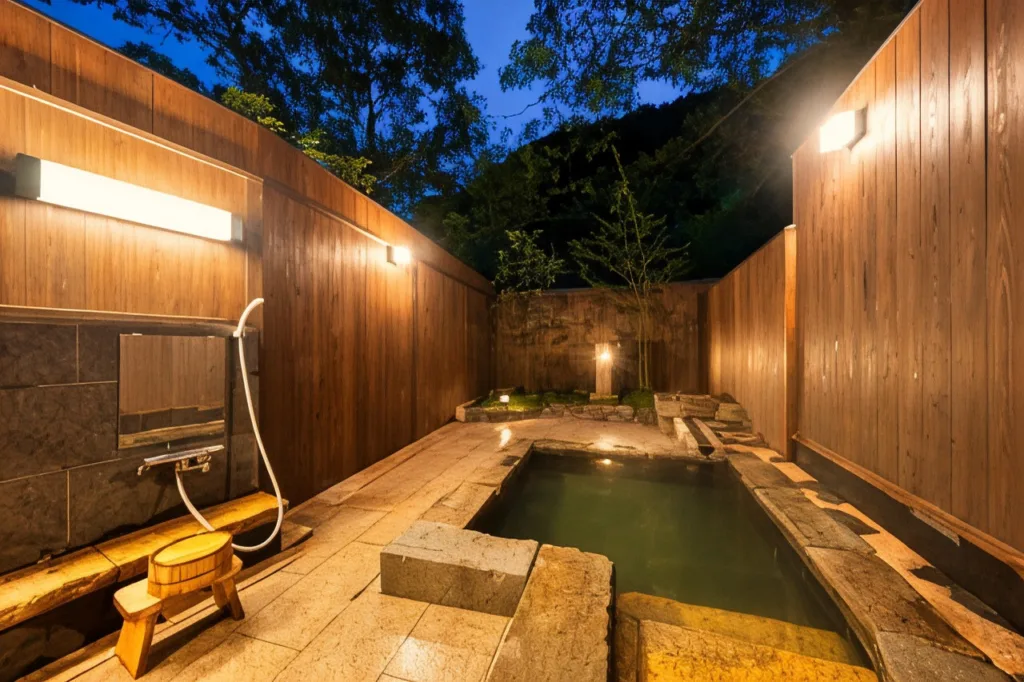
In summer the grounds have a water park with slides and a large pool, and the complex itself combines all this with a real onsen — you can spend the day on the coasters and end the evening in a hot spring without leaving the resort. Next door is Nabana no Sato — a flower park that turns in winter into one of Japan’s largest light illuminations: the 2026–2027 season runs from 17 October to 31 May — almost eight months, the longest illumination season in the country. For those travelling from Nagoya, the whole complex — Steel Dragon, onsen, outlets and, in season, the Nabana no Sato illumination — fits into a convenient day trip rather than a separate multi-day journey.
Other parks worth knowing
Besides the main four destinations, Japan has several more parks with their own audience. LEGOLAND Japan in Nagoya is aimed at young children — a construction-toy theme, gentler rides without sharp coasters, miniature copies of Japanese cities made of LEGO bricks and a separate Sea Life aquarium next door, which is convenient to combine with a park visit in one day. Sanrio Puroland in Tokyo is an indoor park for fans of Hello Kitty and other Sanrio characters, with shows and parades indoors, which makes it a good option in rainy weather or for families tired of the heat in open-air parks.
Huis Ten Bosch in Nagasaki is an unusual “Dutch” theme park with copies of canals, windmills and 17th-century European architecture, more an atmospheric and photogenic destination for walks and photo shoots than an amusement park in the classic sense; its grounds also host their own seasonal light illuminations that compete in scale with Nabana no Sato. For families planning a trip around Kyushu, not only the main Tokyo — Kyoto — Osaka route, Huis Ten Bosch becomes a logical addition to the programme rather than a separate special trip.
Season, weather and when it is best to go
Japan’s large parks operate year-round, but the season of the visit noticeably affects both comfort and crowds. Golden Week at the end of April and beginning of May and the summer holiday period (end of July — August) are peak load for all the country’s parks: queues for popular rides at Tokyo Disney and Universal Studios Japan during these weeks can stretch to two or three hours even with the electronic queue system. A similar situation arises during the New Year holidays — from the end of December to the first days of January.
The best time for a visit without extreme crowds is weekdays in mid-September to November (comfortable temperature, minimal rain) or in February to early March, before the start of the cherry blossom season. The water park at Nagashima Spa Land works only in the summer season, usually from July to early September — if your trip falls at another time of year, count only on the park’s dry rides. The coasters of Fuji-Q Highland and other open-air parks may temporarily suspend operation in strong wind, thunderstorm or typhoon — the typhoon season in Japan falls mainly in August–October, and during this period it is worth building a spare day into the route in case of bad weather.
How to choose: for a family, teenagers or for the adrenaline
For a trip with small children Tokyo Disneyland is the most logical — gentle rides, recognisable characters, well-thought-out infrastructure for strollers. DisneySea suits a family with older children or a couple without children — the atmosphere here is more grown-up, and some of the rides are more intense. Universal Studios Japan is the choice for families with children of any age who are into video games: Super Nintendo World is equally interesting to a seven-year-old and an adult Mario fan, and the Harry Potter and Minions zones widen the audience further.
For teenagers and adults who care specifically about the intensity of coasters rather than atmosphere, Fuji-Q Highland and Nagashima Spa Land are the priorities — both are aimed primarily at rides rather than shows and characters. If your trip passes through Osaka — it is logical to add a day at Universal; if through Nagoya — Nagashima Spa Land or LEGOLAND, depending on the age of the group.
From a budget point of view, Fuji-Q Highland and Nagashima Spa Land are on average cheaper than Disney and Universal — entry to the grounds is either free or noticeably lower than the cost of a full ticket to a Disney-calibre theme park, and a Free Pass for rides works out cheaper than a day at Tokyo Disney Resort. If the trip budget is limited and you want to visit several destinations, it is sensible to choose one Disney- or Universal-level park as the main event of the trip and add Fuji-Q or Nagashima Spa Land as a more budget day trip without a separate overnight stay.
A separate factor in the choice is how fundamentally important the characters and shows are, as opposed to the mechanical rides themselves. Disney and Universal sell not only coasters but a whole atmosphere: parades, themed restaurants, actor interaction with guests, limited merchandise for seasonal events. Fuji-Q Highland and Nagashima Spa Land are in this sense more honest and direct — their product is precisely coasters and speed, without the extra wrapping of stories and characters, which for some visitors is a plus rather than a minus.
Food and souvenirs on site
All the country’s large parks have a developed network of cafés and restaurants right on the grounds — from fast food to themed establishments with seating and a full menu. At Tokyo Disney Resort and Universal Studios Japan food prices inside are noticeably higher than in the city, and the most popular themed restaurants (for example, with a view of the water in DisneySea) require booking in advance through the park’s app, especially for lunchtime and evenings at weekends. At Fuji-Q Highland and Nagashima Spa Land the choice of food is more modest, but prices are noticeably lower — fast food and simple chain establishments prevail over themed restaurants.
Souvenirs are a separate expense item, especially at Disney and Universal: limited series for seasonal events (Halloween, Christmas, park anniversaries) are sold only on the days of the event and run out quickly, and some popular items are deliberately kept scarce to stimulate demand. If a specific souvenir is part of the trip plan, it is sensible to check its availability through the park’s official app before the visit rather than count on finding it on the spot.
Tickets and practical tips
The main rule for all of Japan’s large parks is to buy tickets in advance rather than count on the box office on the day of the visit. This is especially critical for Tokyo Disney Resort in high season (Golden Week at the end of April and beginning of May, summer holidays, New Year holidays) and for the Express Pass with guaranteed entry to Super Nintendo World, which can run out weeks before the date.
If the goal of the trip is both Disney parks, allow at least two days in a row: separate tickets without a hopper make a one-day visit to both physically impossible. For Universal Studios Japan it is sensible to book the Express Pass with specific rides named in advance, especially if Super Nintendo World is the trip’s priority rather than an optional bonus.
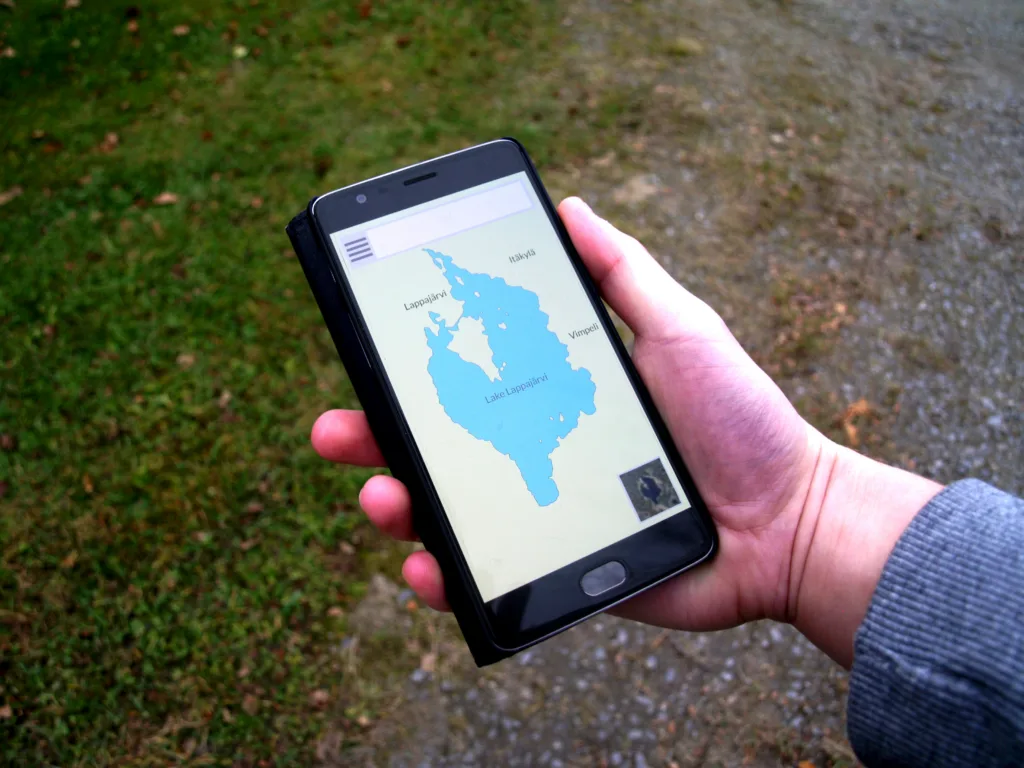
All the country’s large parks use their own apps with a map of the grounds, a show schedule and an electronic time-booking system for the busiest rides (an analogue of Fast Pass, only digital) — it is worth installing the app and creating an account in advance, before the day of the visit, so as not to waste time in the park registering over unstable Wi-Fi at the entrance. Most parks accept card payment at the entrance and inside the grounds, but for food at street stalls and small souvenirs it is worth keeping a little cash in yen — not all points of sale are equipped with terminals.
Since the electronic queue and ride time booking work through the app right on the park’s grounds, stable mobile internet is not an option but a practical necessity: a pocket Wi-Fi router or a local SIM card, picked up in advance at the airport or ordered with delivery to the hotel, removes the risk of being left without a connection at exactly the moment you need to book a time for a popular ride before the slot is taken by other visitors.
Frequently asked questions
Can I visit Tokyo Disneyland and DisneySea in one day? No, the parks have no hopper ticket — each is sold separately for a specific calendar date, and visiting both requires at least two days.
Do I need to buy the Express Pass at Universal Studios Japan in advance? Yes, especially if the goal is guaranteed entry to Super Nintendo World: suitable Express Passes that include this zone often sell out weeks before the date.
Is the Do-Dodonpa coaster at Fuji-Q Highland still operating? At the time of writing the ride has been closed since August 2021 — check the current status on the park’s official website before the trip.
Which park should I choose with small children — Disneyland or DisneySea? Disneyland: it is gentler in atmosphere and better suited to the smallest, while DisneySea is designed for a more grown-up audience.
Can I pay with a Russian card on the official Tokyo Disney Resort website? Often not — the 3D-Secure system frequently rejects foreign cards, and after several failed attempts may temporarily block your IP; it is safer to buy through aggregators like Klook.
Is it worth going to Fuji-Q Highland for the views of Fuji and not only for the coasters? Yes, in clear weather views of the mountain open from some rides and viewpoints of the park, which makes the visit interesting even for those who are not thrilled by extreme coasters.
Can I combine Nagashima Spa Land with a day trip from Tokyo? Formally yes, but it is more comfortable to do it from Nagoya — the journey from Tokyo by Shinkansen and then local transport takes a noticeable part of the day, while from Nagoya the road to the park takes about an hour.
Does the water park at Nagashima Spa Land work all year round? No, the water part of the complex is open only in the summer season — roughly from July to early September; at other times only the dry rides and coasters are available.
Do I need to download the park app before the trip? Yes, practically all of Japan’s large parks use their own apps with a map of the grounds and a digital time-booking system for popular rides — it is more convenient to set up the account in advance rather than in the queue at the entrance over unstable Wi-Fi.
Do I need mobile internet right inside the park? Practically essential — booking time for popular rides and the electronic queues work through the app on the grounds, and without a stable connection you can miss free slots while other visitors take them.
See also: a 10–14 day route around Japan, the season in Japan, where to stay in Tokyo.