Locals' life hacks in Thailand: how Thais save on food, transport, tours, shopping, connectivity and housing — a practical guide, not tourist tips.
Thais won’t tell you about their money-saving life hacks in a first conversation — this is not secrecy but simply habit: what is a “trick” for a tourist is an ordinary Tuesday for a local. A waiter in a café for Thais will be genuinely surprised if you ask why lunch costs 40 baht rather than 150, as in the café opposite with an English menu: for him these are two different worlds, not two price tags for the same dish. In this article: specific life hacks used by Thais themselves and by foreigners who have lived in the country for more than one season — how to save on housing, food, tours, shopping, connectivity and transport without cutting corners where it is dangerous or disrespectful to local people.
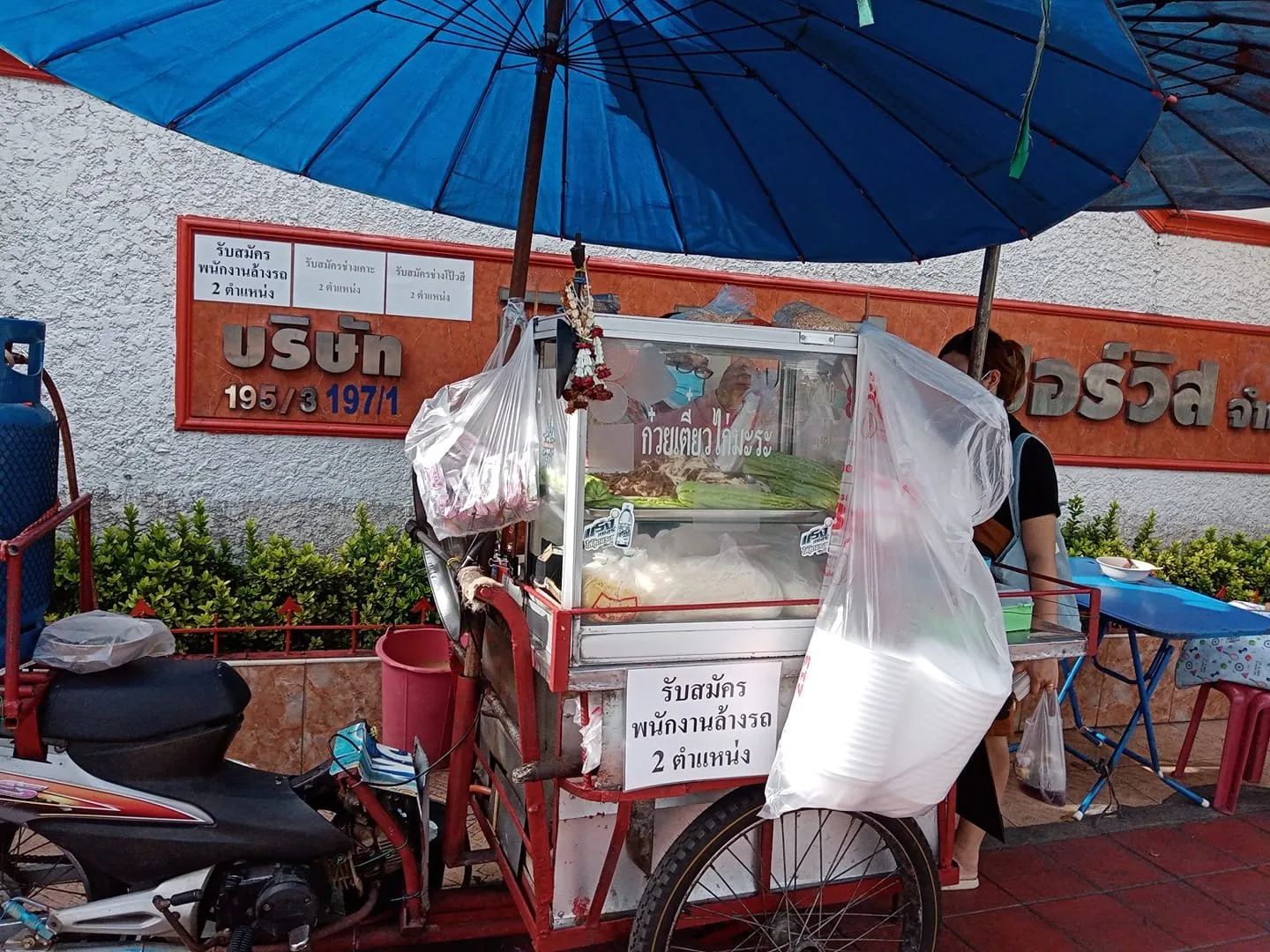
- Food: a plate at a street market is 40–80 baht versus 150–300 in a café with an English menu.
- Transport: songthaews and city buses are many times cheaper than taxis; between cities a night bus or train saves both the ticket and a night in a hotel.
- Connectivity: a SIM from 7-Eleven or a telecom shop is 30–50% cheaper than one at the airport.
- Tours: a day tour directly from a local operator in Krabi or Chiang Mai is cheaper than through a hotel or an aggregator.
- Shopping: markets without price tags — haggling is appropriate; in supermarkets and chain stores prices are fixed.
- The main principle: the price almost always depends not on the item but on who, in the seller’s opinion, is standing in front of them.
Why Thailand has “two price lists”
The economy of tourist Thailand works on two parallel levels. The first is for locals: markets, canteens without English signs, songthaews, pharmacies in residential areas. The second is for tourists: restaurants with menus in several languages, travel agencies by hotels, shops on the main streets of resorts. The price difference between them easily reaches two or three times for the same product or service — and this is not deception but simple market logic: the tourist business builds into the price the rent in a good location, intermediaries’ commission and the guest’s willingness to pay without haggling. The thrifty traveller’s task is not to avoid the tourist level altogether, but to consciously choose where they are ready to overpay for convenience and where not.
Housing: where locals and long-term guests look
Tourist booking sites show barely half of the real supply. Thais and foreigners who live in the country for months more often look for housing through local groups in messengers, notice boards at hostel entrances, or simply agree directly with the owner of a guesthouse a month ahead — in a personal conversation the price almost always drops by 15–30% compared with the booking site, because the owner doesn’t pay the aggregator’s commission. In Chiang Mai and on Samui this is especially noticeable: a monthly rent of a room booked directly may cost half as much as the same room rented by the night through an app. If you plan to stay somewhere longer than three or four nights, it is always worth asking reception “and what about for a week” — a long-stay discount is not advertised but applies almost everywhere.
Food: how to tell a place for Thais from a place for tourists
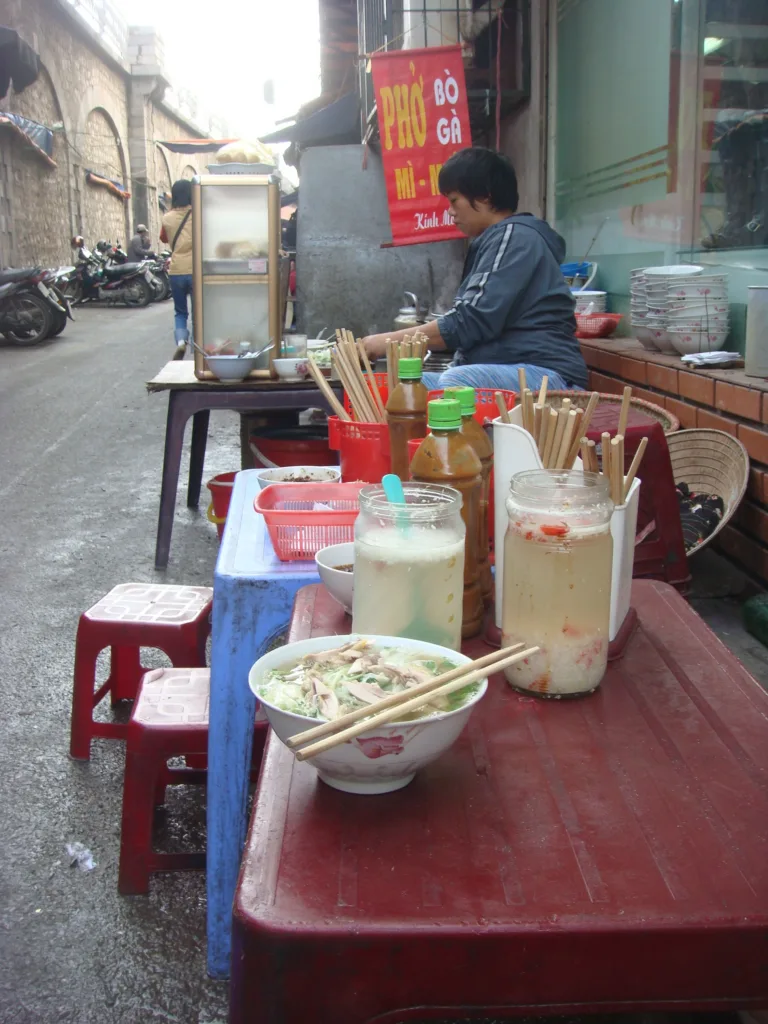
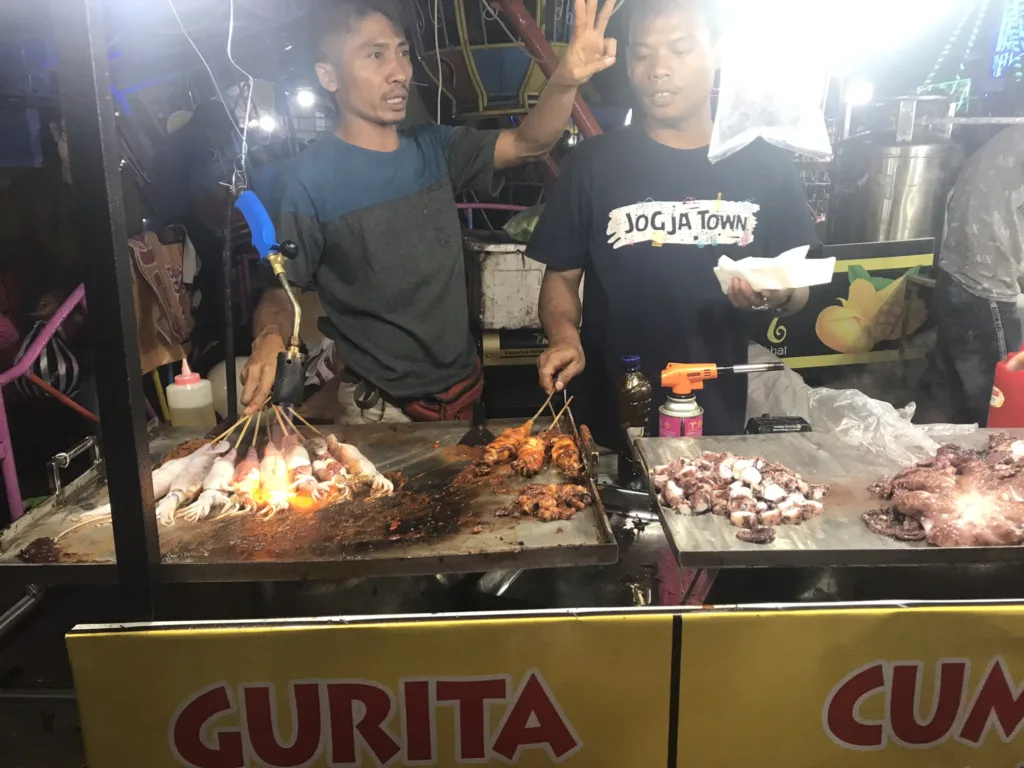
The most reliable indicator is the queue. If mostly Thais stand at the counter and the menu is written only in the Thai alphabet or not written at all, the price will be fair: 40–80 baht for a full portion of noodles, soup or rice with meat. If the menu is duplicated in English with photos of the dishes and tables with tablecloths stand nearby, prepare for a price two or three times higher for a similar dish. This doesn’t mean such places are bad: sometimes the difference is justified by comfort and cleanliness, but if the goal is to save, look for carts and stalls without photo menus. Another local life hack is 7-Eleven and similar convenience stores: ready hot food there costs 30–50 baht and is not considered “food for the poor”, as some tourists think — Thai office workers lunch there daily. And finally, temple markets and evening markets in residential districts, rather than on tourist streets, are always cheaper than similar stalls in the centre of resort zones.
Transport: songthaews, buses and overnight journeys
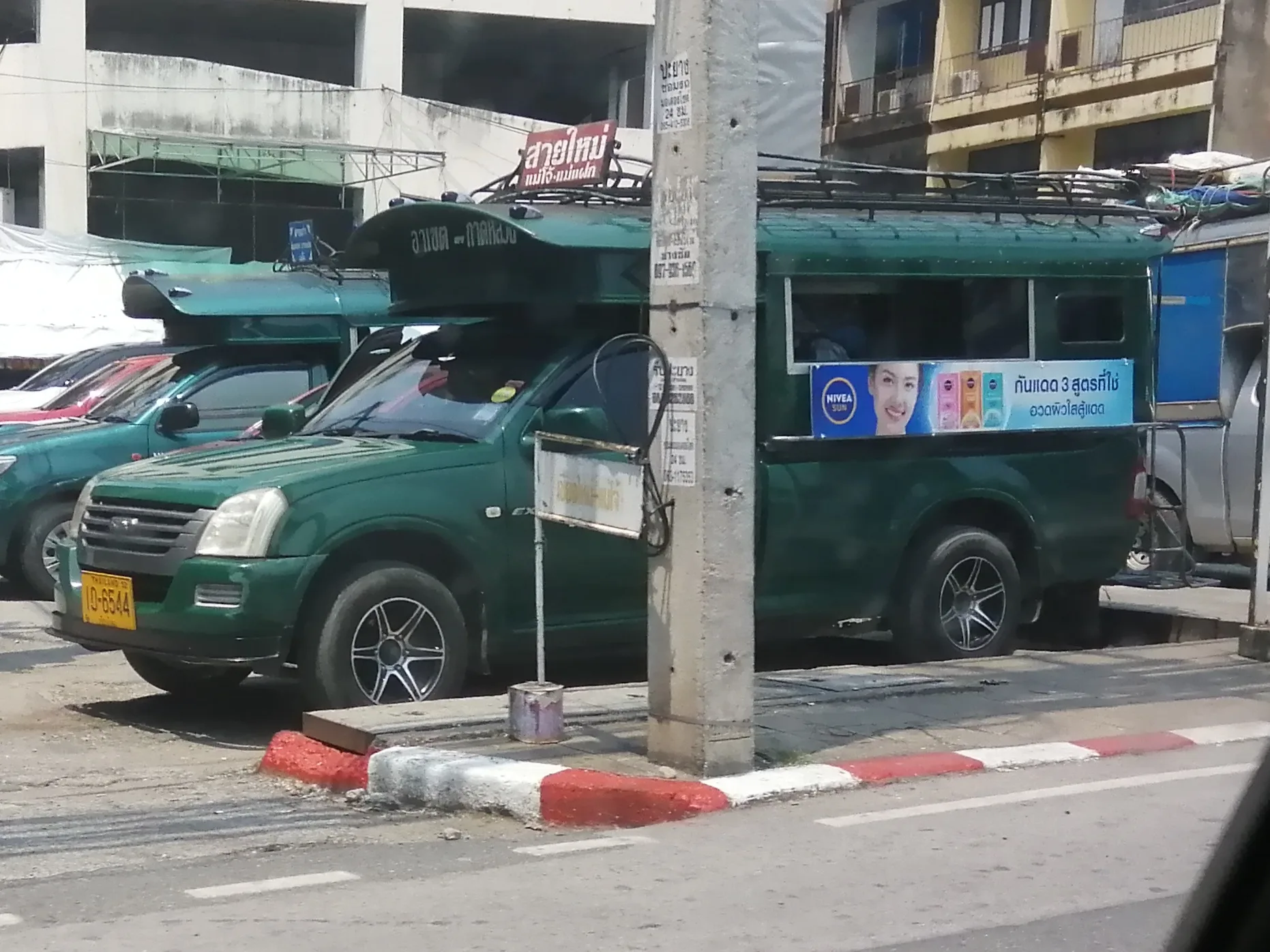
Taxis and tuk-tuks are the most visible but not the cheapest way of getting around. In Chiang Mai and provincial towns locals use songthaews — open pickup trucks with two benches in the back that travel along an approximate route and cost 20–30 baht for a ride around town, versus 100–150 for a taxi. In Bangkok the BTS Skytrain and the MRT metro are cheaper than taxis and don’t stand in traffic jams — locals almost never take a taxi at rush hour for exactly this reason. Between cities the key life hack of backpackers and of locals going to visit relatives in another province is a night bus or train: the ticket is usually cheaper than a daytime one, and you also save a night in a hotel by arriving at your destination in the morning. When agreeing a price with a tuk-tuk or motorbike taxi driver, always confirm the sum before getting in, not after the ride — this is standard practice used by Thais themselves when they take an unfamiliar driver.
Tours and excursions: why the hotel is not the best intermediary
A travel agency desk at a hotel is the most convenient but usually the most expensive way to book an excursion: the hotel’s commission is built into the price, sometimes 20–40% on top of the operator’s cost. Locals and experienced backpackers book tours in one of three ways: directly at the operator’s office on a tourist street (in Krabi, Chiang Mai and Phuket such offices stand every other door), through a recommendation from the administrator of a small guesthouse without commission, or at the last moment on the spot — the evening before the desired date, when operators sometimes lower the price to fill the remaining places in a group. Comparing prices at two or three operators on one street is normal practice that takes five minutes and can save hundreds of baht. And always check what exactly is included: lunch, snorkelling equipment, national park entrance tickets — prices without these details cannot be compared directly.
Shopping: markets, outlets and when not to haggle
The rule is simple: where there is no price tag, haggling is appropriate and expected — markets, souvenir shops, tuk-tuks without a meter. Where there are price tags — supermarkets, chain stores, pharmacies — haggling is not customary and pointless. At markets without price tags the seller usually builds in a haggling margin of 20–40% of the initially named price; bringing it down politely and with a smile is a normal part of a purchase, not rudeness. A useful local trick is to pretend to walk away: often the seller calls after you and offers the final price at exactly that moment. For clothes and shoes look for local markets like weekend bazaars rather than shops on tourist streets — the price difference for a similar item can be threefold.
Connectivity: where to buy a SIM card
SIM card counters in the airport arrivals area are the most convenient but also the most expensive option: the price for the same data package may be 30–50% higher than in a city telecom shop or at 7-Eleven. The local operators — AIS, DTAC, True — sell tourist SIM packages in any of their shops at a fixed price lower than at the airport. If you plan to stay in the country for more than two or three weeks, look at ordinary local plans with monthly payment instead of weekly tourist packages — they are almost always better value per day. Registration takes five minutes with a passport in any telecom shop.
ATMs and currency exchange: hidden fees
Thai ATMs almost everywhere charge a fixed fee for withdrawals with a foreign card — now usually a few hundred baht per transaction regardless of the amount. Hence the simple conclusion used by everyone who lives in the country for long: withdraw money less often but in larger sums rather than a little every day. It is better to exchange cash currency not at the airport or in a hotel but at specialised exchange points in the city — the difference in rate can be several percent, which on a large sum is already noticeable. Cards with free withdrawal abroad, if you have one, are almost always better value than cash at any sum.
Five rules that work for locals and should work for you
Ask the price before, not after. This applies to tuk-tuks, motorbike taxis, tours and even some street stalls without price tags.
Eat where there is a queue of Thais. The most reliable indicator of food that is both tasty and fairly priced.
Compare at least two offers. For tours, bike rental and housing for a week or longer, comparison saves more than any single haggle.
Withdraw cash less often and in larger amounts. The ATM fee is fixed, not a percentage, so the bigger the sum, the smaller the loss per baht.
Respect the context. Haggling at a market is normal; haggling in a supermarket or demanding a local price where none exists is not.
Apps Thais themselves use
Tourists often install only Grab, but Thais use a whole set of apps that give fairer prices. Bolt in big cities is often cheaper than Grab on a similar route — locals compare the price in both apps before ordering, in ten seconds. Line Man is a food delivery and taxi app originally created for the Thai market, and is often better value than international analogues on short trips. For purchases and food coupons many Thais use the apps of particular restaurant and shop chains, where discounts of up to 30–50% regularly appear, unavailable with ordinary payment. Installing two or three local apps instead of one international one is a simple way to compare prices and save without any haggling.
Weekend markets versus daily markets
In Bangkok and big cities there is a difference between daily markets by metro stations and large weekend markets like Chatuchak. At weekend markets prices are higher from the start because tourists and collectors go there specially, and competition between sellers is lower because of the huge flow of buyers. Locals prefer small daily markets in their own districts: there is less choice of unusual souvenirs, but prices for everyday goods — clothes, shoes, household items — are noticeably lower, and sellers are more willing to give discounts to regular customers. If you need a souvenir to remember the trip, a weekend market is justified; if you need a T-shirt or flip-flops for yourself, look for a district market.
Medicine and pharmacies: where Thais buy medicines
Pharmacies at big hospitals and in tourist areas are usually 20–40% more expensive than ordinary district pharmacies for the same drugs. For simple medicines — for colds, upset stomach, sunburn — Thais go to the nearest district pharmacy with a green cross, where the pharmacist can often advise on the spot without a visit to a doctor and sell many drugs without a prescription. For serious cases state hospitals cost much less than private clinics for foreigners, although the wait may be longer. Always carry a copy of your medical insurance and a list of the medicines you take — this speeds up any visit.
What even experienced travellers often forget
Insurance rarely makes it into the daily budget, but its absence can cost more than the whole trip if a bike injury or food poisoning occurs. The deposit for a scooter rental is sometimes not returned in full for the slightest scratch — photograph the vehicle from all sides before and after rental and keep the photos. Fines for an overstayed visa grow every year and the rules change — always check the current conditions for your citizenship before the trip rather than relying on forums from past years. And finally, renting a bike without a licence of the right category can lead to insurance problems in an accident — even if local rental shops willingly hand over a bike without documents.
Long-term stay: Chiang Mai as a base for saving
If you plan to stay in Thailand for a month or longer, Chiang Mai remains one of the most budget-friendly large cities in the region for this kind of life: a monthly studio rent, coworking spaces with inexpensive membership and an abundance of cheap food make it popular among those who combine travel with remote work. A detailed breakdown of a monthly budget is in our article on the monthly budget in Chiang Mai. For moving between cities see the article on transport in Thailand, and for the seasonality of prices the seasons of Thailand.
FAQ
How much cheaper is street food than a café? Two to three times: 40–80 baht at a market versus 150–300 in a café with an English menu.
Where is it best to buy a SIM card? In a city telecom shop or at 7-Eleven, not at the airport — a difference of 30–50%.
Is it worth booking tours through a hotel? Usually not: direct booking with an operator on the spot is 20–40% cheaper.
Can I haggle in supermarkets? No, only at markets and with sellers without price tags.
How can I save on moving between cities? A night bus or train saves both the ticket and a night in a hotel.
What is most often forgotten in the budget? Insurance, a bike deposit and possible visa fines.
Prices and rules change depending on the season and currency rates — check current information on the spot.