How the Balinese save: life hacks on food, scooters, housing, tours, shopping and connectivity in Bali — practical tips from locals and long-term expats.
In Bali the price of the same smoothie bowl can differ fourfold depending on whether the café stands on Canggu’s main street or in a lane five minutes’ walk away. The Balinese rarely explain this difference to tourists — it simply exists, and locals use it daily: they have lunch at warungs, rent a scooter directly from a neighbour rather than through an agency by the hotel, and never buy a SIM card at the airport. The island lives by two parallel price lists — for guests with villas and for those who live here for months — and the difference between them can be half of the trip budget. In this article: specific life hacks from local residents and long-term expats — how to save on housing, food, transport, tours, shopping and connectivity in Bali.
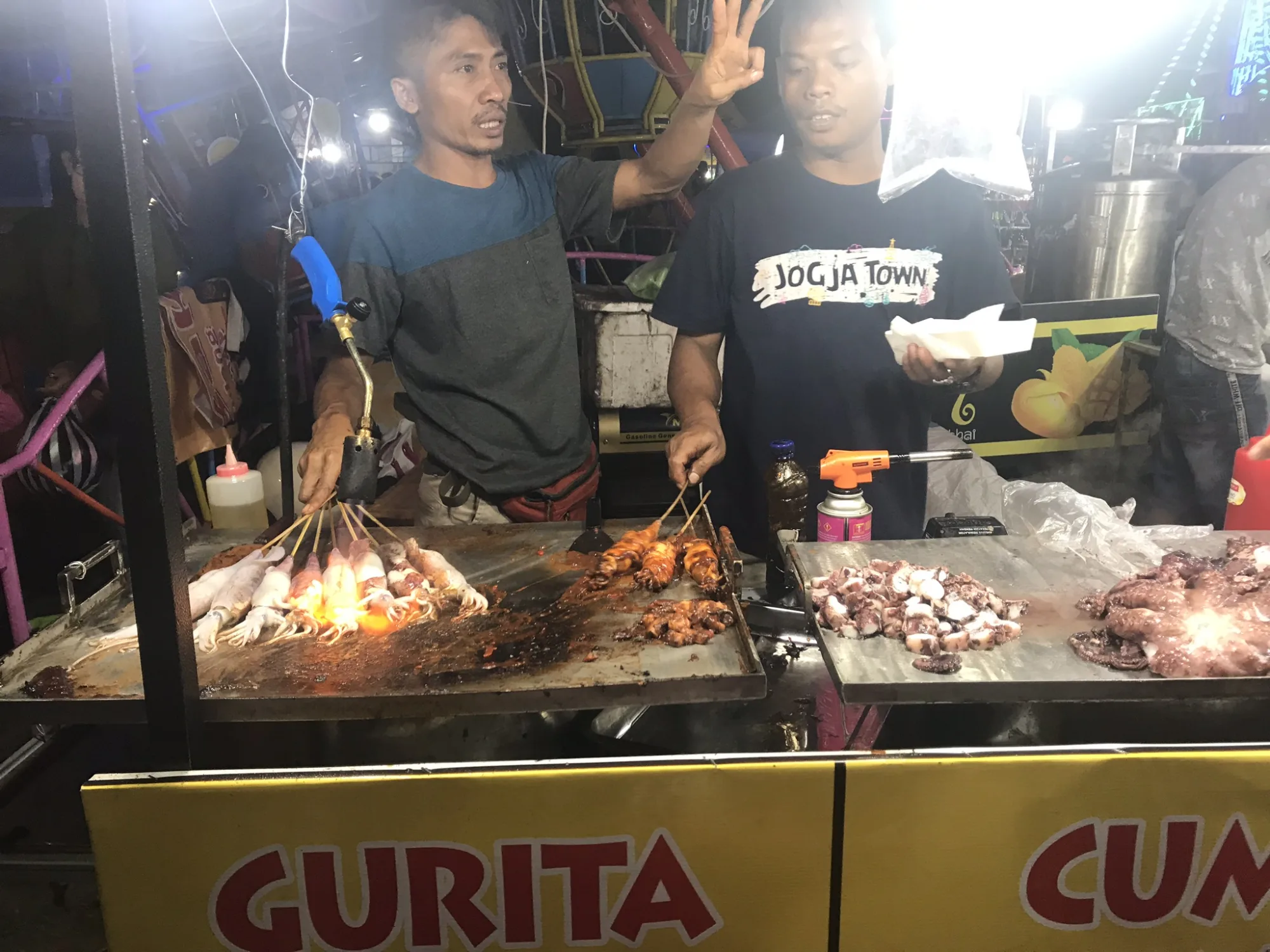
- Food: a warung — 1.5–3 dollars for a full portion versus 8–15 in a café for tourists.
- Transport: renting a scooter directly from locals — 40–60 thousand rupiah a day versus the travel agencies’ markup.
- Connectivity: a local SIM from a mobile shop is two to three times cheaper than one at the airport.
- Housing: a direct agreement with a villa or guesthouse lowers the price by 15–30% compared with a booking site.
- Tours: entry to temples and waterfalls is cheaper without an agency intermediary.
- The main principle: the closer to the main tourist street, the higher the markup, often several times over.
Why Bali has such a difference in prices on neighbouring streets
The island lives on tourism, but the tourist flow is distributed unevenly: Canggu, Seminyak and central Ubud get the bulk of guests, and therefore the bulk of the markup on rent, staff and produce for “Instagrammable” venues. The Balinese who work in these same districts live and eat a couple of blocks from the tourist streets, where prices are completely different — long-term expats live there too, having long ago realised that moving to the next street saves half the budget without loss of quality of life. This doesn’t mean you should avoid beautiful places on the seafront, but it is useful to understand that what you pay there is the price for the view and atmosphere, not for the food or service itself.
Food: a warung instead of a smoothie bowl with a rice-field view
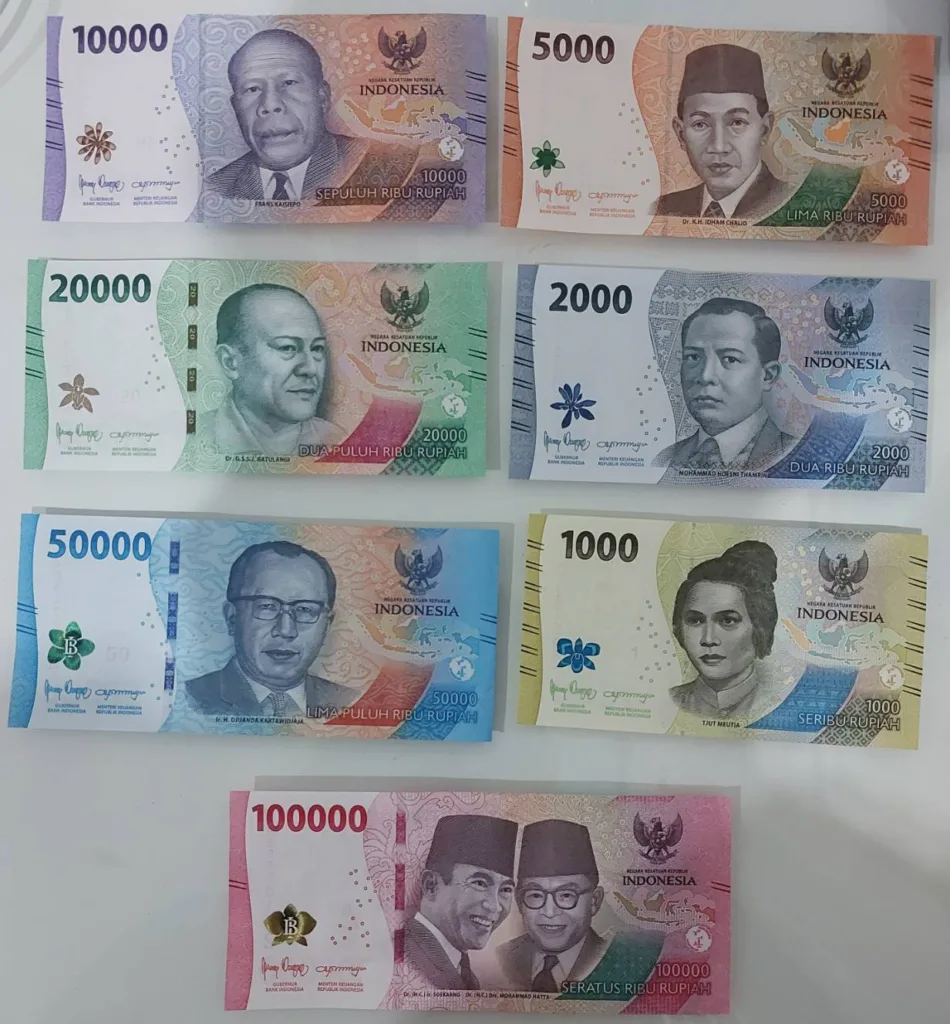
A warung — a small family café with home-style Indonesian food — serves nasi goreng, gado-gado or mie goreng for 15–25 thousand rupiah (1–1.5 dollars). Cafés with smoothie bowls, avocado toast and a view of the rice terraces in the same districts charge 80–150 thousand rupiah for a meal of similar heartiness. Both formats are legitimate, but if the goal is to save, alternate: breakfast at a warung, lunch at a tourist café if you want atmosphere. Locals eat at warungs constantly and do not consider it a compromise — for them it is simply normal food, not an “economy option”.
Transport: renting a scooter directly and Grab instead of street drivers
Renting a scooter through a travel agency or a desk at a hotel is usually 30–50% more expensive than a direct agreement with a local or with the owner of your guesthouse — ask at reception, and almost always there is a neighbour or relative who rents out a bike more cheaply. The price falls even further when renting for a week or longer instead of daily. In the cities Grab and Gojek operate — local taxi and delivery apps that give a fixed price before the ride and are almost always cheaper than the private drivers who offer their services on the street by hotels and restaurants. When agreeing with a street driver directly, compare the price with what the app shows for the same route.
Housing: how to get a discount from a villa directly
Villas and guesthouses in Bali are mostly run by families or small local companies, and the owners are happy to lower the price for a direct booking via Instagram, WhatsApp or email — booking sites take 15–20% commission, and part of that sum the owner is ready to return to you as a discount. When renting for a month or longer the price is almost always negotiable and not reflected on public pages — direct negotiation with the villa owner can cut the monthly cost by 20–30% compared with the nightly rate multiplied by the number of days. For more on long-term rental see our articles on renting a villa in Bali for a month and the typical mistake with a villa deposit.
Tours and temples: a ticket without an intermediary
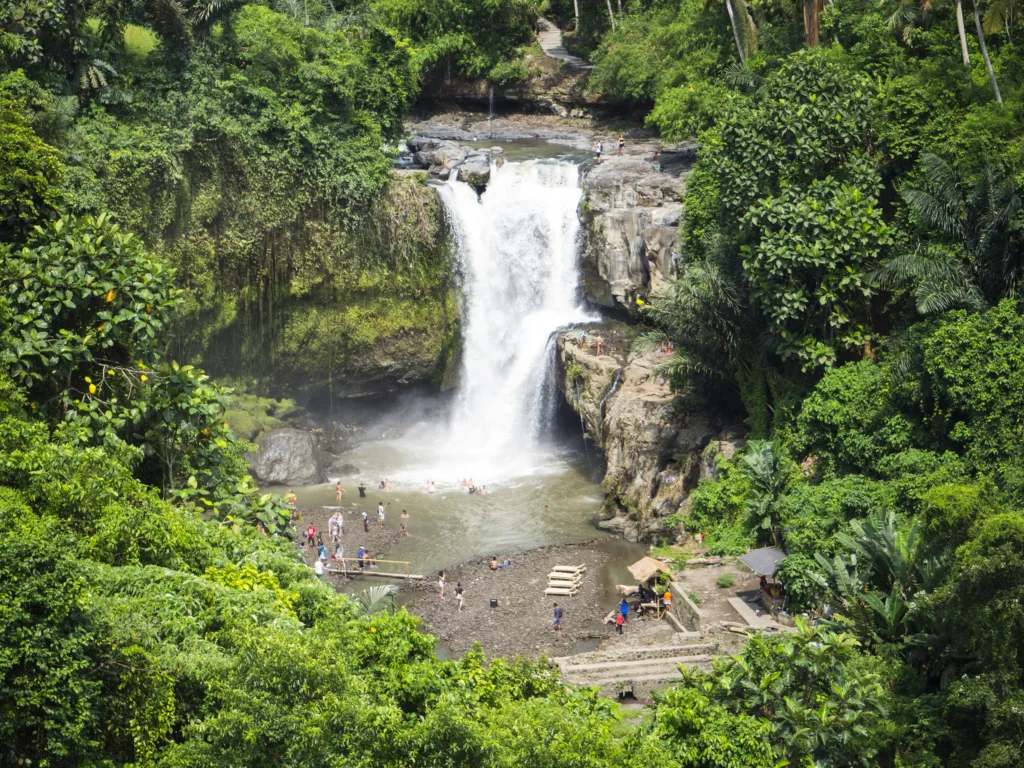
Entry to most temples and waterfalls in Bali is paid on the spot to the village administration, and the price is fixed — overpayment arises only if you book a “tour with a guide” through an agency where all you actually need is transport and entry. For single sights like Tegalalang, Tirta Empul or Tegenungan Waterfall it is wiser to take a driver for half a day directly than to buy a package tour with a markup for organisation that you can easily arrange yourself. For complex routes like Lempuyang or Sekumpul, which require an early start, the cost of a day with a driver is still better value than a group tour if there are two or more of you. More in our guides to the Gates of Heaven and the waterfalls of Bali.
Shopping: Ubud’s markets versus shops on the main street
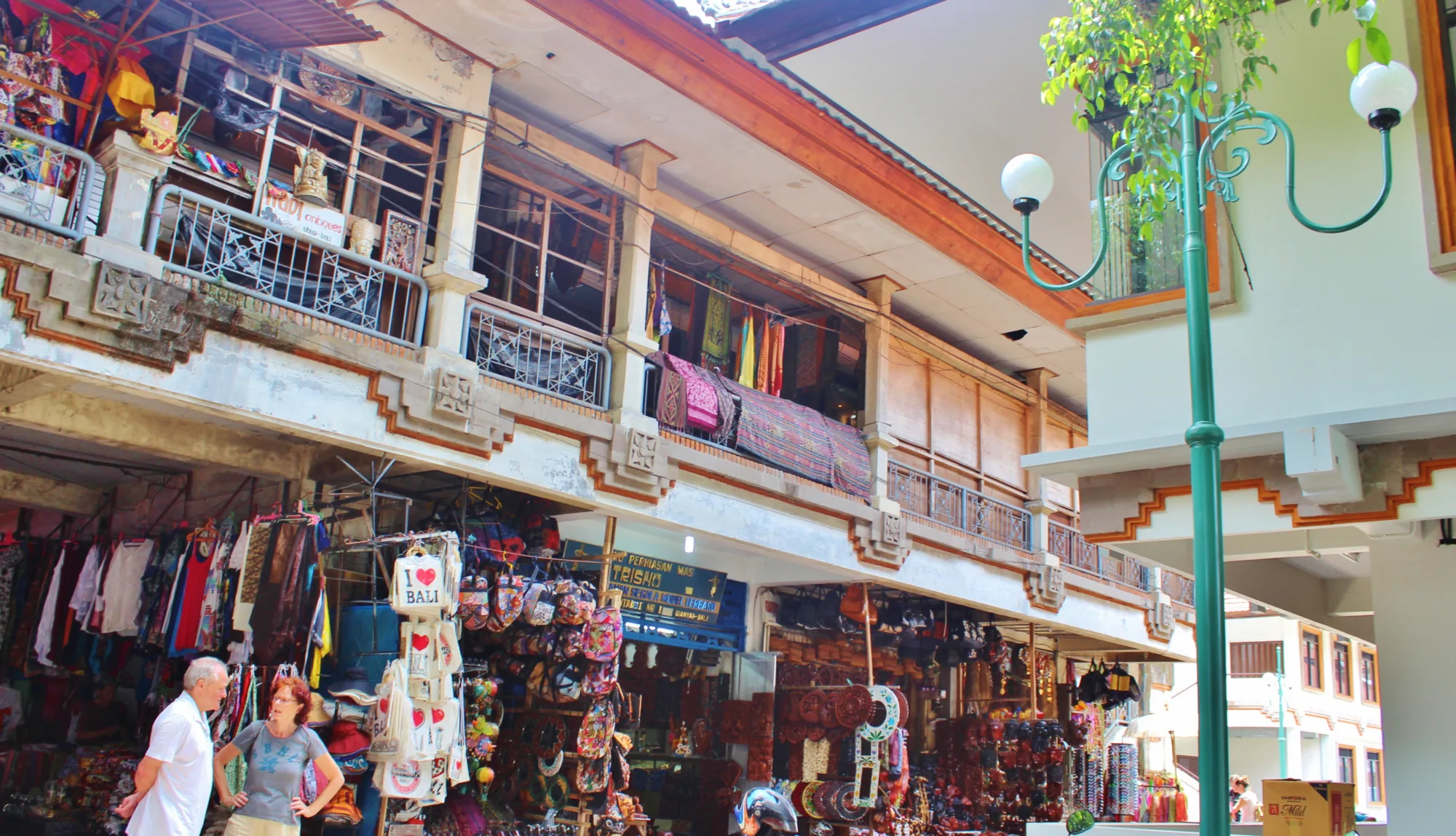
At the Ubud market and at any market without price tags the starting price for a foreigner is two to three times higher than what will be quoted to a local buyer — haggling politely and with a smile down to half of the initial sum is normal and expected. In shops with fixed price tags, supermarkets and chain pharmacies haggling is inappropriate. For everyday purchases — water, snacks, mosquito repellent — locals use small roadside “warung” shops rather than the minimarkets in tourist zones, where the price of the same goods can be 30–50% higher.
Connectivity and ATMs: hidden fees
A SIM card at Denpasar airport costs two to three times more than the same card in an ordinary mobile shop in Canggu, Ubud or Seminyak. The main operators — Telkomsel, XL and Indosat — sell tourist packages with internet in almost every little telecom shop at a fixed and predictable price. ATMs in Bali are known for an increased risk of skimming and high fees for withdrawals with a foreign card — locals and long-term expats use ATMs at large bank branches rather than free-standing machines in tourist zones, and withdraw money less often but in larger sums so as not to pay the fee many times.
Five rules used by locals and long-term expats
Move one street away from the tourist centre. Prices for food and goods there can be two to three times lower at the same quality.
Rent a scooter directly, not through an agency. Ask your guesthouse — there is almost always a cheaper option.
Negotiate housing directly with the owner. Especially when renting for a week or longer.
Compare the price in the app and with the street driver. The difference is especially noticeable in the evening and in the rain.
Withdraw money from ATMs at bank branches. This reduces both the fee and the risk of skimming.
Coconuts, fruit and markets for locals
On tourist streets a coconut with ice and a straw at a restaurant with an ocean view costs 30–50 thousand rupiah, while from a street seller with a cart in a residential neighbourhood it is 10–15 thousand for the same coconut. The difference is not in the quality of the product but in the rent of a place with a view. The same goes for tropical fruit: mango, mangosteen and rambutan at a tourist market in season are sold at three times the price of an ordinary morning market for locals, where Balinese go for groceries for the home. Morning markets open early, often before seven, and are winding down by ten — you need to come first thing in the morning if you want to catch local prices.
Cafés with sockets and coworkings: where expats work
Long-term residents of Bali, especially those who combine life on the island with remote work, rarely look for the café with the most beautiful interior — they look for places with fast and stable internet and the chance to sit for hours without pressure to order something more. Such places are more often found not in the very centre of Canggu but a couple of streets from the main road, and the price of coffee there is usually lower than in hyped venues with a queue at the entrance. Full coworking spaces with a monthly membership are better value than daily payment at cafés if you plan to work regularly: the spread of coworking prices on the island is large, and comparing two or three options before subscribing saves a noticeable sum.
Massage and spa: the price for tourists and the price for locals
Spa salons on the main streets of Bali’s resort districts are aimed at the tourist flow and charge 200–400 thousand rupiah for an hour of massage. In districts where locals live there are small salons where Balinese give each other and their neighbours massages for 80–120 thousand rupiah an hour — the quality often matches expensive salons, and the difference in price is again explained by rent and marketing, not skill. Ask your guesthouse where locals go for massage — this almost always works better than choosing by reviews on tourist platforms.
Apps the Balinese themselves use
Besides Grab, Gojek is actively used on the island — an Indonesian app for taxis, food delivery and small services that locals compare with Grab before every order: the price on the same route can differ by 10–20%. For food delivery GoFood and ShopeeFood are used, where discount coupons of up to 30–50% regularly appear, unavailable when ordering at the venue as usual. For payment in local shops and markets QRIS is increasingly accepted — the unified Indonesian QR code for mobile payments, which saves on commission compared with paying by card at a terminal and works faster than cash.
What even experienced travellers often forget
Insurance rarely makes it into the daily budget, but a scooter injury is the most frequent cause of serious expenses for tourists in Bali, and without insurance treatment bills can exceed the whole cost of the trip. The deposit for a scooter rental is sometimes not returned in full for the slightest scratch — photograph the vehicle from all sides before and after rental. An international driving licence of the right category is formally mandatory for legal scooter rental — local rental shops often hand over equipment without documents, but in an accident the company’s insurance may not pay out without a licence. And finally, the visa on arrival and its extension regularly change in their rules — check the current conditions before the trip rather than relying on forums from past years; details are in the article on the B211A visa in Bali.
Another way to save is to plan large purchases and currency exchange in advance rather than at the last moment at the airport on departure: the exchange rate there is traditionally worse than in the trusted exchangers of Canggu or Ubud, and the difference on a large sum can be significant. Balinese who work with foreign currency every day rely on a few well-known exchange points with a transparent rate and no hidden fees and advise avoiding points with a rate that seems suspiciously favourable at first glance — often a fee per transaction is hidden there that is not announced in advance.
Long-term stay: where digital nomads live
If you plan to stay in Bali for a month or longer, the economics change completely: a monthly rent of a room or studio in Ubud, Canggu or on the Lovina coast is almost always cheaper per night than even the cheapest guesthouse. A detailed breakdown of a monthly budget for those who combine travel with remote work is in the article on the monthly budget of a freelancer in Bali. For getting around the island see transport in Bali and Grab and Gojek from the airport, and for ATMs without fees ATMs without fees in Bali.
FAQ
How much cheaper is food at a warung than at a tourist café? Four to six times: 15–25 thousand rupiah versus 80–150 thousand for a portion of similar heartiness.
Where is it better value to rent a scooter? Directly from a local or through your own guesthouse — 30–50% cheaper than a travel agency.
Where should I buy a SIM card? In a city mobile shop, not at the airport — a difference of two to three times.
Do I need to book tours in advance through an agency? For most sights no: a driver for half a day directly is better value than a package tour.
How can I avoid skimming at ATMs? Withdraw money from ATMs at bank branches rather than free-standing machines in tourist zones.
What is most often forgotten in the budget? Insurance, a scooter deposit and the current visa requirements.
Prices and rules change depending on the season and currency rates — check current information on the spot.