Muay Thai camps in Phuket and Chiang Mai: the history of the "art of eight limbs", the wai khru ram muay ritual, prices from 300 baht a session and why even beginners with no experience go.
Every year thousands of people who have never in their lives hit a punching bag walk out of Thai gyms after a week or two of training soaked through, with bruises they are for some reason proud of, and with a firm intention to come back. This is not the marketers’ exaggeration — it is literally the standard scenario for muay Thai camps in Phuket and Chiang Mai, where professional fighters preparing for title bouts and tourists who have decided that beach holidays are not enough this time converge at once.
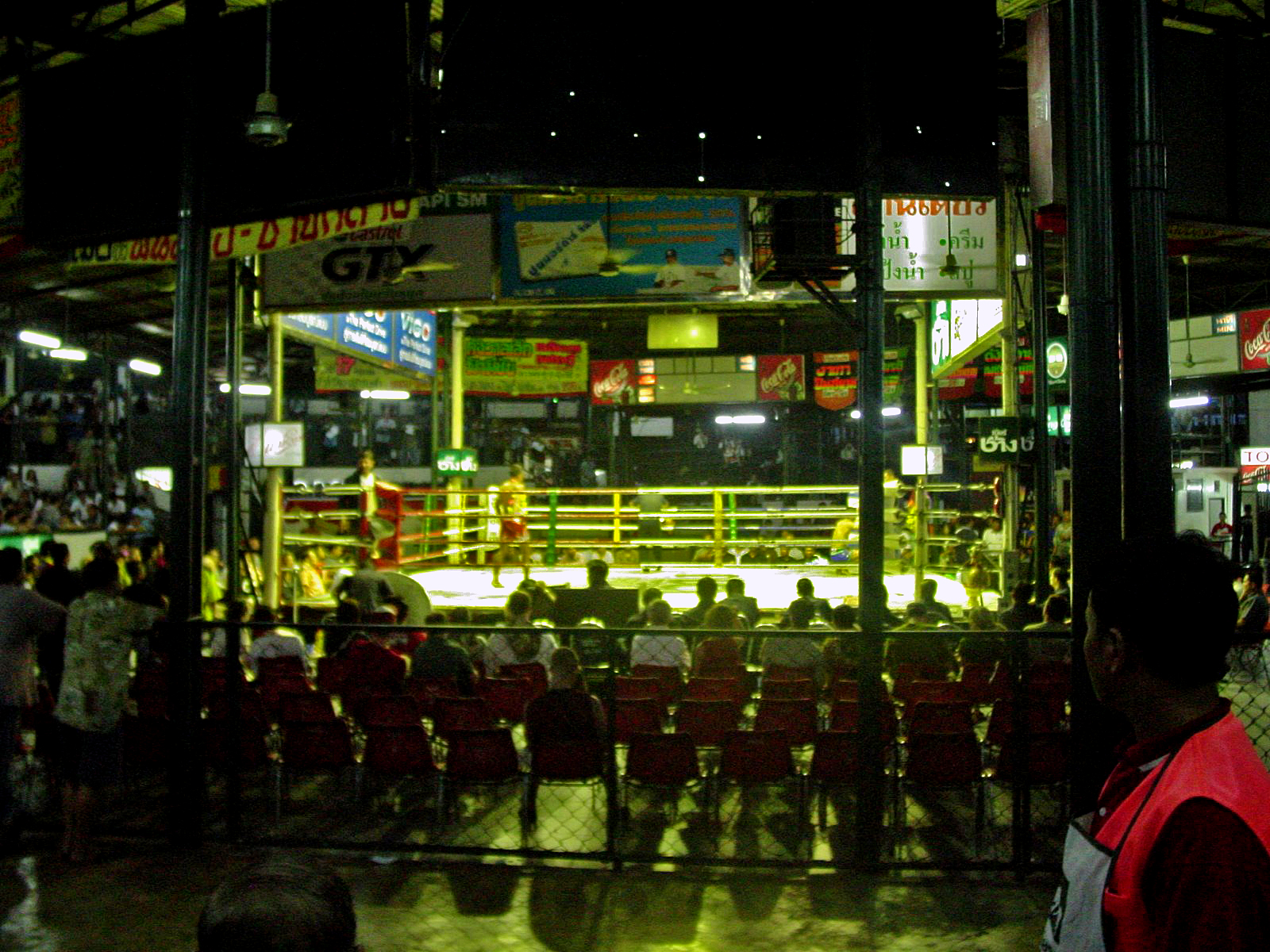
The martial art of eight limbs
The history of muay Thai goes back to the 13th century, the era of the Sukhothai kingdom, when it was the applied combat skills of Thai warriors, known as muay boran (“ancient boxing”), needed on a real battlefield and not in a gym. In the Ayutthaya period the technique became widespread among all estates — from peasants to royal nobility — which cemented muay Thai’s status as a national art, not just a military craft. The key feature that gave the discipline its nickname “the art of eight limbs” is the use not only of fists and feet, as in most forms of boxing and kickboxing, but also of elbows, knees, and also the clinch and sweeps, which makes muay Thai noticeably more versatile and harder in contact than classical boxing.
Before every official bout a fighter performs the wai khru ram muay — a ritual greeting dance made up of two parts: the wai khru itself (a bow to the teacher) and the ram muay (the dance proper), historically connected with the veneration of spirits and ancestors and today first of all with respect for the trainers and the fighter’s family. Watching this ritual before a fight is in itself one of the reasons to go to a real bout and not only train yourself.
Phuket and Chiang Mai: two camps different in spirit
Over the last two decades Phuket has become the world capital of muay Thai training tourism — the largest, technically best-equipped camps with the widest choice of disciplines besides muay Thai itself are concentrated here: MMA, Brazilian jiu-jitsu, boxing, strength training, yoga. The largest and best known of them, Tiger Muay Thai in the Chalong area, is often simply called the world’s largest muay Thai camp — with parallel streams for beginners, intermediate, advanced and professional fighters preparing for title bouts, with a schedule built so that you can train in the morning, afternoon or evening.
Chiang Mai offers a fundamentally different atmosphere — more traditional, calm, without Phuket’s dense resort infrastructure around. It is here that those more often come who are looking not so much for an intensive fitness camp with the full set of services as for a more authentic, unhurried immersion in the discipline.
How much it costs and what is included in the price
A single session at an ordinary camp costs 300–500 baht, a full week of training 2,000–2,500 baht, and an unlimited month 8,000–12,000 baht. At top brands like Tiger Muay Thai or Phuket Top Team the price tag is noticeably higher — about $395–415 a week, but the package usually includes not only the training itself (usually two-hour sessions on the technique of punches, kicks, knees, elbows, the clinch, combinations and general physical conditioning) but also three meals a day for about 3,000 baht a week, and sometimes accommodation right on the camp grounds.
Is preparation needed and what a beginner should expect
No special physical preparation is required — the large camps accept absolute beginners who have never put on boxing gloves, assigning them to separate groups by level. The programme is usually built so that you can train alongside people of a noticeably higher level without feeling superfluous — trainers adjust the pace to the specific person rather than forcing them to keep the group’s level at any cost. Recovery after intensive training — massage, physiotherapy — is, as a rule, available right on the camp grounds or a couple of minutes’ walk from it.
FAQ
Can I go with no martial arts experience at all? Yes, this is the standard situation — most tourists at muay Thai camps have never done martial arts before; beginner programmes exist everywhere.
What should I choose — Phuket or Chiang Mai? Phuket — if you want the maximum choice of disciplines, modern infrastructure and a resort atmosphere around. Chiang Mai — if a more traditional, calm environment without a dense tourist surrounding matters more.
How many days are needed to feel the effect? Even a week of daily training noticeably changes physical shape — but for real progress in technique most camps recommend at least 2–4 weeks.
Do I have to take part in a real fight? No, the overwhelming majority of tourists train solely for fitness and technique, with no aim of entering the ring — amateur and showcase fights for those who want them are organised separately and voluntarily.
What is the wai khru ram muay and do I have to do it? The ritual greeting dance before an official bout — mandatory for real fights, but tourists who come only to train without entering the ring do not need to take part in it; you can see the ritual by going to any real show.
Prices and conditions of training programmes may change — check current information with the specific camp before the trip.