The Similan Islands in Thailand: season, getting there from Khao Lak, day trip or liveaboard, snorkelling, park rules and how to choose an operator — a practical guide.
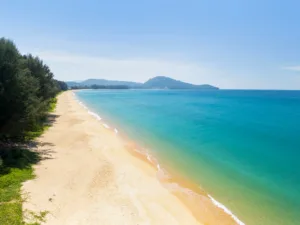
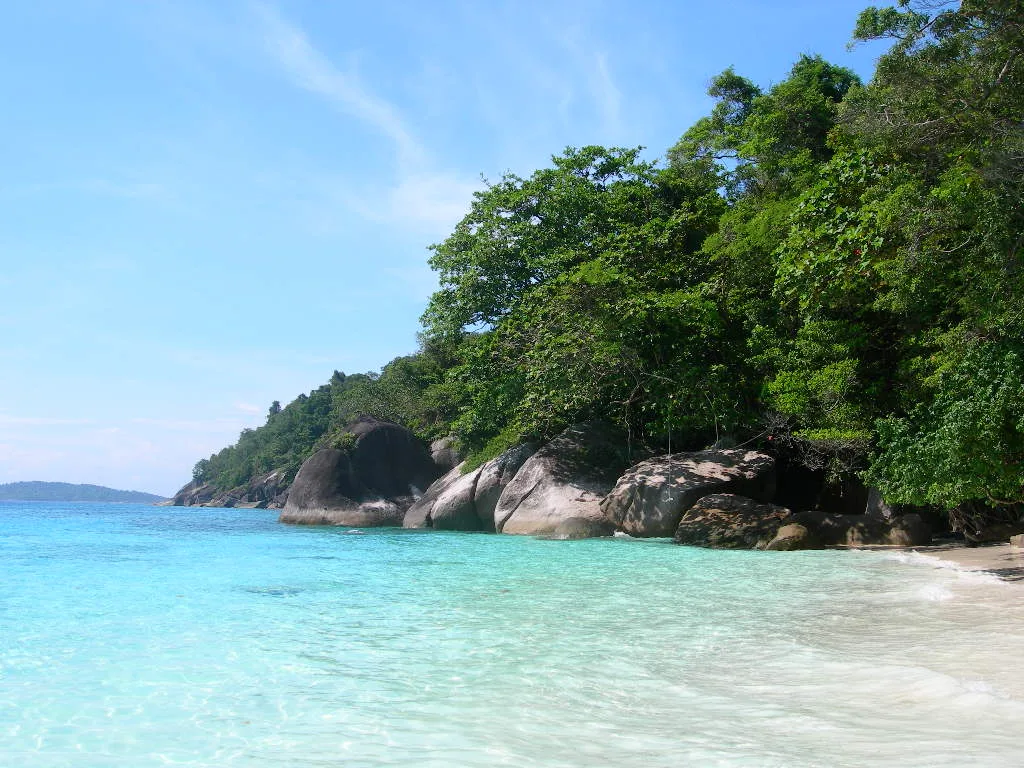
There are places worth setting out for at four in the morning and spending an hour and a half in a speedboat bouncing over the waves. The Similan Islands are one of them. Nine granite islands scattered in the Andaman Sea, surrounded by water so clear that from above you can see the bottom many metres down; white sand that looks sifted through a sieve; huge rounded boulders at whose feet hermit crabs sit in the shade; corals, colourful fish, sea turtles and — with luck — manta rays. This is not a resort with sunbeds and bars but a national park where the rules matter more than comfort, and the best of the season lasts only a few months. That is why the Similans are often called one of the best places for diving and snorkelling in Thailand and one of the most beautiful stretches of the whole coast. In this guide: when the season opens, how to get there, what to choose between a day trip and a liveaboard, where to snorkel, what not to do and why it is worth coming prepared.
- What it is: Mu Koh Similan National Park — a group of islands in the Andaman Sea off the coast of Phang Nga province.
- Season: the park is open roughly from mid-October to mid-May; it is closed in the rainy season; exact dates are announced every year.
- Getting there: by speedboat or liveaboard from Khao Lak; the trip one way takes about an hour to an hour and a half.
- Entry: the park charges an entrance fee for foreigners; the amount and rules change, so check.
- Rules: do not touch corals, feed fish or leave rubbish; the use of sunscreen is restricted.
- Main tip: book in advance, choose weekdays and arrive in Khao Lak the night before the trip.
What the Similans are
The name comes from the Malay word “sembilan”, “nine”, after the number of the archipelago’s main islands. The islands stretch from north to south and in Thailand have been given ordinal numbers: the first is the southernmost, the ninth the northernmost. The national park protects both the islands themselves and the surrounding reefs. Most islands are uninhabited, and some are closed to tourists in order to preserve nature. There are no hotels or resorts inside the park: there is a park shore station, simple tents and bungalows on one of the islands and a few beaches that day visitors are allowed onto. It is precisely the limited infrastructure that has kept nature almost untouched. This is what distinguishes the Similans from the noisy beaches of Phuket and makes them attractive to those who seek clear water and quiet.
When to go: season, weather and visibility
The park does not operate all year round. Every year the national park closes for the rainy season and storms, when the sea is dangerous for boats. The season usually runs from mid-October to mid-May, but the exact dates are announced every year and may be shifted because of weather. The best time is from December to March, when the sea is calm, the sky clear and underwater visibility is the best. In April and May it is hotter and the water temperature is higher, but so is the chance of sudden wind. At the beginning and end of the season prices and crowds are lower, but the weather is less predictable. If a trip to the Similans is your main goal, choose the middle of the season and book in advance: in high season places on popular boats and liveaboards run out months ahead.
Getting there: Khao Lak, the main gateway
The main base for trips to the Similans is Khao Lak, a quiet resort area on the Phang Nga coast, about an hour to an hour and a half’s drive from Phuket airport. Speedboats leave from Tap Lamu port, not far from Khao Lak: the trip to the nearest islands takes about an hour to an hour and a half. You can also set out from Phuket: in that case the road is longer and includes a bus transfer to the port. Many tours leave very early — around six or seven in the morning — so it is more convenient to stay overnight in Khao Lak the day before. The return is usually at the end of the day, around four or five o’clock. In total the day is long: about ten to twelve hours including travel.
What to choose: a day trip or a liveaboard
A day trip by speedboat. The most popular option: you set out in the morning, visit several islands, snorkel on the reefs, have lunch on the shore and return in the evening. The pluses are price and simplicity, the minuses large groups and limited time at each stop. Usually three or four points are covered in a day. It is better to choose companies with small groups and clear safety rules.
A multi-day liveaboard. For divers this is a real dream: you live on the vessel, make three or four dives a day and visit the best-known reefs, including places that day boats do not reach. Liveaboards leave from Khao Lak and Phuket, last from two to five days and suit those with diving experience. You need to book in advance, and before choosing a company it is worth reading reviews and checking the qualification requirements.
An overnight stay in the park. On one of the islands you can stay in a tent or a national park bungalow. Conditions are modest, booking is through the park’s official channels, and in season places go quickly. The plus of staying overnight is a sunset and sunrise without the crowd of day visitors and a starry sky without light pollution.
Where to snorkel and what you will see
In the Similans snorkelling is available right from the shore on several islands. The water off the eastern islands is usually calmer, while on the western side the reefs are richer but currents are stronger and waves higher. Underwater you will see colourful corals, clownfish, parrotfish, shoals of butterflyfish and, with luck, turtles and rays. Divers head to the famous spots on the park’s edge, including reefs known for encounters with large pelagic fish. We won’t promise guaranteed encounters with whale sharks or mantas: nature doesn’t work that way, and everything depends on season, currents and luck.
Park rules: what is allowed and what is not
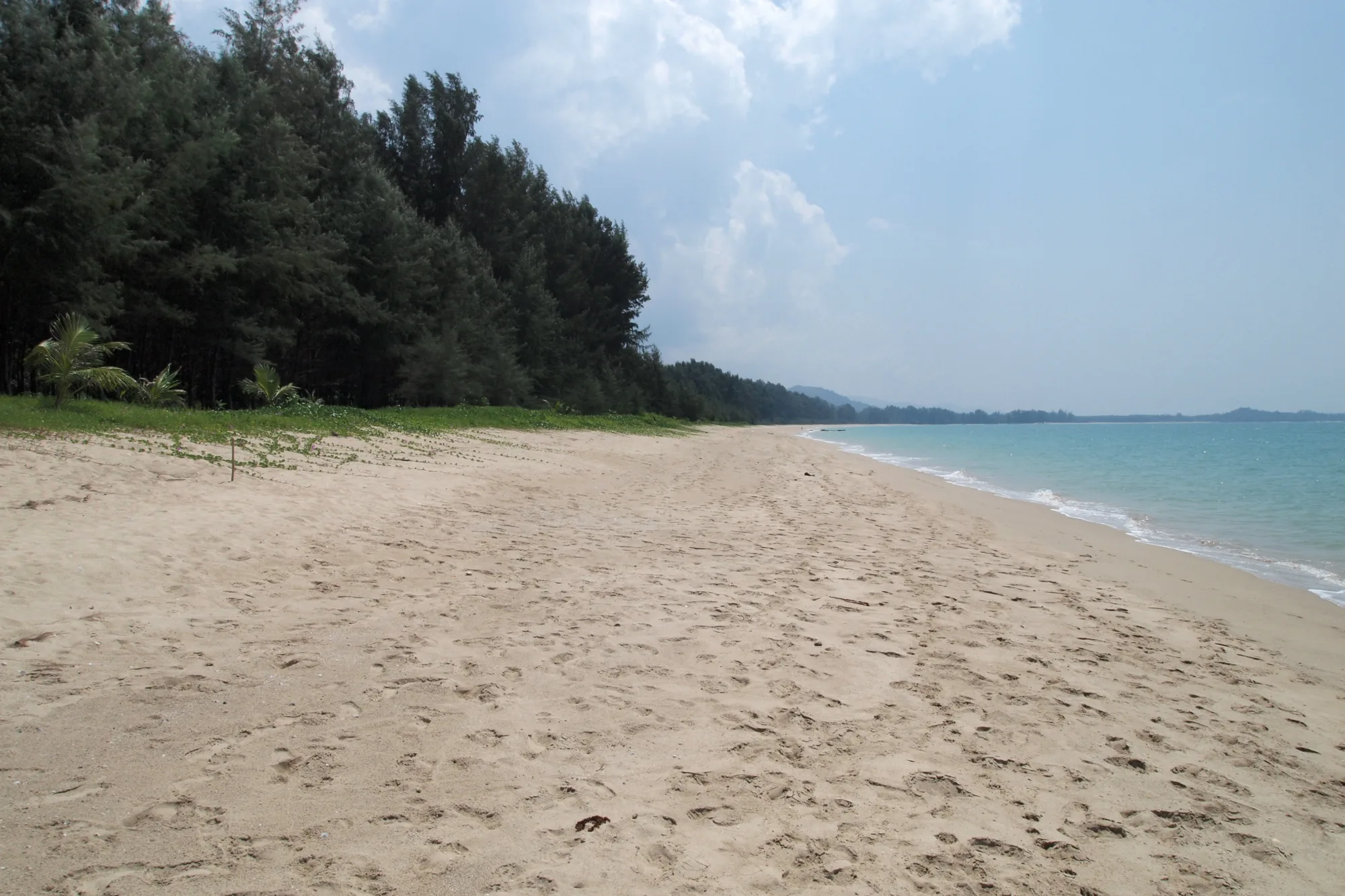
The Similans are a protected area, and the rules here are stricter than on ordinary beaches. You must not touch or step on corals, catch or feed fish, collect shells and corals, leave rubbish, make noise or play loud music. Smoking and alcohol on the shore are restricted. In recent years Thailand’s national parks have banned sunscreens with certain chemical ingredients harmful to corals — be sure to check the current rules and bring an eco-friendly cream or sun-protective clothing. Turtles lay eggs on the beaches in season: don’t touch tracks and nests, don’t shine a torch on the shore and don’t approach the animals. Follow the instructions of park staff and guides: they protect both you and nature.
Prices and what the tour includes
The cost of the trip depends on the type of boat, the number of people and the season. The price of a day tour usually includes a hotel transfer, the boat, snorkelling equipment, lunch and a guide, but the national park entrance fee for foreigners is often paid separately. Liveaboards cost noticeably more and include accommodation, meals and dives. We won’t give exact sums: they change every year, so compare the offers of several operators and check what is included in the price. Don’t agree to suspiciously cheap tours with big groups and overloaded boats — safety matters more than savings.
Khao Lak: where to stay and what to do
Khao Lak is an ideal base for a trip to the Similans. It is a long strip of beaches along the Andaman Sea, calm and not as noisy as Phuket. There are many family hotels and resorts, dive centres, restaurants and yoga venues. The beaches are wide, the sand light, and the sunsets beautiful. One of the main reasons people come here is the proximity of the Similans and the chance to set out without a long journey. Besides diving and snorkelling, from Khao Lak it is easy to make trips to waterfalls, the Khao Sok river, the islands of Phang Nga and an elephant sanctuary. For other beaches of the region see the selection of the best beaches of Phuket and Pattaya, and for islands the guide to Koh Lipe.
Safety and health
The sea in season is usually calm, but weather on the Andaman coast changes quickly. Before the trip check the forecast and choose boats with working equipment and life jackets. If you get seasick, take medication in advance and sit nearer the middle of the boat. Always wear a life jacket when snorkelling, even if you swim well: currents can be strong. Don’t swim far from shore and listen to the guide. Bring drinking water and light long-sleeved clothing for sun protection. Get insurance that covers water sports and diving if you plan to dive.
What to bring
Packing for the Similans differs from a beach holiday. Bring a mask and snorkel if you have your own: rental gear does not always fit. Wear a swimsuit with a light long-sleeved shirt or a lycra rash guard on top — they protect from the sun better than any cream and solve the problem of the bans. Bring a towel, a change of clothes, a hat, sunglasses, water and a light snack. A waterproof case for your phone and camera will come in handy if the boat gets splashed by waves. Take seasickness medicine in advance, not on board. Cash is needed for the entrance fee and small expenses if they are not included in the tour.
Snorkelling tips for beginners
If you are putting on a mask for the first time, don’t worry: the Similans have many places with shallow, calm water. Before getting into the water practise breathing through the snorkel near the shore. Don’t raise your feet over the corals and don’t stand on the bottom: even a light touch damages the living reef. Stay close to the guide and the boat, watch the current and periodically lift your head to see where you are. Don’t chase fish: they will come to you if you move slowly. If you are tired, return to the shore or the boat — there is no hurry. And don’t leave things on the shore that the wind could carry into the water.
For underwater photographers
The Similans give wonderful underwater shots, but conditions require preparation. It is best to shoot in the bright hours, when the sun is high and light penetrates deep. Use a waterproof housing or an action camera and keep the strap on your wrist. Don’t approach animals closely and don’t corner them for a shot. For shooting at the surface a polarising filter is useful: it removes glare and brings out the colour of the water. And most importantly — don’t forget to look with your own eyes: part of the beauty cannot be conveyed by any camera.
Khao Lak and the memory of 2004
The Khao Lak coast was badly hit by the 2004 tsunami, and there are memorials in the area, among them a police patrol boat thrown ashore far from the water. If you have time, you can visit these places with respect and in silence. Today Khao Lak is a calm resort that has managed to recover, and coming here is a contribution to the lives of local people. Keep this in mind and treat the area with respect.
With children and with parents
A day trip to the Similans suits families with children of school age who can swim in a life jacket. For toddlers and elderly parents the boat journey can be tiring: waves, heat and an early start. If you travel with children, choose small groups, bring hats, water and light food, and medicine for motion sickness. For elderly parents think through boarding the boat: ladders can be steep and waves rock the boat. Don’t try to fit everything into one day: sometimes it is better to stay on the beach in Khao Lak and postpone the trip to another day.
How to choose an operator
The quality of a Similan trip depends heavily on the company. Pay attention to several signs. A good operator states the exact route, the group size and what is included in the price; warns about park rules and environmental restrictions; supplies working life jackets and equipment; limits group size and has experienced guides. Read recent reviews on several platforms and watch for complaints about overloaded boats, delays and hidden charges. Ask what happens in bad weather: a refund or a change of date. Don’t choose on price alone — saving on safety is not worth it here.
When to choose a different island
The Similans are not for everyone. If sunbeds, bars and nightlife matter to you, it is better to choose Phuket or Koh Lipe. If you have little time and don’t want to spend half a day on the road, try the islands of Phang Nga or Phi Phi. If the season is closed, think about Koh Lipe, Koh Tao or Krabi. And remember that for small children and people with vestibular problems a long journey by sea can be an ordeal. The main thing is to choose a place for your own goals rather than from other people’s photographs.
Three ready-made itineraries
“One day in the Similans”. A night in Khao Lak, an early departure, snorkelling at three or four points and a return in the evening.
“A diver’s week”. Two or three days on a liveaboard, then rest on the beach in Khao Lak and a day at the waterfalls.
“The Andaman coast” — 8–10 days. Phuket, Khao Lak, the Similans, Phang Nga and finishing on Koh Lipe.
Hotels in Khao Lak and Phuket
Below is a selection of hotels from our database in the Andaman coast area. For a trip to the Similans choose accommodation in Khao Lak: the port is close from here, and the morning transfer will pick you up right from the hotel. Look at the reviews and the “Hotel health” block, and check the terms of the transfer and early breakfasts.
FAQ
When does the park operate? Roughly from mid-October to mid-May; exact dates are announced every year.
How do I get there? By boat from the port near Khao Lak; the trip takes about an hour to an hour and a half.
Can I stay overnight? Yes, on one of the islands there are simple park tents and bungalows; booking is through official channels.
Do I need experience for snorkelling? No, but a life jacket and attention to the guide are mandatory.
Can I use sunscreen? Check the park’s current rules; it is better to use eco-friendly products and protective clothing.
Which is better: a speedboat or a liveaboard? A speedboat for a short trip, a liveaboard for divers who care about the best sites.
The season, prices and park rules change — check with official sources and your operator.