Songkran is the Thai New Year and Asia's main water festival: the 2027 dates, history, where to celebrate in Chiang Mai, Bangkok and Pattaya, etiquette rules and what to bring.
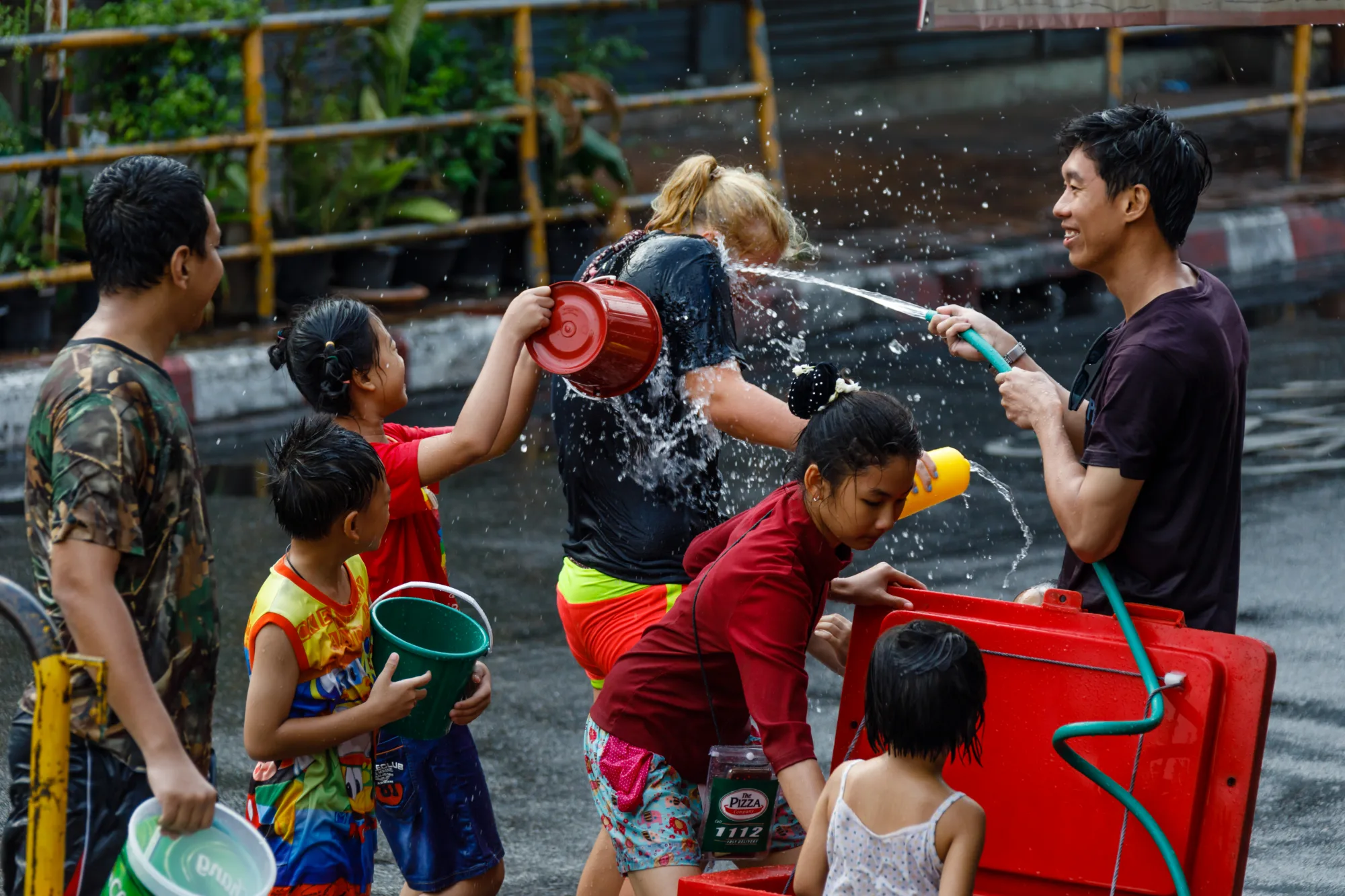
The morning of April 13. You leave the hotel in dry clothes just to walk to the café next door — and five minutes later you are soaked to the skin: a bucket of ice water from above, a water gun from the nearest window, a child with a squirt gun on the curb, a gray-haired woman with a basin who, laughing, points at your hat. This is how Songkran begins — the Thai New Year, which the whole world knows as the planet’s biggest water fight, but which is in fact a festival much older and deeper than “water guns”. Below is everything you need to know if you are planning Songkran 2027: the exact dates, how Pattaya, Phuket, Bangkok and Chiang Mai differ, how not to be left without a hotel and what to bring to survive and enjoy yourself.
- Dates: official days off — from Tuesday, April 13 to Thursday, April 15, 2027; in tourist cities the celebrations begin around April 10–12 and may run until the 20th.
- Pattaya: water fights on the main days, and the “grand finale” Wan Lai — usually a few days after the nationwide ones, around April 18–19.
- Phuket: the main spots are Patong and Bangla Road; calmer — Kata, Karon and Phuket Town.
- Chiang Mai: the moat around the Old City and the “classic” Songkran with temple ceremonies.
- Booking: take accommodation 3–5 months ahead; prices in rubles are visible in the “Where to book” block below.
When is Songkran in 2027: dates by day
The date of the Thai New Year does not float with the lunar calendar: it always falls on April 13–15, and in 2027 these three days fall on Tuesday, Wednesday and Thursday. According to international holiday references and bank calendars, all three days are public days off: banks, government offices and schools are closed, transport is overcrowded, and many families leave for their home provinces.
Each day has its own traditional name and meaning. April 13 is Wan Maha Songkran, the last day of the old year, when it is customary to clean the house and wash; on the same day Thailand marks Elders’ Day. April 14 is Wan Nao, “the day in between”: the water bustle continues in the streets, while at home food is prepared for the temple. April 15 is Wan Thaloeng Sok, the first day of the new year; the main temple rituals and blessings of elders fall on it.
The tourist reality is longer than the official one. In Bangkok, Chiang Mai and Phuket the celebrations usually begin a day or two before the 13th, and shops and restaurants are sometimes closed for several days in a row. If you arrive on April 10–11, be prepared for the water fight to meet you already on the road from the airport.
What Songkran is and where it came from
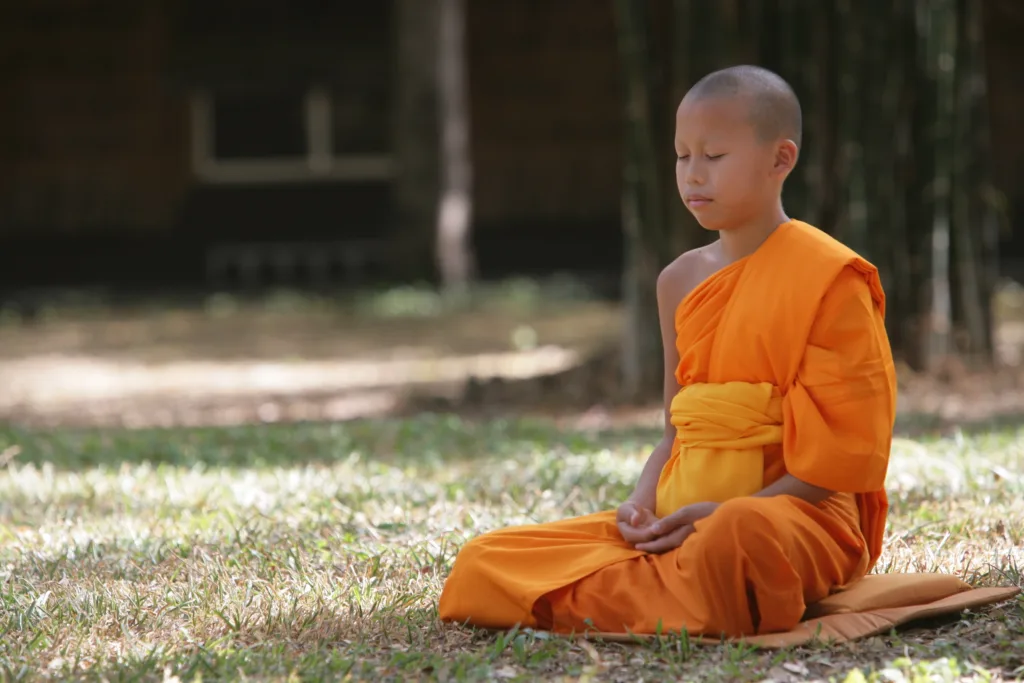
The word “Songkran” goes back to the Sanskrit “samkranti” — an astrological transition when the Sun enters the sign of Aries. The festival grew out of the Hindu-Buddhist traditions of the solar New Year and, as Theravada Buddhism spread, absorbed Buddhist meaning. Water here is a symbol of purification: it washes away the misfortunes of the past year and opens the way to a clean start. In its traditional form it is a quiet family ritual: people sprinkle water on monks and older relatives, ask for forgiveness and receive a blessing, and white chalk paste is applied to the face as a sign of protection.
Water guns and buckets of ice came later and became a separate phenomenon. But the idea remained the same: water is a blessing. In 2023 UNESCO inscribed Songkran in Thailand on the list of the intangible cultural heritage of humanity, and Thais take seriously the fact that the festival is not only entertainment. If in the morning you see a column of people with flower garlands and silver bowls heading to a temple, it is not part of the show: you can photograph from a distance, but do not push into the frame and do not splash the participants.
Where to celebrate Songkran: a comparison of the main places
| Place | Atmosphere | Who it suits |
|---|---|---|
| Pattaya | A stretched-out festival: the embankment, concerts, the Wan Lai finale | Groups and those who want both water and the sea |
| Phuket | Patong is noisy, beach areas calmer | Families and couples who want to stay by the sea |
| Bangkok | Silom, Khao San, Siam — dense “battle zones” | Those who need maximum drive |
| Chiang Mai | The moat around the Old City, temples, processions | For the “classic” Songkran with traditions |
Songkran in Pattaya: dates, Wan Lai and where to stay
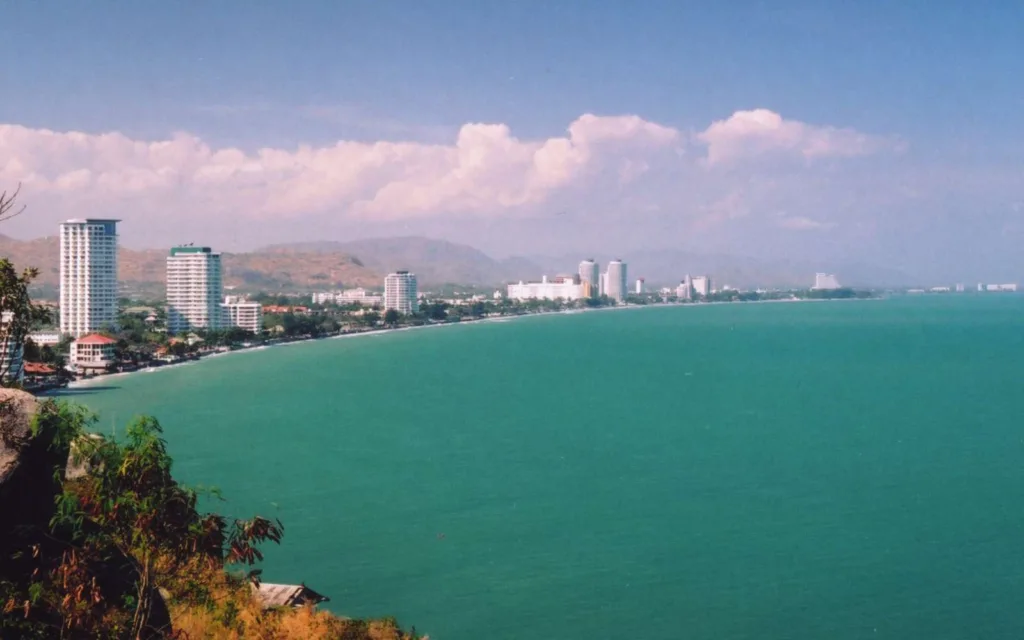
For those looking for “Songkran in Pattaya”, the city’s main difference is that the festival lasts longer here than across the country. The main water fights take place on the nationwide days, and the separate “second New Year” on the embankment is Wan Lai — usually falling on April 18–19. The 2027 program has not yet been approved and the dates may shift, so check the city administration’s announcement closer to spring.
If you want to be inside the festival, look for a hotel in Central Pattaya or by the beach: from there it is five minutes’ walk to the embankment, and the noise reaches your pillow. If you need a respite, look at Jomtien or Pratumnak: there is plenty of water in the middle of the day there too, but in the evening you can retreat into quiet and get some sleep. How the areas differ is covered in the article “Which area of Pattaya to choose a hotel in”. To combine the festival with relaxation, take a trip to Koh Larn — see excursions in Pattaya. Getting from Bangkok cheaply is helped by the breakdown of buses, Bolt and taxis.
Songkran in Phuket: Patong, Kata or Phuket Town
In Phuket Songkran feels different depending on the area. Patong is Bangla Road, music from every bar and hundreds of people with water guns; if that is exactly what you need, take a hotel closer. Kata and Karon are calmer: water battles go on in the streets and beach cafés, but you can retreat to the sand and swim. Phuket Town is closer to tradition: temples, processions, parades. Which area to choose is suggested by the article “Patong, Kata or Phuket Town — where to stay”.
April in Phuket is the hot season with high humidity, and the sea is usually calm, so boat trips run as planned. Look at excursions in Phuket to choose days for the islands in advance. If you rent a bike, read the piece “The mistake for which you will be fined when renting a bike”: on these days the roads are especially dangerous because of the water and the crowds.
Songkran in Bangkok: Silom, Khao San and quiet alternatives
During Songkran Bangkok divides into two parts: “battle zones” and almost empty districts where those who didn’t leave for their relatives remain. For the drive go to Silom, Siam Square and Khao San: the streets there fill with people with hoses and guns. If you need a calm rhythm, choose temples — Wat Pho, Wat Arun and the Grand Palace. Check the opening hours and dress code in advance: shoulders and knees must be covered.
Which area to choose for a hotel is suggested by the article “Bangkok: which BTS station to choose a hotel near”. If you arrive at Don Mueang at night, the A1/A2 buses and Bolt will come in handy.
Songkran in Chiang Mai: the moat, temples and the “classic” option
Chiang Mai is the choice of those who come for the “right” Songkran. The Old City is surrounded by a moat, along which thousands of people stand scooping water straight from the canal. Religious ceremonies run in parallel: a procession with images of the Buddha, the bathing of statues, offerings to monks. In recent years “dry” zones and restrictions on splashing have been introduced in the city, so on the spot follow the rules and signs. The Nimman area is quieter and more modern, the Old City is in the center of events: the choice is helped by the article “Old City or Nimman”.
If you want to get out of town, look at excursions from Chiang Mai: the temples of Chiang Rai, Doi Inthanon, elephant camps (see elephants in Chiang Mai).
Rules and etiquette: what not to do at Songkran
- Do not splash monks, elderly people, infants, pregnant women and people on moving motorbikes — it can cause an accident.
- Do not pour water in the face from close range and do not use dirty water; ice water — with care, especially near children.
- If a person clearly does not want to get wet (going to work, carrying documents), they are usually left alone: smile and ask with a gesture.
- Do not enter a temple wet and in revealing clothes: shoulders and knees must be covered.
- Do not walk around town in a swimsuit: this is watched for in Thailand.
More deeply about rules that apply not only at Songkran is in the piece “The mentality and Buddhist etiquette of Thailand”.
What to bring to Songkran
The absolute minimum is a waterproof case for your phone and documents: without it a smartphone will very likely die in the first hour. Clothing — light, quick-drying, dark or colored: white becomes transparent when wet. Sunscreen — waterproof. Shoes — with rubber soles, because the asphalt is slippery. Put cash in an airtight bag, and leave extra electronics in the hotel safe. Eye drops and plasters are useful. You will have to pay for food, taxis and small purchases in baht: how Russians can do this is laid out in the article “How to pay in Thailand”, about the currency in the piece on the baht. Mobile internet is needed for Grab and Bolt, so arrange an eSIM for Thailand in advance.
How not to be left without a hotel
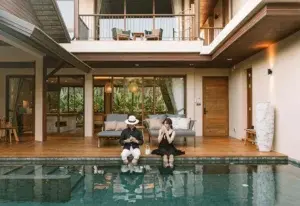
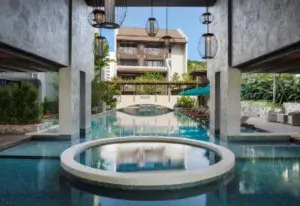
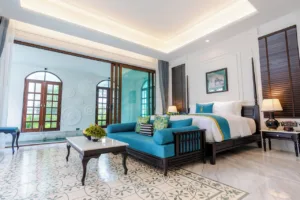
At the peak of Songkran accommodation gets more expensive, and good options in Pattaya, Phuket and Chiang Mai are snapped up several months ahead. Booking 3–5 months ahead is not overcautiousness but ordinary practice. Look at options with free cancellation: you can lock in a place and change your mind later. Prices in rubles are visible in the “Where to book” block below; compare not “the cheapest” but the location: during the festival it is better to spend a little more and live five minutes from the street you need than to spend hours in traffic jams.
Flights for April get more expensive earlier than others: guidelines are collected in the piece “Flights to Thailand”. About weather and seasons — see the articles on the seasons of Thailand, the season in Phuket and the season in Pattaya. On entry: Russians can stay in Thailand for 30 days without a visa — details in the article “Do you need a visa for Thailand”, and the arrival card is filled in advance following the TDAC instructions.
Practical tips: how to spend three days and not regret it
If you don’t want to get wet, plan your movements for the morning, before the main celebrations begin: closer to noon water starts being thrown everywhere. In city centers it is better to walk: taxis and songthaews get stuck in traffic jams, and motorcycles on these days are doubly dangerous. Many shops and restaurants close for several days, so stock up on water and a snack. For families with children a calm scenario suits: a temple in the morning, the hotel pool in the afternoon, a walk in the evening when the celebrations die down.
And the last thing. Don’t be afraid: all this revelry is part of the festival, and within an hour you will forget about dry clothes. People come here precisely for this feeling, when a stranger smiles, sprays you with a hose and then hands you a glass of cold tea.
Frequently asked questions about Songkran 2027
When is Songkran in 2027?
Officially April 13 to 15, 2027 (Tuesday to Thursday). In tourist cities the celebrations often begin around April 10–12 and continue until the 20th.
What date is Songkran in Pattaya?
The main water fights are April 13–15, and the city finale Wan Lai usually falls on April 18–19; check the exact dates for 2027 with the city administration closer to the festival.
When is Songkran in Phuket?
The main celebrations are April 13–15; in Patong and on Bangla Road they sometimes begin a day or two earlier.
Where is it best to celebrate Songkran for the first time?
For an introduction — Chiang Mai (classic atmosphere and temples) or Pattaya (the festival by the sea). Bangkok will suit those who need maximum noise.
Do I need to book a hotel in advance?
Yes, better 3–5 months ahead: on the festival days demand is higher, the good options go first. Take a rate with free cancellation.
What does the white paste on faces mean?
It is a traditional sign of purification and protection that monks used to apply; today people decorate each other with it for luck.
Can I splash monks and elderly people?
No. Monks, elderly people, infants and motorcycle drivers must not be splashed.
How do I protect my phone and documents?
Buy a waterproof case in advance and keep documents in an airtight bag; leave extra electronics in the hotel safe.
Do shops, banks and transport work during Songkran?
Banks and government offices are closed for three days; many shops and restaurants too, and transport is overcrowded. Stock up in advance.
Can I go to Songkran with children?
Yes, if you choose quiet areas, stay away from the central streets in the middle of the day and do not pour ice water in small children’s faces.
Current as of October 2026. The dates and program of the festival in individual cities (in particular Wan Lai in Pattaya) are approved by local authorities closer to April — check before your trip.