10 days of silence for 2,000 baht: how vipassana retreats work at the Thai monasteries Wat Suan Mokkh and Wat Rampoeng — the daily routine, the rules and why you cannot sign up in advance.
Wake-up at four in the morning. A wooden pillow and a straw mat instead of a bed. Two vegetarian meals, the last before noon. No talking, books, phone, music, cigarettes, coffee or even your own food from your bag — ten days in complete silence alone with your own breath. And, what surprises most newcomers more than anything else, you cannot book a place in advance at all: you simply have to come in person on the last day of the month and stay.
The monastery where you cannot sign up in advance
The International Dharma Hermitage at Wat Suan Mokkh, founded by the influential monk Buddhadasa Bhikkhu, is a legendary place among those interested in meditation seriously, not just for a pretty photo in the lotus position at sunset. The format is deliberately arranged to weed out casual people at the registration stage: you must arrive by 15:00 on the last day of the month, and advance registration through a website or letter does not exist at all. The ten-day course starts on the first of every month, and this is not a symbolic gesture — the very uncertainty (“will I get there in time, will they take me”) is already part of the preparation for what lies ahead.
What a day without a single word consists of
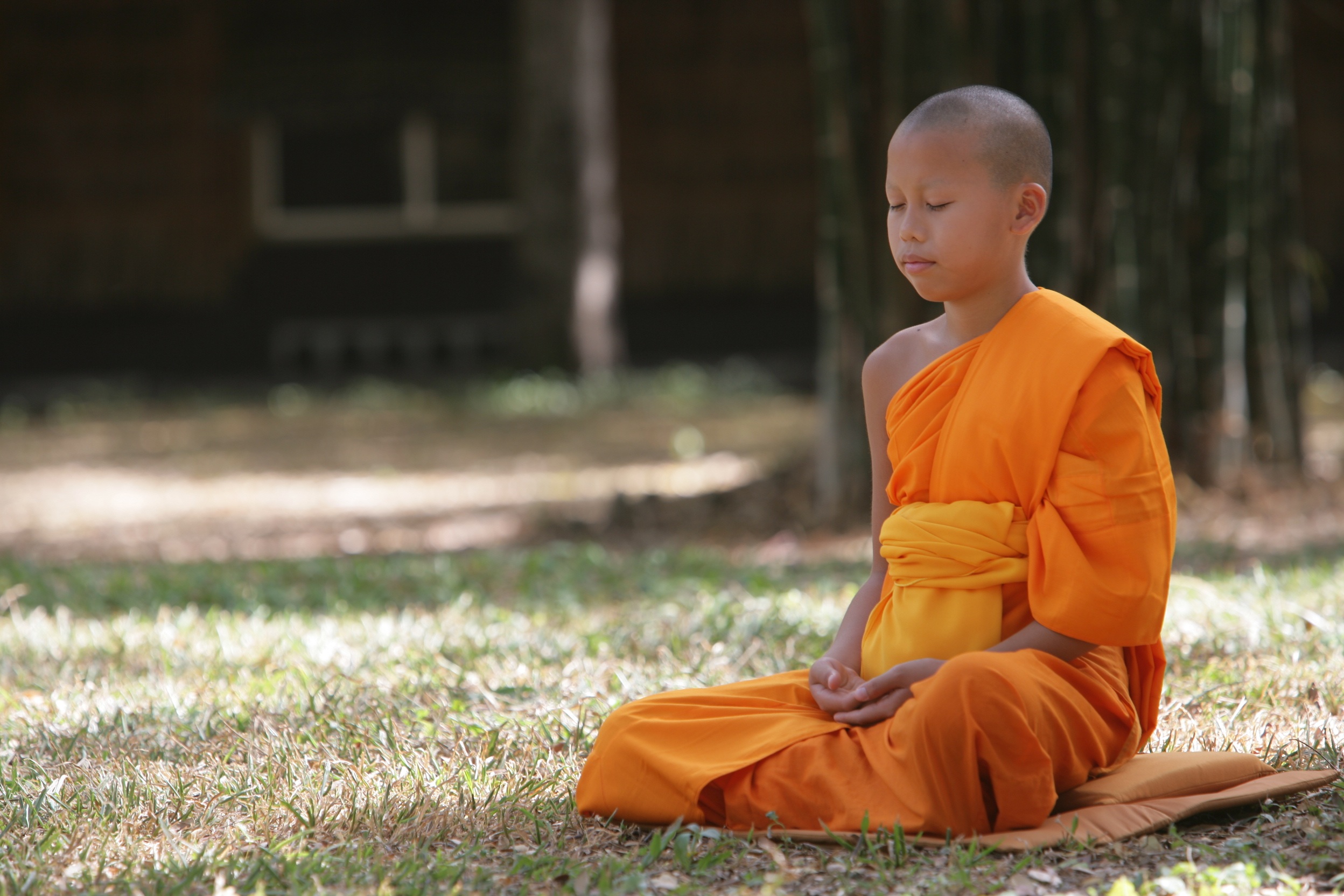
Wake-up is at 4:00 a.m., after which come monastic chanting, sitting and walking meditation, alternating in blocks all day, with breaks for two vegetarian meals (the second and last before noon, after that only water). Formally the rule of silence is called “noble silence” — talking is permitted only with the teacher and staff in emergencies, the rest of the time — no words, no books, no writing, no music, no phone. Participants sleep on a wooden pillow and a straw mat — a conscious renunciation of comfort is considered part of the practice, not an everyday deprivation. Lights out is around 22:00, and the cycle repeats day after day ten times in a row.
Wat Rampoeng: the same principle, more flexibility
For those to whom Suan Mokkh’s rigid format seems too radical or inconvenient in timing, in Chiang Mai the Northern Insight Meditation Center at Wat Rampoeng operates — practice in the Mahasi tradition, based on the four foundations of mindfulness. Here you can stay from a week to a month and a half at your own wish (with the possibility of extension), and the payment system is built on the principle “pay forward for those who come after you” — a fixed symbolic sum of about 300 baht covers accommodation, laundry and the opening/closing ceremonies of the course; cards are not accepted, only cash or transfer. Participants need to bring or borrow on the spot white clothing — a mandatory dress code for the whole period of practice.
Who it suits and who it definitely does not
We will warn honestly: this is not a spa retreat and not a holiday with elements of yoga. The format is designed for those ready for real physical and psychological discomfort for the sake of an unfamiliar experience — the sharp withdrawal of habitual stimulation (phone, conversation, entertainment) causes irritation, boredom and even something like mild panic in many beginners on the second or third day before the promised calming of the mind arrives. Nevertheless it is precisely this rigidity that attracts thousands of people from all over the world year after year — to go away for ten days to where it is physically impossible to be distracted by anything but yourself.
FAQ
Do I need meditation experience to go on such a retreat? No, both described monasteries accept complete beginners — the programme is built precisely for those encountering long practice for the first time, with gradual explanation of the technique on the spot.
What should I bring? A minimum of personal belongings, closed modest clothing (at Wat Rampoeng strictly white, which can be borrowed on site), personal hygiene items; leave electronics, books and any sources of entertainment at home — they will be forbidden for the whole term anyway.
Can I leave early if it becomes hard? Formally yes, nobody holds you by force, but the organisers directly advise going through at least half the course before making a decision — it is precisely the first days that are considered the hardest psychologically, not an indicator that the practice “doesn’t suit” you.
How much does it really cost? Formally a symbolic sum (2,000 baht at Suan Mokkh, about 300 baht at Wat Rampoeng), in fact the system runs on voluntary donations above the minimum, which go to receiving future participants.
Is it suitable for those who just want to “take a break from the phone”, with no spiritual aim? The format gives a digital detox in any case, but the very structure of the day is a religious Buddhist practice, not a secular wellness product; you should go with respect for the context rather than treat the monastery as a free retreat resort.
Admission conditions and schedule may change — check current information on the monastery’s official website before the trip.