Behind elephant rides in Asia there is almost always a cruel training called "phajaan". How to tell a real ethical sanctuary from a repainted sign — and how the death of the elephant Sambo changed Angkor.
In 2016 an elephant named Sambo collapsed dead right on the tourist route by the temples of Angkor — she had been carrying visitors in the heat until her heart gave out. This death, filmed on dozens of phones and spread around the world, launched a petition signed by more than 185,000 people and ultimately led to elephant rides at Angkor being officially banned from 2020. This is far from an isolated story: behind a pretty postcard photo of “I rode an elephant in Asia” there is almost always a story that most tourists don’t even think about when buying a ticket at the box office by the entrance.
What really stands behind an elephant ride
Before an elephant becomes docile enough to let a person sit on its neck or back, it is usually put through a traditional practice called “phajaan” — literally “the crushing”. The calf is taken from its mother at an early age, sometimes captured in the wild (and the females who rush to defend the young are often maimed or killed), placed in a cramped pit or cage, its legs are tied and for days or weeks it is methodically beaten until the animal stops resisting at all. After that the control of the elephant throughout its life in the tourist industry often continues with the ankus — a stick with a sharp metal hook on the end — and many adult elephants have characteristic scars on their heads and ears from years of using this tool.
Of the roughly 3,800 elephants held in captivity in Thailand, some 2,800 are employed in tourism specifically — riding, shows, begging on city streets. These are not isolated cases of cruelty by individual negligent owners but a systemic part of an industry built on mass tourist demand to “ride an elephant”, to be photographed in its trunk or to watch it paint a picture or play football.
How to tell a real sanctuary from a repainted sign
The problem is that the word “sanctuary” in the name has long been no guarantee of ethics — some establishments simply changed the sign and kept their old practices. The real signs to look for:
- No riding — neither in a saddle nor “just on the neck without a saddle”, which is sometimes presented as a more humane alternative but is essentially the same thing.
- No chains and hooks in the area where visitors are — the animals move freely, without coercion.
- No circus tricks — painting, playing ball, balancing on stands and other numbers that an elephant in nature would have no way to learn without harsh training.
- Small groups of visitors (usually up to 10–12 people at a time) and an emphasis on the educational part — telling the specific history and trauma of each animal, not only on entertainment.
- Be careful even with bathing. Until recently, bathing with elephants was presented as an “ethical” alternative to riding, but more and more animal welfare specialists point out that forced bathing on the schedule of tourist groups is also a form of using the animal for human needs, not caring for it. The best modern sanctuaries let the elephants decide for themselves whether to bathe in front of visitors and do not guarantee this item of the program in advance.
One well-known and often cited example of this approach is Elephant Nature Park near Chiang Mai, founded by Sangduen “Lek” Chailert: a large shelter and rehabilitation center where elephants rescued from the riding and logging industries live on a vast territory, and visitors watch them from a platform by the Ping River, not forcing the animals into anything on a schedule. Projects similar in spirit, though less well known, also operate in the Phuket area — before booking a specific tour it is worth checking the fresh reviews of recent months precisely against the criteria listed above, rather than the overall number of stars.
Cambodia: how the death of one elephant changed Angkor
A separate, telling story took place not in Thailand but in neighboring Cambodia. For decades elephants gave tourists rides right on the territory of the Angkor complex in Siem Reap — a familiar, almost integral element of postcard photos of the temples. In 2016 an elephant nicknamed Sambo fell and died of heatstroke while carrying tourists in the exhausting heat — the case became public, and a Change.org petition demanding an end to the rides gathered over 185,000 signatures. Under public pressure the managing body Apsara announced a ban on elephant rides in the Angkor complex starting in 2020: the animals were relocated to the Bos Thom community forest, a protected area of over 1,100 acres, next to the Elephant Management International center, which took over caring for them in the new place.
It is a rare and encouraging example of how wide publicity of a single tragedy really changed the tourist practice of a whole country — rather than remaining just a viral post for a week.
What to do instead of riding
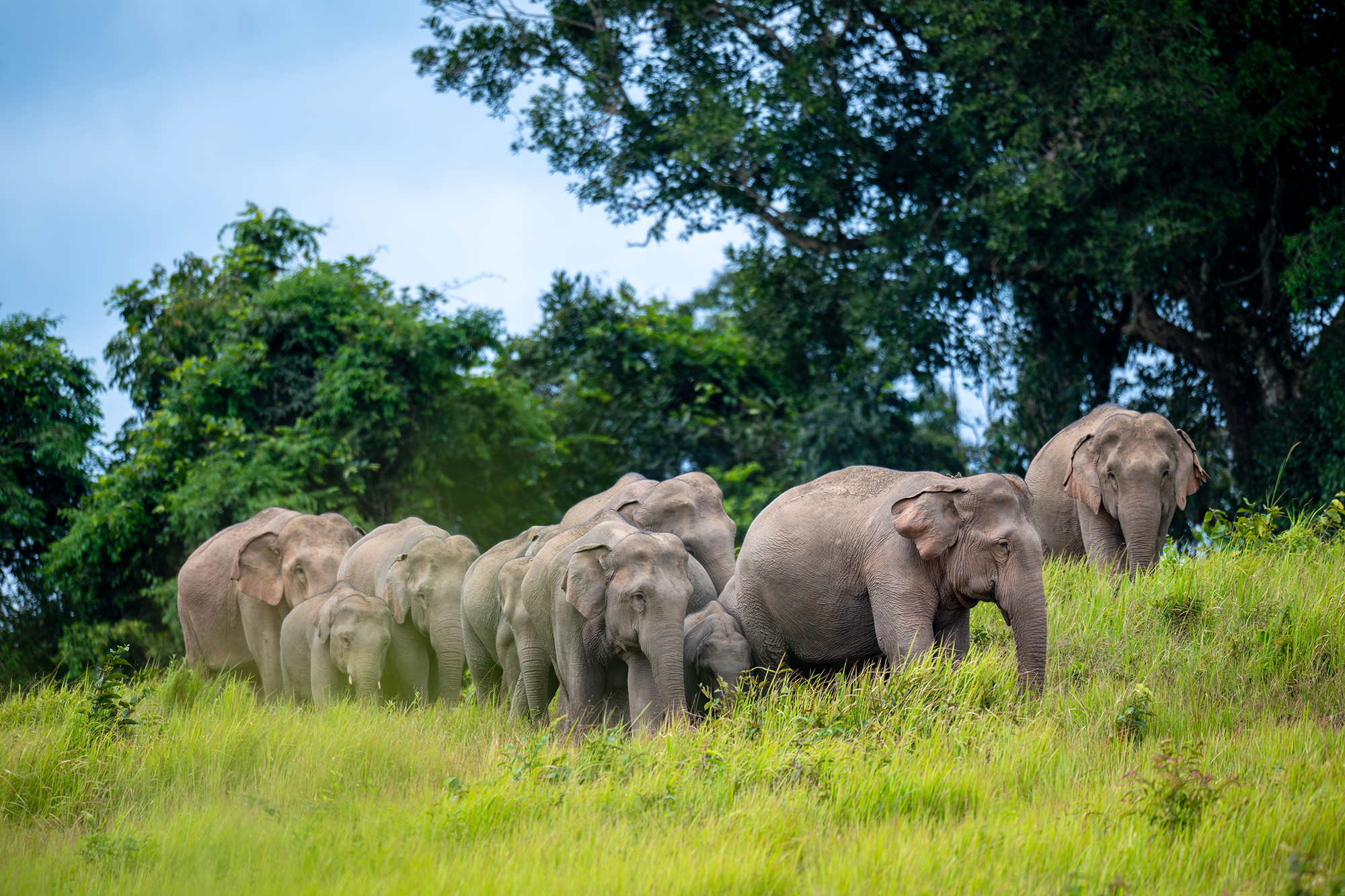
Good news: giving up riding does not mean giving up meeting elephants altogether. Watching bathing from a distance, hand-feeding on the grounds of a real sanctuary, a walk alongside a freely roaming herd, and for those ready to go far from the tourist trails — watching truly wild elephants in national parks like Khao Yai in Thailand, where the animals are not tamed at all and keep a safe distance on their own. This requires a little more patience than a guaranteed ride on a schedule — but this very uncertainty is the difference between a zoo with an animal as an attraction and a real meeting with a wild creature on its own terms.
FAQ
Does this mean all elephant sanctuaries in Asia are a fraud? No, some of them — including fairly well-known ones like Elephant Nature Park — are indeed built around rehabilitating rescued animals without coercion. The problem is not the sanctuary format itself but that the name is easy to copy without changing practices — so it is important to check specific signs rather than trust the sign.
Can I be photographed with an elephant in an ethical sanctuary? Yes, most allow watching and photographing from a distance, and sometimes hand-feeding under staff supervision; the question is precisely about forcing the animal into contact, not about the mere fact of being nearby.
Why is bathing with elephants also considered a controversial practice? Because even without riding and hooks the animal is still forced to be in the water on the schedule of tour groups, not at its own wish — it is a milder but still a form of using it for visitors’ entertainment.
What happened to Angkor’s elephants after the riding ban? They were relocated to the protected Bos Thom community forest of more than 1,100 acres under the supervision of a specialized animal welfare center — that is, the ban was accompanied by a real plan for further care, not just the ending of an attraction.
How can I quickly check a sanctuary before booking? Read a few reviews from recent months and look in them for explicit mentions of the words “riding”, “tricks”, “hook” — their presence in a positive context almost always gives away an establishment that merely calls itself a sanctuary.
Information about specific sanctuaries and their practices may change over time — check current reviews and independent sources before your trip.