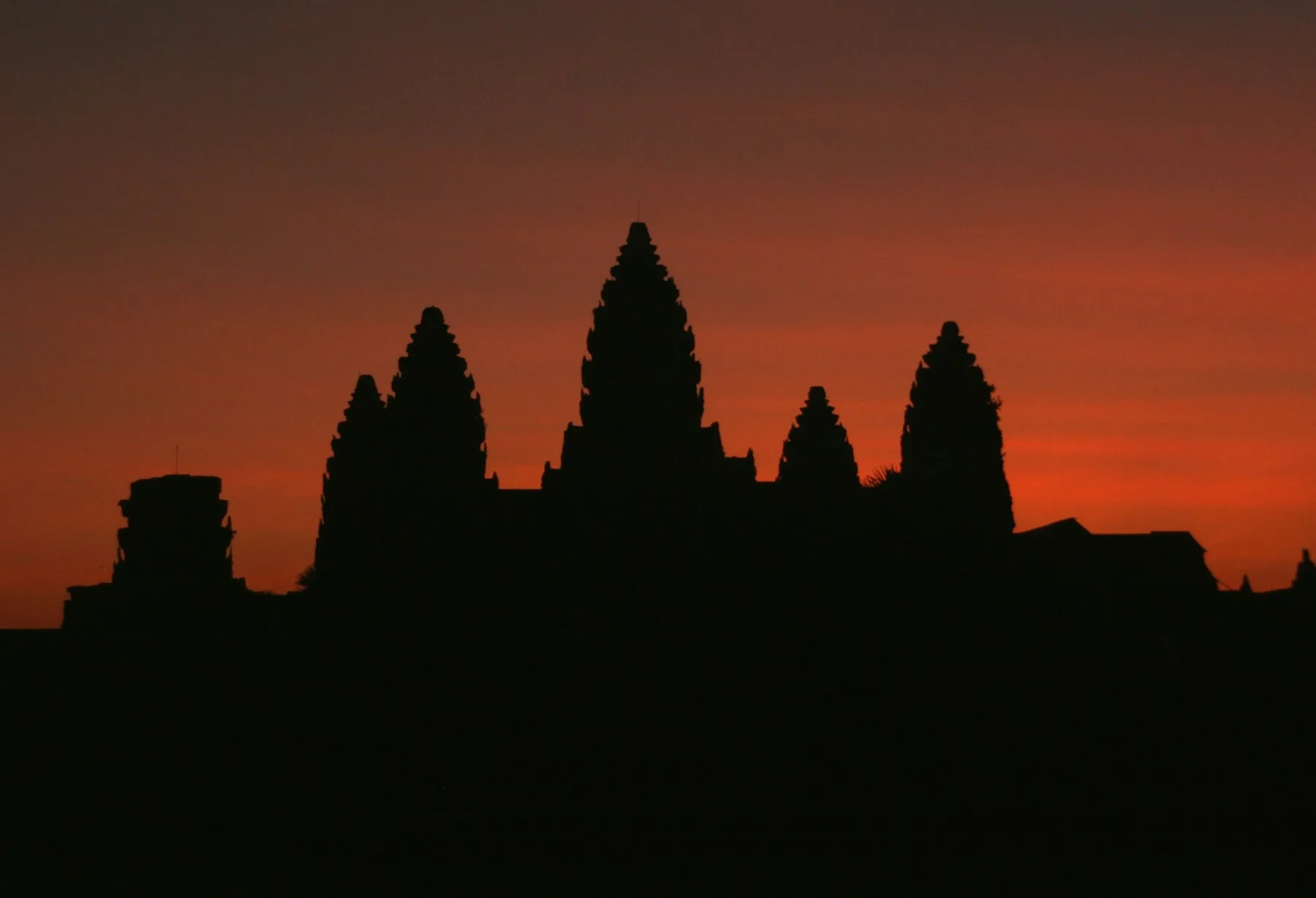
How to choose tours in Siem Reap: sunrise or sunset at Angkor Wat, the small circuit, distant temples, floating villages and evening shows, with durations and tips.
Siem Reap is the city people fly to Cambodia for: nearby is Angkor, the largest temple complex in the world. But for that very reason choosing tours here is hard: names repeat (“sunrise at Angkor Wat”, “small circuit”, “classic tour with sunset”), and the differences lie in the schedule, the set of temples and the number of people at sunrise. So the choice comes down to the question: what to take — sunrise or sunset, the small circuit or the big one, how to reach the distant temples without crowds and when it is enough to buy a ticket and hire a tuk-tuk. We collected offers from the Trip.com catalogue — with duration, language and cancellation terms — and went through how to choose between them.
- The classics — Angkor Wat, Bayon, Ta Prohm and Bakheng: tours run from 7 to 9.5 hours, with sunrise or sunset.
- Sunrise at Angkor Wat is the most popular and most crowded format; you will have to get up around four in the morning.
- Distant temples and nature — Banteay Srei, Beng Mealea, Kulen Mountain and floating villages — are separate days of 9–11 hours.
- In the evening an Apsara dinner and the Phare circus fit well.
The Angkor ticket: what to know in advance
Entry to the Angkor area is paid and valid by a one-, three- or seven-day ticket. The catalogue has an Angkor Wat ticket (rating 4.8), Angkor Wat (4.5) and a tour with the Angkor E-Pass combined ticket (7 hours, rating 4.9). The ticket is checked at the entrance, so it must be with you on your phone or printed; without it you will not be let in. If you plan independent trips by tuk-tuk, it is better to take a three-day pass and spread the visit over several days: it is easier to avoid heat and crowds. On how to choose temples so as not to land in a crowd see our article Angkor without crowds: tickets and temples.
Sunrise and sunset at Angkor Wat
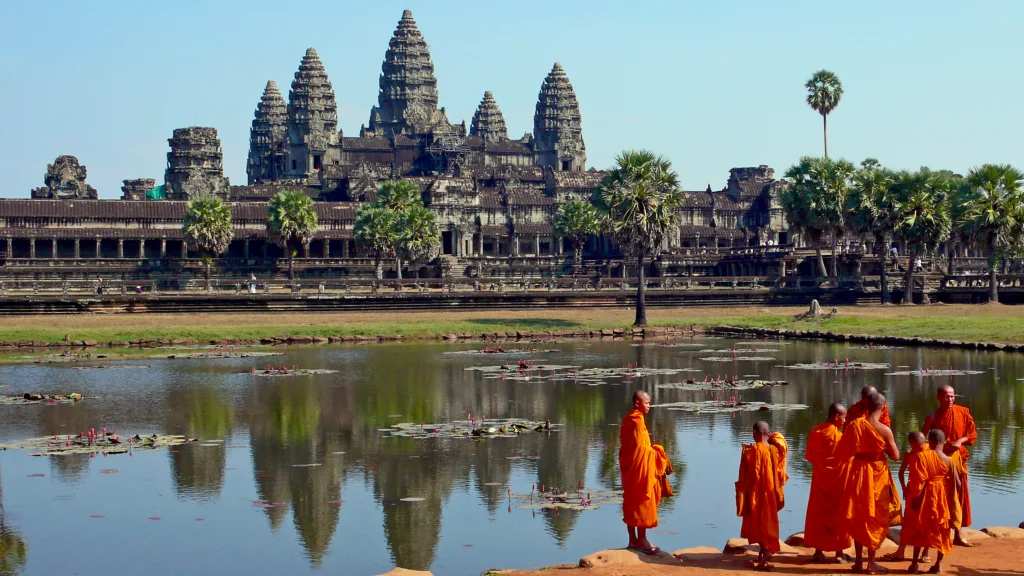
The classic shot — the silhouette of Angkor Wat against the dawn sky — gathers hundreds of people, so choose the format in advance:
- Sunrise at Angkor Wat with breakfast — 9 hours (rating 4.9);
- Classic sunrise at Angkor Wat, full day — 7.5 hours (4.9);
- Angkor Wat with lunch and sunset — 9.5 hours (rating 5.0);
- Classic Angkor tour with sunset — 9.5 hours (4.9).
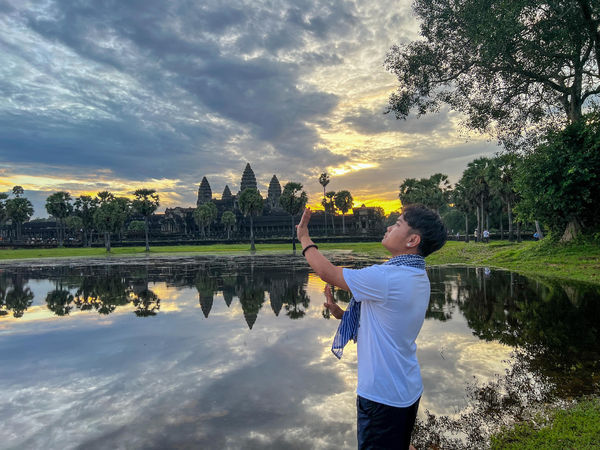 Tour from the article · ExcursionSunrise at Angkor Wat with breakfastCheck dates →Live price · Trip.com
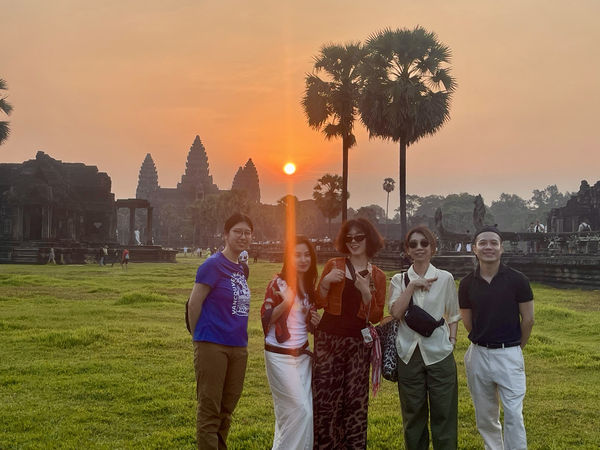 Tour from the article · ExcursionClassic Angkor Wat sunrise, full dayCheck dates →Live price · Trip.com
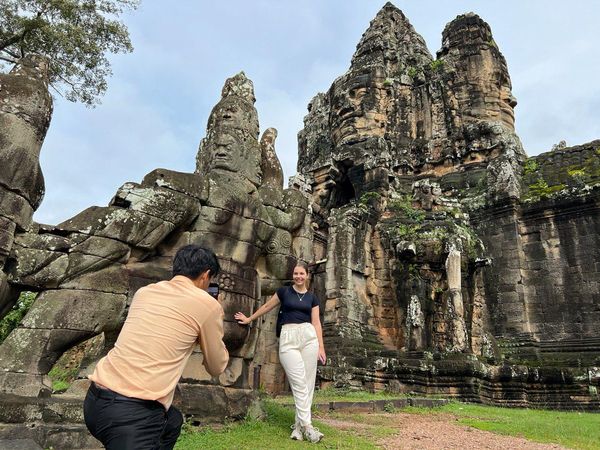 Tour from the article · ExcursionAngkor Wat with lunch and sunsetCheck dates →Live price · Trip.com
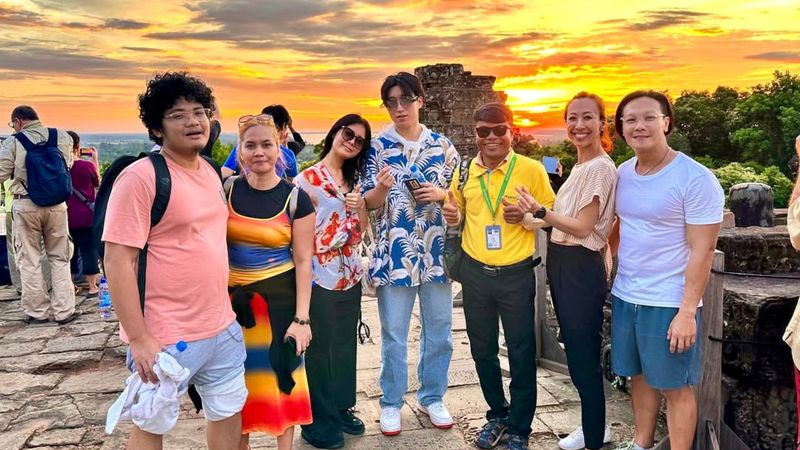
If you do not want to get up at four in the morning, sunset is a good alternative: the light is soft and there are fewer people. For sunrise photos it is better to take a spot in advance, and for sunset choose temples on a height. For independent preparation there are tickets for sunrise in Siem Reap and sunset; another sunrise without crowds is described in the article Pre Rup — sunrise instead of Angkor Wat.
The small circuit of Angkor
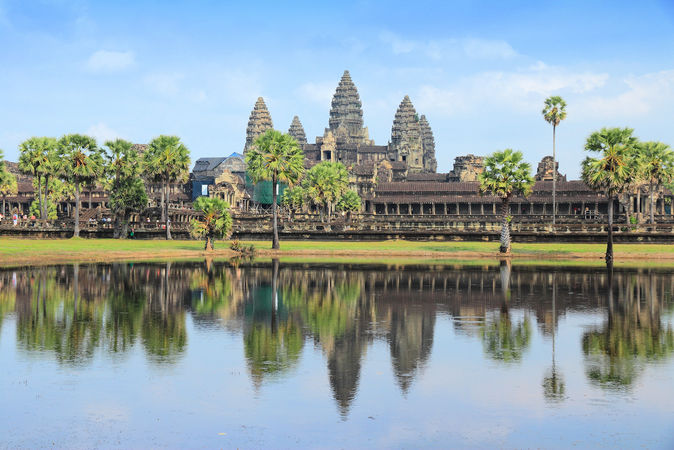
The “small circuit” includes the main temples around Angkor Wat: Angkor Wat itself, Bayon with its stone faces, Ta Prohm entwined by tree roots, and Bakheng. The small circuit of Angkor: Angkor Wat, Bayon, Bakheng fits — 9.5 hours (rating 4.8). It is the most packed day: much walking and stairs, so bring water, a hat and covered clothing. Temples require covered shoulders and knees, otherwise you will not be allowed onto the upper levels.
Distant temples and nature
If you have already seen the main temples, go further:
- A full day to Banteay Srei, Beng Mealea and Koh Ker — 11.1 hours (rating 5.0): a pink temple with fine carving, overgrown ruins and a pyramid in the jungle;
- Kulen Mountain, Beng Mealea and the Tonle Sap floating village — 8.8 hours (5.0);
- A full day to the Kulen Mountain waterfall with a picnic — 10.4 hours (5.0).
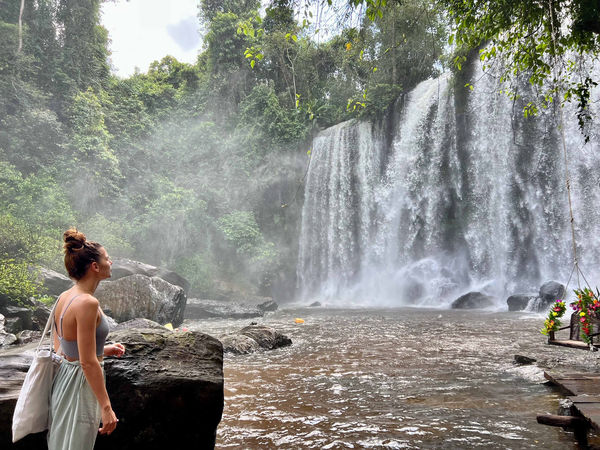
The distant temples are calmer and better for photos: there are fewer tourists, and the road through rural Cambodia is an experience of its own. But the days are long, so plan them for the second or third day, when you have got used to the climate. About other quiet places see the article Sambor Prei Kuk.
Floating villages and Tonle Sap
To get to know life on the water, the Kampong Phluk floating village and a sunset boat ride fits — 5 hours (rating 5.0): houses on tall stilts, boats and sunset over a flooded forest. For those who want to see rural life there is a quad bike tour through a Khmer village and a fish farm (2 hours). Boat tours depend seasonally on the water level: in dry months the lake shrinks and routes change, so check with the organiser.
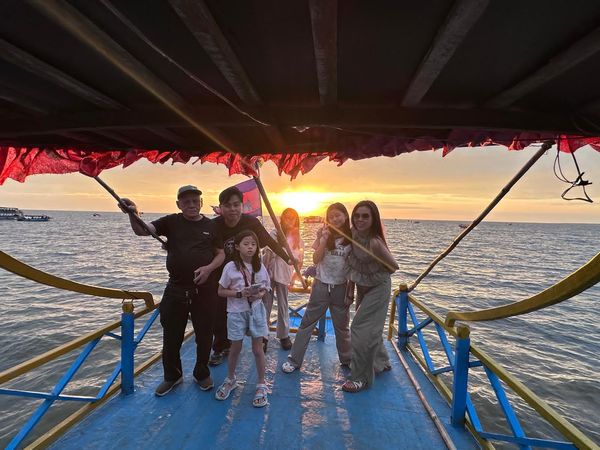
The evening: Apsara, circus and museums
After a hot day it is good to go to a performance. Popular are the Apsara show dinner (2 hours, rating 4.9), the dinner at Morakot Angkor with an Apsara dance and the Amazon Angkor restaurant (3 hours). Fans of the stage will like the Phare circus in Siem Reap (rating 4.6): a modern show with acrobatics, music and a story. To get to know Angkor’s history there are the Angkor National Museum (4.6) and the Cambodian Cultural Village (4.2).
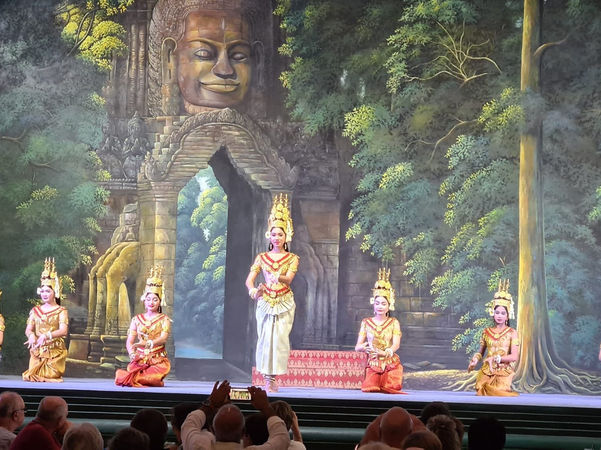
The road and transfers
From the airport into the city a transfer from the airport or hotel is convenient (rating 5.0). From Phnom Penh to Siem Reap you can go by private car (6 hours) or on a one-way transfer (4.6 hours); from Ho Chi Minh City runs the bus Ho Chi Minh City — Phnom Penh. For an independent trip around the temples a tuk-tuk with a driver for the whole day is popular: it is better to agree the price in advance.
What to know about the main temples
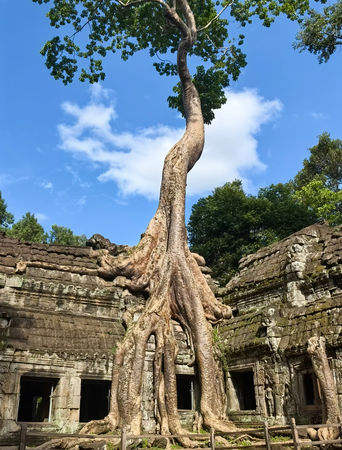
Angkor Wat is the largest religious structure in the world, built in the 12th century: three tiers, galleries with bas-reliefs and five towers symbolising Mount Meru. Bayon is known for the stone faces on its towers, and Ta Prohm for trees whose roots entwine the walls; it was left like this deliberately to preserve the atmosphere of an abandoned temple. Bakheng is a hill with a view of the surroundings, so it is chosen for sunset, but visitor numbers there are limited, and at sunset you have to queue. Banteay Srei, the “pink temple”, stands out for fine carving in pink sandstone and is half an hour’s drive from the main complex.
How to spend the day with children
With children it is better to split Angkor into morning and evening and rest in the middle of the day at the hotel pool. Small children tire quickly from the heat and stairs, so choose short routes and bring water, hats and light snacks. Older children will find Ta Prohm — the “temple from the jungle” — and a boat ride around a floating village interesting. The Phare circus is a good evening option for a family: the show lasts about an hour and needs no language.
Money, connection and small things
In Cambodia both the local currency and US dollars are used: small purchases are often counted in dollars, with change possibly given in riel. Keep small notes for tips and fees. ATMs are found in the centre of Siem Reap, but in the temple zone and on distant routes cash is useful. For connection a local SIM card or eSIM is convenient; mobile internet works well in the city. Do not leave valuables unattended and keep a copy of your passport on your phone.
A tour or independently
Angkor is huge, and without a guide it is easy to miss the main thing: the temples look alike, and context — who built them, when and why — changes the impression. A guide gives the history and leads along less crowded paths, and a tour with transport saves strength in the heat. An independent tuk-tuk trip is cheaper and freer but needs self-discipline: you must choose temples, time and route in advance. A good compromise is a guide on the first day and independent trips on the others.
How to read descriptions and not make mistakes
Tour names in the catalogue can be long, but they tell you almost everything. “With breakfast” — breakfast is included; “full day” — the tour lasts until evening; “small circuit” — the main temples around Angkor Wat; “big circuit” — more distant sites. The duration on the card is hours from meeting to return, including the road: for example 9.5 hours for a classic tour means you spend about six to seven at the sites. Look at the cancellation terms: most offers allow cancelling without penalty until a certain time.
What to check before booking
- The Angkor ticket. Whether it is included in the tour price or must be bought separately.
- Departure time. For sunrise it is around four in the morning.
- Lunch and water. Whether they are included.
- Pace and walking. The stairs in temples are steep, and climbs are tiring.
Clothing, etiquette and safety
Angkor is a living shrine, and clothing requirements apply here: covered shoulders and knees are mandatory for entering the upper levels of Angkor Wat. Bring light clothing of breathable fabric, a hat, cream and closed shoes with a good sole. Do not touch bas-reliefs, do not climb over barriers and do not photograph monks without permission. Drink only bottled water and bring a supply: heat and humidity quickly exhaust you. Do not buy from child vendors: it supports a practice in which children do not go to school.
When to go and how to avoid the crowd
The best time for Angkor is the dry season from November to February: cooler and clearer. In hot months come early in the morning or after four. The busiest hours are sunrise and midday; to avoid crowds start with distant temples or come to Angkor Wat after lunch. About other restrictions and rules see the article rules and fees in Asia: what changed, and where to stay in the guide to hotels in Siem Reap.
How to spread three days
- Day 1 — the classics. Sunrise or sunset, the small circuit: Angkor Wat, Bayon, Ta Prohm.
- Day 2 — distant temples. Banteay Srei, Beng Mealea and Koh Ker.
- Day 3 — water and evening. A floating village, an Apsara dinner or the circus.
Frequently asked questions
How many days does Angkor need?
One or two days are enough for the main temples; for distant ones and nature you need three to four.
Do I need a guide?
A guide is useful on the first day: they explain the context and choose less crowded places.
Which is better — sunrise or sunset?
Sunrise is more beautiful but very crowded; sunset is calmer and does not require getting up at four.
Do I need to book in advance?
In the dry season popular tours sell out several days ahead, so book in advance.
Useful links
- Tours in Siem Reap
- Hotels in Siem Reap
- Angkor without crowds
- Pre Rup: sunrise instead of Angkor Wat
The main rule of Angkor is not to try to see everything in one day: the main temples are best early in the morning or before sunset, and the distant ones are better left for a separate day.
Current as of November 2026. Schedules, tickets and offer conditions change: check them on the tour page and on Trip.com.
Tours and tickets from this article
Live dates, availability and the final price are on Trip.com. These are affiliate links — the price does not change for you.
 Tour from the article · TicketAngkor WatCheck dates →Live price · Trip.comTour from the article · ExcursionSunrise at Angkor Wat with breakfastCheck dates →Live price · Trip.comTour from the article · ExcursionClassic Angkor Wat sunrise, full dayCheck dates →Live price · Trip.comTour from the article · ExcursionAngkor Wat with lunch and sunsetCheck dates →Live price · Trip.com
 Tour from the article · ExcursionClassic Angkor tour with sunsetCheck dates →Live price · Trip.com
 Tour from the article · ExcursionAngkor Small Circuit: Angkor Wat, Bayon, Baksei ChamkrongCheck dates →Live price · Trip.com