How to choose tours from Xiamen: tulou, Yunshuiyao and Quanzhou, with honest tips on what to skip.
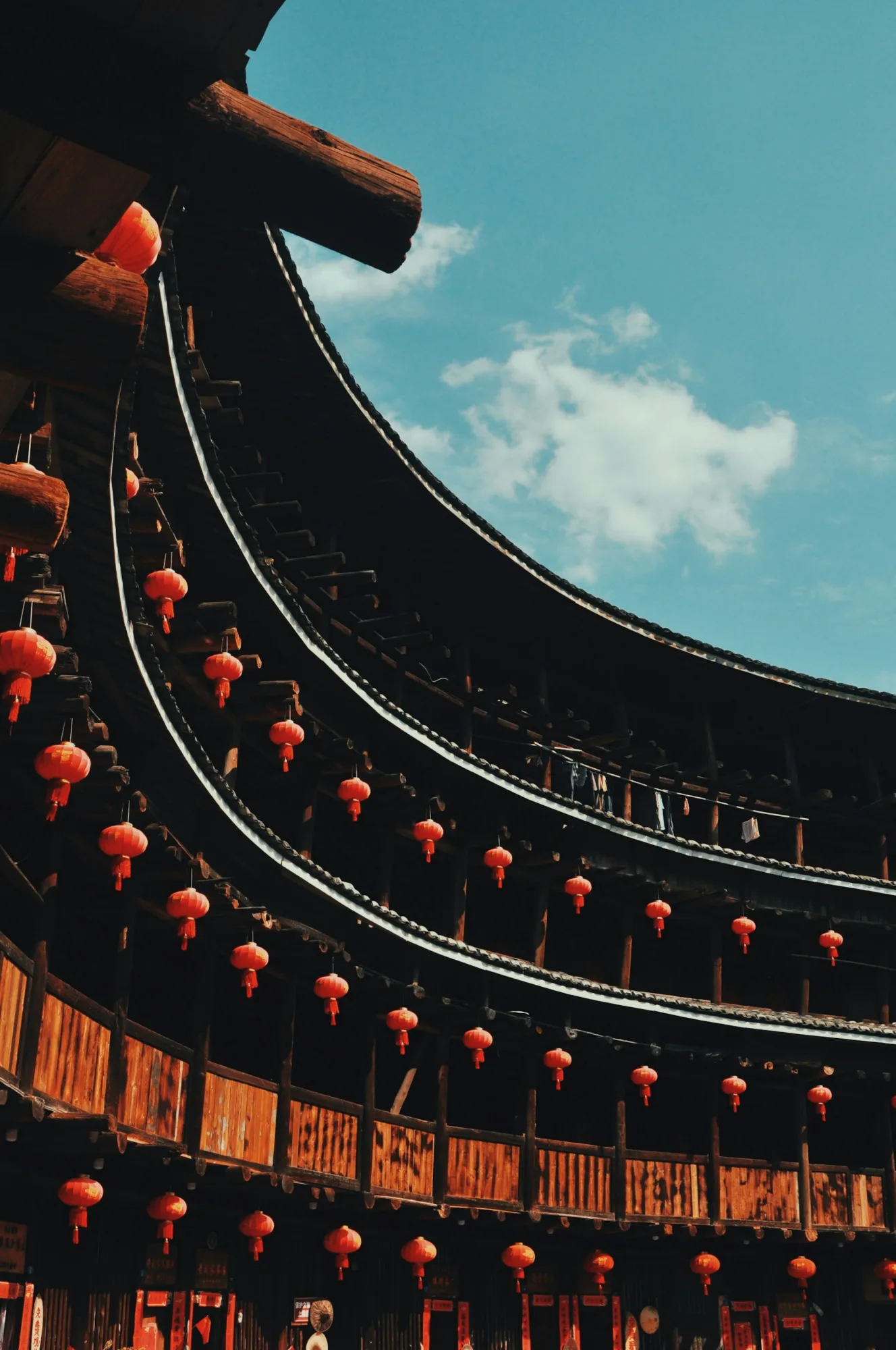
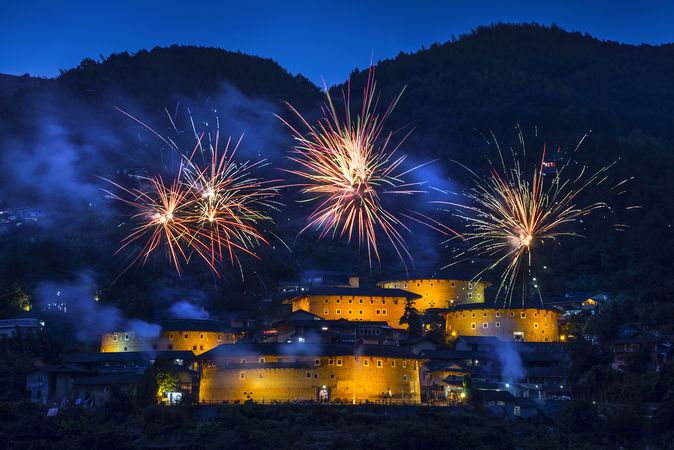
Imagine a house you can enter only through one gate, and inside is a round courtyard, and on three or four floors along the wall dozens of families live. The walls, a metre thick, are built of rammed earth, laundry dries on the balconies, children play in the yard and on the second floor someone is heating tea. Such houses are called tulou, they were built by the Hakka, migrants who needed protection and communal life, and they became one of the most unusual kinds of Chinese architecture. The easiest place to see them from is Xiamen, a seaside city in the south-east of the country that is pleasant in itself but truly opens up when you go beyond it. Let us work it out: which tours from Xiamen are truly worth your time, how to choose between tulou, old towns and Quanzhou and what you can safely skip. We collected offers from the Trip.com catalogue, with duration, language and cancellation terms.
- Tulou are the main reason for a trip: from 6 to 14.7 hours, with Russian-language programmes.
- Yunshuiyao and Yongding: old towns and round houses in one day.
- Quanzhou: World Heritage sites for a full day, in Russian.
- In Xiamen itself: the botanical garden and the ferry to Kinmen.
Tulou: what they are and why go
Tulou are not an “open-air museum” but real dwellings, many of which are still inhabited. Round, square, oval, they stand among tea fields and rice terraces, and in some you can walk into the courtyard, climb the stairs and see how life inside is arranged. A guide is especially needed here: he will explain why the house is round, how the rooms were distributed and why there is a well in the centre of the courtyard. Options:
- Fujian: tulou, Yunshuiyao and Zhangzhou, 14.7 hours, in Russian (rating 4.9);
- Tianluokeng tulou and Taxia village, 6 hours, in English (4.9);
- A group tour to Yunshuiyao and the royal Gaobei tulou, 7 hours (4.6);
- A private tulou tour with tickets, 13 hours (5.0);
- Fujian tulou (Nanjing), a ticket.
 Tour from the article · ExcursionTianluokeng Tulou and Taxia villageCheck dates →Live price · Trip.com
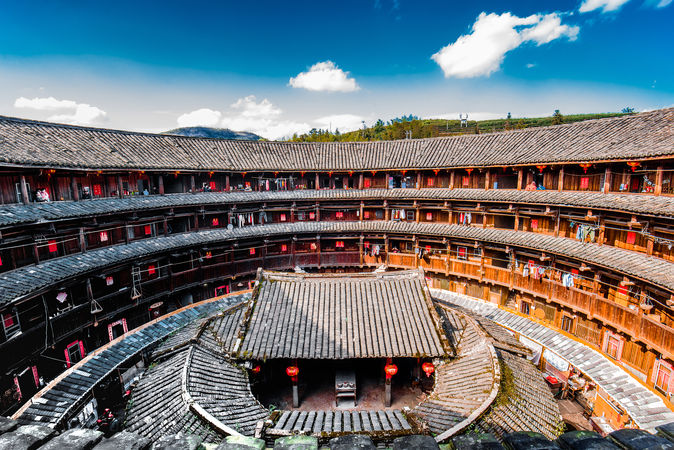 Tour from the article · ExcursionGroup tour to Yunshuiyao and the royal Gaobei tulouCheck dates →Live price · Trip.com
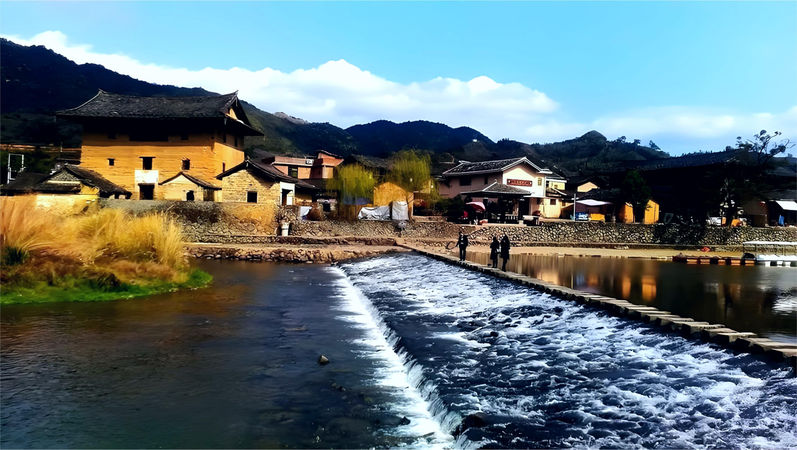 Tour from the article · ExcursionPrivate tulou tour with ticketsCheck dates →Live price · Trip.com
First understand how much strength you have. The road to the tulou from Xiamen takes several hours each way, and the longest programmes are almost fifteen hours. If you tire of the road, take an option of six or seven hours, not “everything at once”. For those who need Russian the first programme suits best: it has houses, an old town and the city of Zhangzhou.
Yunshuiyao and Yongding: old towns
Next to the tulou lie small towns you want to look into: Yunshuiyao, with narrow streets, old banyans and stone bridges, and Yongding, known as a Hakka centre. For those who want to see both the houses and a town in one day, a trip from Xiamen to Yunshuiyao and Yongding suits, 11 hours, in English (4.7). In such towns it is pleasant to walk without hurry, step into a tea house, try local snacks and simply watch ordinary life flow.
Quanzhou: World Heritage for a full day
If urban history is closer to you than village life, there is a trip to Quanzhou, an ancient port that was once one of the largest in the world. Quanzhou: World Heritage sites, 8.1 hours, in Russian (4.6). Here you will see temples, mosques and stone pagodas of different eras standing beside each other: a reminder that people of very different faiths lived in this city. It is a calm cultural programme, and it suits those tired of long roads to the tulou.
Xiamen: what to do without leaving
If you are short on time and do not want to spend a whole day on the road, there is something to see in the city itself. The Xiamen Botanical Garden (rating 4.6, more than 19 thousand reviews) is a quiet green place where you can hide from the heat. A separate walk is Gulangyu island with colonial villas and narrow lanes: choose tickets and ferries there in advance, because in season they sell out. For lovers of unusual trips there is the Kinmen — Xiamen ferry, 30 minutes: check the current rules and documents before buying a ticket.

Fujian and Guangdong in eight days
For those who like unhurried routes the catalogue has a multi-day programme: Fujian and Guangdong in 8 days: Xiamen, tulou, Chaoshan and old towns, 8 days and 7 nights, in English and Chinese. It suits you if you want to see not only Hakka houses but also the neighbouring province with its food and old quarters. Such a format saves effort on planning but requires free days and readiness to travel in a group.
Morning among clay walls
It is better to come to the tulou in the morning, before big groups: it is quiet in the courtyards, it smells of smoke and wet earth, and herbs and laundry dry on lines. Sitting on the steps you can watch an elderly owner brew tea while a cat sleeps on a warm stone. Do not hesitate to enter the shops at the tulou: they sell tea, local snacks and handicrafts. Souvenirs from the tulou, small clay models, tea and seasonings, are better bought from residents and not in the big rows at the entrance.
What to wear and bring
For the tulou and towns you need comfortable shoes: stairs can be steep and stones slippery after rain. Bring light clothes, an umbrella or raincoat, water, a hat and small money for shops. The south-east of China is humid, so take things that dry quickly. If you go for the whole day, bring a snack and a phone charger. An offline map and a translation app will come in handy: English is rarely met in villages.
With children and with parents
Children usually like tulou: round houses look like fortresses and it is interesting to run around them. But a long road tires, so for little ones take a programme of six or seven hours and not fourteen. For older parents it makes sense to choose private tours with stops and a car: the load is lower and it is easier to choose where to linger. The stairs inside the houses are steep, so assess your strength in advance.
How to behave in residential houses
Many tulou are not scenery but homes where people live. Ask permission before entering and photographing, do not open doors without an invitation and do not leave litter. Do not photograph residents at point-blank range, especially older ones. If you are invited for tea, it is a sign of hospitality: you can accept, say thank you and if possible buy something from the hosts. We collected a story of how people live in tulou today in the material about a night in a Hakka clay house.
Weather and a backup plan
The south-east of China is a land of rain, and in the typhoon season (usually summer and early autumn) tours may be cancelled. Rain at the tulou is not a catastrophe: wet walls look especially picturesque and hot tea tastes better in such weather, but it is harder to photograph and to climb stairs. Read the cancellation and rescheduling terms and leave a spare day. If a day is lost, the botanical garden or a calm evening in a cafe on the embankment will help.
Hakka and south-eastern food: what to try
The cuisine of Fujian is a separate joy. Try fish-ball soup, noodles with seafood, dumplings with unusual fillings and sweets of rice flour. In the tulou they often cook by traditional Hakka recipes: braised pork, handmade tofu, vegetables from mountain gardens. Tea is a serious matter here: local varieties are poured into small cups, and it is customary to drink it unhurriedly. If you do not eat spicy food or are allergic to seafood, tell the guide: in small cafes the menu may be only in Chinese. And do not hesitate to point at what is being eaten at the next table: it works better than any translation.
How to choose a format: a Russian group, an English group or a private day
For tulou the catalogue has three different paths. Russian-language programmes are convenient because the guide answers questions without translation, but they are usually the longest. English group tours are shorter and cheaper, but the schedule is fixed and you cannot linger at a house you like. Private programmes let you choose the pace and the order of stops yourself, but cost noticeably more if you travel alone. If there are three or four of you, the price difference per person is small. Before booking check what is included in the price: tickets to tulou are sometimes separate, and the time at each place is limited. Save the organiser’s contact and write your hotel name in Chinese.
Xiamen in the evening: the embankment and tea
After a day on the roads you want to come back to a city where you can simply walk. On Xiamen’s embankment local residents gather toward evening: some jog, some dance, some ride their children on bicycles. The sea wind softens the heat, lights of passing ships burn on the water, and on the other shore an island glows. Sit down in a tea house, order a pot and watch the day end. There is no need to look for a “sight”: this unhurried rhythm is exactly what makes Xiamen a pleasant city.
What you can skip
Honestly, you do not need to take the longest programme if you dislike long roads: tulou can be seen in six or seven hours too. It is not worth going to Yongding “for the town” if only round houses matter to you. If you have already seen old towns in China, Yunshuiyao may seem familiar. And it is not worth taking several far trips in a row: after the first day in a car the second will seem hard.
When to go
The best time is autumn and spring: warm and moderately humid. Summer can be stuffy with frequent rains, winter is cool but there are fewer tourists. Before your trip check the forecast, especially in the typhoon season. For where to stay in the city itself see the review of Xiamen hotels, and for ideas for calm rest without crowds the material on a digital detox in China.
How to spread three days
- Day 1: Xiamen. The botanical garden, the embankment, an unhurried dinner in the evening.
- Day 2: tulou. A trip to the tulou and a village, a return by evening, nothing planned after.
- Day 3: Quanzhou or Yunshuiyao. A cultural programme or an old town, your choice.
Frequently asked questions
How many days do you need for Xiamen and the tulou?
Three days: one for the city, one for the tulou and one for the towns or Quanzhou.
Are there tours in Russian?
Yes: there are Russian-language programmes for the tulou with Yunshuiyao and Zhangzhou and for Quanzhou.
What to choose if I have one day?
A group tour to Yunshuiyao and the Gaobei tulou for seven hours or Tianluokeng for six.
Useful links
- All tours in Xiamen
- Xiamen hotels
- A night in a Hakka clay house
Tulou do not need to be “looked at and left behind”: it is enough to sit for a minute in a courtyard and hear the house live its own life. The rest will come by itself.
Current as of November 2026. Schedules, prices and offer terms change: check them on the tour page and on Trip.com.
Tours and tickets from this article
Live dates, availability and the final price are on Trip.com. These are affiliate links — the price does not change for you.
Tour from the article · ExcursionTianluokeng Tulou and Taxia villageCheck dates →Live price · Trip.comTour from the article · ExcursionGroup tour to Yunshuiyao and the royal Gaobei tulouCheck dates →Live price · Trip.comTour from the article · ExcursionPrivate tulou tour with ticketsCheck dates →Live price · Trip.com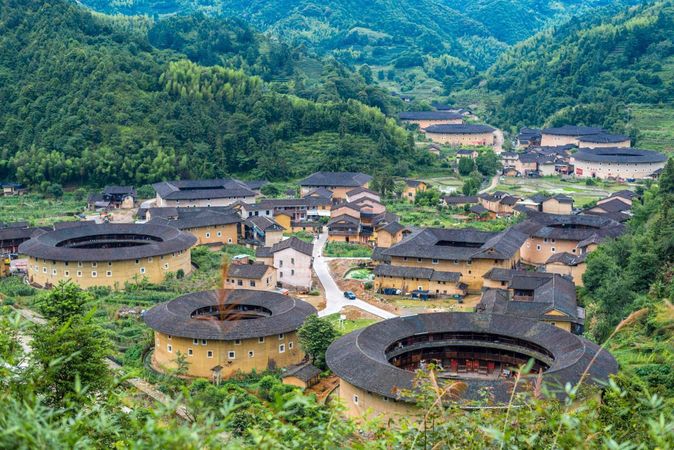 Tour from the article · TicketFujian Tulou (Nanjing)Check dates →Live price · Trip.com
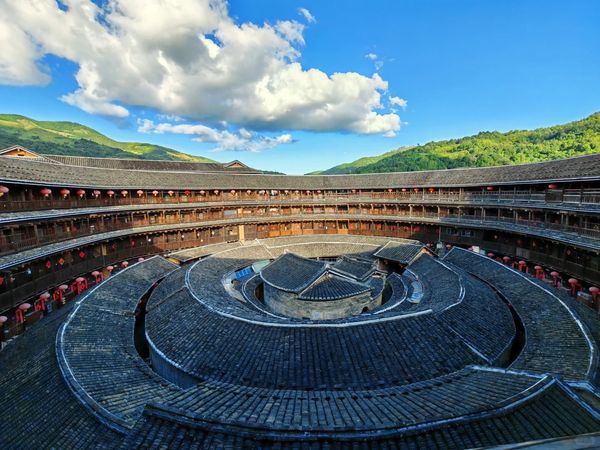 Tour from the article · ExcursionFrom Xiamen to Yunshuiyao and YongdingCheck dates →Live price · Trip.com
 Tour from the article · ExcursionQuanzhou: World Heritage sitesCheck dates →Live price · Trip.com