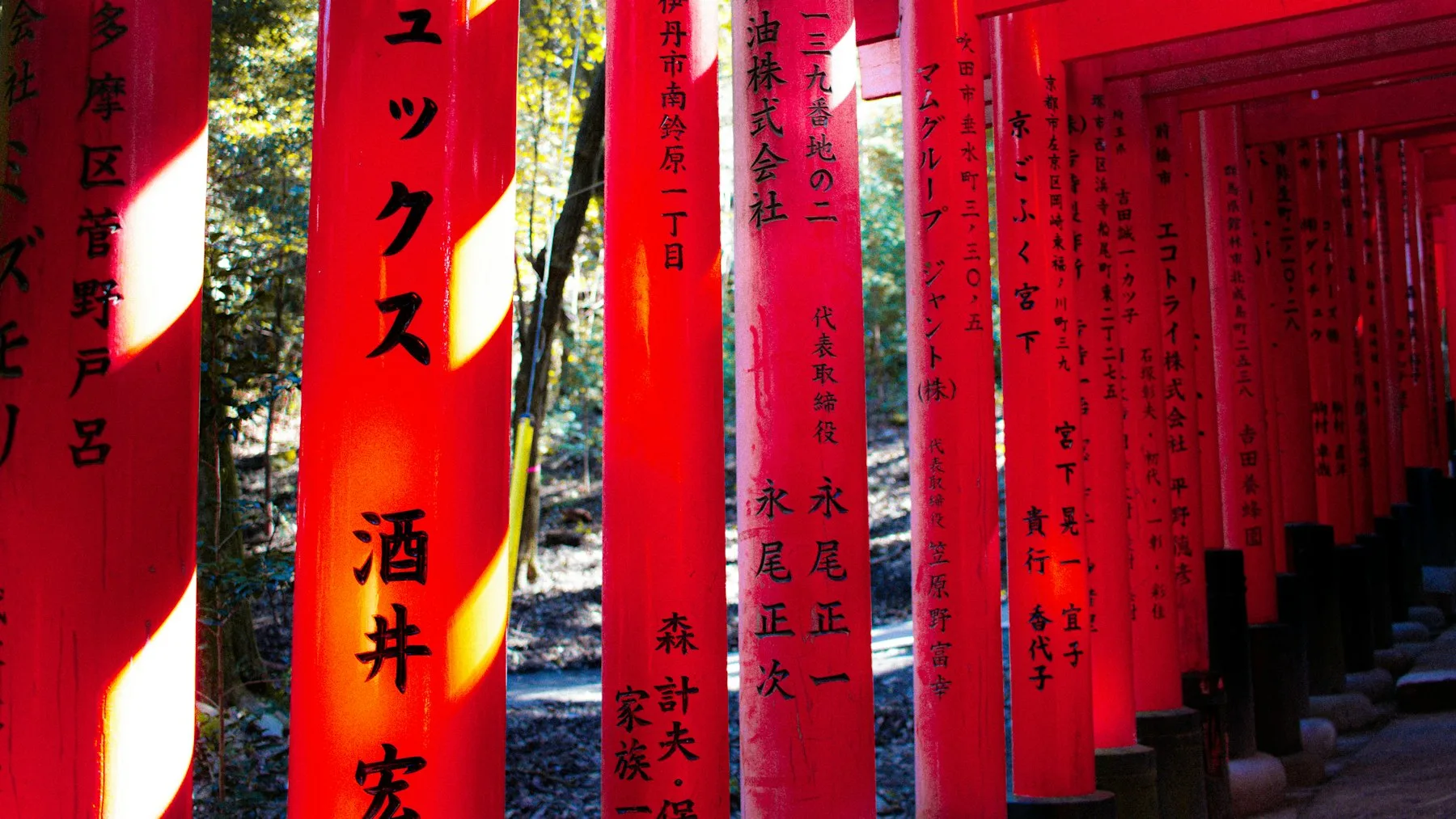
How to choose tours in Kyoto: the Golden Pavilion, Fushimi Inari, Nara and its deer, Arashiyama and the Sea of Kyoto, with durations, passes and practical tips.
Kyoto is a city where in one day you can see the Golden Pavilion, thousands of red gates and a bamboo grove, and the next day go to the deer in Nara. That is exactly why choosing tours here is hard: the names are alike (“Kyoto and Nara”, “Arashiyama and Katsuo-ji”, “Fushimi Inari and deer”), the duration is from five to more than ten hours, and many routes have almost the same set of points. So the choice comes down to the question: what to take — one packed classic day, two calm ones or an outing beyond the city, how to avoid spending the day in crowds and when it is better to go yourself by train. We collected offers from the Trip.com catalogue — with duration, language and cancellation terms — and went through how to choose between them.
- The Kyoto classics — the Golden Pavilion, Nijo Castle and Fushimi Inari: about 5.5 hours; with Nara from 6 to 10 hours.
- Arashiyama (the bamboo grove, the Sagano train) is a separate day of 5–9 hours, and some tours come with a Russian-speaking guide.
- The “Sea of Kyoto” — Amanohashidate and the Ine boat houses: a long trip beyond the city of 10–11 hours.
- For independent trips Kansai passes and airport transport are useful.
Kyoto classics in one day
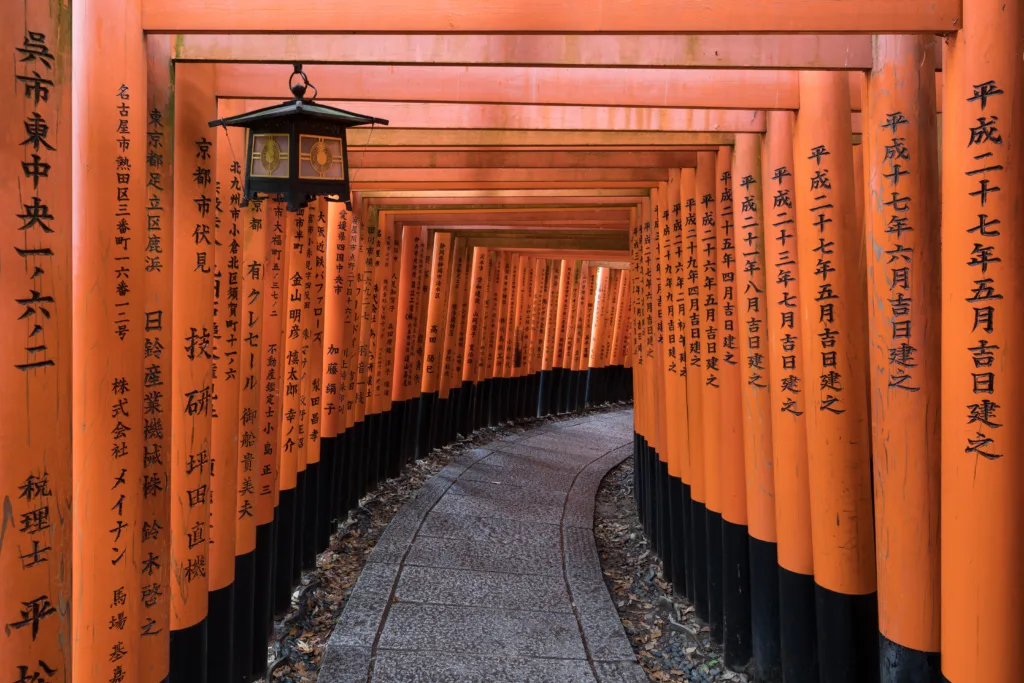
If you have one or two days in Kyoto, start with three main places: the Golden Pavilion, Nijo Castle and the Fushimi Inari shrine with its thousand red gates. They are in different parts of the city, so a tour with transport saves time and effort. Options:
- Golden Pavilion, Nijo Castle, Fushimi Inari — 5.5 hours (rating 4.8);
- Kyoto in a small group of up to 9 people — 9.6 hours (rating 4.9);
- Samurai and Ninja Museum in Kyoto — 1 hour (4.5): a short format with costumes and demonstrations;
- Sumo show and interactive experience in Kyoto (rating 5.0, over 100 reviews).
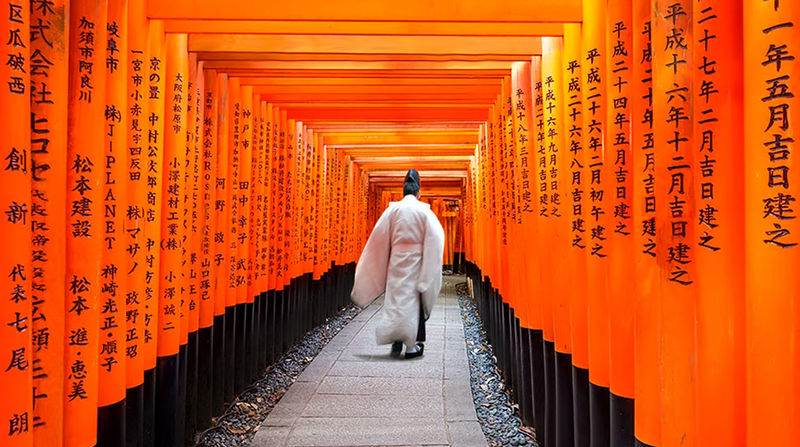 Tour from the article · ExcursionGolden Pavilion, Nijo Castle, Fushimi InariCheck dates →Live price · Trip.com
 Tour from the article · ExcursionKyoto in a small group of up to 9 peopleCheck dates →Live price · Trip.com
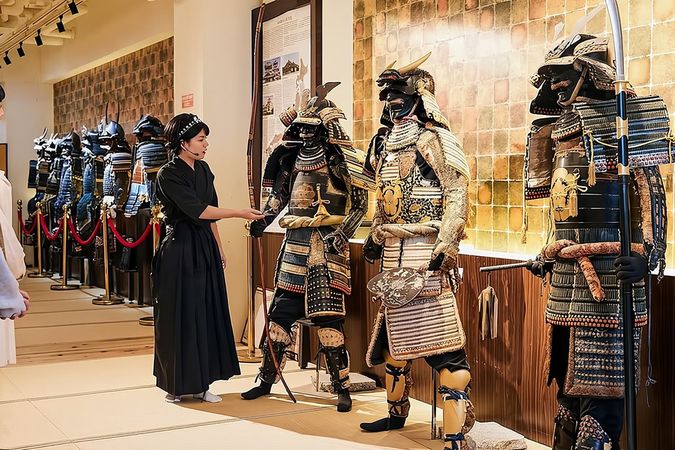 Tour from the article · TicketSamurai and Ninja Museum in KyotoCheck dates →Live price · Trip.com
How to avoid the crowds
Fushimi Inari is the most crowded place in Kyoto by day. If you can, come early in the morning or in the evening: the path through the gates stretches up the slope, and the higher, the fewer people. The Golden Pavilion opens early, and by noon the platform fills. Small groups are convenient because the guide leads better between streams of people and it is easier to get a photo without the crowd. Check the forecast in advance: in heavy rain the paths are slippery and visibility is worse.
Kyoto and Nara: deer and ancient temples
Nara is a former capital of Japan an hour from Kyoto: the Todai-ji temple with its huge Buddha, a park with tame deer and quiet avenues. It is usually combined with Kyoto in one day, but the content differs greatly:
- Kyoto and Nara: Kiyomizu-dera, Fushimi Inari, Nara Park — 9.7 hours (rating 4.9);
- Kyoto and Nara: Fushimi Inari and deer — 9.6 hours;
- Kyoto and Nara: Nara Park, Fushimi Inari, the bamboo grove — 6.2 hours;
- Kyoto, Nara and Uji — 6.5 hours: adds the tea city of Uji.
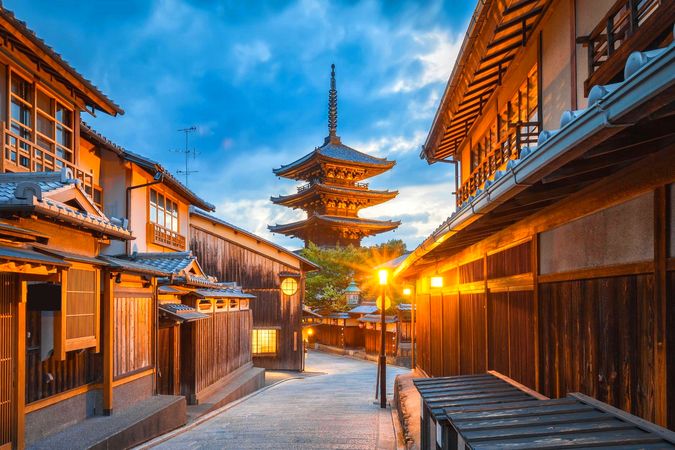 Tour from the article · ExcursionKyoto and Nara: Kiyomizu-dera, Fushimi Inari, Nara ParkCheck dates →Live price · Trip.com
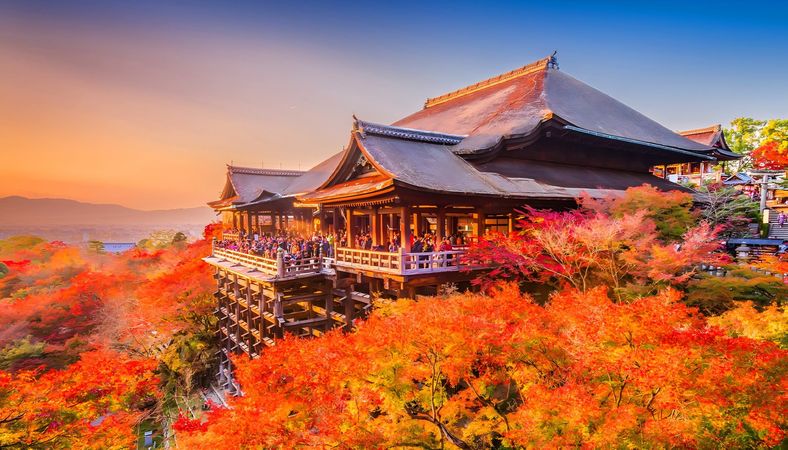 Tour from the article · ExcursionKyoto and Nara: Fushimi Inari and the deerCheck dates →Live price · Trip.com
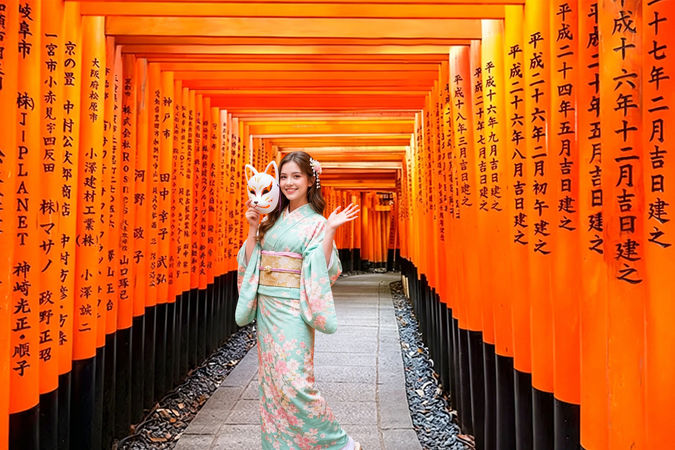 Tour from the article · ExcursionKyoto and Nara: Nara Park, Fushimi Inari, bamboo groveCheck dates →Live price · Trip.com
The deer in the park are customarily fed special crackers sold on the spot; do not feed them other food and keep papers and maps away — deer chew them. If you want to wander calmly around Nara, take a nine-to-ten-hour option; short tours give only a glimpse.
Arashiyama and surroundings
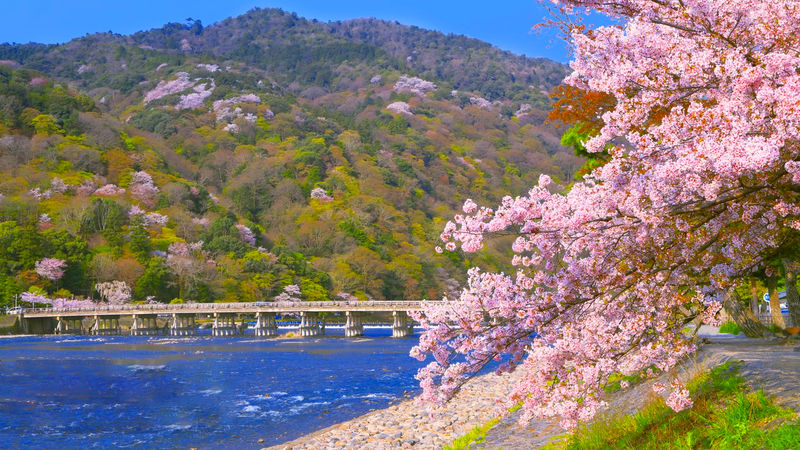
Arashiyama is a district in west Kyoto with a bamboo grove, the Togetsukyo Bridge and temples. For different moods:
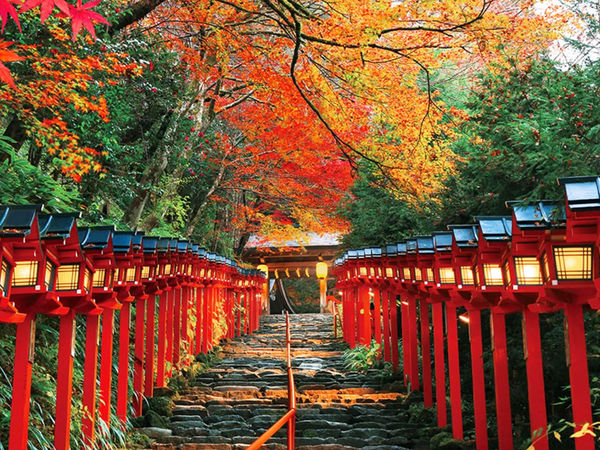
- Arashiyama, Sanzen-in and Kifune — 9.2 hours (rating 4.9);
- Arashiyama and Katsuo-ji with a Russian-speaking guide — 7.5 hours (4.7);
- Katsuo-ji, Arashiyama and a matcha tea ceremony — 9.6 hours;
- Sagano train, Hozugawa rafting and Arashiyama — 4.8 hours (rating 4.9): a scenic ride on a retro train and a boat trip.
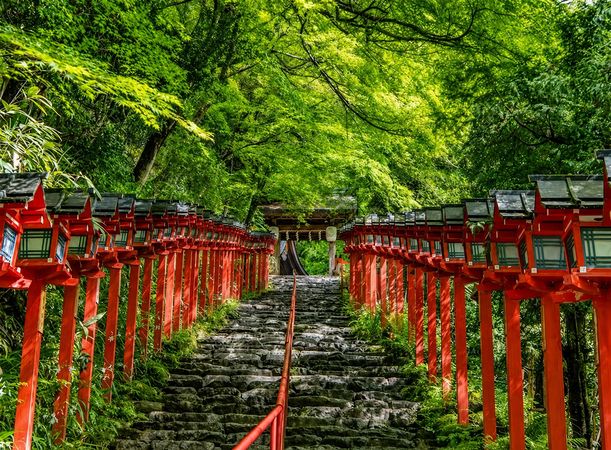 Tour from the article · ExcursionArashiyama, Sanzen-in and KibuneCheck dates →Live price · Trip.com
 Tour from the article · ExcursionArashiyama and Katsuo-ji with a Russian-speaking guideCheck dates →Live price · Trip.com
Katsuo-ji is a temple where daruma figures for fulfilling wishes are sold; Kifune is a mountain village with restaurants by a stream, especially pleasant in summer. The bamboo grove is as popular as Fushimi Inari, so it is better to come at opening.
The “Sea of Kyoto”: Amanohashidate and Ine
If you already know the main temples, go to the north of the prefecture — to the sea. The “Sea of Kyoto”: Amanohashidate and Ine takes 10.5 hours (rating 4.9), and there is the option Amanohashidate and the Ine boat houses with tickets — 10.6 hours. Amanohashidate is one of Japan’s three most famous scenic spots: a sandy spit across a bay that people look at “upside down”, bending over. Ine is a fishing village with boat houses right at the water; more in our article Ine no Funaya: boat houses near Kyoto. It is a day for those who want to see Japan without crowds; but it is long and harder to reach independently.
Transport: passes and the airport
For independent trips around the Kansai region passes are convenient: the Kansai JR Pass (rating 4.9), the 3-day Kansai mini railway pass and the Kansai Railway Pass Lite. Before buying, work out the route: if you go to Kyoto and Nara and return to Osaka, a pass may not pay off. From Kansai airport to Kyoto and Osaka runs a bus (rating 4.9); about the ways to get there see Kansai airport — Osaka and Kyoto.
A tour or independently
Kyoto is arranged conveniently for independent trips: buses and trains run on schedule and phone maps show everything. But an independent trip has a price — time, transfers and finding the route between distant places. A tour removes logistics questions and gives context: the guide explains which temples you see. A good compromise is to take a tour for a day or two and walk the rest of the time yourself, for example in the Gion district and along the canal. For those travelling with children or elderly parents a tour is more convenient: fewer transfers and less walking with luggage.
How to read tour descriptions and not make mistakes
Tour names in the catalogue can be long, but they tell you almost everything. “Small group of up to 9” means a minibus and a more attentive guide; “with tickets” means entrance tickets are already included; “with a Russian-speaking guide” is rare, and such tours sell out faster. The duration on the card is hours from meeting to return, including the road: for example 9.7 hours for Kyoto and Nara means you spend about six to seven at the sites. Look at the cancellation terms: most offers allow cancelling without penalty until a certain time.
What to check before booking
- Meeting place. It is often Kyoto Station or a central hotel; it determines what time you get up.
- Entrance tickets. Whether they are included in the price, especially for the Golden Pavilion and Todai-ji.
- Lunch. Whether it is included and whether dietary restrictions are taken into account.
- Pace and walking. Fushimi Inari and Arashiyama involve a lot of walking.
Etiquette in temples and shrines
In temples and shrines it is customary to behave quietly, not to go past barriers and not to photograph where it is forbidden. At the entrance to Shinto shrines people usually bow and do not walk down the centre of the path, reserved for the gods. In traditional houses and some temples shoes are taken off: bring socks without holes. In Nara do not tease the deer and do not hide food in your pockets. Do not leave rubbish: Japan has few bins, and rubbish is customarily taken with you.
Food and tea: what to try
Kyoto is the centre of traditional kaiseki cuisine, but you can try local food without expensive restaurants: tofu and yuba (soy milk skin), pickled vegetables, noodles and sweets made of rice flour. Near Uji the best green tea is made, so a tour with a matcha ceremony is a good way to relax after a day on your feet. Many temples and districts open teahouses with a garden view; plan a tea break so as not to get tired. If you have an allergy or a diet, tell the organiser in advance: in Japan the contents of dishes can be unobvious, especially in broths.
With children and elderly parents
Kyoto has many stairs and distances: Fushimi Inari and Kiyomizu-dera require climbs, and in Nara there are large distances between the park and the temples. For families with children it is simpler to choose short formats — the Golden Pavilion and Nijo for half a day or Nara with deer, where children are interested. For elderly travellers small groups and private tours suit: the pace is gentler and the guide picks a route without extra climbs. Bring comfortable shoes and water, allow breaks and do not try to see everything in one day.
Photos without the crowd
Good shots in Kyoto come in the morning and evening: the light is softer and there are fewer people. The bamboo grove and Fushimi Inari fill by nine or ten in the morning, so come at opening. The Golden Pavilion looks better in sun, and Nijo Castle in clear weather when the paintings are visible. Do not use tripods and drones where forbidden, and respect the privacy of residents and geisha in the Gion district: photographing people without consent is not customary.
When to go and what to bring
The most popular seasons in Kyoto are cherry blossom in late March to early April and red maples in November; in those weeks crowds and prices are at their peak and tours sell out in advance. Summer is hot and humid, winter cool and quiet. Bring comfortable shoes — you cover many kilometres a day — an umbrella and water. For temples any modest clothing will do; cash is needed for small shops and vending machines. More in the article Kyoto: ryokan, onsen and tea, and where to stay in the guide to hotels in Kyoto.
How to spread three days
- Day 1 — the classics. The Golden Pavilion, Nijo and Fushimi Inari; an evening walk in Gion.
- Day 2 — Nara or Arashiyama. Deer and Todai-ji or the bamboo grove and the Sagano train.
- Day 3 — free or the “Sea of Kyoto”. A tea ceremony, a museum or a long trip to the sea.
Frequently asked questions
How many days does Kyoto need?
Two to three days are enough for the main places; with Nara, Arashiyama and a trip to the sea you need four to five.
Are there tours in Russian?
Most tours run in English; in Russian there is, for example, Arashiyama and Katsuo-ji with a Russian-speaking guide.
When is the best time to go to Fushimi Inari?
Early in the morning or in the evening: by day the path is overcrowded.
Do I need to book in advance?
In cherry blossom and red maple season tours sell out weeks ahead, so book in advance.
Useful links
- Tours in Kyoto
- Hotels in Kyoto
- Japan itinerary for 7 days
- From Kansai airport to Osaka and Kyoto
The main rule of Kyoto is not to try to see everything in one day: temples are best in the morning, and evenings are better left for walks through the districts.
Current as of November 2026. Schedules, tickets and offer conditions change: check them on the tour page and on Trip.com.
Tours and tickets from this article
Live dates, availability and the final price are on Trip.com. These are affiliate links — the price does not change for you.
Tour from the article · ExcursionGolden Pavilion, Nijo Castle, Fushimi InariCheck dates →Live price · Trip.comTour from the article · ExcursionKyoto in a small group of up to 9 peopleCheck dates →Live price · Trip.comTour from the article · TicketSamurai and Ninja Museum in KyotoCheck dates →Live price · Trip.com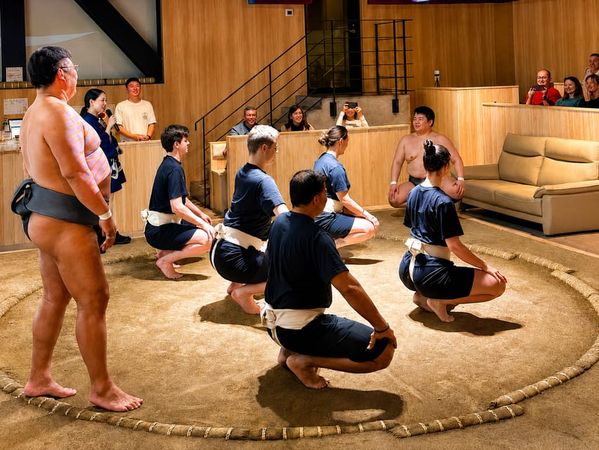 Tour from the article · TicketSumo show and interactive experience in KyotoCheck dates →Live price · Trip.comTour from the article · ExcursionKyoto and Nara: Kiyomizu-dera, Fushimi Inari, Nara ParkCheck dates →Live price · Trip.comTour from the article · ExcursionKyoto and Nara: Fushimi Inari and the deerCheck dates →Live price · Trip.com