Climbing Mount Fuji: the season, the mandatory 4,000-yen fee, online booking, the rules of the Yoshida Trail, the ban on night climbing without a hut and how not to get altitude sickness.
Three in the morning, pitch darkness, the trail underfoot, and upward as far as the eye can see stretches a chain of headlamp lights — thousands of people silently climbing to the summit to meet the dawn at 3,776 metres above the clouds. Fuji is the only mountain in the world that Japanese climb as a pilgrimage, and although the saying goes that a wise man climbs Fuji once and a fool twice, the queue of those wishing has not thinned for centuries. But in recent years the climbing rules have tightened noticeably, and showing up “on the off chance” no longer works.
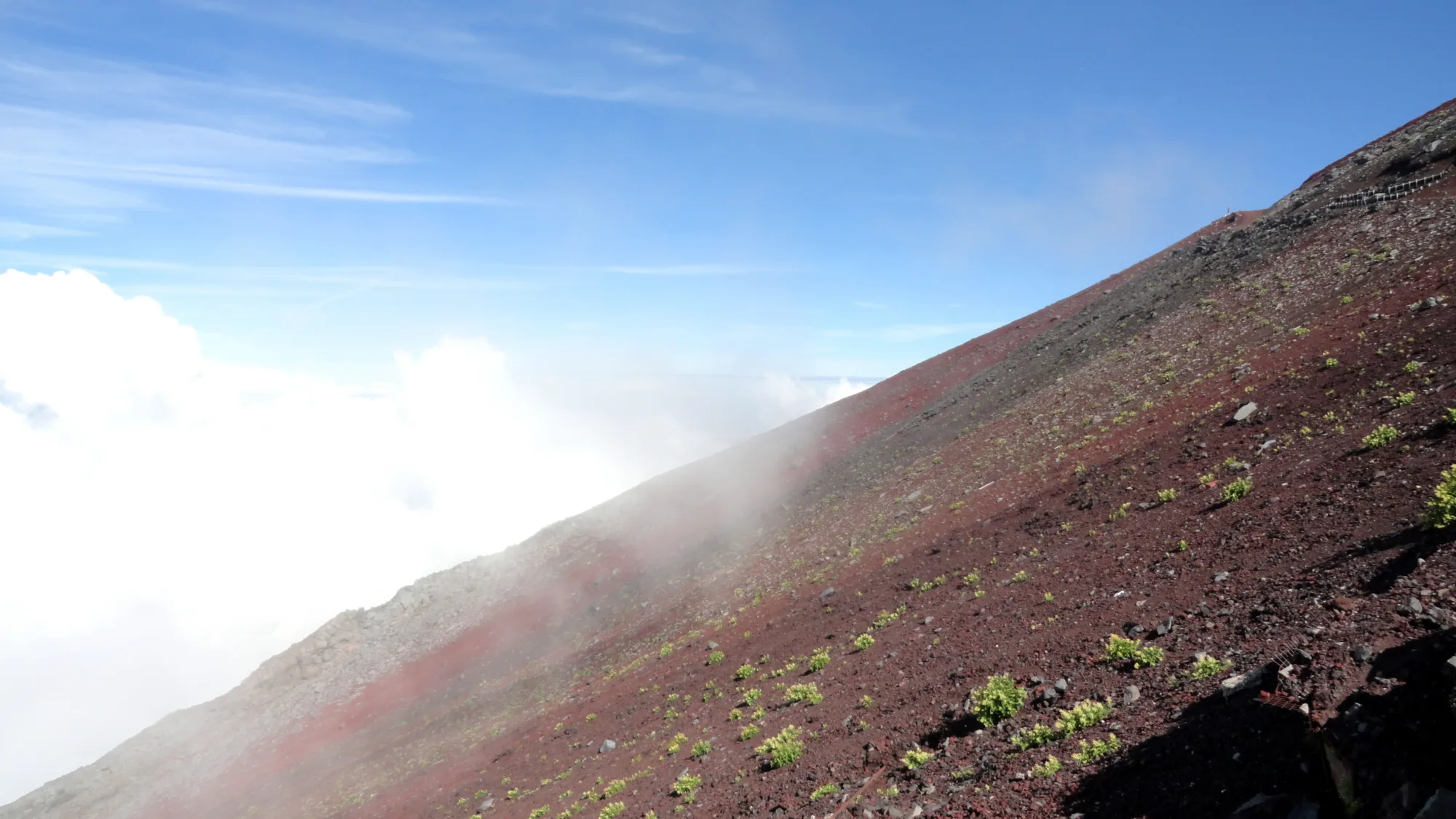
When you can climb
Fuji is open to ordinary tourists for just over two months a year. In 2026 the season ran from 1 July to 10 September: the Yoshida and Subashiri trails opened on 1 July, and Fujinomiya and Gotemba on 10 July. Outside this window the mountain is closed: snow, ice and sharp weather changes make the climb dangerous, rescuers do not work and the huts stand closed. The dates of the 2027 season have not yet been announced, but traditionally they fit roughly within the same frame — follow the official climbing website.
The 4,000-yen fee and booking
From 2026 a single fee of 4,000 yen per person applies on all four trails, and it must be paid in advance: the official way is online booking through the Asoview platform, where you choose the format (a day climb or a climb with an overnight stay in a hut), agree to the safety rules, pay by card and receive a QR ticket that is presented at the gates of the Fifth Station. Without a QR code you won’t be let onto the trail, so putting off booking until the last day is a bad idea.
The Yoshida Trail and its rules
Yoshida is the most popular and most convenient trail: it starts from the Fifth Station of the Fuji Subaru Line, with many huts and infrastructure along it. But precisely because of its popularity the strictest restrictions apply here: the daily limit is 4,000 people, and the gates close from 14:00 to 3:00 if you have no hut booking. Night climbing without a booking has been forbidden since 2024: those who want to catch the “goraiko” — dawn above a sea of clouds — must book a place in a hut at the seventh or eighth station in advance.
Altitude sickness and preparation
The body needs time to get used to altitude, and on Fuji the gain in height is rapid: headache, dizziness and nausea are commonplace. To reduce the risk, climb slowly, drink more water, take frequent rests and, if possible, spend the night in a hut at the seventh or eighth station rather than trying to make the whole climb in one go. It is cold at the summit even in summer — you need a warm jacket, a hat, gloves and a raincoat, and a headlamp is essential if you set out at night.
Huts and everyday details
Mountain huts are Spartan sleeping places on shared bunks, packed in, without a shower and often without separate toilets: they ask several thousand yen for a night with dinner and breakfast, and places are taken months ahead. Don’t count on comfort — count on a roof over your head, hot ramen and conversation with other travellers. Take cash with you: toilets on the trail are paid, and water and food cost more than below.
FAQ
When can I climb Fuji? From early July to 10 September; on Yoshida and Subashiri from 1 July, on Fujinomiya and Gotemba from 10 July (2026 dates).
How much does the climb cost? The mandatory fee is 4,000 yen on all trails from 2026, plus a night in a hut if needed.
Can I go at night without a hut booking? No — on the Yoshida Trail night climbing without a booking has been forbidden since 2024, the gates close at 14:00 and open at 3:00 only for those with a booking.
How do I avoid altitude sickness? Climb slowly, drink water, rest and preferably spend the night in a hut at the seventh or eighth station.
Which trail is better for beginners? Yoshida is the most popular and best equipped, but also the most crowded; if you want a quieter option, look at the Subashiri or Gotemba trails.
Season dates, fees and climbing rules may change — check the official website before the trip.