Which Asian places made the 2027 rankings: Hyogo, Busan, Penang, Da Nang, Fulidhoo and Gujarat, with a clear line between confirmed and unconfirmed.
Every autumn big publications and travel platforms publish their lists of “where to go next year”, and by November 2026 they had already moved on to 2027. It is better to read such lists as a map of moods, not as an order: each has its own method, some count growth in search queries, others rely on an editorial opinion. But this year a common thought repeats across different rankings: travellers are tired of capitals and look for a second tier of cities with fewer queues and more life. From the fresh lists we chose Asian places that could be confirmed in several sources and analysed what stands behind them and how to use them on a trip. What was not confirmed we marked separately so as not to pass guesses off as facts.
- Expedia (“Unpack ’27”): the Japanese prefecture of Hyogo is among the trending destinations; Busan is noted in Korean reviews with search growth of about 50%.
- Lonely Planet Best in Travel 2027: among Asian entries Da Nang (24th place) and Fulidhoo island in the Maldives (25th) are confirmed, as well as Gujarat in India (23rd).
- National Geographic Best of the World 2027: Penang in Malaysia is confirmed; the magazine, judging by reviews, also included a Japanese entry, but we did not confirm its name.
- A common motif: second-tier cities instead of capitals, shorter trips and a bet on feelings.
Hyogo: Japan is more than Tokyo and Kyoto
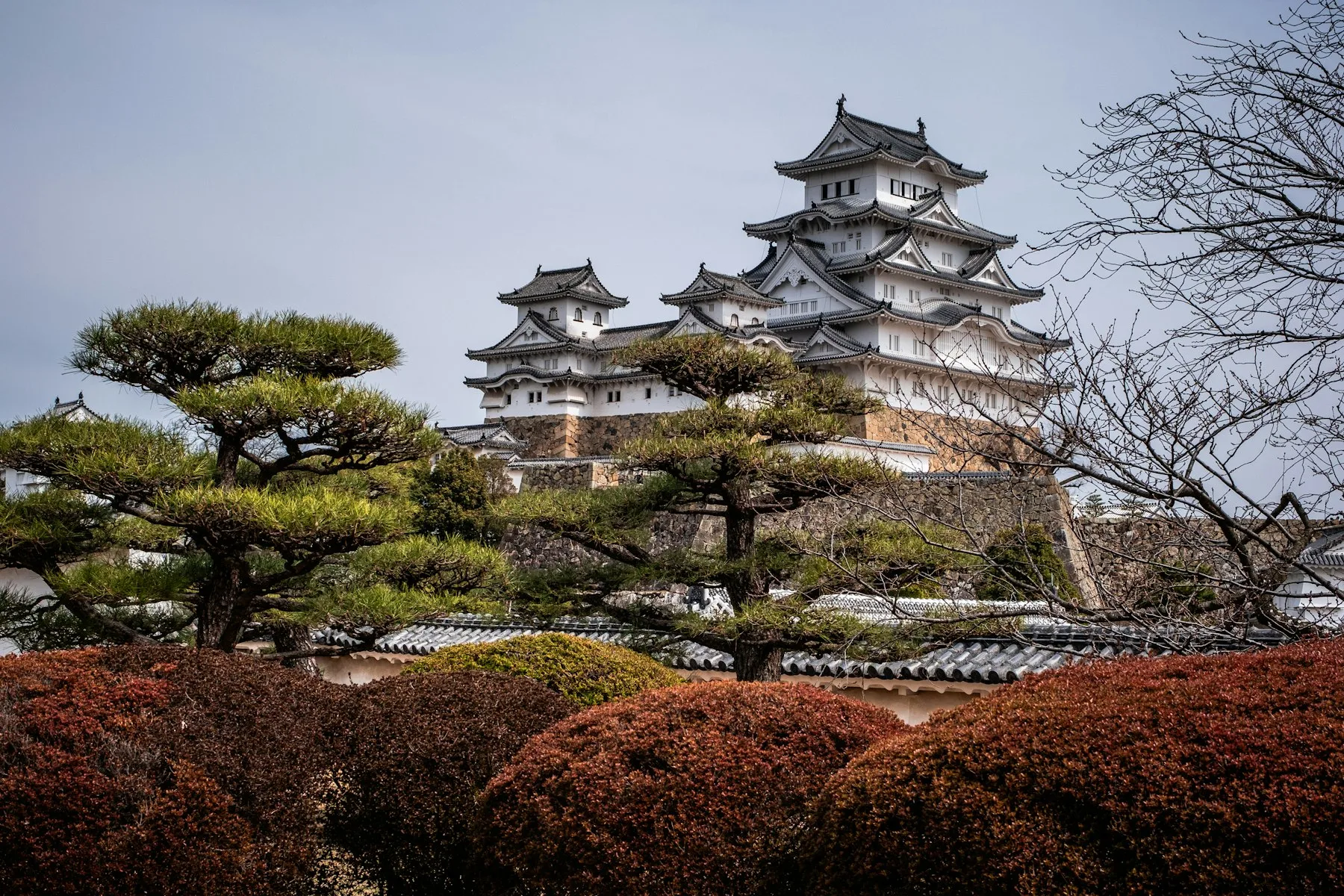
In Expedia’s report on 2027 trends the prefecture of Hyogo is named among destinations of the year: according to media reports, search queries for it grew noticeably. The prefecture is known for Himeji Castle, one of the best-preserved Japanese castles, the port and city of Kobe, hot springs and the Sea of Japan coast. Unlike Tokyo and Kyoto, there are fewer crowds here, and it is easy to reach: from Osaka by high-speed train to Himeji takes about as long as to the outskirts of Kyoto. For a traveller who has already seen the classic route it is a good way to add something new. We already covered such an idea in the material Hyogo and Sendai instead of Tokyo and Kyoto: a 4–5 day route, and touched on Kobe in the article about tours in Osaka.
How to use it. Set aside two or three days for Hyogo: a day for Himeji with its gardens and surroundings, a day in Kobe (the port, quarters with history, local food) and, if time allows, a day at hot springs. Autumn and spring suit best. For lodging see the sections Japan hotels and our review new hotels in Tokyo, Kyoto and Osaka.
Busan: Korea beyond Seoul
Busan is named in many Korean reviews for 2027: according to Hotels.com, search queries for flights and lodging in Busan grew by about 50% compared with last year, and the city entered the top ten destinations of the year. For foreigners Busan is sea, mountains and city quarters that look nothing like Seoul: coloured houses on slopes, a fish market, Haeundae beach, a temple on a cliff. We wrote in detail about tours in this city in the article tours in Busan: Gamcheon, Haedong Yonggungsa, Sky Capsule, Gyeongju, and about the region’s development plans in the material Korea in 2027. For lodging see Busan hotels.
Penang: National Geographic’s confirmed choice
In National Geographic’s “Best of the World 2027” list Penang in Malaysia appeared, at least so several reviews of the list write. The island is known for old George Town, listed by UNESCO, street art, varied cuisine and a mix of Chinese, Indian and Malay cultures. For a traveller it is an ideal “food city”: tasty, inexpensive and walkable. We covered its tours in the material tours in Penang and Langkawi, and lodging options in the section Malaysia hotels. When planning a trip consider that in the rainy season some water tours are cancelled, and leave a spare day.
Da Nang: 24th place at Lonely Planet
In the Best in Travel 2027 list from Lonely Planet Da Nang is named among twenty-five destinations, judging by the lists in 24th place. It is a city on the coast of Central Vietnam with a long beach, mountains and marble cliffs, with the old town of Hoi An and the former capital Hue nearby. We covered this destination in the article on tours, tours from Da Nang: Ba Na Hills, Hoi An, Cham Island, and the comparison with Nha Trang in the material Da Nang or Nha Trang: what to choose. Look for hotels in the section Da Nang hotels.
Fulidhoo and Gujarat: not the most obvious
Among Asian entries of Lonely Planet 2027 there are unusual ones too. Fulidhoo island in the Maldives is named twenty-fifth: it is an inhabited island, not a resort, and such a choice reflects growing interest in “local” Maldives, where you can stay in guesthouses and talk to residents. Gujarat in India is named twenty-third: the state is known for wildlife, the Kutch desert and bright culture. These places need preparation: in the Maldives you must consider rules of conduct and dress code on local islands, and in India think through the visa and logistics in advance. We wrote more about the Maldives in the materials on tours in Malé and Maldives hotels, and about India in the section India hotels.
What local rankings and surveys say
Korean travel platforms note several tendencies in their reviews for 2027. First, short trips: according to reports, a significant share of travellers plan one-night trips. Second, attention to what emotions the traveller wants to get: one platform describes an approach of “choosing by mood” and not by a list of sights. Third, spending “wisely”: people are ready to pay more for what matters to them and save on the rest. Fourth, the share of those planning trips with AI is growing. Note that these are conclusions from surveys by individual companies, not a universal truth, and each ranking has its own audience.
What to do with this information
The most useful thing to take from rankings is a signal about destinations where you may not yet have been and where it is not yet crowded. If you choose between a capital and the second city, the second usually has fewer queues and moderate prices. If you like short trips, build them from a “base” and a couple of day trips. It is not worth chasing the trendiest place: rankings show growth in queries, not quality of rest, and a popular place may turn out overloaded. Check fresh reviews, look at the season and leave a time reserve.
When to go to these places
The season decides a lot. In Hyogo spring and autumn are best: warm, clear, and in blossom and red-leaf season it is beautiful both in the castles and on mountain slopes. Busan is good from late spring to early autumn, when you can swim and walk the embankment, while in the rainy and typhoon season some sea programmes are cancelled. Penang is warm all year, but the most comfortable months are December to February, when there is less rain. In Da Nang the best time is spring and early summer, and in autumn storms happen. The Maldives are most convenient in the dry season, roughly November to April. For Gujarat choose the cool months: summer heat can be very strong. Before buying tickets check the forecast and cancellation terms.
How to assemble a route from two places in the ranking
You do not have to go to one point. Hyogo and Busan combine well in one trip around Japan and Korea: a high-speed train and a flight or ferry link the regions, and between them you can make a day in Fukuoka. Penang is convenient to join with Kuala Lumpur and Langkawi. Da Nang with Hoi An and Hue, and if you wish continue north to Hanoi. For a ten-day trip two bases of four or five nights and one day for the road are enough. If you travel for a week, take one base and make day trips: that way there is less bustle and more time for food and walks.
How to check a trend yourself
Rankings are not the only source. To understand whether it is worth going to a “trending” place, look at fresh reviews of recent months: how much they say about crowds, prices and service quality. Compare the cost of tickets and lodging in your date range with the usual: if prices have risen sharply, the place may be going through a burst of interest, and it is better to choose other dates. Read travel notes by locals: they often know quiet districts and the times when there are fewer people. Compare distances and travel time: a “fashionable” place three connections away from you may not be worth the road.
A bet on feelings, not on a list
Many 2027 rankings stress that travellers choose a place not by a list of sights but by what they want to feel: calm by the sea, gastronomic pleasure, a sense of antiquity or freedom. It is a good way to plan: before the trip write down three words describing the desired holiday and check each place against them. If the words are “quiet” and “nature”, Fulidhoo or the mountains of Hyogo suit you. If “food” and “streets”, Penang and Busan. If “sea and city”, Da Nang. Such an approach lowers the risk of being disappointed in a fashionable but unsuitable place.
What we could not confirm
We will say honestly what stayed off-screen. We did not find the full list of ten destinations of the year by Expedia and could not confirm which exact Asian entries, apart from Penang, made National Geographic’s list. For Lonely Planet only three Asian entries are confirmed (Gujarat, Da Nang and Fulidhoo). We also did not find a combined ranking for Thailand and Indonesia for 2027. See the full lists on the publications’ own sites. If other Asian places are named in your source, they may be in the official lists that we could not open.
Frequently asked questions
Which Asian places made the 2027 rankings?
Hyogo and Busan (Expedia and Korean reviews), Penang (National Geographic), Da Nang, Fulidhoo and Gujarat (Lonely Planet) are confirmed.
Is it worth going only because of a ranking?
It is better to use a ranking as a hint and make the decision by season, budget and reviews.
What to choose for a first trip?
Classic destinations such as Tokyo, Kyoto or Thailand; rankings are more useful for repeat trips.
Useful links
- Hyogo and Sendai instead of Tokyo and Kyoto
- South Korea hotels
- Vietnam hotels
Rankings suggest where others are looking, but a good holiday begins with the question of what you want. The rest will come with the choice.
Current as of November 2026. Rankings, place names and terms change: check them on the publications’ and platforms’ sites.