How to choose tours and tickets in Osaka: the castle, Dotonbori, Kaiyukan, Universal Studios, night Kobe, passes and airport transfers, with durations and tips.
Osaka is a city usually seen as a “gateway” for trips to Kyoto and Nara, and wrongly so: it has its own castle, one of Japan’s best aquariums, the Universal Studios park, the famous food of Dotonbori and evening Kobe half an hour away. There are few tours in Osaka itself, but many tickets, passes and transfers that are easy to mix up: “Osaka Amazing Pass”, “Metro for 26 or 48 hours”, “Nankai Rapi:t”, “JR Haruka”. So the choice comes down to the question: what to take by ticket on your own, where a guide is needed, how to get from Kansai airport without extra transfers and whether to go to Universal Studios alone. We collected offers from the Trip.com catalogue — with duration, language and cancellation terms — and went through how to choose between them.
- The main places are Osaka Castle, the Kaiyukan aquarium and Universal Studios Japan; each needs a separate ticket and, as a rule, half a day of its own.
- To get to know the city there is a walking tour with the castle (4 hours) and a boat ride along Dotonbori.
- In the evening it is worth going to Kobe: “Night views of Kobe” takes about 8 hours.
- From Kansai airport to the city run the Nankai Rapi:t and JR Haruka trains and the Osaka Limousine bus.
Osaka Castle and a walking tour
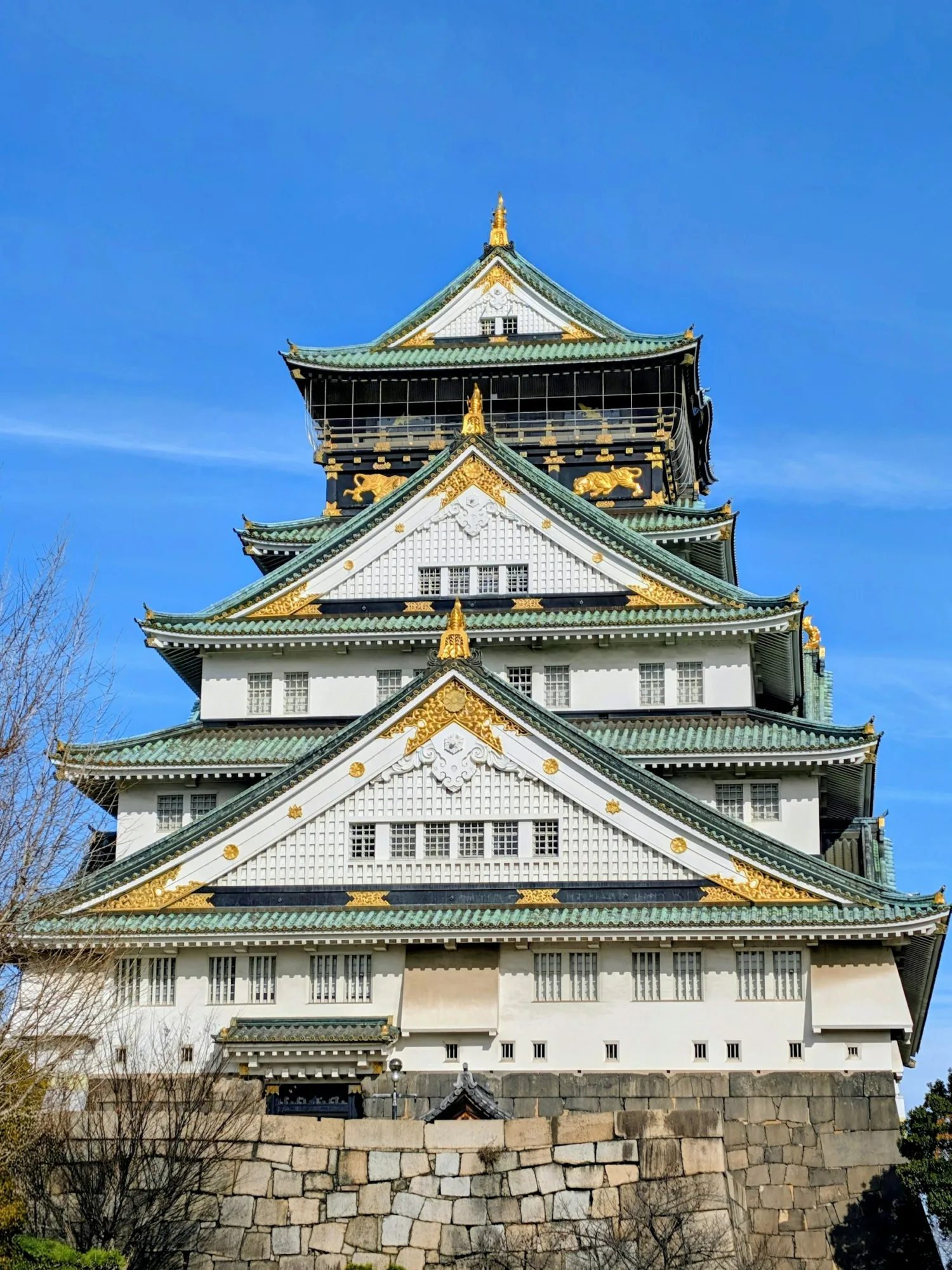
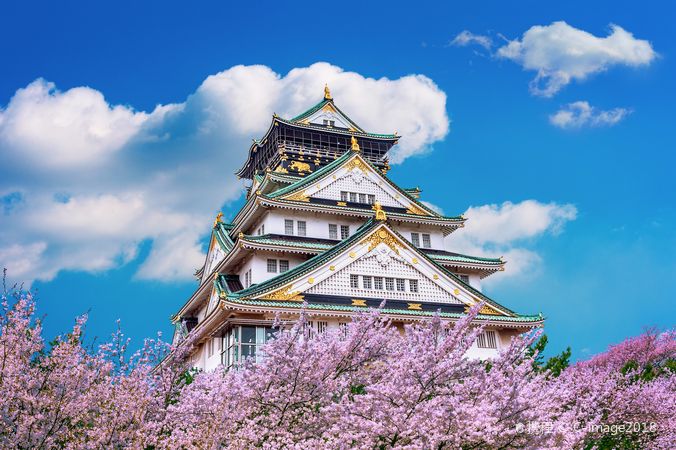
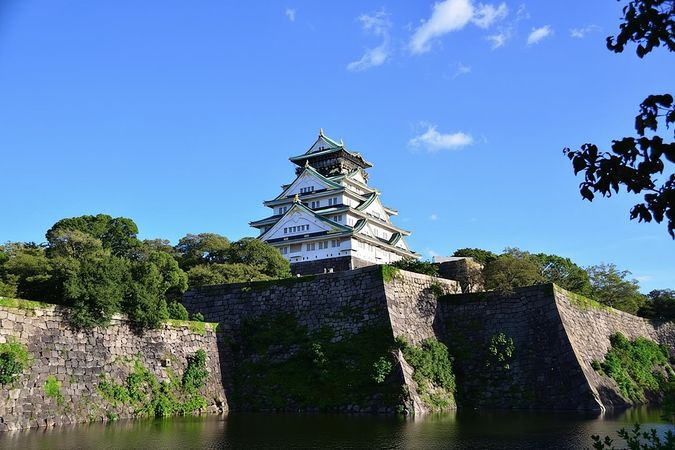
Osaka Castle is the symbol of the city and its main historic site: the castle itself is surrounded by a park and moats, inside is a museum, and from the top floor the city opens up. You can take a separate ticket here: Osaka Castle (rating 4.7). If you want to understand the city rather than just walk through halls, a walking tour of Osaka with the castle fits — 4 hours (rating 4.9): the guide shows the castle and neighbouring districts and tells about the city. Come at opening — by noon groups gather at the approach to the castle.
 Tour from the article · TicketOsaka CastleCheck dates →Live price · Trip.com
 Tour from the article · ExcursionWalking tour of Osaka with the castleCheck dates →Live price · Trip.com
Dotonbori and evening Osaka
Dotonbori is the city’s main tourist street: neon signs, street food, takoyaki and okonomiyaki. You can see it from another side from the water: a boat ride along Dotonbori (20 minutes, rating 4.7). In the evening it is crowded, in the morning calmer; to try the food without queues come outside peak hours. About eating here cheaply see our article a month in Osaka: budget.
Kaiyukan aquarium and Universal Studios
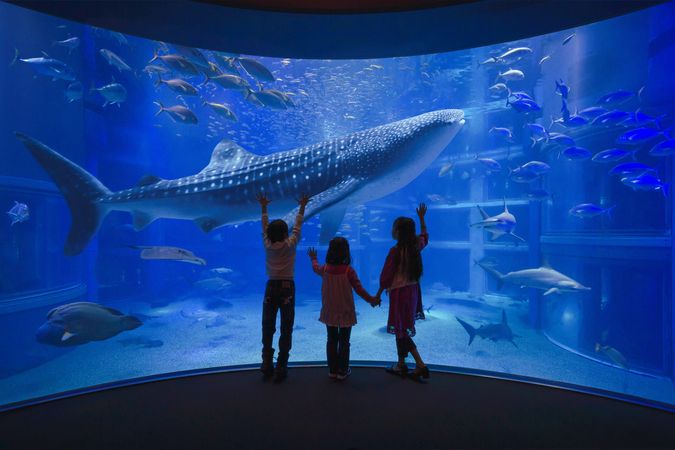
The two main family places are the Kaiyukan aquarium (rating 4.7) and Universal Studios Japan (4.7). Kaiyukan is one of the largest aquariums in the world, with whale sharks and a giant central tank; half a day is enough for it. Universal Studios needs a whole day: in season the queues are long, and for popular rides and the Nintendo areas a separate entry slot may be required. It is better to buy tickets in advance and to arrive at opening. You can get there by train or book a transfer: transfer Universal Studios Osaka — centre, airport, Kyoto and a private transfer to Universal Studios Japan (5 hours). For families with small children a transfer saves energy.
 Tour from the article · TicketKaiyukan AquariumCheck dates →Live price · Trip.com
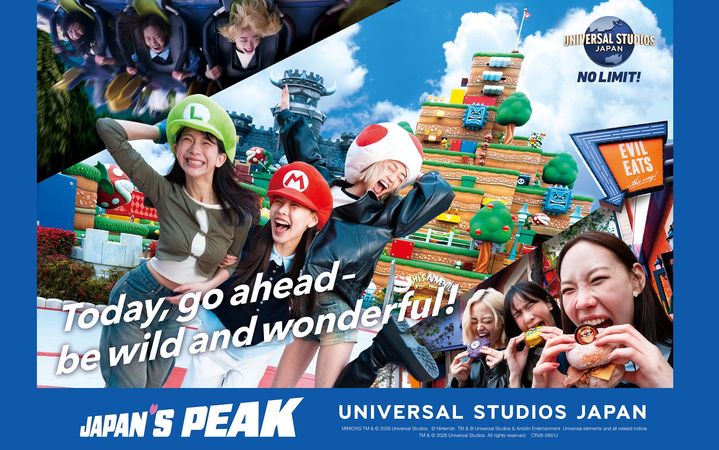 Tour from the article · TicketUniversal Studios Japan (Osaka)Check dates →Live price · Trip.com
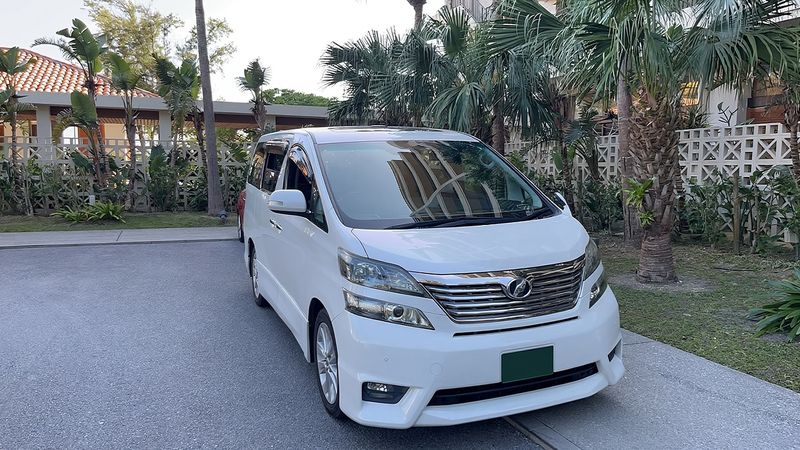 Tour from the article · CarTransfer: Universal Studios Osaka — city center, airport, KyotoCheck dates →Live price · Trip.com
Kobe: an evening trip
Kobe is half an hour from Osaka and is perfect for an evening: the port, night views, beef. For an independent trip take a ticket to the Kobe Port Tower (rating 4.4), and for a tour night views of Kobe (8 hours, rating 4.9): the guide shows the city from several viewpoints. Kobe beef is expensive, so if you plan to try it, check prices in advance.
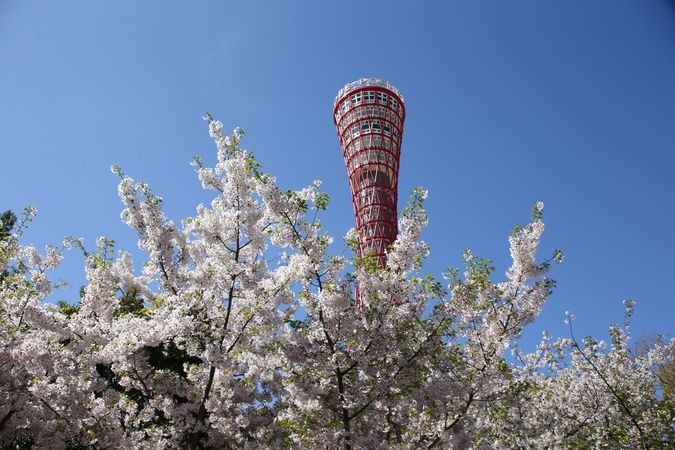 Tour from the article · TicketKobe Port TowerCheck dates →Live price · Trip.com
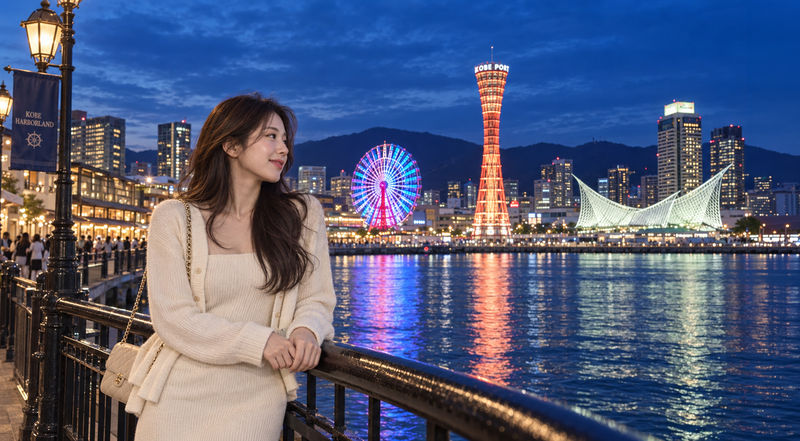 Tour from the article · ExcursionKobe by nightCheck dates →Live price · Trip.com
Passes and discount cards
For independent trips around the city passes are worthwhile: the Osaka Amazing Pass (rating 4.7) gives access to the metro and a number of attractions, and the Osaka metro for 26 or 48 hours (4.6) suits you if you mostly travel around the city. Work out the route in advance: a pass pays off if you visit several included sites in a day. For trips to Kyoto and Nara it is better to look at regional Kansai passes; about them in the article tours in Kyoto.
From Kansai airport into the city
Kansai airport is on an artificial island, and you can get to the city in several ways:
- Nankai Rapi:t from Kansai airport (rating 4.8) — a fast train to central Namba;
- JR Haruka from Kansai airport (4.8) — a train to Osaka and Kyoto stations;
- the Osaka Limousine bus (4.8) — convenient with luggage, goes to the main hotels.
The choice depends on where you are staying: Rapi:t is better for Namba, Haruka for Osaka and Kyoto, the bus if your hotel is near a stop. More in the article Kansai airport — Osaka and Kyoto.
Universal tips for Universal Studios
The park is big, and a day is easily spent on queues. Come at opening and go straight to the most popular zones: while there are few people you can ride several rides in a row. Download the park’s official app: it shows waiting times and lets you book entry slots to themed zones in advance. Bring a phone charger, a light rain cape and water; food in the park is expensive, so take a snack if the rules allow. If you travel with children, check height restrictions: small ones are not allowed on some rides. Allow time for the evening return: after closing trains are packed, and it is better to leave half an hour before the end or book a transfer.
Kaiyukan aquarium: how to see it without crowds
Kaiyukan is arranged as a spiral: you first go up to the top floor and then walk down along the huge central tank. It is better to come at opening or toward evening: in the middle of the day and at weekends it is crowded. Allow two to three hours, do not hurry at the main tank and look in at feeding if it is in the schedule. For children it is a great option for a rainy day, and for photographers a good chance to try low-light shooting: it is better to turn the flash off.
Where to stay and how not to lose time
Osaka is big, and the choice of area determines how much time goes on the road. Namba is convenient for food and evening walks, Umeda for the station and trains to Kyoto, and the area near Universal Studios suits those going to the park for several days. If you plan many trips, stay near a major station: it is easier to change. Do not book too many points in one day: between sites you need time for transfers, and in Japan trains are punctual but stations are large and confusing.
Safety and etiquette
Japan is very safe, but it has its own rules. In the metro and on trains people do not talk on the phone and behave quietly; on escalators in Osaka it is customary to stand on the right and let people pass on the left. Do not eat on the move on busy streets without need and throw rubbish only into bins, which are rare, so it is easier to carry rubbish with you. In temples and shrines take off hats and keep quiet; photographing people without permission is not customary.
A tour or independently
Osaka is convenient for independent trips: the metro and trains run on schedule and phone maps show everything. But an independent trip has a price — time and finding routes. A walking tour with a guide suits a first acquaintance, and the rest can be seen by yourself with tickets: the castle, the aquarium, the tower. For Universal Studios a guide is not needed, but a transfer is convenient. A good compromise is a half-day tour and free time for food and walks.
Food and the evening in Osaka
Osaka is called Japan’s kitchen: takoyaki (octopus balls), okonomiyaki (savoury pancakes), kushikatsu (deep-fried skewers) and udon noodles. Dotonbori and the covered Kuromon market are the main places to get to know the food; ask the guide where locals eat. If you have an allergy, warn in advance: in Japan seafood and eggs are often used. In the evening the Namba area is noisy and bright, and for a quiet dinner choose a street away from the centre.
How to read descriptions and not make mistakes
Names of tickets and transfers in the catalogue can be similar, but the differences matter. A “ticket” is just entry; a “transfer” is a ride with a driver; a “pass” is a card for several days. The duration on the card is hours from meeting to return, including the road and waiting. Look at the cancellation terms: most offers allow cancelling without penalty until a certain time, but for tickets to some sites the terms are stricter.
What to check before booking
- Date and entry time. For Universal Studios and the aquarium tickets are for a specific day.
- Included sites. What exactly is in the pass and what discounts apply.
- Meeting place. For tours and transfers check the meeting point.
- Conditions for children. Age limits and discounts.
With children: what to choose
With children it is best to go to the aquarium and Universal Studios, but each needs a separate day or half-day. The castle suits older children: the stairs and exhibition need attention. A boat ride along Dotonbori is a calm option for the evening. Watch the time: it gets dark early in Japan, and the metro and trains are packed at rush hour.
When to go and what to bring
The best time for Osaka is spring and autumn: warm and clear; summer is hot and humid, winter cool. Bring comfortable shoes, an umbrella and a little cash: cards are not accepted everywhere in small places. Payment information is in the article how to pay in Japan, and where to stay in the guide to hotels in Osaka.
How to spread three days
- Day 1 — the city. Osaka Castle, a walking tour, Dotonbori and a boat in the evening.
- Day 2 — Universal Studios. A whole day in the park; at opening and with a transfer.
- Day 3 — the aquarium and Kobe. Kaiyukan by day, Kobe in the evening.
Frequently asked questions
How many days does Osaka need?
Two to three days are enough for the main places; if you combine with Kyoto and Nara you need four to five.
Do I need a pass?
If you visit several included sites in a day the Osaka Amazing Pass is worthwhile; otherwise a metro ticket is enough.
What is the best way to get from the airport?
Rapi:t to Namba, Haruka to Osaka and Kyoto, the bus if your hotel is near a stop.
Do I need to book in advance?
In season it is better to buy Universal Studios and aquarium tickets in advance.
Useful links
- Tours in Osaka
- Hotels in Osaka
- Japan itinerary for 7 days
- Tours in Kyoto
The main rule of Osaka is not to try to fit everything into one day: the castle is good in the morning, the park needs a whole day, and the evening is better left for food and walks.
Current as of November 2026. Schedules, tickets and offer conditions change: check them on the tour page and on Trip.com.
Tours and tickets from this article
Live dates, availability and the final price are on Trip.com. These are affiliate links — the price does not change for you.
Tour from the article · TicketOsaka CastleCheck dates →Live price · Trip.comTour from the article · ExcursionWalking tour of Osaka with the castleCheck dates →Live price · Trip.com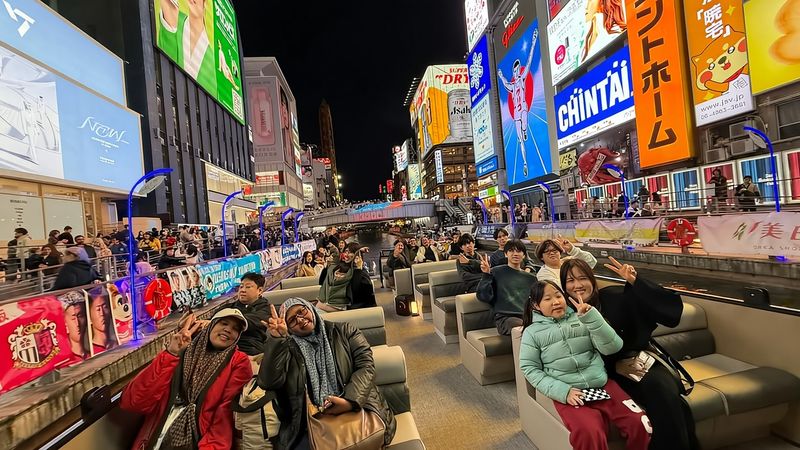 Tour from the article · ExcursionDotonbori Boat RideCheck dates →Live price · Trip.comTour from the article · TicketKaiyukan AquariumCheck dates →Live price · Trip.comTour from the article · TicketUniversal Studios Japan (Osaka)Check dates →Live price · Trip.comTour from the article · CarTransfer: Universal Studios Osaka — city center, airport, KyotoCheck dates →Live price · Trip.com