How to choose tours from Sapporo: flower fields, Otaru, Noboribetsu and Lake Toya, with honest tips on seasons and what to skip.
Hokkaido is not like the rest of Japan. The sky is wider here, the roads longer, in July purple stripes of lavender stretch across the fields, in winter snow lies higher than the windows, and the air smells of the sea, milk and fried crab. Sapporo is the main gateway to the island: a city with wide avenues, a beer history and a queue for miso ramen. But the point of a trip to Hokkaido is not only the city. Most tours from here are day trips: the blooming fields of Biei and Furano, the old port of Otaru, hot springs and the “Hell Valley” of Noboribetsu, Lake Toya. Let us work it out: which trips are truly worth your day, how to combine them with the season and how not to spend a day on the road. We collected offers from the Trip.com catalogue, with duration, language and cancellation terms.
- In summer: the flower fields of Biei and Furano (10–11 hours).
- All year: Otaru and the coast, Noboribetsu with Hell Valley, Lake Toya (6–11 hours).
- In the city: the TV Tower, Shiroi Koibito Park, Asahiyama Zoo, Mount Tenguyama.
- For independent trips: the JR Pass for Hokkaido railways.
Biei and Furano: fields and the “Blue Pond”
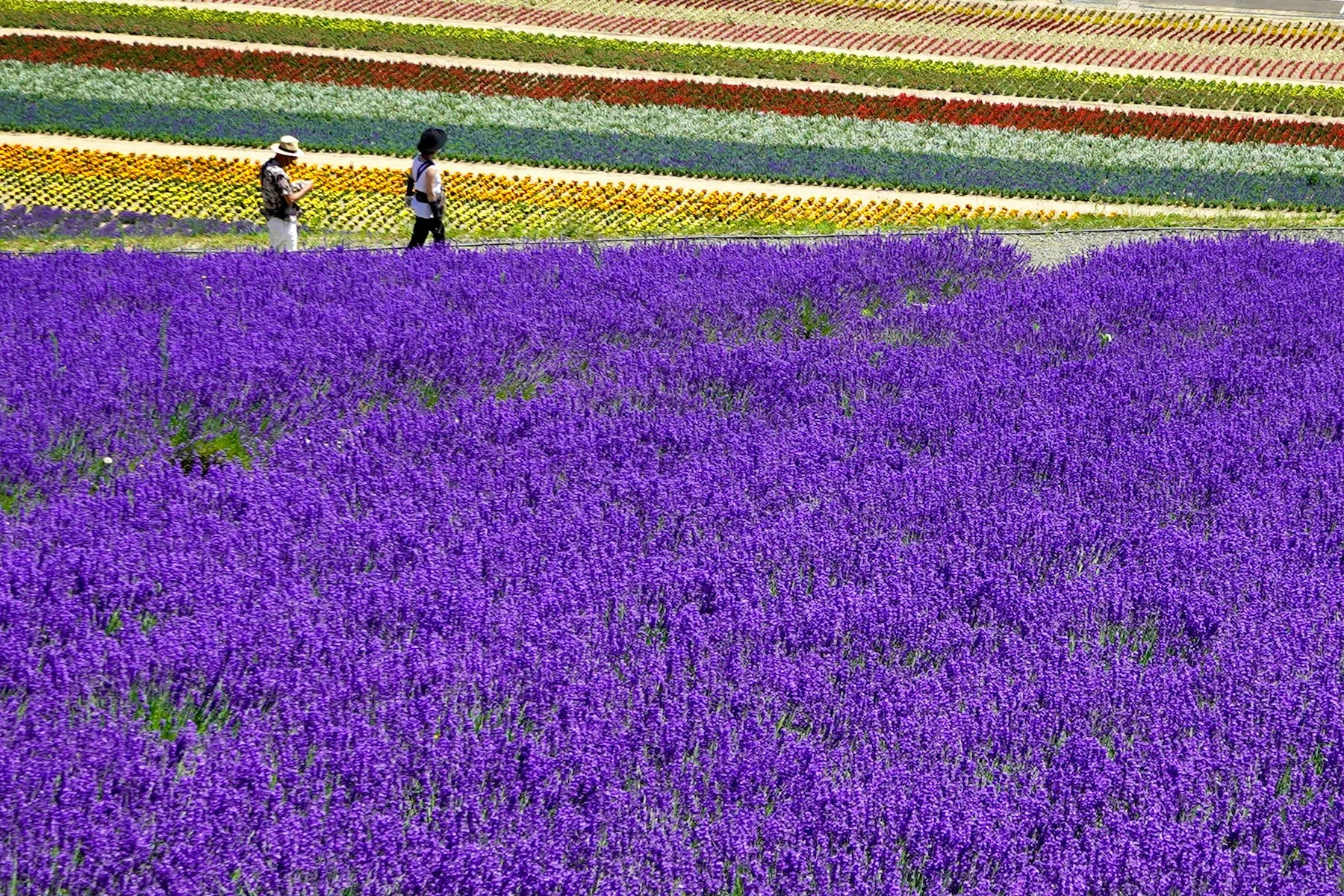
In July and early August Hokkaido becomes a colourful postcard: hills in stripes of lavender, red and yellow fields, farms with ice cream from local milk. Groups leave Sapporo early, and a significant part of the day goes on the road. Options:
- The flower fields of Biei and Furano, 11 hours, in English (rating 4.9);
- Biei and Furano: Farm Tomita and the Blue Pond, 10.1 hours (4.6);
- Furano: the Blue Pond, Farm Tomita, Shikisai Hill, 7.2 hours (4.8).
The colour of the fields depends on season and weather: lavender usually blooms in summer, but the exact time varies from year to year, so check before you leave. We collected pointers in the material lavender in Hokkaido: a summer guide. The “Blue Pond” is good regardless of season: the water changes shade with weather and light, and in winter trees stand in ice in it.
Otaru and the coast: glass shops and canals
Otaru is a former trading port with a canal, gas lamps and glass museums. It is a pleasant town for an unhurried walk, and tours usually add the coast and a distillery to it:
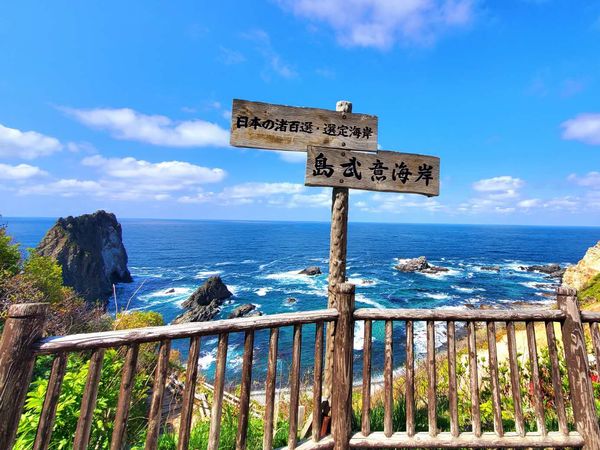
- Cape Shimui, the Takeya coast and Otaru, 10.2 hours, in English (5.0);
- Otaru, the Nikka distillery and the Shakotan peninsula, 10.7 hours (4.8).
If you love sea views and quiet, Cape Shimui with its turquoise water will not disappoint. For those choosing the distillery it is worth checking in advance how the tasting is organised and who will be driving: after visiting a distillery you do not get behind the wheel, and organised tours solve that problem. Bring a jacket: on the coast it is windy even on warm days.
Noboribetsu and Lake Toya: volcanoes and hot springs
If you need something completely unlike the city, go to Noboribetsu. “Hell Valley” smokes, bubbles and smells of sulphur, and trails run around between steam vents. Nearby is Lake Toya with Mount Usu. Tours:
- Lake Toya and Hell Valley in Noboribetsu, 6.3 hours, in English (4.7);
- Noboribetsu: Hell Valley and Showa-Shinzan volcano, 9.7 hours (4.8);
- The Great Buddha, Jozankei, Lake Toya and Noboribetsu, 8.4 hours (4.6).
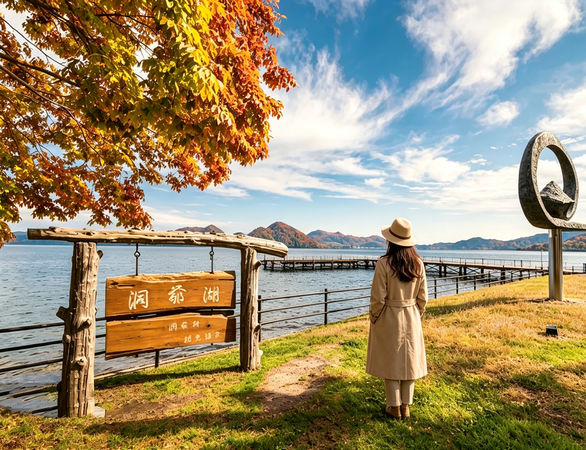 Tour from the article · ExcursionLake Toya and Noboribetsu Hell ValleyCheck dates →Live price · Trip.com
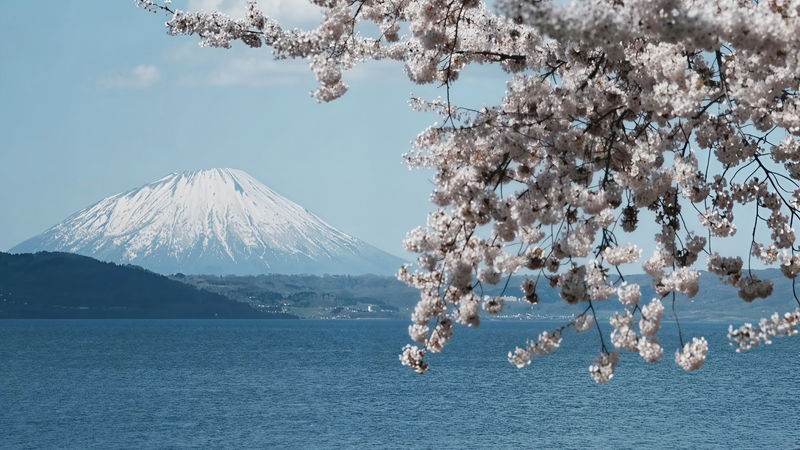 Tour from the article · ExcursionNoboribetsu: Hell Valley and Showa-Shinzan VolcanoCheck dates →Live price · Trip.com
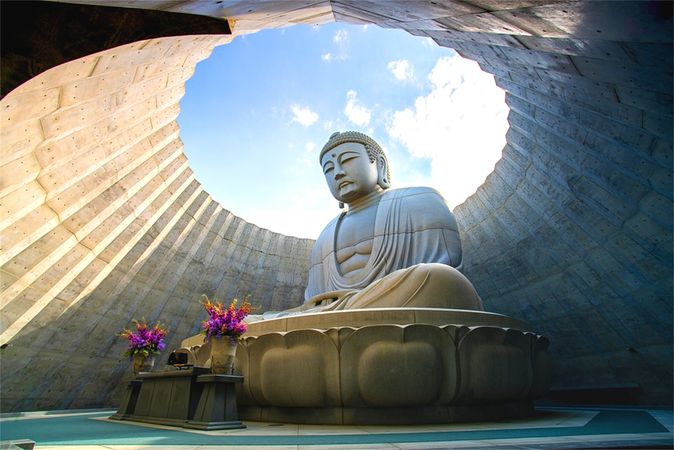 Tour from the article · ExcursionGreat Buddha, Jozankei, Lake Toya and NoboribetsuCheck dates →Live price · Trip.com
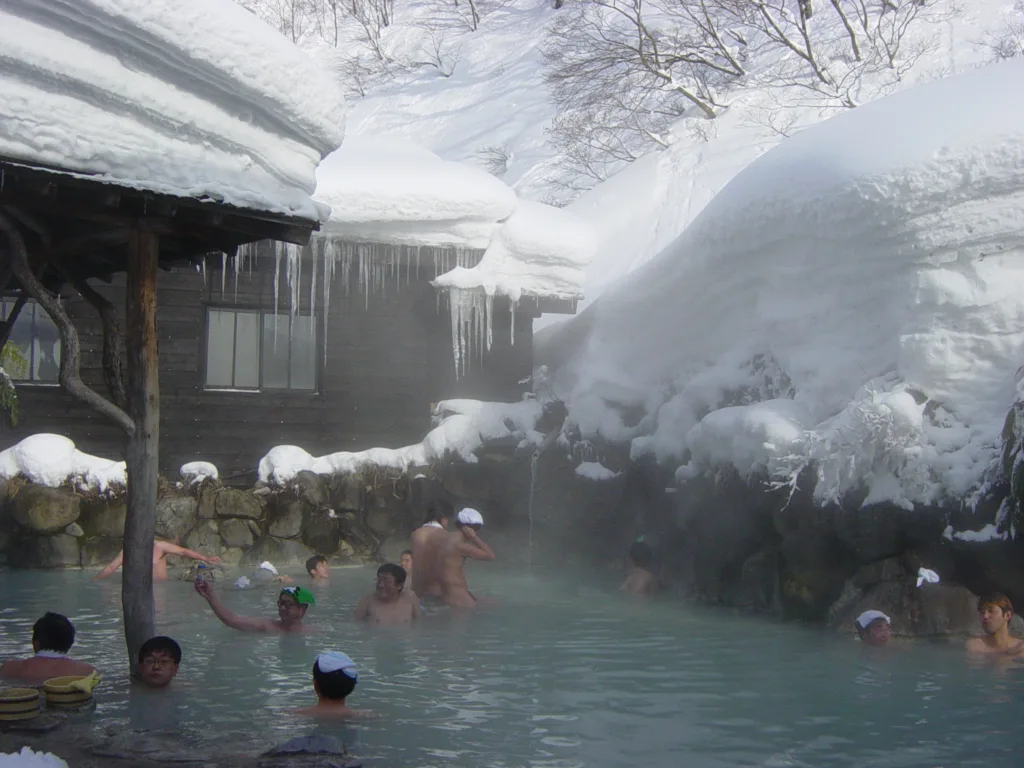
If you want hot springs specifically, it is better to plan a separate overnight stay in an onsen: haste does not suit it. Onsen rules are simple: wash well before bathing, do not enter the water with a towel, do not photograph. If you have tattoos, check the rules of the place in advance: in some onsen they are restricted.
Sapporo: what to see in the city itself
There is something to do in the city too. The Sapporo TV Tower (rating 4.6) gives a view over Odori Park, Mount Tenguyama (4.6) an evening view of the city lights, Shiroi Koibito Park (4.7) is a confectionery park with chocolate, and Asahiyama Zoo (4.7) is especially good with children and in winter, when penguins can be seen on their walk. For independent trips around the island the JR Pass for Hokkaido railways (4.9) will do: count how many trips you intend to make before buying.
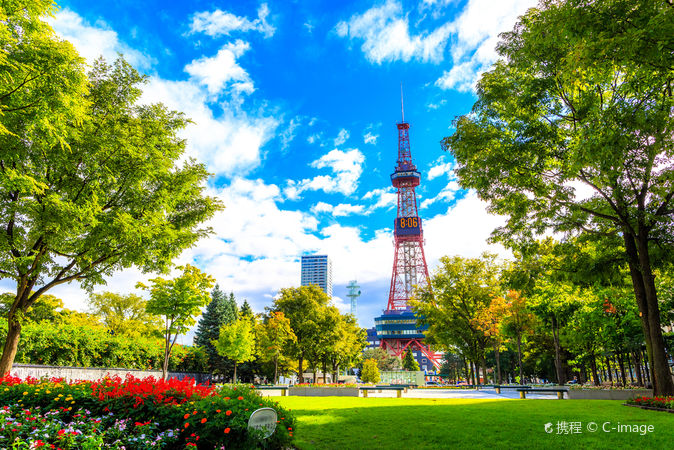 Tour from the article · TicketSapporo TV TowerCheck dates →Live price · Trip.com
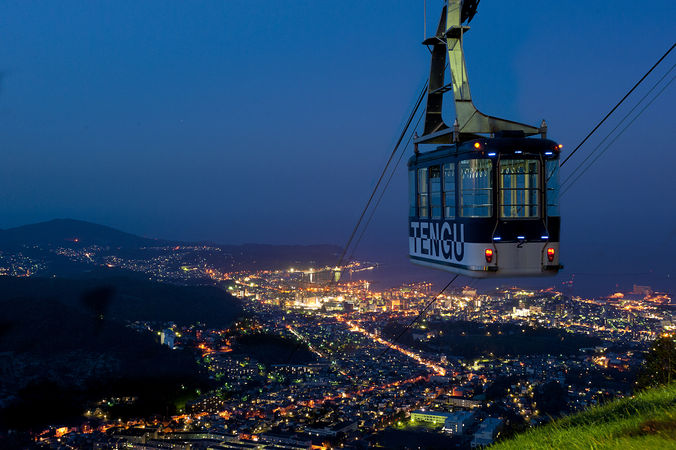 Tour from the article · TicketMount TenguCheck dates →Live price · Trip.com
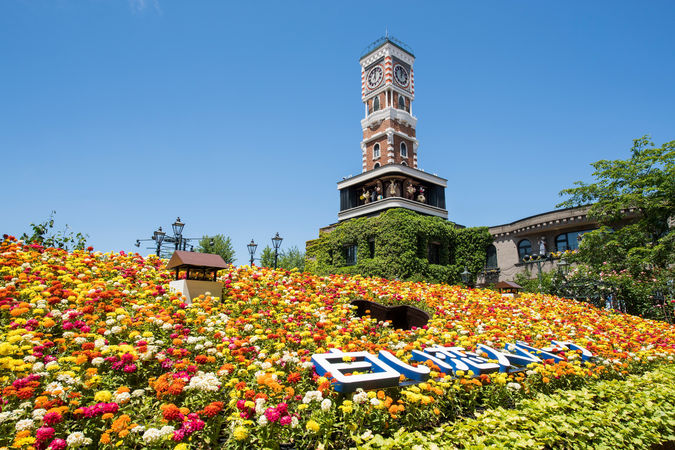 Tour from the article · TicketShiroi Koibito ParkCheck dates →Live price · Trip.com
Winter in Hokkaido
In winter the island becomes a fairy tale: lanterns, snow sculptures, hot springs under falling snow. But the road is harder at this time: snow, blizzards and a short day can change plans. More about the winter season, the accommodation tax and festivals in the materials Hokkaido in winter 2026–2027 and the Sapporo Snow Festival 2027. Bring waterproof shoes with good soles, warm socks, a hat and gloves: it can be very slippery outside.
Morning in Sapporo: soup, ramen and coffee
The tastiest morning in Sapporo begins with something hot. Hokkaido loves soup curry, miso ramen with corn and butter, and fresh fish at the market. Go to the market in early hours, drink coffee with milk from local farms, try scallops. Even if you do not like raw fish, there are options for every taste: fried seafood, stews and cream buns. If you have allergies, warn people in advance: Japanese cuisine often contains seafood and soy sauce.
Clothing by season
In summer Hokkaido is cooler than central Japan: evenings need a light jacket. In spring and autumn, layers and waterproof shoes. In winter you need a warm jacket, hat, gloves and shoes with ridged soles; metro and shops are warm, so layered clothing helps greatly. For trips to the fields and coast do not forget sunscreen and a hat: in open spaces the light is bright.
How not to spend a day on the road
In Hokkaido distances are larger than they seem on the map. A two-hour transfer is normal, and if a tour has four stops, little time remains for each. Choose no more than two or three places a day and do not put a dense evening on that day. Stay overnight in Sapporo and do not try to see the whole island at once. Those travelling independently should check train and bus timetables in advance: some routes run only a few times a day.
With children and with parents
For a family Hokkaido is convenient: clean, safe, with clear signs. Children like the zoo, the sweets park and ice cream at farms. For older parents it is wiser to choose one outing a day and leave the second day for rest: the road is tiring. In winter watch for slippery stairs, and in summer for heat in fields without shade. And do not be afraid to move a trip in bad weather: safety matters more.
Evening in Sapporo: how to end the day
By evening lights come on on Odori Avenue, kiosks smell of fried corn with butter, and plates steam in the windows of small places. Do not drag yourself to another museum after a long trip: sit in a local restaurant, order something warm and have dinner unhurriedly. Hokkaido is an island where food is not decoration but a reason to come: milk, seafood, potatoes, cheese and beer here are truly tasty. Try soup curry and miso ramen, and with them the local beer if you drink it. Late in the evening the city is quiet and safe, and a walk alone along lit streets leaves a very calm impression.
How to behave in Japan: small rules
In Japan quiet and order are valued, and a few simple rules make a trip more pleasant. Do not talk loudly on transport and do not eat on the go unless it is street food in a designated zone. Take rubbish with you: bins are few, but streets are clean precisely because people do so. In onsen wash before immersion, and in hotels take shoes off at the entrance. Hand over money with two hands or put it on a special tray. These details seem unnecessary, but in return you get a care and politeness that is hard to find elsewhere.
If it is your first time in Hokkaido
The first impression of the island is space. After Tokyo or Osaka it is suddenly free here: no crowds, no noise, roads running straight to the horizon. Do not try to fill this space with a programme. Make one good trip, sit on the grass by a lavender field or the water of a lake, drink hot coffee from a thermos and simply look around. People return to Hokkaido for this feeling, not for a list of sights.
What to bring
For day trips take a small backpack with water, a light snack, a raincoat and a phone charger. Yen in cash will be useful in small shops and on farms where cards are not accepted everywhere. A passport is needed for some tax-free purchases, so keep it handy. And do not forget to save your hotel address in Japanese on your phone: if you have to show it to a taxi driver, it will save a lot of nerves.
What you can skip
Honestly, you do not need to go to the Furano fields out of bloom season only for the “Blue Pond” if you have little time. Do not take two similar tours in one day: after fields, a farm and ice cream, impressions start to repeat. If you dislike the road, skip distant trips and stay in the city and nearby Otaru. And Shiroi Koibito Park can be replaced by a walk around the centre: it is more about sweets than about Hokkaido.
When to go
Summer is the season of flowers and coolness, winter the season of snow and festivals, and early autumn of red leaves and calm roads. Spring can bring slush and cold. The most popular time is July and the winter months, and then it is better to book in advance. We wrote about cool summer cities of Japan in the material cool cities of Japan in summer, and for where to stay see the review of Sapporo hotels.
How to spread four days
- Day 1: the city. The TV Tower, Odori Park, dinner with miso ramen.
- Day 2: Otaru. The canal, glass shops, the coast.
- Day 3: fields or mountains. Biei and Furano in summer, or Noboribetsu and Toya in other months.
- Day 4: rest. The zoo or a calm day in cafes.
Frequently asked questions
When does lavender bloom?
Usually in summer, but the exact time depends on the year; check information before you leave.
Do I need a JR Pass?
If you plan to travel around the whole island, possibly; for one or two outings it is wiser to take a tour or tickets for individual trips.
Can I travel in winter?
Yes, but consider the weather and the short daylight and leave a time reserve.
Useful links
- Tours from Sapporo
- Sapporo hotels
- Lavender in Hokkaido
Hokkaido is not about driving around everything but about choosing one field, one lake or one warm spring and staying longer than you planned. The rest will follow.
Current as of November 2026. Schedules, tickets and offer terms change: check them on the tour page and on Trip.com.
Tours and tickets from this article
Live dates, availability and the final price are on Trip.com. These are affiliate links — the price does not change for you.
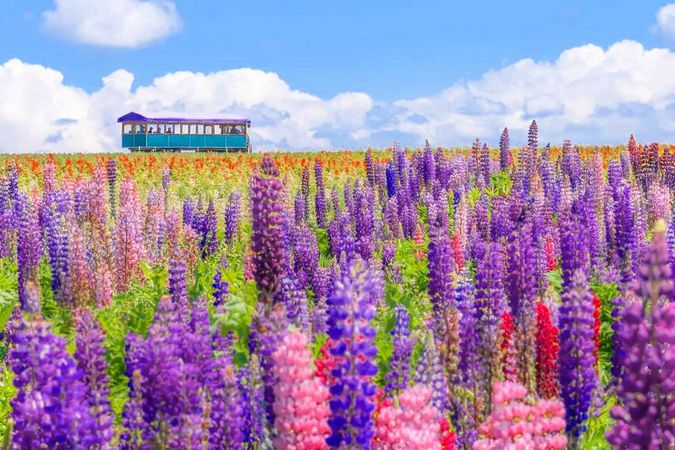 Tour from the article · ExcursionFlower fields of Biei and FuranoCheck dates →Live price · Trip.com
 Tour from the article · ExcursionOtaru, the Nikka distillery and the Shakotan PeninsulaCheck dates →Live price · Trip.comTour from the article · ExcursionLake Toya and Noboribetsu Hell ValleyCheck dates →Live price · Trip.comTour from the article · ExcursionNoboribetsu: Hell Valley and Showa-Shinzan VolcanoCheck dates →Live price · Trip.comTour from the article · ExcursionGreat Buddha, Jozankei, Lake Toya and NoboribetsuCheck dates →Live price · Trip.comTour from the article · TicketSapporo TV TowerCheck dates →Live price · Trip.com