Hokkaido in summer: Furano lavender, the Blue Pond in Biei, Otaru, Hakodate, Shiretoko and onsen — how to plan a route, whether you need a car and when to go.
While Tokyo and Osaka suffocate in July heat and humidity, a clear, cool summer stands in the north of Japan: warm by day, with a sweater wanted in the evening, and almost none of the rainy season familiar in the rest of the country. This is Hokkaido — the biggest and “wildest” island of Japan, where hills are striped with purple bands of lavender, ponds are tinted an incredible blue, and fishing boats with lanterns put out along the coast. In winter people come here for powder and snow festivals, and in summer for space, fresh air, seafood and a beauty that is almost absent from the “golden route” Tokyo — Kyoto — Osaka. In this guide: how to arrange a summer trip around Hokkaido — what to see, how to get there, whether you need a car, when lavender blooms, where to stay and how not to spend a week on the road between two points.
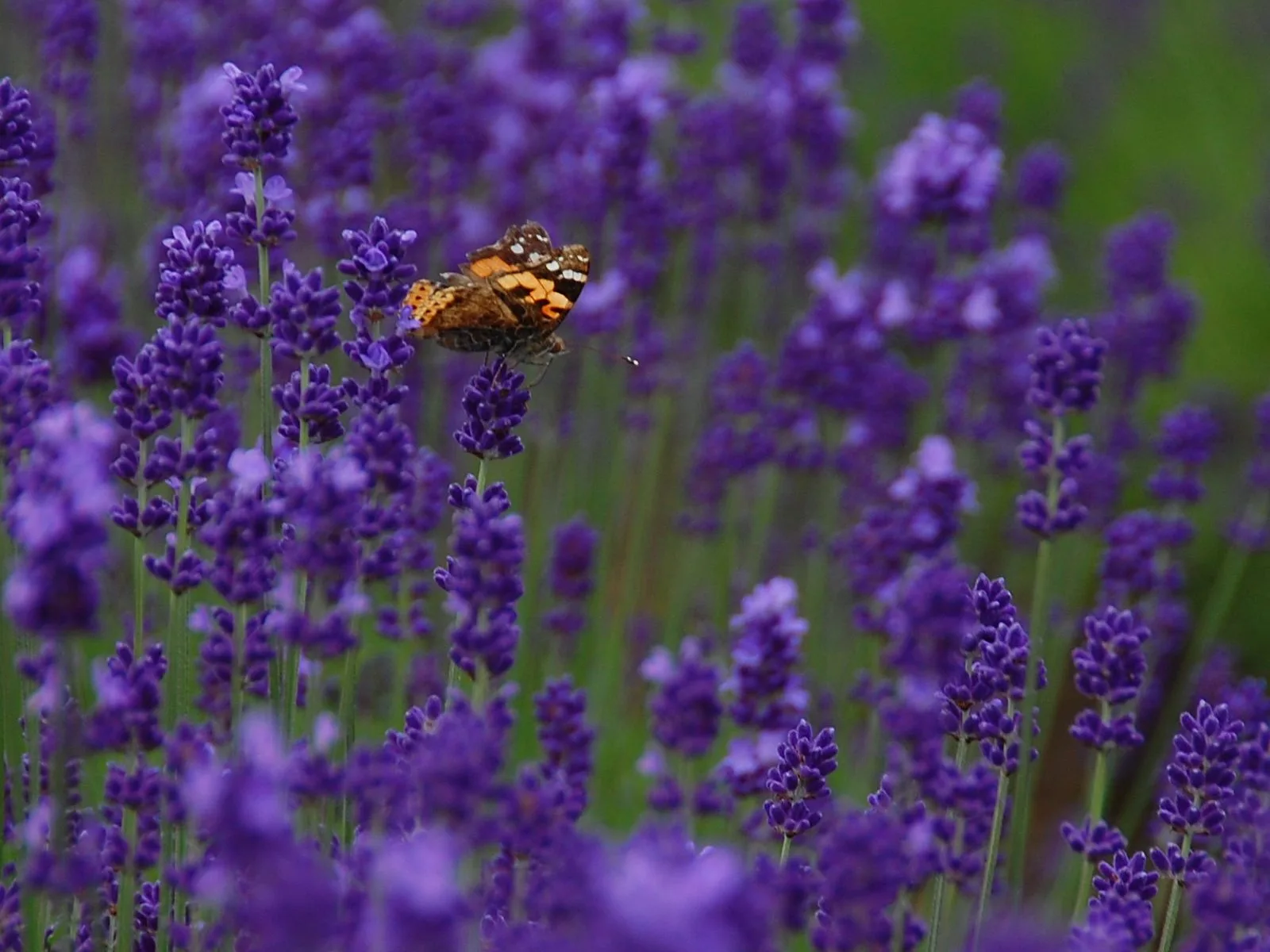
- Furano lavender: blooms roughly in July; the peak depends on the weather and the year.
- Weather: cooler and drier than in the south of Japan; the rainy season in its usual form is almost not felt.
- Main points: Sapporo, Otaru, Furano and Biei, Hakodate, the Shiretoko peninsula, Lake Toya and hot springs.
- Transport: best of all a rental car; trains and buses run, but in rural areas they are infrequent.
- Airport: the main gateway is New Chitose near Sapporo.
- Main tip: don’t try to cover the whole island in a week: choose two or three areas and stay a couple of nights in each.
Why summer in Hokkaido is a trip of its own
Hokkaido takes up almost a fifth of Japan’s area, but only about five percent of the population lives here, so there is room for everyone. The island has a special history: the indigenous Ainu lived here long before the Japanese, and mass settlement began only in the late 19th century, so the architecture and cities look “younger” and more spacious than in the south. In summer the island turns into a landscape postcard: green hills, fields of flowers, pastures, lakes and volcanoes. It is the ideal time for those who love roads, scenery and food. Moreover, in July–August, when Japan goes through its peak of heat, it is more comfortable in the north.
A separate plus is the food: fresh seafood, the famous crabs, sea urchins, salmon, potatoes, dairy products and beer. Hokkaido is considered Japan’s gastronomic capital, and a trip here is in many ways a journey through flavours.
Sapporo: the gateway to the island
Most trips begin in Sapporo, the biggest city on the island. The city is built on a rectangular grid, like an American one, which is convenient for orientation. In summer a beer garden is set up in Odori Park, where people come to drink the local beer and have a bite of grilled meat; the programme and dates change, so check the schedule. Be sure to try the local soup curry and miso ramen — Sapporo is famous for them. For history lovers there is the Old Town Hall and the beer museum; for nature lovers Maruyama Park and the view of the city from the TV tower. For the city’s winter side read our article on the Sapporo Snow Festival.
Otaru: canal and glass
About half an hour by train from Sapporo lies the port city of Otaru. Its main attraction is the old canal, along which brick warehouses converted into cafés and shops stand, and gas lamps are lit in the evening. Otaru is famous for glassware, music boxes and sushi: the city has dozens of sushi bars with local fish. Come towards evening, when there are fewer people and the light is more beautiful; for dinner choose small places with a queue of locals.
Furano and Biei: lavender and hills
The region around Furano and Biei is Hokkaido’s main tourist face in summer. Lavender fields bloom roughly in July: the exact peak dates depend on the year and the weather, but usually the most beautiful time falls in the middle of the month. The best-known farm is Farm Tomita, where bands of lavender alternate with beds of other flowers against a background of mountains. Lavender ice cream, cosmetics and souvenirs are sold here too. The farms are open to guests, and part of the territory is free. Come early in the morning, when there are fewer people and the light is soft.
Not far away is Biei, a town with hills covered in patchwork fields of different crops: potatoes, wheat, sunflowers and flowers. The road winding over the hills is called the “Patchwork Road” and is famous for its landscapes. The Blue Pond is also here — an artificial body of water with an unusual milky-blue colour: the shade depends on lighting and weather. It appeared by accident when a dam was built for protection against mudflows, but became one of the most recognisable places on the island. Come on a clear day and without crowds: in the morning the water and forest are especially beautiful.
Hakodate: the night view and the fish market
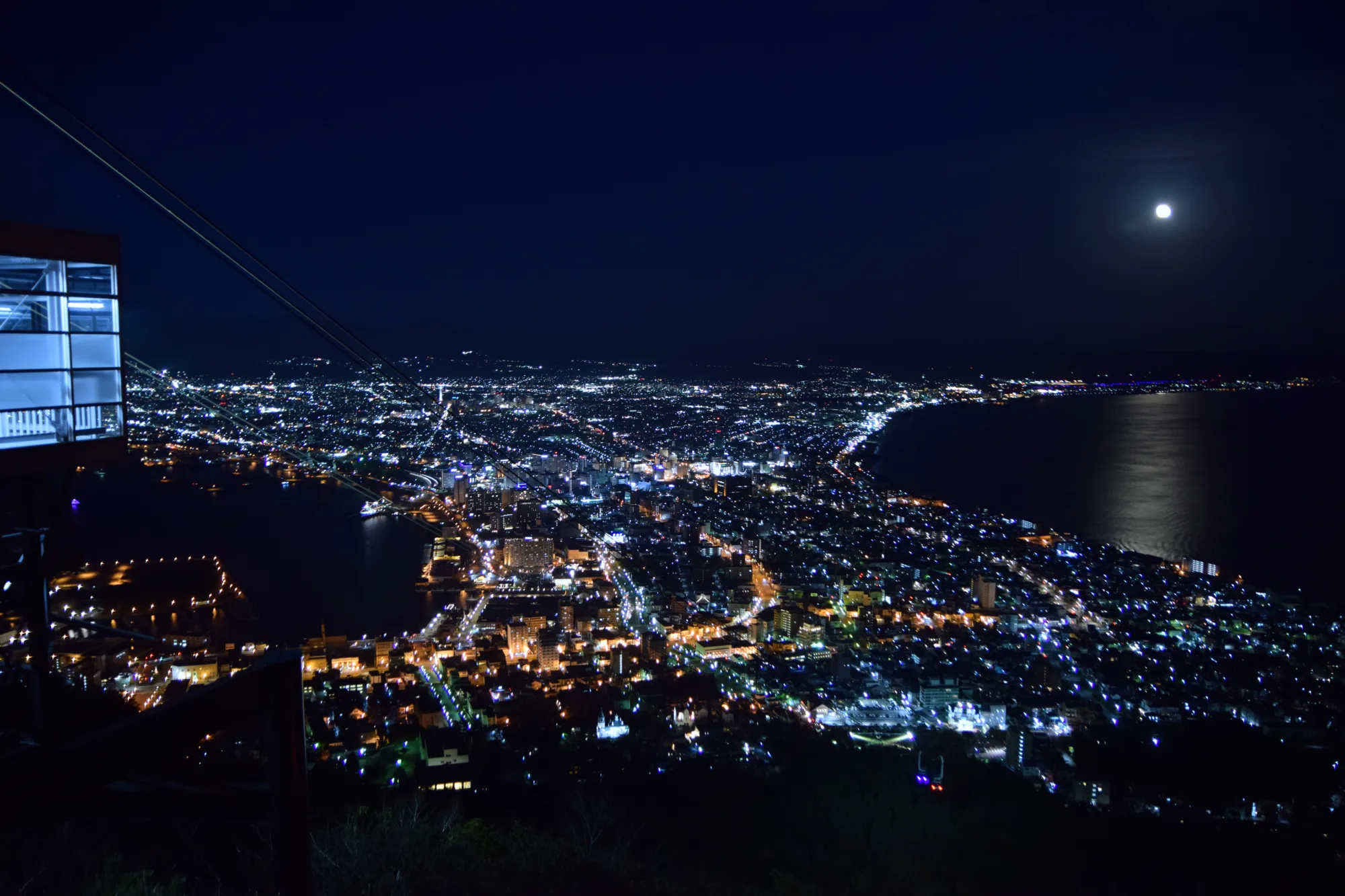
Hakodate in the south of the island is a historic port city, one of the first opened to foreign ships. European buildings, churches and old warehouses have survived here. The main spectacle is the view from Mount Hakodate in the evening: the city lies on a narrow isthmus between two bays, and the lights form an elegant pattern; this view is considered one of the best night landscapes in Japan. In the morning go to the fish market, where you can have breakfast of seafood: the fish is fresh here and portions generous. For history lovers there is the star-shaped Goryokaku fortress. Hakodate is quite far from Sapporo, so you will have to go by train or plane; allow half a day for the journey.
Shiretoko and wild nature
In the north-east of the island lies the Shiretoko peninsula, one of the wildest corners of Japan, inscribed on UNESCO’s World Heritage list as a natural site. Dense forests grow here, brown bears live here, and whales are sometimes seen off the coast. The main experiences are walks along trails to the Shiretoko Five Lakes and sea excursions. In summer those who seek quiet and nature rather than urban comforts come here. Remember safety: in areas where bears live you must observe the rules, follow the rangers’ instructions and not go onto trails alone without preparation. It takes a long time to get here, so allow two or three days.
Hot springs and lakes
Hokkaido is an island of volcanoes, which means hot springs too. Noboribetsu is famous for its “Hell Valley” with steam and boiling pools and dozens of onsen around it. Lake Toya is a beautiful caldera lake with resorts and a view of a volcano. Near Sapporo is the Jozankei onsen resort. Bathing in onsen in summer is pleasant in the evening, when the air is cool. Remember the rules: you must wash thoroughly before bathing, the towel is not dipped in the water, and tattoos in some places raise questions — read our article on onsen etiquette and tattoos.
How to get around: car, train or tour
Hokkaido is huge, and public transport in rural areas is infrequent. The best way to see the island is a rental car. Japan drives on the left, and foreigners need an international licence that meets the country’s requirements; check the documents in advance. The roads are good, signs are often duplicated in English, but there are many tourists in summer. If you are not ready to drive, choose trains and buses between cities and organised tours for rural areas. Trains connect Sapporo with Otaru, Asahikawa, Hakodate and other cities; it is better to check long-distance schedules in advance.
The Ainu: the culture of the island’s indigenous people
The name “Hokkaido” appeared only in the 19th century, and before that the island was called Ezo and was home to the Ainu — an indigenous people with their own language, religion and traditions. The Ainu revered nature, worshipped the spirits of animals and rivers, and created ornaments that can be seen today on clothing and souvenirs. In 2020 a national museum and park dedicated to Ainu culture, Upopoy, opened in the town of Shiraoi: here you can get acquainted with the language, rites and crafts. It is a good way to understand that Hokkaido is not only scenery and food but a place with a long and complex history. Treat the subject with respect: buy souvenirs from trusted craftspeople and don’t view Ainu culture as “exotica”.
Asahiyama Zoo and other ideas with children
Hokkaido is good for families. Asahiyama Zoo in the city of Asahikawa is known for showing animals in conditions as close to natural as possible: penguins “fly” in an underwater tunnel, and polar bears and seals can be seen from unusual angles. The farms of Furano offer harvest picking, lavender ice cream and walks among the flowers. Sapporo has museums and parks, and on Lake Toya there are boat rides. With little ones plan short transfers and take stops: distances on the island are large, and children get tired in the car. Bring a light sweater: it gets cool in the evening, even in summer.
For photographers: colours, light and weather
Summer in Hokkaido is a fertile time for shooting. Lavender fields are best shot in the morning and at sunset: soft side light emphasises the lines and colours, while by day the colours fade. A telephoto lens “compresses” the bands of flowers and makes the picture more graphic, and a wide-angle conveys the scale of the space. The Blue Pond depends on lighting: in clear weather and at a certain angle of the sun the colour is most expressive, in cloudy weather it is muted. Shoot the night view of Hakodate with a tripod at sunset, when the sky has not yet lost its colour. Don’t enter private fields or break flowers for a shot: farmers live off their harvest, and disrespect toward them spoils attitudes to tourists.
How much a trip costs
Expenses in Hokkaido depend on the way of getting around and the class of accommodation. The main items are the flight to Sapporo, car rental (if you take one), fuel, accommodation and food. Car rental is, as a rule, better value if you travel two or more than taxis and buses. To save, choose small family guesthouses, eat at local places and markets and book in advance: in summer prices at popular destinations rise. Exact sums change, so check current offers and leave a reserve for unforeseen expenses. For payments in Japan read the article on payments in Japan, and for convenience stores the guide to konbini in Japan.
Safety and bears
Hokkaido is a wild island, and nature here demands respect. Brown bears live in forests and mountains, especially in Shiretoko and the national parks. The rules are simple: walk in a group, make noise on trails, don’t leave food, follow warning signs and rangers’ instructions. Don’t approach wild animals, including foxes and deer. Swim in lakes and seas only in permitted places, and on mountain trails watch the weather: it changes quickly. And keep your phone charged: the signal in remote areas can be weak, so download offline maps.
When to go: summer, autumn and winter
Summer runs from mid-June to August: warm, green, lavender in bloom. June is often overcast and cool, while July–August has the most tourists. September is the start of autumn, clear and calm, with fewer crowds. In October the hills turn red and yellow. In winter Hokkaido becomes a ski paradise, and February is the time of the Snow Festival. If you love flowers, aim for July; if you want quiet and bright colours, aim for late September – early October.
Food you must not miss
The list of gastronomic “musts” in Hokkaido is long. Soup curry in Sapporo — thick, with vegetables and chicken, served in a pot. Miso ramen — rich and hot, especially pleasant in the evening. Fresh crabs and sea urchins in Hakodate and Otaru. Grilled lamb “jingisukan” — the island’s signature dish. Dairy products: cheese, ice cream, yoghurt — on the farms of Furano and Biei. Sapporo beer, of course, is also from Hokkaido. If you are vegetarian, learn a few phrases in advance or use a translator: many broths contain fish and meat.
If you have a spare day, devote it to an unhurried walk without a plan: stop at a roadside farm, try local cheese or ice cream, drop into a small museum or simply sit by a lake. It is such moments that are remembered best in Hokkaido — not ticks on a list of sights, but the feeling of space and calm that is hard to find in other parts of Japan. Build a time reserve into the route, and the island will answer you generously.
Three ready-made itineraries
“Hokkaido in 5 days”. Sapporo and Otaru, then Furano and Biei with lavender and the Blue Pond.
“Hokkaido in 8–10 days”. Sapporo, Otaru, Furano and Biei, Lake Toya, Noboribetsu and Hakodate.
“Hokkaido and wild nature” — 10–12 days. Add Shiretoko and Asahikawa with Asahiyama Zoo, which is known for its natural approach to keeping animals.
Where to stay
In Sapporo choose hotels near Odori subway station and the central station. In Furano and Biei it is cosier to live in small guesthouses and pensions. In Hakodate a good choice is the area near the station and the morning market. Below is a selection of hotels from our database; look at the reviews and the “Hotel health” block, and check the distance to the station and parking terms if you rent a car. In July–August rooms are booked several months ahead.
FAQ
When does lavender bloom in Furano? Roughly in July; the exact peak depends on the weather and the year.
Do I need a car? For rural areas very desirable; between cities you can go by train.
Is there a rainy season in Hokkaido? Almost none in the usual form: summer here is cooler and drier than in the south of Japan.
What is better — Hokkaido in summer or winter? Summer for scenery, flowers and food, winter for skiing and snow festivals.
How many days are needed? At least five to seven; for a large route ten to twelve.
How do I get there from Tokyo? By plane to New Chitose Airport, about an hour and a half.
Blossom dates, transport schedules and visiting rules may change — check official sources.