How to choose a first cruise in Asia, which documents you need, what to pack, how boarding works and how not to be late in port: 15 questions, a checklist and common mistakes.
A first cruise is always a little frightening: a big ship, unfamiliar rules, dozens of questions nobody answers directly. When do you board? What do you do with your suitcase? What happens if you are late back from port? Do you need to dress up for dinner? In fact it is simpler than it seems, but a cruise has a few non-obvious rules, and almost all beginners stumble on them. Below is a practical walk-through “from choosing a cruise to disembarkation”: 15 questions, a checklist and mistakes that are easy to avoid. Examples are from our selection of Asian cruises.
- For a first time choose a cruise of 3–5 days with one or two ports: that is enough to understand the format.
- Arrive in the departure city the day before boarding, and book your flight home for the second half of the day after disembarkation.
- The “all aboard” time in port is strict: the ship does not wait for latecomers.
- The final price is made up of the cabin, fees, tips, drinks, internet and excursions; look at the total at the last checkout step.
Before buying: how to choose a first cruise
1. Which format to take?
Cruises of 3–5 days suit best. They are long enough to feel the ship and short enough not to spoil your holiday if you do not like the format. A good example is Star Voyager, 3 days, Singapore – Melaka or Star Navigator, 4 days, Keelung – Naha. If you are not sure at all, take a 2-day “cruise to nowhere”, where you do not call at ports at all. A selection of such cruises is on the page Short cruises of 1–4 nights.
 3 days / 2 nightsCruise on this routeSingapore – Melaka – Singapore cruise, 3 days on Star VoyagerSingapore → MelakaPick a date and cabin →Available cabins · Trip.com
 4 days / 3 nightsCruise on this routeKeelung (Taiwan) – Naha (Okinawa) – Keelung (Taiwan) cruise, 4 days on Star NavigatorKeelung (Taiwan) → Naha (Okinawa)Pick a date and cabin →Available cabins · Trip.com
2. A big ship or a small one?
Big ships for five thousand guests, for example Spectrum of the Seas, are shows, attractions and many people; medium ones (about two thousand guests) are calmer; small ones like Mitsui Ocean Sakura give a quite different experience, where the ports come first. We compared them in detail in the materials on Spectrum and Mitsui.
 5 days / 4 nightsCruise on this routeShanghai – Nagasaki – Shanghai cruise, 5 days on Spectrum of the SeasShanghai → NagasakiPick a date and cabin →Available cabins · Trip.com
 3 days / 2 nightsCruise on this routeYokohama – Toba – Yokohama cruise, 3 days on Mitsui Ocean SakuraYokohama → TobaPick a date and cabin →Available cabins · Trip.com
3. A round trip or “one way”?
For a beginner a round trip is simpler: you return to the same city where you left your things and from where you fly home. One-way cruises are convenient but need well-planned tickets; about them see the article on MSC Bellissima.
4. In which season to sail?
Look at the calendar of typhoons and rain: from August to October itineraries change more often in East Asia. More in the article When to cruise in Asia.
5. Which cabin to take?
On a short cruise an inside or ocean-view cabin is enough. A balcony is justified on long cruises with scenic calls. A breakdown is in the cabin guide.
6. How much does it really cost?
A “from” price does not include everything. Add the cabin, fees, tips, drinks, internet, excursions and the road to the port; we explained it in detail in the material What is included in the price of a cruise.
Documents and preparation
7. Which documents are needed?
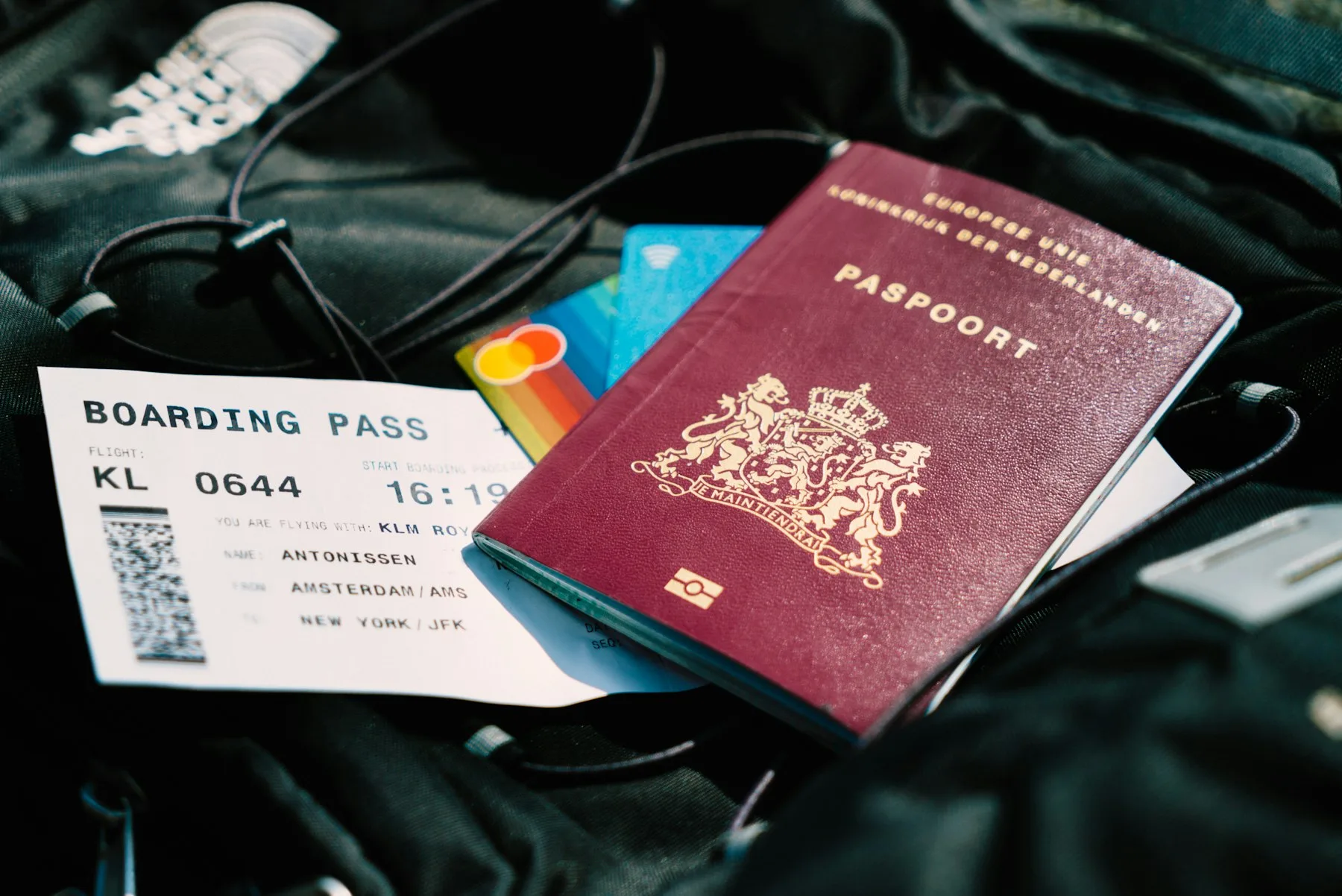
A valid passport is mandatory; its validity usually must exceed the end date of the cruise by several months. A visa or electronic permit depends on your citizenship, the country of departure and the ports of call. Check requirements on official sites and save confirmations on your phone and in print.
8. Is insurance needed?
Yes, preferably with medical costs and trip cancellation. Check that the policy covers sea cruises and has no exclusions for your age or chronic illnesses.
9. What to take with you?
- Documents, the cruise booking and the insurance — in hand luggage, not in a suitcase.
- Light clothing, a swimsuit, comfortable shoes for ports and one “smart” item for the evening.
- A warm cardigan: air conditioning runs inside ships.
- Medicines, including motion sickness remedies, and chargers.
- A small backpack for trips ashore and a folding umbrella.
- A plug adapter: ships have different sockets.
Line rules may forbid some things (for example electric kettles and irons), so read them before packing.
Boarding day
10. When to arrive at the port?
Boarding runs to a schedule given in the confirmation: usually within an interval of several hours. You do not need to come right at the start, but do not leave it to the last moment: check-in closes a set time before departure. If you fly in on sailing day, allow a reserve for flight and luggage delays — it is better to arrive in the city a day earlier. For cruises from Keelung see our material about the road from Taipei.
11. What about the suitcase?
Large luggage is usually handed over at the terminal or the gangway: it will be delivered to the cabin later, sometimes only by evening. So keep everything needed for the first hours — documents, medicines, swimsuit, charger — in hand luggage.
12. What is the safety drill?
It is a mandatory safety check in the first hours of the cruise: all guests gather at assigned points, listen to the briefing and show that they know where the life jackets are. It cannot be skipped and takes about a quarter of an hour.
On board and in port
13. How not to get lost and not be late?
Learn your cabin number and deck, take the ship map in the app or at reception, and in port always remember the “all aboard” time — the last boarding time. It is strict: the ship leaves on schedule, and latecomers get to the next port on their own and at their own expense. Set an alarm an hour earlier. More on how to spend a day in port in our materials on Naha, Kyushu, Korea and Malaysia.
14. What to do if you get seasick?
Choose a cabin in the middle of the ship on a low deck, go out into fresh air and look at the horizon. Motion sickness medicine is better taken before you feel bad, and discussed with a doctor in advance. On big ships motion is felt less.
15. How not to overpay on board?
Check which drinks and services are paid before ordering; track the bill via the app or reception; decide in advance whether to take a drinks package. For expenses ashore keep a small reserve in cash in local currency.
Food on board: how restaurants work
On a big ship there are usually several dining formats, and it is convenient for a beginner to work them out on the first evening. The main restaurants work to a schedule: breakfast, lunch and dinner in a hall with waiters; sometimes you have to choose one of two dinner “sittings”. The buffet is open almost all day and suits when you need a quick bite, especially on port days. Specialty restaurants — sushi, steaks, local cuisine — are usually paid and need booking; it is better to get tables on boarding day via the app or at the desk. If you have special requirements — vegetarian food, allergies, halal — tell the line in advance when booking and repeat it on board to the maître d’: then suitable dishes will be prepared. The rules for food you buy ashore differ between lines, so do not count on being able to bring it aboard.
The first evening: a simple plan
On boarding day the ship is big, there are many people and your strength goes on the flight and check-in, so try not to overload the evening. First find your cabin and make sure your luggage has been delivered or will be soon; then attend the safety drill; after it look round the decks and mark restaurants, pools and reception on the map. It is better to choose the main restaurant for dinner, and one evening show, the most interesting, so as to get enough sleep: the next day you will be in port and need your strength. Download the line’s app and check tomorrow’s schedule: shore time, programme and excursions.
With children or parents
With children a cruise is convenient because the hotel and transport are with you, but there are nuances. Find out the age limits for kids’ clubs and pools, save the cabin number on the child’s phone or wristband, and in port do not let the child far from the group. For elderly parents choose a cabin near the lift and restaurants, and in ports short routes without big climbs: many places in Asia are designed for walking in the heat. Keep medicines and notes with drug names in hand luggage, and the doctor’s and insurer’s contacts on your phone. If someone needs a wheelchair or help with boarding, tell the line in advance when booking.
Disembarkation
On the last day of the cruise the ship arrives in port early in the morning, and guests leave it in the order announced the day before. Luggage is usually put out in the corridor in the evening of the last day and collected in the terminal ashore. If you have a flight, book it for the second half of the day: disembarkation, collecting luggage and the road to the airport take longer than it seems. Money for any unspent on-board account is usually charged to your card automatically, so keep the receipt and check the final amount.
Beginners’ mistakes
- Arriving on sailing day without a reserve.
- Putting documents in a checked suitcase.
- Comparing cruises only by the “from” price.
- Being late for boarding in port.
- Not reading the cancellation and change terms.
- Taking too dense a programme ashore: it is better to choose one or two places a day.
- Not arranging insurance.
Frequently asked questions
Which cruise is best for a beginner?
A cruise of 3–5 days with one or two ports and a return to the same city.
Do I need to dress in evening wear?
Usually neat casual clothes are enough; if the line has special evenings, you will be told in the programme.
What happens if I miss the ship in port?
The ship will leave without you; you get to the next port yourself, usually at your own expense. So come back in advance.
Is there internet on cruises?
Yes, but it is paid and slower than usual; you can use connection ashore.
Useful links
- All cruises in Asia
- Short cruises of 1–4 nights
- Cruises from Singapore
- Cruises from Shanghai to Japan
If you keep three rules in mind — arrive in advance, keep documents at hand and return aboard with a reserve — the first cruise will go smoothly, and the rest you will feel on the spot and plan more confidently next time.
Current as of November 2026. Line rules, documents and cruise conditions change: check them on the cruise page and on the carrier’s official site.
Pick your sailing date
Cruises from this article: Trip.com shows the nearest departures, available cabins and the final price. These are affiliate links — the price does not change for you.
3 days / 2 nightsCruise on this routeSingapore – Melaka – Singapore cruise, 3 days on Star VoyagerSingapore → MelakaPick a date and cabin →Available cabins · Trip.com4 days / 3 nightsCruise on this routeKeelung (Taiwan) – Naha (Okinawa) – Keelung (Taiwan) cruise, 4 days on Star NavigatorKeelung (Taiwan) → Naha (Okinawa)Pick a date and cabin →Available cabins · Trip.com5 days / 4 nightsCruise on this routeShanghai – Nagasaki – Shanghai cruise, 5 days on Spectrum of the SeasShanghai → NagasakiPick a date and cabin →Available cabins · Trip.com3 days / 2 nightsCruise on this routeYokohama – Toba – Yokohama cruise, 3 days on Mitsui Ocean SakuraYokohama → TobaPick a date and cabin →Available cabins · Trip.com