How to choose tours from Chengdu: pandas, Dujiangyan, Mount Qingcheng, Sanxingdui, Emei and Leshan, with durations, language and practical tips.
Chengdu is the capital of Sichuan and the city people visit for giant pandas. But the base is not all: nearby are the ancient Dujiangyan irrigation system, the Taoist Mount Qingcheng, the Sanxingdui museum with its bronze masks, the Giant Buddha in Leshan and Mount Emei. There are many offers and the names are alike (“panda base and Dujiangyan”, “Dujiangyan with opera”, “Qingcheng and a night tour”), while a day is limited — so it matters to understand what combines with what, how much time the road takes and when to take a tour and when a ticket and a taxi are enough. We collected tours from the Trip.com catalogue — with duration, language and cancellation terms — and went through how to choose between them.
- Pandas are best seen early in the morning, when they are active and eating: a tour leaving at opening gives the most.
- The most common combinations are “pandas + Sanxingdui” (about 11 hours) and “Dujiangyan + Qingcheng” (about 12 hours).
- Emei and Leshan are separate long days of 13 hours or more.
- In the evening it is worth going to Sichuan opera with its face-changing.
Giant pandas: how to see them active
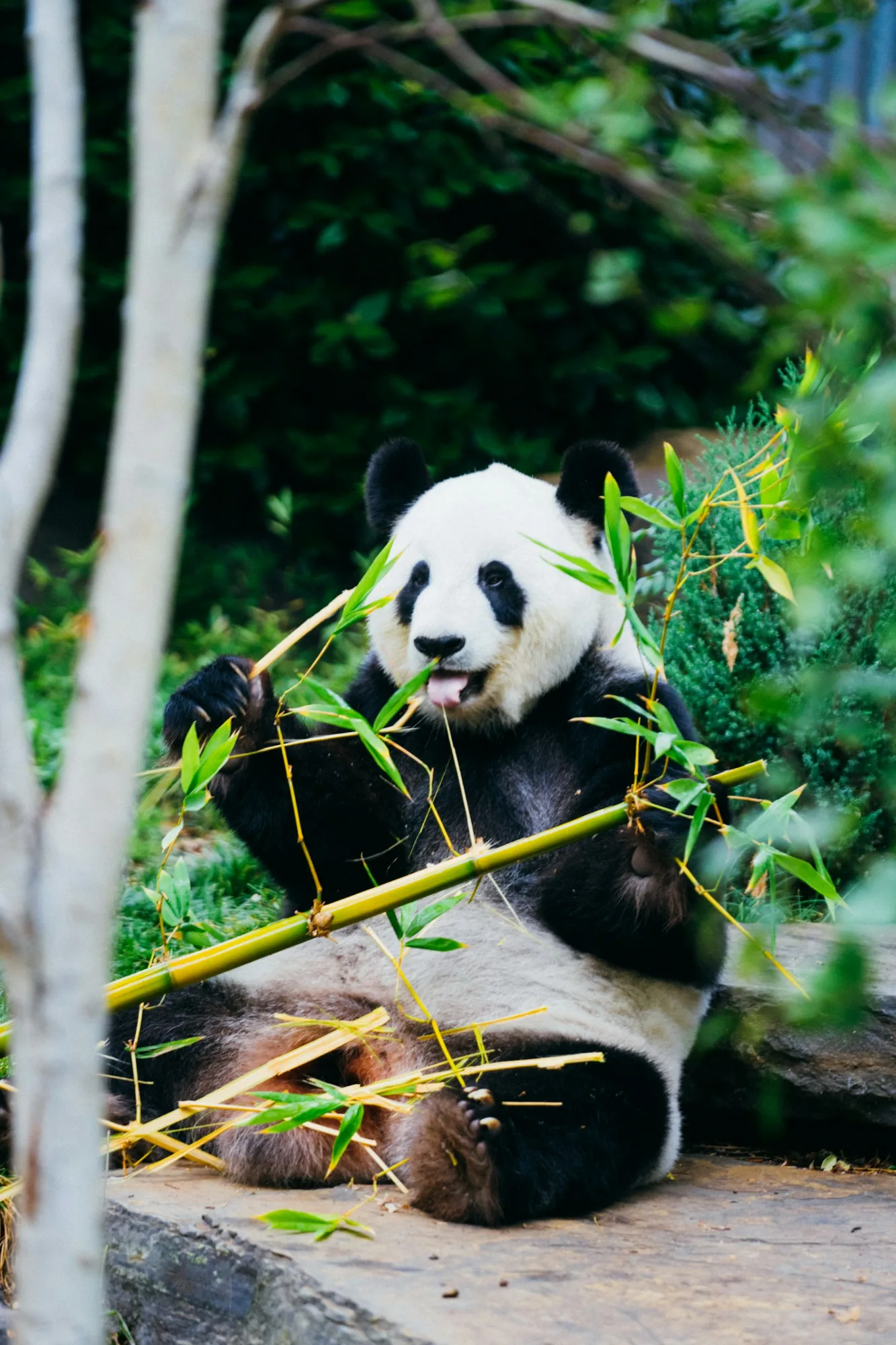
The giant panda research and breeding base is the city’s main draw. Pandas are active mostly in the morning, at feeding time, and by noon they more often sleep, so the best time to visit is opening. A ticket without a tour can be bought separately: Chengdu Panda Base (rating 4.6); you can get there by taxi or metro. For those who want a second stop and a guide there are combinations:
- Panda base and the Sanxingdui museum — 11.1 hours (rating 4.9);
- Panda base and Dujiangyan, small group — 12 hours;
- Small group: Dujiangyan, Panda Valley and opera — 14.5 hours.
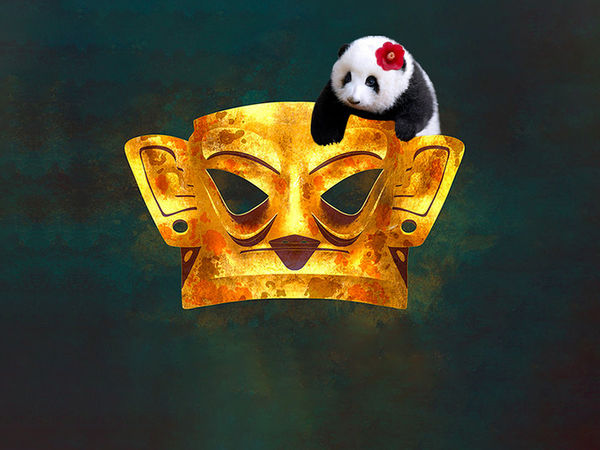 Tour from the article · ExcursionPanda Base and Sanxingdui MuseumCheck dates →Live price · Trip.com
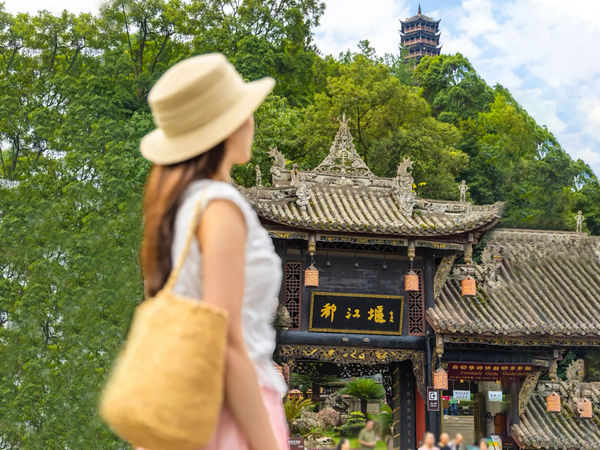 Tour from the article · ExcursionPanda Base and Dujiangyan, small groupCheck dates →Live price · Trip.com
 Tour from the article · ExcursionSmall group: Dujiangyan, Panda Valley and operaCheck dates →Live price · Trip.com
There is also a second option: Panda Valley (rating 4.4). More about where pandas live and how to choose a place in the article about pandas in China. Enclosures, nurseries and rules differ between sites; choose what is closer to your views on animals and read the reviews.
Dujiangyan: an ancient irrigation system
Dujiangyan is a system of water structures from the 3rd century BC that still distributes the Min River’s water across the plain. It is a scenic park with bridges, temples and a rushing river; from Chengdu it is about an hour by high-speed train or car. The catalogue has several formats:
- a Dujiangyan ticket (rating 4.7) — for an independent trip;
- Dujiangyan: a day with a ticket and Sichuan opera — 9.2 hours, in Russian (rating 4.9);
- Dujiangyan: a day with a ticket and headphones — 10 hours;
- Qingcheng and Dujiangyan: a day with a guide — 11.9 hours;
- Dujiangyan, Qingcheng and a night tour — 13.3 hours.
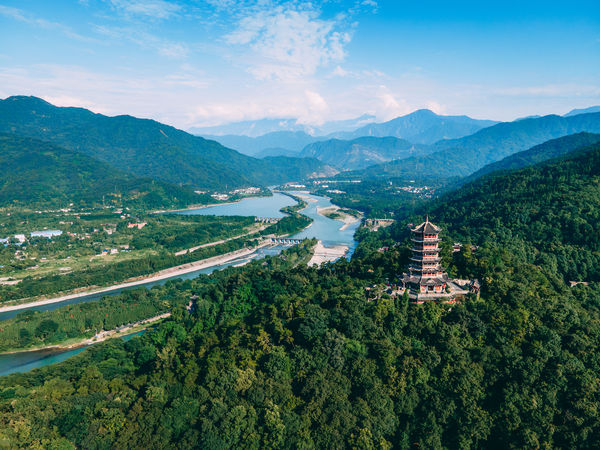 Tour from the article · TicketDujiangyanCheck dates →Live price · Trip.com
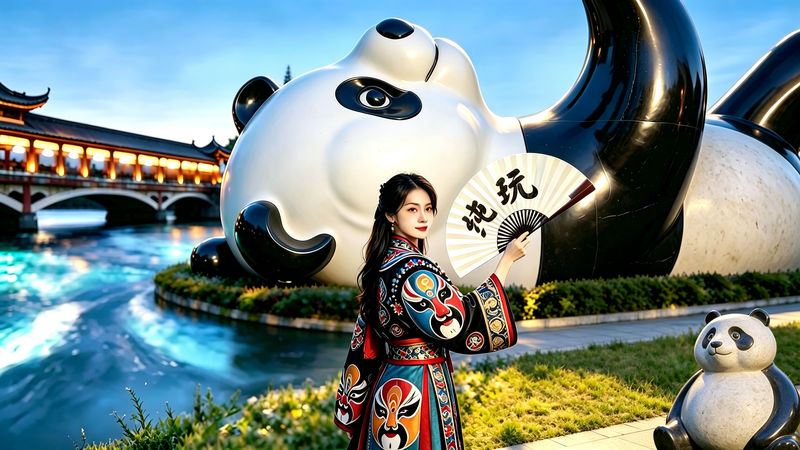 Tour from the article · ExcursionDujiangyan: a day with a ticket and Sichuan operaCheck dates →Live price · Trip.com
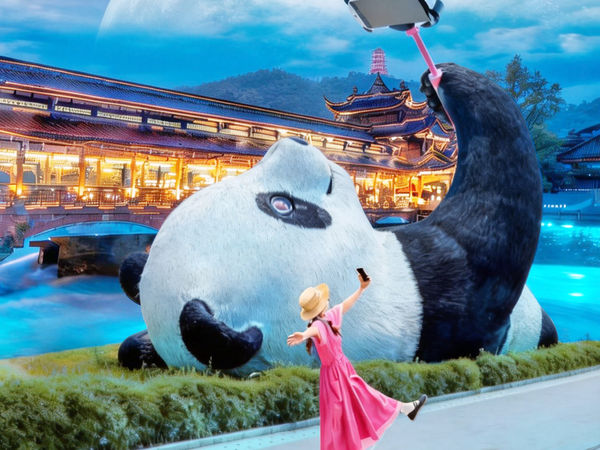 Tour from the article · ExcursionDujiangyan: a day with a ticket and headphonesCheck dates →Live price · Trip.com
Dujiangyan with Qingcheng or separately
Mount Qingcheng (rating 4.6) is a green Taoist holy site with trails and temples; it is not far from Dujiangyan, so the pairing is popular. If you want to stroll unhurried, take the day option with a ticket; if time is limited, it is better to choose one site and see it without rushing. Shoes with a good sole and a light jacket will help: the mountain is damp.
Sanxingdui and the history of ancient Shu
The Sanxingdui museum holds bronze masks, gold objects and artefacts of a civilisation more than three thousand years old. It is a place where things look unusual even to those used to Chinese museums. If you want to devote a day to it, look at the separate Sanxingdui museum tour in one day — 5.5 hours (rating 4.9); together with pandas it takes 11 hours. In the city nearby are the Wuhou Temple (rating 4.6) and the Du Fu Thatched Cottage — places devoted to figures of Chinese history and poetry.
Emei and Leshan: the long days
Mount Emei is one of China’s sacred Buddhist mountains, and next to it is the Giant Buddha in Leshan. The one-day option — Mount Emei: an individual tour — takes 13.5 hours and runs in Russian (rating 4.9). It is a long trip with a lot of walking; if you want to see both Emei and Leshan, think of two days. More about the Buddha in the article Leshan — the Giant Buddha from Chengdu.
Sichuan opera and evening shows
In the evening in Chengdu it is good to go to a performance: Sichuan opera with face-changing is the city’s calling card. The catalogue has a face-changing performance at the Liyuan guild (rating 4.9; the ticket can be found in the Trip.com catalogue); some tours already include opera in the programme. About another evening format see the article on the Wenshu immersive show.
Multi-day tours of Sichuan
If you have several days for Sichuan, a ready programme is more convenient: Chengdu in 2 days: giant pandas and a high-speed train, and longer routes include Jiuzhaigou, Huanglong, Emeishan and Leshan, for example Sichuan in 7 days. About Jiuzhaigou see the article when to go and how to buy tickets. Such programmes are convenient because the organiser takes care of transfers between cities and tickets.
How to read tour descriptions and not make mistakes
Tour names in the catalogue can be long, but they tell you almost everything. “Small group” means a limited number of participants, usually with one guide and a minibus; large groups have more people but a lower price. “With a ticket” means entry is already included and you will not queue at the box office; “with headphones” means the guide speaks into a microphone and you hear them in headphones even if you fall a few steps behind. The “Language” field matters: Russian-speaking guides are less common, and such tours are often sold out in advance. The duration on the card is hours from meeting to return, including the road: for example 9–10 hours for Dujiangyan means you spend about four to five at the site itself. Look at the cancellation terms: most offers allow cancelling without penalty until a certain time, but night programmes and show tickets can be stricter.
What to consider in advance
- Meeting time. For pandas and mountains people set out early; check the meeting place and the organiser’s phone number.
- Weather. In rain mountain trails are slippery and visibility at viewpoints drops: keep a spare day.
- Food. Sichuan cuisine is spicy; if spice is unbearable, tell the guide in advance and choose dishes marked “no pepper”.
- Density of the day. Two big sites a day is the limit for most people; the third is better left for another day.
Pandas: respectful behaviour
Giant pandas are a protected species, and visitor behaviour matters. Do not shout, do not use flash, do not try to feed the animals and do not climb over barriers. Some programmes in China offer “contact” with pandas for an extra fee; treat them carefully: study how the site works and what role conservation of the species plays. If you have children, explain the rules in advance and leave time for rest: the base has many paths and the day turns out long.
How to get around and not lose time
Chengdu is well connected by high-speed trains with Dujiangyan, Qingcheng, Emei and Leshan, and in the city a taxi and metro are convenient. In China you need payment and map apps; without them independent trips are harder, and then it is simpler to take a tour with a guide and transfer. A passport is needed for tickets to most museums and for high-speed trains: carry it with you. On how best to spread days in the city see the article Chengdu: what to see; where to stay in the guide to hotels in Chengdu.
Food and the evening in Chengdu
Chengdu is called China’s gastronomic capital, and a good day of tours logically ends with dinner. The classics are hot pot in boiling broth, dan dan noodles, mapo tofu and fried street snacks. The dishes are spicy and “numbing” from Sichuan pepper: if you try it for the first time, order mild versions and keep water at hand. Evening walks through the centre, teahouses and shows help you relax after a long day; if you get up for pandas the next day, do not stay up late. Tours often include lunch, but portions and spice differ, so it is useful to have a light snack with you.
Stops “on the way”
Some group tours include short stops at tea, silk or souvenir shops. If such stops do not interest you, ask when booking whether they are on the route, and choose offers where the programme is described in detail.
Group or private tour
Group tours are cheaper, but the departure is early and the schedule rigid; small groups give a balance between price and comfort, and a private tour suits a family or a company that wants to reach the parks at opening. Check what is included in the price: entrance tickets, lunch, transfer, headphones, a Russian-speaking guide. For pandas choose an early start; for Dujiangyan and Qingcheng, a day without rush.
How to spread three days
- Day 1 — pandas and Sanxingdui. An early start for the base, then the museum; opera in the evening.
- Day 2 — Dujiangyan and Qingcheng. A train or a tour, unhurried walks through the parks.
- Day 3 — Leshan or Emei. A long trip for those interested in mountains and shrines.
When to go and what to bring
Chengdu is humid and often overcast; spring and autumn are the most comfortable, summer is hot and muggy and winter is cool. For the mountains you need shoes with a good sole, a thin rain jacket and water. Do not forget cash or payment apps and a charged phone — it holds both tickets and maps.
Frequently asked questions
What time is best for pandas?
In the morning at opening: the animals are more active and eating, while in the heat they sleep more.
Can I take a tour in Russian?
Yes, some offers run in Russian: for example Dujiangyan with opera and the individual Emei tour; for others the language is shown on the tour page.
How many days does Sichuan need?
Three days are enough for the city and the nearest places; with Jiuzhaigou and Huanglong you need five to seven.
Do I need a passport for tickets?
Yes, a passport is needed for most museums, parks and trains.
Useful links
- Tours in Chengdu
- Chengdu: what to see
- Pandas in China
- Hotels in Chengdu
The main rule of Sichuan is not to try to fit everything into one day: pandas are best in the morning, Dujiangyan likes unhurried visits, and Emei needs a day and strength of its own.
Current as of November 2026. Schedules, tickets and offer conditions change: check them on the tour page and on Trip.com.
Tours and tickets from this article
Live dates, availability and the final price are on Trip.com. These are affiliate links — the price does not change for you.
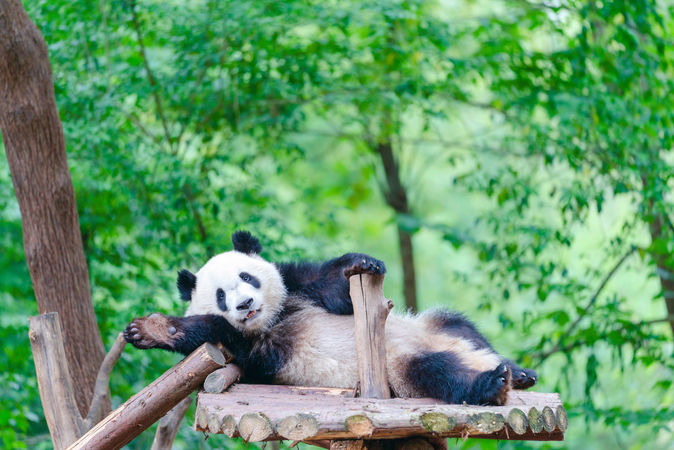 Tour from the article · TicketChengdu Panda BaseCheck dates →Live price · Trip.comTour from the article · ExcursionPanda Base and Sanxingdui MuseumCheck dates →Live price · Trip.comTour from the article · ExcursionPanda Base and Dujiangyan, small groupCheck dates →Live price · Trip.comTour from the article · ExcursionSmall group: Dujiangyan, Panda Valley and operaCheck dates →Live price · Trip.com
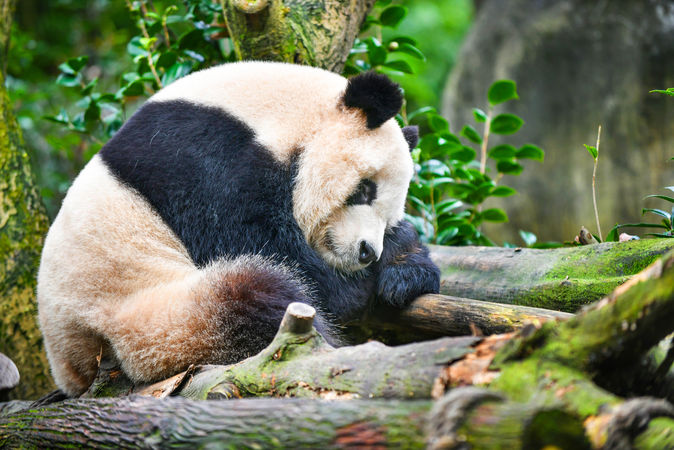 Tour from the article · TicketPanda ValleyCheck dates →Live price · Trip.comTour from the article · TicketDujiangyanCheck dates →Live price · Trip.com