How the Japanese save: konbini as lunch, capsule hotels, when a JR Pass isn't worth it, outlets and night buses — locals' life hacks for Japan.
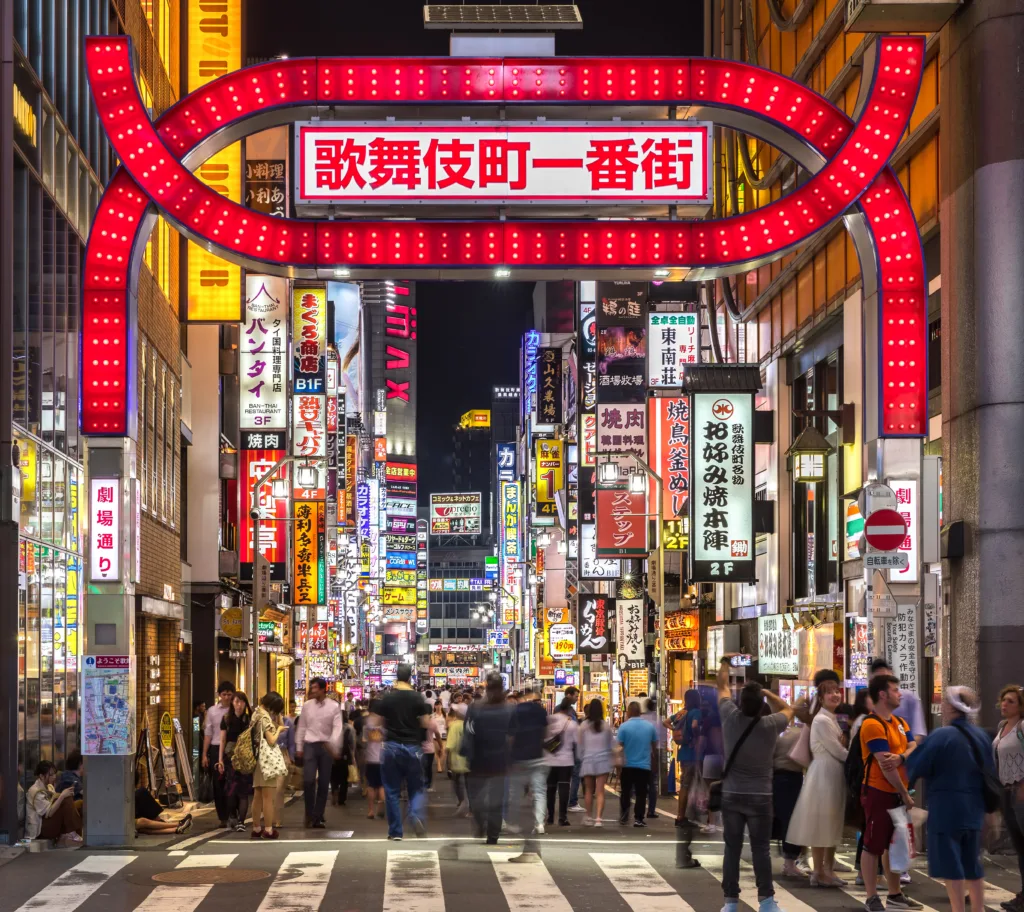
Japan has long been considered the most expensive country in Asia, and in many ways that is true — but Japanese people who live here all their lives spend noticeably less on food and transport than a tourist who books everything by the first option that comes along. The secret is not in deprivation: a capsule hotel is not an “economy option out of desperation” but a normal part of urban culture, used by the Japanese themselves when they have missed the last train. A konbini is not a place for a snack on the run but a full source of lunch for millions of office workers every day. In this article: specific life hacks used by local people — how to save on housing, food, transport, shopping and connectivity in Japan without sacrificing comfort or looking strange in the eyes of locals.
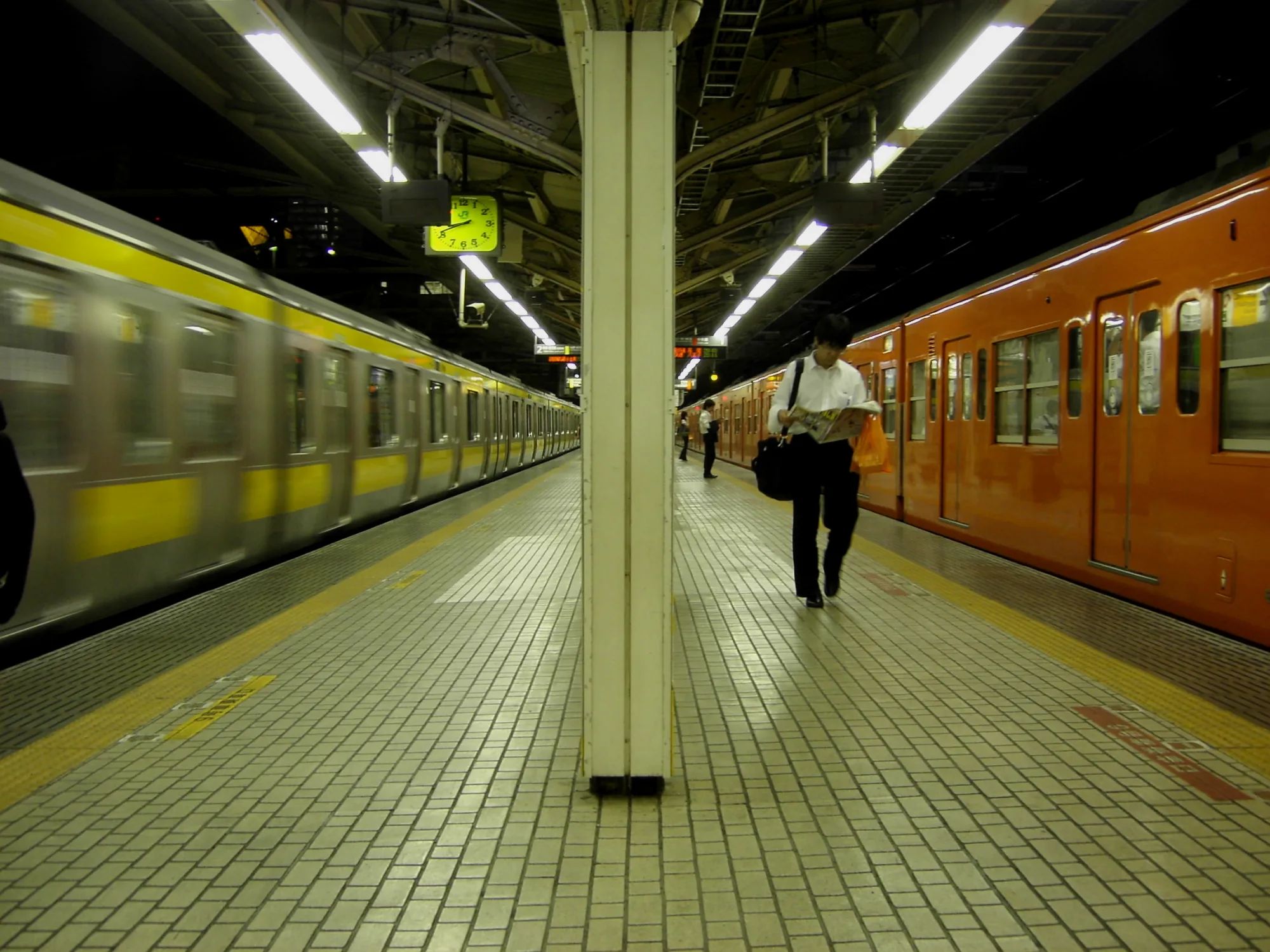
- Housing: a capsule hotel — 25–40 dollars a night versus an ordinary hotel in the same area.
- Food: ready-made konbini food — 1–3.5 dollars for a full lunch, with quality quite comparable to an inexpensive café.
- Transport: a JR Pass is not worth it for everyone — work out your route in advance, ordinary tickets are often cheaper.
- Shopping: discount stores (100-yen chains, outlets) instead of souvenir shops by the sights.
- Connectivity: a pocket Wi-Fi router booked online in advance is cheaper than buying on the spot.
- The main principle: Japanese saving is built on timetables and planning, not on haggling.
Why Japan seems more expensive than it is
Japan’s reputation as the most expensive country in Asia has formed largely because of tourists who book accommodation and tickets without understanding the local system of discounts and alternatives. Japanese saving works differently from Southeast Asia: there is almost no haggling here, but there is a clear system of different price categories for the same service — an ordinary hotel and a capsule one, a restaurant and a konbini, a JR Pass and ordinary tickets. The Japanese know exactly when one option is better value and when another, and choose depending on the situation rather than always the cheapest — this very flexibility is the main local life hack.
Housing: capsule hotels and manga cafés as the norm, not saving out of desperation
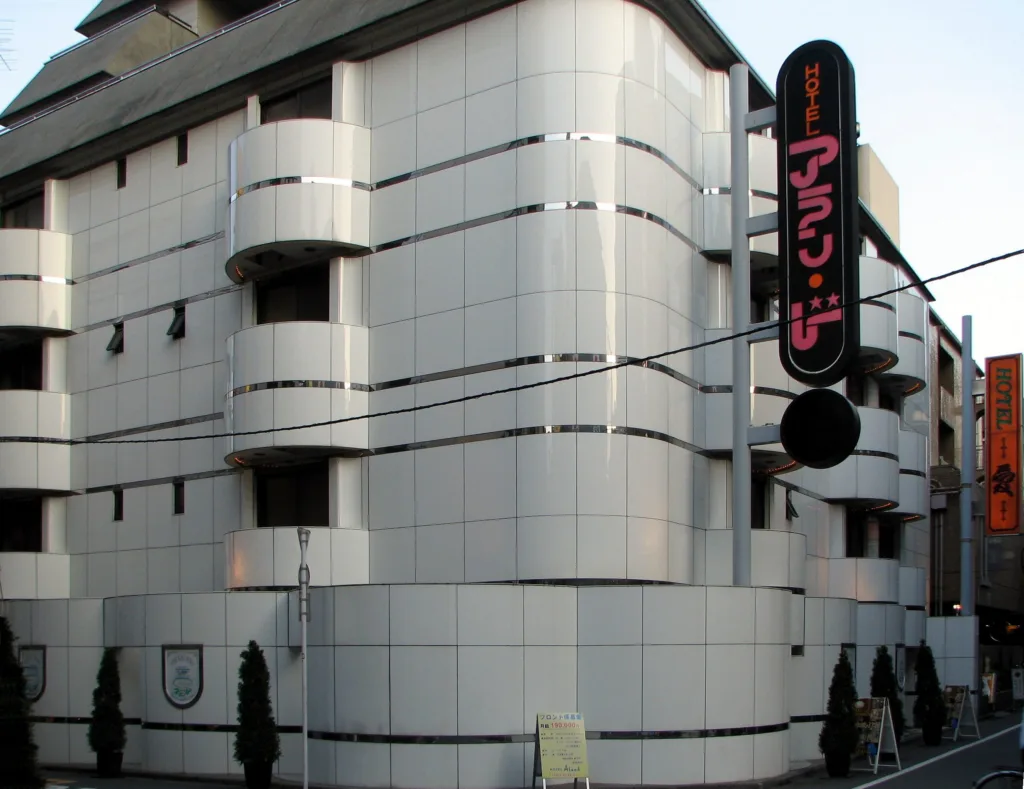
A capsule hotel — a compact sleeping capsule with a bed, a socket and sometimes a TV, with shared showers and toilets in a separate area — costs 25–40 dollars a night, noticeably cheaper than an ordinary hotel in the same district. It is not a marginal format: capsule hotels are used by Japanese business travellers who missed the last train, and by tourists who just need a clean place to sleep in the city centre. Manga cafés are cheaper still, about 15–20 dollars a night: an open booth with a comfortable chair or sofa, internet access, a shower and sometimes unlimited drinks. This is an official and legal overnight option used by local young people when they miss the last train, and not a sign of extreme poverty. Both formats are especially advantageous in expensive districts like central Tokyo or Osaka, where an ordinary hotel costs many times more for a comparable actual amount of sleeping time.
Food: konbini as a full lunch, not a snack on the run
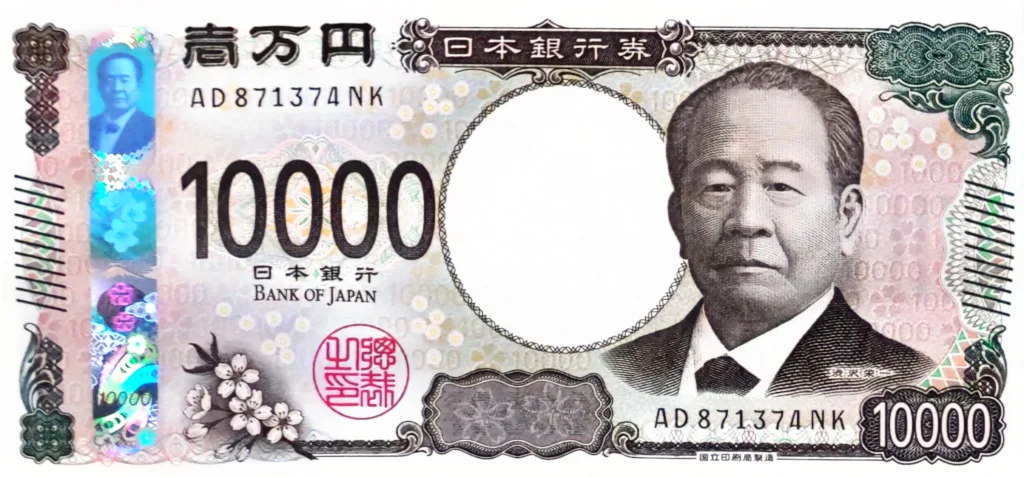
Ready-made food from the 24-hour Seven-Eleven, Lawson and FamilyMart stores — onigiri, bento, noodles, salads — costs from 150 to 500 yen (1–3.5 dollars) and in quality is quite comparable to an inexpensive café. Japanese office workers and students lunch there daily, and it is a completely normal part of city life, not a compromise. The locals’ secret is to come to a konbini in the evening, nearer the end of the store’s shift: some chains discount food whose expiry date is today, and a bento that cost 500 yen in the daytime may cost 250–300 in the evening. For a more serious lunch the Japanese often choose chain fast-food restaurants — ramen-ya or gyudon (rice with beef) chains, where a full portion costs 500–800 yen, noticeably cheaper than a tourist restaurant with an English menu.
Transport: when a JR Pass is not worth it
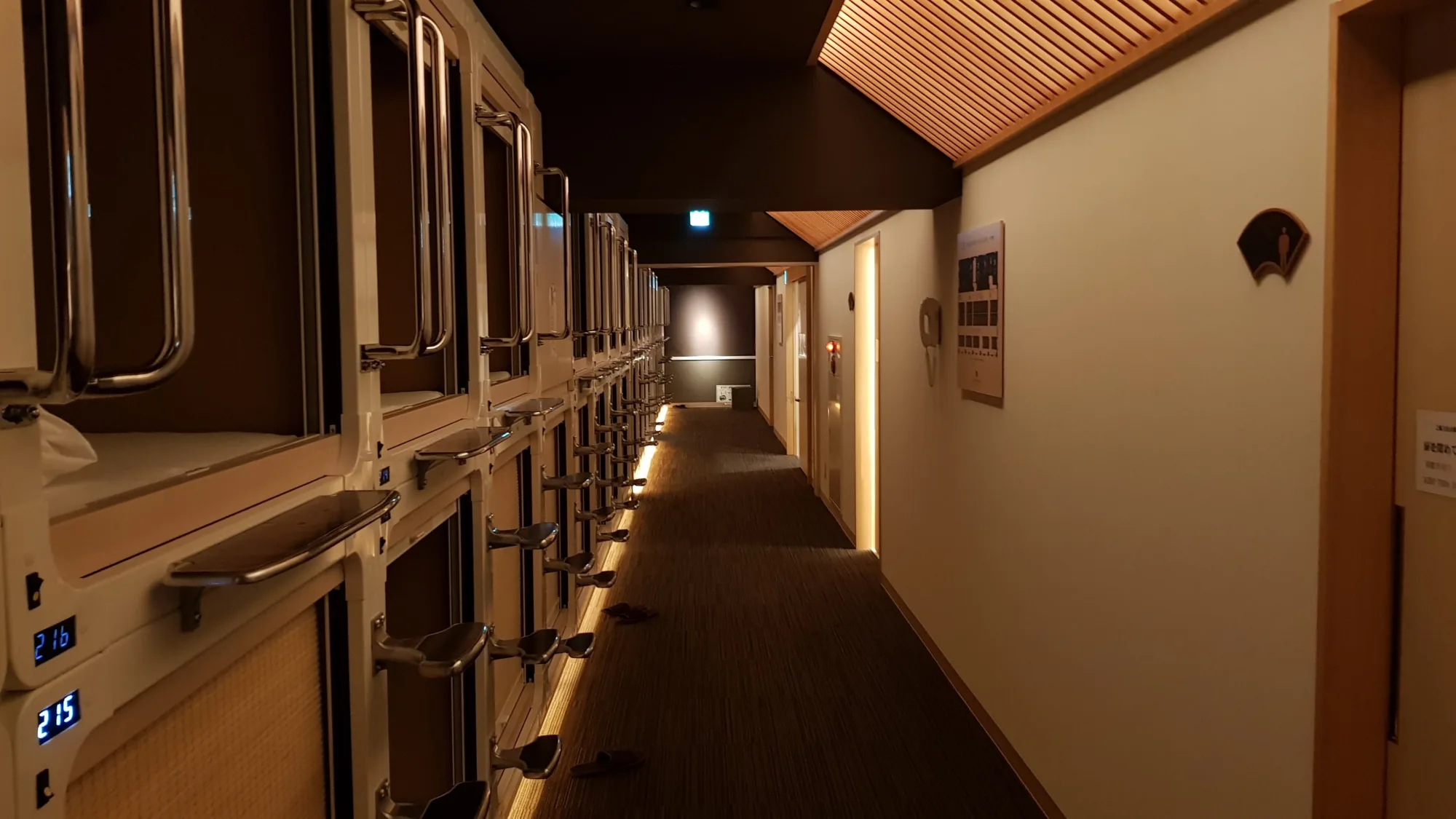
The JR Pass — a pass for foreign tourists on bullet (shinkansen) trains — has been promoted as a must-buy, but it is far from worth it for everyone. If your route does not involve several long journeys between cities in a short time, ordinary tickets bought separately often cost less than the pass itself. Before buying a JR Pass, work out the cost of individual tickets for your specific route on the official website or in the app — the difference sometimes reaches several tens of dollars against the pass. A detailed breakdown with examples is in our article on the JR Pass mistake. For getting around within a single city it is cheaper to use day passes for that city’s metro than to buy separate tickets for each ride.
Shopping: discount stores instead of souvenir shops
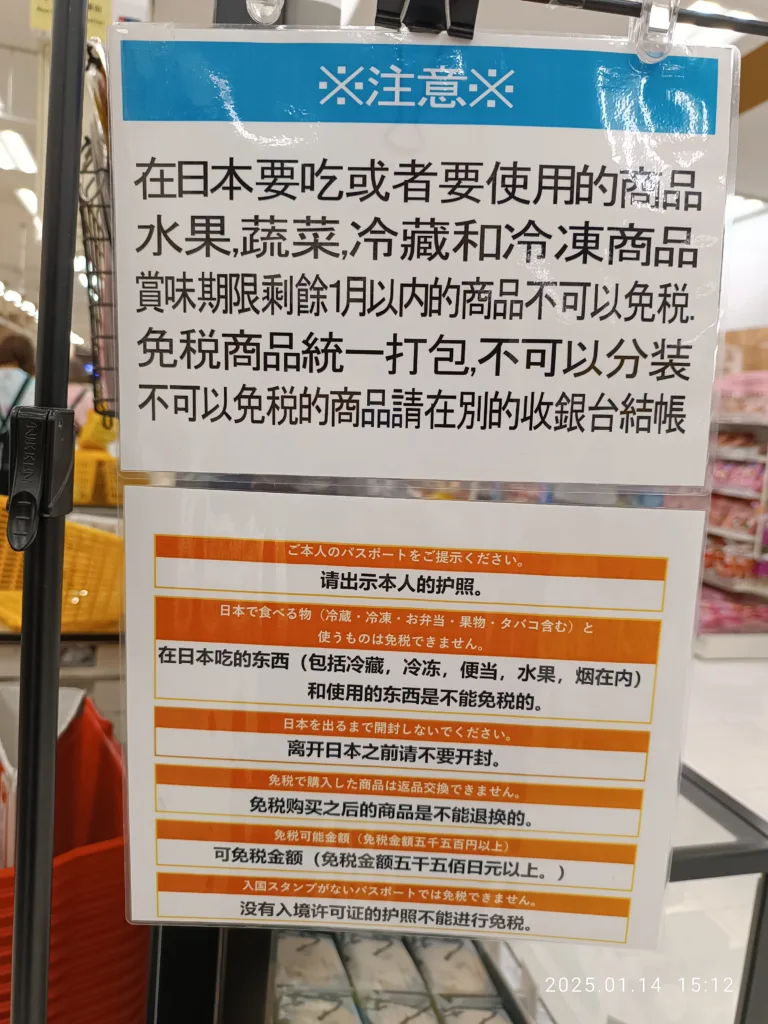
Chains where each item costs 100 yen (an analogue of a dollar store) sell quality household goods, cosmetics and small souvenirs at a fixed low price — one of the Japanese people’s favourite places for inexpensive purchases, not a sign of low quality. Outlet centres on the outskirts of big cities give discounts of 30–70% on branded clothing from past collections, and getting there by train from the city centre usually takes less than an hour. Souvenir shops at the main sights are almost always more expensive than similar goods in an ordinary department store or at a railway station — Japanese people buying gifts for colleagues often go precisely to station shops, where the choice is no worse and the price is fairer.
Connectivity: a pocket Wi-Fi router and a SIM card
Roaming from your home operator in Japan is almost always the most expensive way of staying connected. A pocket Wi-Fi router booked online in advance and received at check-in at the airport or delivered to the hotel is usually cheaper than buying a SIM card or router on the spot on arrival, and one router can be used by several people at once, which further reduces the price per group. A tourist data-only SIM card without calls is an alternative for those travelling alone; registration at airport vending machines takes a few minutes, but the price there is usually higher than when ordering through an app in advance.
Five rules the Japanese themselves use
Work out your route before buying a JR Pass. Ordinary tickets are often cheaper if there are few journeys.
Have lunch at a konbini in the evening. The discount on food whose expiry date is today can be up to 50%.
Don’t be afraid of a capsule hotel and a manga café. This is a normal and legal part of urban culture, not a last resort.
Buy souvenirs at the station, not at the sight. The choice is no worse and the price is fairer.
Book a Wi-Fi router online in advance. It is almost always cheaper than buying connectivity on arrival.
Onsen, restaurants and lunch sets: where locals eat out
A full dinner at a restaurant in Japan in the evening is almost always more expensive than lunch at the same place in the daytime: many restaurants offer a “lunch set” (teishoku) at a substantial discount relative to the evening menu for the same or a similar dish. Japanese people who eat out every working day know this and plan their main meal for daytime if they want to save, and in the evening limit themselves to a light dinner at home or at a konbini. Public onsen in residential districts — entry is usually a few hundred yen — are noticeably cheaper than hotel spa centres and give the same relaxing effect; the local sento (public bathhouse) is another inexpensive format used by local people daily, not only by tourists for the cultural experience.
Outlets and sales: the seasonality of clothing prices
Japanese retail is strictly tied to the seasons: at the end of each season — usually in January and July — large department stores and clothing chains hold large-scale sales with discounts of up to 50–70%. Japanese people who follow this calendar buy outerwear and shoes in exactly these weeks rather than at full price at the height of the season. This works for tourists too: if your trip coincides with one of these periods, it is worth looking into a large department store instead of the tourist shops by the sights, where there are never discounts.
Smartphone apps the Japanese use to save
Besides general maps and translators, Japanese people actively use the apps of particular konbini and supermarket chains, where points are awarded for every purchase and discount coupons appear periodically. An app for comparing fuel and parking prices helps when renting a car for trips out of town. For taxis in big cities GO operates — a local app that in some cases gives a better fare than international analogues, especially at night and in the rain, when demand for taxis traditionally grows.
What even experienced travellers often forget
Insurance rarely makes it into the daily budget, but private medicine in Japan is expensive, and without insurance the bills for a simple visit to a doctor can be significant. Cash is still needed on a trip: many small restaurants, temples and village shops accept only it, despite Japan’s general reputation as a high-tech country. The opening hours of shops and restaurants are often strictly limited and end earlier than in other Asian countries — plan dinner in advance rather than counting on 24-hour food availability outside konbini. And finally, unlimited passes and city tourist cards are worthwhile only with active use of transport several times a day — work out your real route before buying, as with the JR Pass.
Night buses instead of the shinkansen
The shinkansen bullet train is fast but not cheap on long routes, and not all Japanese choose it for travel between cities. Long-distance night buses connect Tokyo with Osaka, Kyoto and other big cities and cost several times less than the shinkansen for a similar distance, although the journey takes the whole night instead of two or three hours. Students and young Japanese on a limited budget use this way regularly, especially if the trip is not time-critical and a night on the road can replace a night in a hotel — the same principle that works in Southeast Asia, just less known to tourists in the context of Japan.
Long-term stay: where living is cheaper in Japan
If you plan to stay in Japan for a month or longer, Osaka and regional cities like Fukuoka are noticeably cheaper than Tokyo at a comparable quality of life: apartment rent, food and transport cost noticeably less, while the connection with the capital by high-speed rail remains fast. A detailed breakdown of a monthly budget is in the article on the monthly budget in Osaka. For everyday life and payment see our articles on payments in Japan and konbini in Japan, and for the road from the airport Narita to Tokyo.
FAQ
Is it worth buying a JR Pass? Not always: work out the cost of individual tickets for your route in advance, it is often cheaper than the pass.
How much cheaper is konbini food than a restaurant? A full lunch costs 1–3.5 dollars versus 10–20 in a tourist restaurant.
Is a capsule hotel safe? Yes, it is a common and legal overnight format used by the Japanese themselves.
Where is it cheaper to buy souvenirs? At stations and in department stores, not at the sights themselves.
How can I arrange connectivity more cheaply? Book a pocket Wi-Fi router or eSIM online in advance rather than buying on arrival.
What is most often forgotten in the budget? Insurance, a reserve of cash yen and restaurant closing times in the evening.
Prices and rules change depending on the season and currency rates — check current information on the spot.