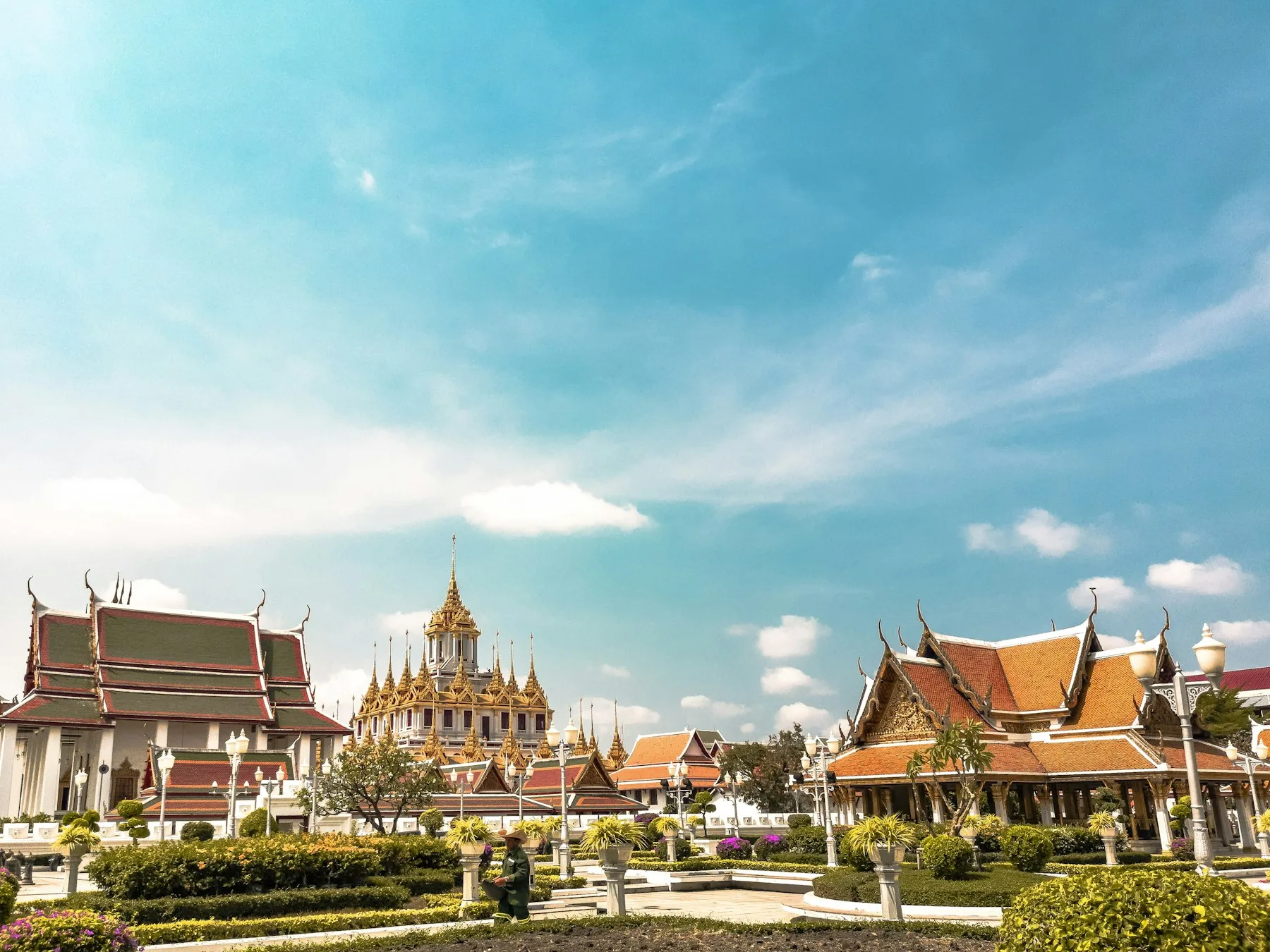
What is known about Thailand's tourism strategy for 2027: community destinations, UNESCO, wellness and festivals, with a clear line between confirmed and planned.
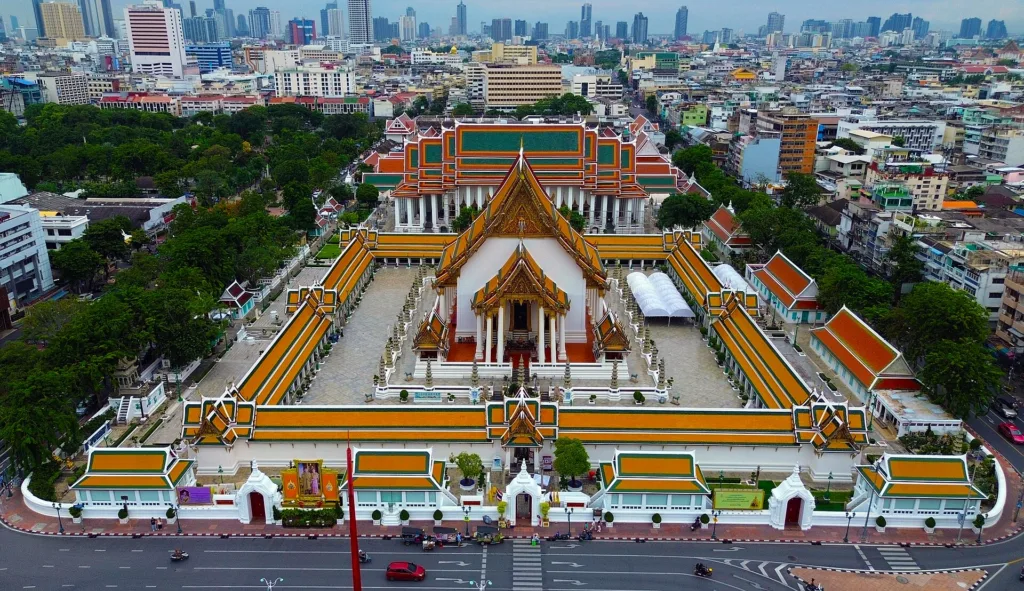
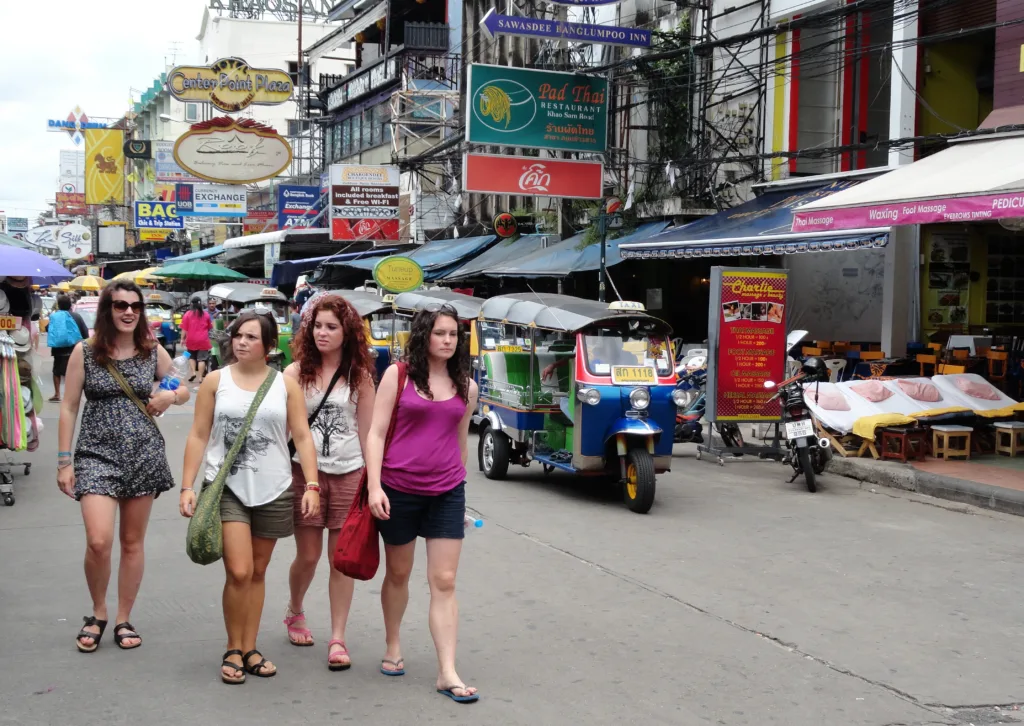
The Thailand we know from postcards is Phuket, Pattaya and Bangkok. But in 2027 the country’s tourism authority, TAT, says directly: that is not enough. The year is named the “Year of Transformation”, and its main shift is an attempt to lead travellers from crowded places to small towns, villages and UNESCO sites, where you can still talk to a shopkeeper and not to a sales manager. For those who go to Thailand regularly or winter there, it is a chance to see the country differently. We read TAT’s statements and several business outlets from August to October 2026, separated official statements from authors’ opinions and marked where the figures differ. The authority’s plans are plans, not guarantees: some points still depend on budget.
- Key goals: tourism revenue growth of at least 5% over 2026 and a 60:40 ratio of flows between major and “emerging” destinations.
- A bet on 55+ community destinations and the UNESCO network is declared; five “pilot” provinces await a funding decision.
- The brand slogan is “Healing is the New Luxury”: an emphasis on wellness, festivals and “quiet luxury”.
- The government’s stated goal is at least 33 million foreign visitors in 2027; this is not advice to “travel less” but a course of redistribution.
“Year of Transformation”: what stands behind it
On 24 August 2026 TAT presented its strategy for next year under the slogan “Transform for the Win”. The authority’s governor, Thapanee Kiatphaibool, said the year is a commitment to reshape Thai tourism around quality, value and long-term competitiveness. Strip away the slogans and the presentation gives three measures of success: revenue growth of at least 5%, a split of the flow between big and lesser-known destinations at 60 to 40, and a place among Asia’s top three for tourist loyalty, that is, for the wish to return. Four “moves” are named: rebalance the market portfolio, shape an experience platform, build new growth engines and “transform together” with local communities.
Note the word “value”. It means the authority wants not just more people but more spending per person, longer trips and a more even spread of money. We have already written about what is known on the country for next year in the material Thailand in 2027: 30-day visa-free, Phuket’s second airport. Here we look at the other side: where the country invites you to go.
Community destinations and the UNESCO network
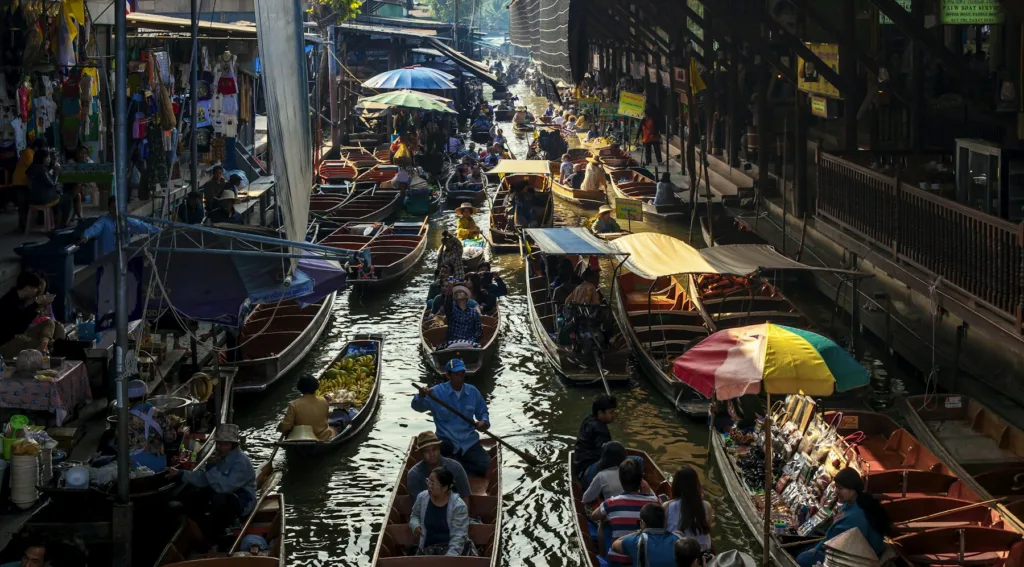
The most interesting part for a traveller is the 55-plus “community destinations”. According to a report in The Nation on 19 October 2026, TAT is building its 2027 experiences on such places and on Thailand’s UNESCO network, under the slogans of “meaningful travel” and an “experience platform”. As examples the newspaper names Chiang Rai (Chiang Saen, Ban Tha Khan Thong), Nan (Bo Suak), Sukhothai (Ban Na Ton Chan), Chiang Mai (Mae Kampong), Chanthaburi, Trat (Ban Nam Chiao), Nakhon Si Thammarat, Chumphon (Ko Phithak), old Phuket, old Songkhla, the Kong Khong market in Ayutthaya and the Amphawa canals in Samut Songkhram. These are villages and old quarters where an ordinary tourist rarely goes. For those who come not for the first time, it is a good reason to change the usual route.
Thailand’s UNESCO network, by the same outlet, includes nine member cities of the Creative Cities Network and nine World Heritage sites, two geoparks and five biosphere reserves; the newspaper gives these figures as background, not as a TAT statement. We described such places in the materials on the Ayutthaya Historical Park and on the Bangkok Art Biennale.
Five “branding” provinces: plans for now
Separately, TAT names five provinces for pilot “branding”: Chiang Rai, Ubon Ratchathani, Songkhla, Trat and Samut Songkhram. An important caveat here: the October text of The Nation says directly that this is “subject to further consideration and budget allocation”. So for now it is an idea, not an approved programme, and one should not count on new routes, tickets and infrastructure there until confirmation appears. But if you plan a trip to the north or east of the country, these provinces can be kept in mind as places where more offers for travellers are likely to appear in the coming years.
“Healing is the New Luxury”: wellness and quiet luxury
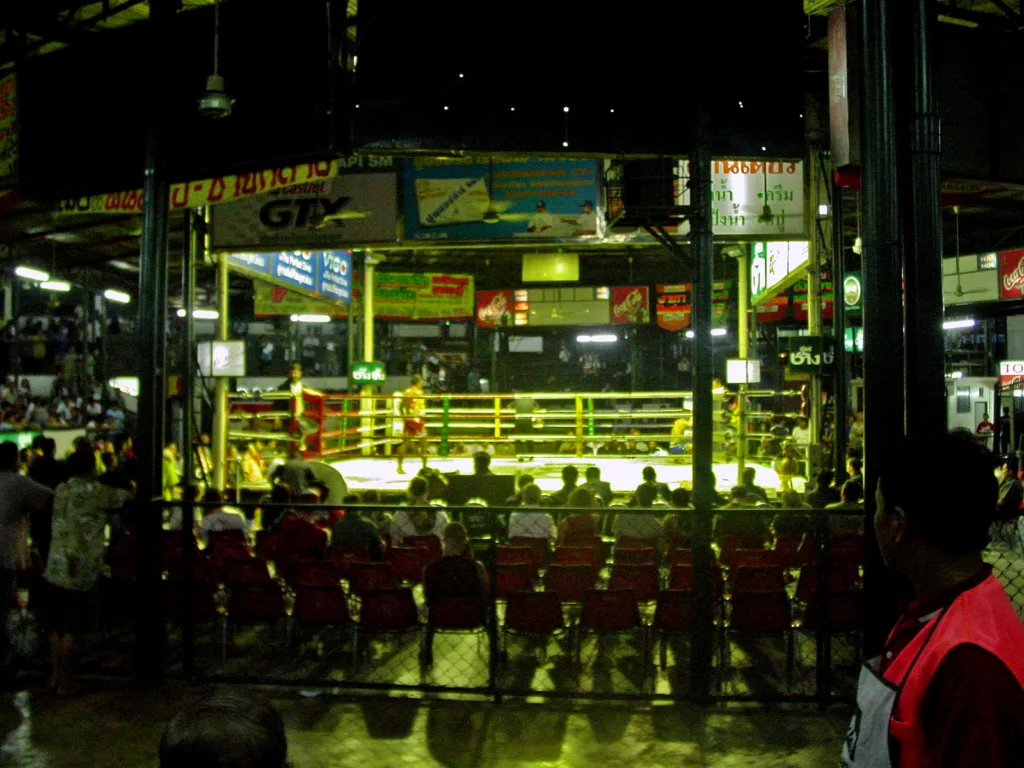
The 2027 branding carries the slogan “Healing is the New Luxury”. According to the trade outlet TTG Asia, TAT bets on three “growth engines”. The first is wellness tourism and positioning the country as a place for recovery. The second is “Unseen Luxperience 2027”: early in 2027 premium programmes are promised with little-known places and private experiences — Thai textiles, jewellery, massage, Muay Thai. The third is the “festival economy” under the slogan “365 Days of Celebration”: it includes already known festivals such as S2O, Wonderfruit and Tomorrowland, as well as regional ones — the candle festival in Ubon Ratchathani, the boat procession in Nakhon Phanom and the Christmas star in Sakon Nakhon. We collected the calendar of events in the article Thailand 2027: the main events of the year and in the material on Yi Peng in Chiang Mai.
What this means in practice. If you value rest without bustle, in 2027 there will be more offers for those who come for health and calm and not for parties. But “luxury” does not necessarily mean expensive: many village programmes cost little. At festivals, though, hotels and tickets get pricier as always, so book in advance.
The figures: what is said and where they differ
Caution is needed here. According to Seasia.co, in 2025 Thailand received about 32.97 million foreign visitors and 202.37 million domestic trips. The outlet Travel Tomorrow, citing the government’s stated ambitions, writes of a goal of at least 33 million foreign visitors and 203 million domestic trips in 2027. It also notes that from January to mid-July 2026 the country received 17.36 million foreigners, and arrivals fell by more than 3%; among the main markets China, Malaysia and India are named. By Seasia.co, by 5 September 2026 foreign arrivals exceeded 21.28 million. These figures come from different outlets and for different dates, so we do not fold them into one picture.
The money figures are confused separately. TTG Asia writes in the text that 94.7 billion dollars is the goal for 2026 (about 3 trillion baht), and for 2027 growth of at least 5% over that goal is declared; but the page address says 94.7 billion is the goal for 2027. The Nation wrote in July of a goal of 2.9 trillion baht. We could not reconcile these numbers, so we give only what we are sure of: growth of at least 5%.
Is this the end of cheap holidays? No, that is an author’s opinion
In the press a formula appears: “Thailand moves away from mass tourism”. That is the opinion of one outlet’s author: Travel Tomorrow writes that “not immediately, perhaps, but there is a shift towards discouraging mass tourism”. TAT itself does not say this: its goals include a 10% rise in arrivals in 19 priority areas, and the overall goal for foreign visitors remains high. So it is more correct to say: the authority wants to redistribute the flow and raise profitability, not to close the door to budget travellers. For a traveller on a small budget the new community places may even prove useful: they are often cheaper than resorts.
How to use this on a trip
For a first visit nothing needs to change: Bangkok, the islands and the north remain the classics. For a repeat trip a good idea is to replace one resort day with a day in a small town. From Bangkok it is easy to reach Ayutthaya and Samut Songkhram with the Amphawa canals and the market by the railway. From the north you can visit Nan and Chiang Rai. In the south it is worth seeing the old quarters of Songkhla and Phuket. If you come for the winter, look at seasonality in our material on weather by region and month.
Etiquette in community places
If you go to a village or an old quarter, remember that it is a home and not a set. Ask permission before photographing people, dress modestly, take off your shoes where that is the custom, and do not touch offerings at house shrines. Buy from local craftspeople and not in the same shops as everywhere; pay without haggling over small sums. If you are invited to a meal or a festival, do not refuse too sharply and thank people politely. Leave the place clean: in small communities litter removal falls on the residents. If something puzzles you, it is better to ask a guide or the host than to make assumptions.
What to expect from logistics
In small towns buses run less often, there is less English and the hotels are more modest. So for first trips small group programmes or a transfer with a driver are convenient. Timetables of trains and flights are better clarified in advance, and for festival dates buy tickets as early as possible. Take cash baht: in villages cards are not accepted everywhere. Download an offline map and a translator, and put a light rain cover in the backpack in case of rain. If you travel with children or older parents, choose short routes and leave a time reserve.
What we could not confirm
We will say honestly what is not in our digest. We did not open TAT’s primary sources and rely on retellings by outlets, so wording and figures may differ from the official ones. It is not confirmed whether the five “pilot” provinces will actually be funded, or when. The launch dates of “Unseen Luxperience 2027” are not confirmed (sources say only the start of the year), nor are specific programmes, prices and booking for community destinations. We found no official list of all 55 places. Revenue data differ between sources. The Tourism Leadership Institute, by The Nation, will open officially only in 2028, and it has no bearing on trips. So plan a trip on verified data, not on presentations.
Frequently asked questions
What is the “Year of Transformation” in Thailand?
It is the name of TAT’s course for 2027: a stress on quality, value, smaller destinations and communities instead of a purely mass flow.
Should I change my route because of the new strategy?
No, the classic destinations remain. New community places can be added as a supplement.
Will holidays in Thailand get more expensive?
There is no clear data: the authority speaks of raising profitability, but the sources do not report price rises.
Useful links
If the strategy works, in 2027 Thailand will be a little quieter and a little more interesting where there used to be nothing to see. And if not, you still have a country where there is somewhere to turn off the main road.
Current as of November 2026. Plans, figures and dates change: check them on the official TAT sites and in reports of reputable outlets.