Chinese New Year 2027 (6 February, Year of the Goat): traditions, Chunyun, where to celebrate — Beijing, Shanghai, Harbin, Chengdu, the Lantern Festival on 20 February, tips on tickets and accommodation.
Once a year, the most populous country in the world sets itself in motion. Hundreds of millions of people board trains, planes and buses at the same time so that they can sit at the same table with their parents for the New Year’s dinner. Stations buzz, the streets are flooded with red, and the night sky thunders with fireworks. This is the Spring Festival — Chinese New Year, the main event of the Chinese calendar. In 2027 it falls on 6 February, and the Year of the Goat begins (in the Chinese tradition — the Fire Goat, or Sheep: the character is the same). For a traveller this is a chance to see China at the peak of its emotions — and at the same time a challenge: transport is overloaded, prices rise, and some establishments close. Let’s look at what happens during the holiday, where it is best to celebrate it, and how not to turn your trip into a survival quest.
- Date: 6 February 2027; New Year’s Eve is 5 February.
- Symbol of the year: the Goat (Fire Goat).
- Lantern Festival: 20 February 2027 — the end of the New Year week.
- Chunyun: the mass-travel period begins about two weeks before the holiday and lasts around forty days.
- Official days off: the schedule of swapped working days for 2027 is approved by the PRC government, usually in the autumn of the previous year; check the announcement.
- Main tip: book tickets, accommodation and domestic flights in advance, and build your route so that you are not travelling on the days of the mass return.
What the Spring Festival is
Chinese New Year is tied not to 1 January but to the lunisolar calendar, so every year the date “floats” between the end of January and the middle of February. In 2027 it is 6 February. For the Chinese this is not just a day off but the time when the family must be together: even those who live and work in another city try to return to their parents’ home. Hence the famous migration — Chunyun, the largest in the world by number of trips in a short period. The holiday days include the eve, New Year itself, and continue until the Lantern Festival on the fifteenth day — in 2027 that is 20 February.
Each year is linked to a zodiac sign from the twelve-year cycle. 2027 is the Year of the Goat. In Chinese culture this sign is associated with gentleness, peacefulness and a creative nature, and the combination with the element of Fire, according to popular interpretations, adds energy. Don’t take horoscopes as science — but in souvenir shops, on postcards and in shop windows you will see little goats everywhere, and that is a great theme for photos and gifts.
Traditions that are visible to the naked eye
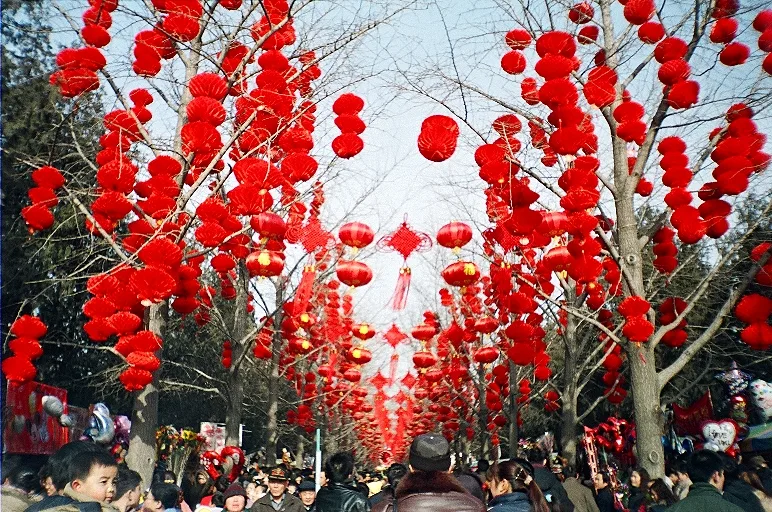
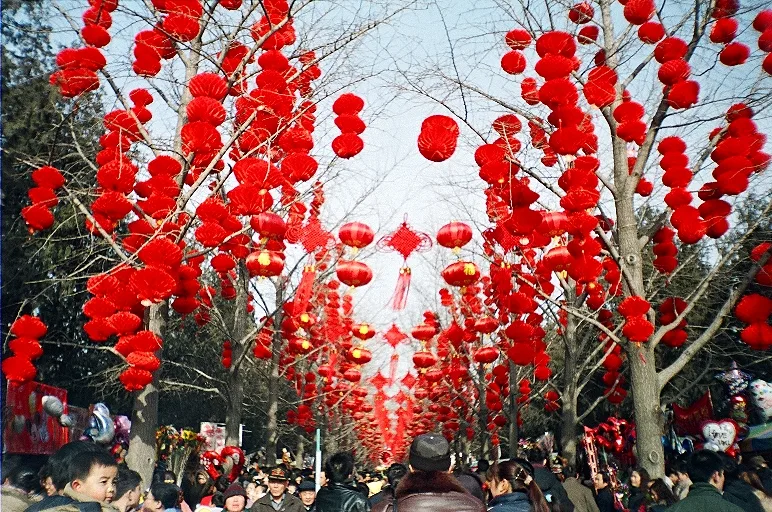
The colour red. Red is the colour of luck and protection. Homes are decorated with red lanterns, paper cut-outs on the windows and paired New Year couplets on gates and doors. The character for “fortune” is often hung upside down: by sound, this reads as “fortune has arrived”.
The New Year’s dinner. The dinner on the eve is the main meal of the year. In the north of the country it is customary to make dumplings, in the south rice cakes (nian gao) and fish dishes are popular: fish, by tradition, symbolises abundance. If you are invited to someone’s home, treat it with respect: this is a very personal family event.
Red envelopes. Elders give money to the young in red envelopes, hongbao — today this is often done in messaging apps too, but paper envelopes are still loved by children.
Fireworks. Loud bangs, according to belief, scare off evil spirits. In a number of large cities pyrotechnics are restricted for reasons of safety and ecology, so whether there are fireworks depends on the place — check the local rules. In some places they are replaced by organised shows.
Temple fairs. In Beijing and other cities, fairs are held at parks and temples during the holiday: treats, performances, games, souvenirs. This is where it is easiest to feel the atmosphere. Read about Beijing’s parks and more in our article on the main events in China in 2027.
Chunyun: how the year’s main migration works
Chunyun is the period of mass travel around the New Year. Most trips are people returning home before the holiday and back afterwards. Trains run packed, tickets for popular routes sell out within minutes of going on sale, and the stations resemble anthills. For a foreign tourist the main conclusion is: during these days it is better not to plan complicated multi-leg routes by rail and domestic flights without tickets bought in advance. The hardest days are a few days before the holiday and the first days after the long weekend, when everyone goes back to work. The ideal strategy is to reach your base city in advance, move as little as possible on the days from New Year’s Eve to New Year, and spend the remaining time on walks around one city.
Additional tips: buy high-speed train tickets as early as possible through official apps and trusted services; keep your documents at hand on the road — they are checked at stations; allow extra time for boarding and baggage screening; don’t count on taxis or car-sharing at peak hours.
Where to celebrate the New Year
Beijing: temple fairs and the grandeur of the capital
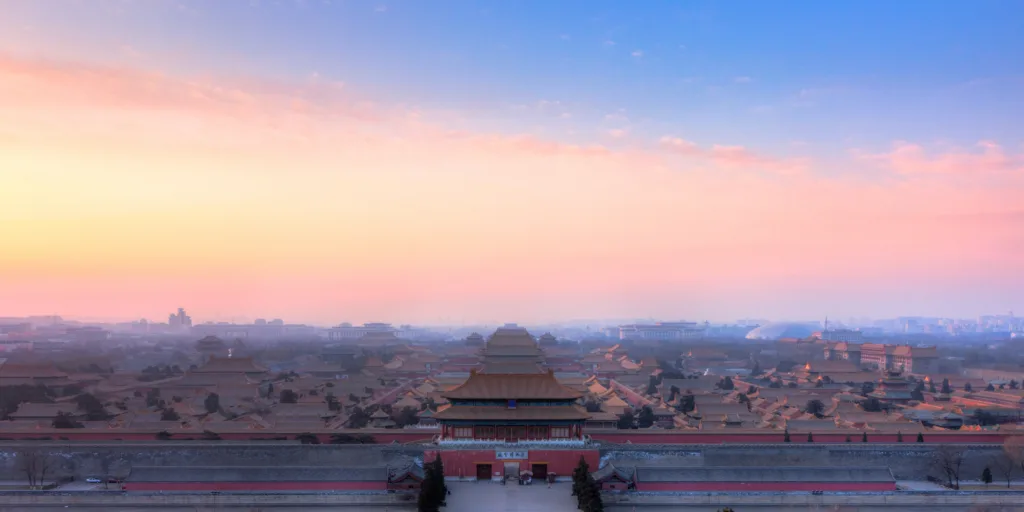
Beijing during the holiday means red lanterns along the squares, fairs at the parks and the special atmosphere of the old neighbourhoods. By day you can stroll around the temple fairs, in the evening look at the street illuminations. Some museums and sights may operate on a special schedule, and the most popular places — from the Forbidden City to the Great Wall — are overcrowded on holiday days, so tickets are best booked in advance. If you want quiet, choose weekdays after the holiday week.
Shanghai: lanterns, Yu Garden and the lights of the waterfront
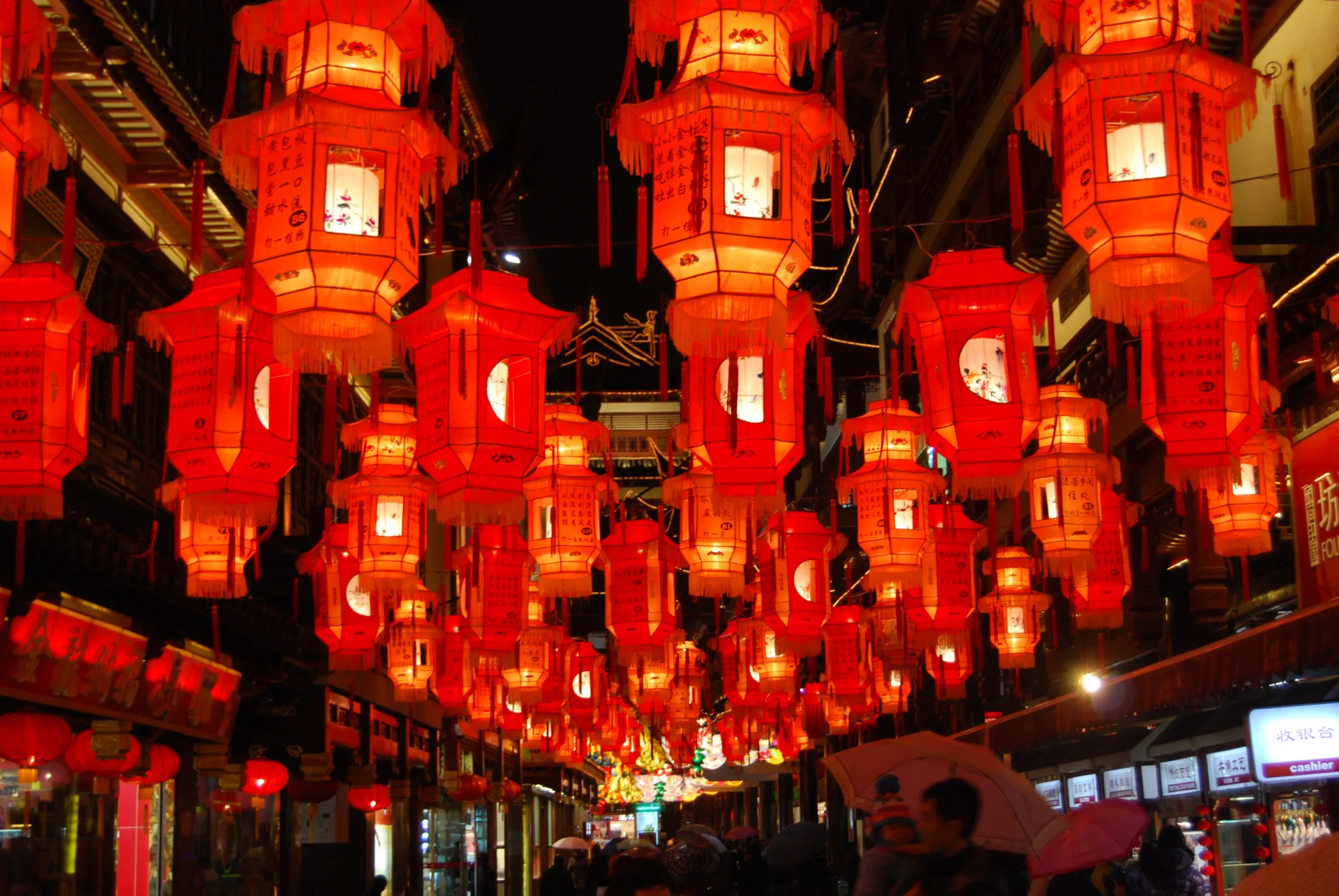
In Shanghai the centre of the New Year programme is Yu Garden and its surroundings. By the time of the Lantern Festival a light exhibition is held here: lanterns of all kinds of shapes fill the paths and pavilions. In the evening the Bund embankment with the panorama of Pudong’s skyscrapers is mesmerising regardless of the holiday. Many Shanghainese leave for their home towns, so on the peak days the city can be unusually quiet, while the best festive locations, on the contrary, are packed with tourists.
Harbin: ice and snow instead of flowers
If you want a winter fairy tale, add Harbin to the New Year week: in February it is still the season of ice sculptures here. Details are in our guide to the Harbin Ice and Snow Festival. Take very warm clothes: frosts in north-eastern China can be severe, and a phone drains quickly in the cold.
Chengdu and Xi’an: gastronomy and history
Chengdu is good for those who love food and unhurried walks: Sichuan cuisine is especially generous during the holiday, and the tea courtyards are perfect for a rest from the crowds; you can also go to a Sichuan opera with face-changing here. Xi’an is an ancient capital with a city wall and the famous Terracotta Army nearby; in winter there are noticeably fewer tourists than in summer, but during the holiday week the flow grows.
The Lantern Festival — the final chord
On the fifteenth day after New Year, 20 February 2027, the Lantern Festival is celebrated. It is traditionally marked with lantern exhibitions, riddles on slips of paper attached to the lamps, and special glutinous rice balls — yuanxiao or tangyuan. It is one of the most beautiful moments of the festive cycle: the city is bathed in soft light, and the atmosphere is intimate and warm. Many travellers deliberately choose a route to catch this very day rather than the peak of New Year: the crowds are smaller, and the beauty is no less.
In practice: how to travel during the holiday
Visa and documents. Check the current entry rules for citizens of your country: the conditions of visa-free entry and visas change, so rely on official sources before buying tickets.
Payment. China has almost completely switched to mobile payments, but foreigners can use linked international cards in the popular apps — set everything up in advance and take a little cash in case of a failure.
What is closed. On the most important days — the eve and the first day — some restaurants and shops may be closed because the owners leave to be with their families. Large shopping malls, hotels and tourist places usually continue to receive guests, but on a reduced schedule. Check the opening hours of the places you need in advance.
Prices. Tickets, hotels and tours are more expensive during the holiday week, and few places are available. Book in advance and choose options with free cancellation.
Etiquette. A red envelope is accepted with both hands; when visiting, bring fruit or sweets; don’t give clocks or sharp objects — they carry unlucky associations. And don’t be afraid of loud sounds: the noise on these days is part of the holiday. If you are interested in the life of the capitals, read about the nightlife of Shanghai and Beijing.
When it is best to come: before the holiday, during it or after
A week before New Year. The city is getting ready: markets are full of red decorations, people are shopping, the streets come alive. Transport is already overloaded, but there are fewer tourist crowds.
During the holiday week. Maximum emotion and maximum difficulty. Suitable for those who want precisely the atmosphere and are ready for queues.
After the holiday, for the Lantern Festival. The golden mean: the decorations are still in place, the programme continues, and the flow of people has already subsided. For a first time in China, this is perhaps the best option.
Three ready-made routes
“The Classic” — 8–10 days. Beijing in the week before the holiday, a high-speed train to Shanghai and a finale at the Lantern Festival in Yuyuan. Buy train tickets in advance.
“Winter Fairy Tale” — 7–9 days. Harbin with its ice sculptures and a transfer to Beijing for the New Year fair.
“Tasty and Calm” — 6–8 days. A base in Chengdu with trips around the area and a day in Xi’an; a minimum of connections during the busiest period.
Fifteen days of the holiday: what happens in order
The New Year cycle is not a single evening but almost two weeks of rituals. On the eve the family gathers for dinner, and many stay up until midnight — in Chinese this is called “seeing in the year”. The televised New Year gala on central television has long been a tradition: millions of families watch it, although young people increasingly watch it with half an eye, buried in their phones. On the first day it is customary to go out to exchange greetings and put on new clothes, and many avoid cleaning so as not to “sweep away the luck”. The second day is traditionally devoted to visiting the wife’s parents, and then come visits to friends, temples and fairs. In the middle of the week many families begin their plans for rest and travel, and by the fifteenth day, the Lantern Festival, everything returns to normal. Knowing this rhythm helps with planning: in the first days families receive guests, and towards the end of the holiday public places and restaurants come alive.
What to try: New Year cuisine
The festive table is a journey of its own. In the north these are jiaozi dumplings, whose shape resembles old gold ingots, and so they symbolise wealth. In the south, glutinous rice cakes (nian gao) are common, as well as fish and chicken dishes. There are many sweets: dried fruit, nuts, seeds, candies in red wrappers. During the holiday people gladly drink tea and, for adults, strong drinks at the shared table. In Chengdu and Shanghai try local New Year snacks in the restaurants that stay open: book a table in advance, because families’ festive dinners are fully scheduled. If you are vegetarian or have an allergy, learn a few phrases in Chinese in advance or use a translator on your phone: in the festive bustle the staff are busy, and it is easier to explain with a ready picture.
Weather and what to take with you
The beginning of February is winter almost everywhere in China. In the north it is frosty and dry; in Beijing and Harbin you need a warm jacket, a hat, gloves and thermal underwear. In Shanghai and the east the winter is damp, with a piercing wind: waterproof boots and several layers of clothing matter here. In the south — in Guangzhou and on Hainan — it is noticeably warmer. Take a power bank for your phone: in the cold the charge drains quickly, and you need apps for tickets, maps and payment. A moisturising cream and anti-dryness products are also useful, since the air in heated rooms is overdry. Comfortable shoes are a must: during the holiday week you will have to walk a lot between metro stations and entrance queues.
How to behave so that you are warmly received
The Chinese are hospitable to guests, but the holiday has its own rules. Greet people with “Xinnian kuaile” — “Happy New Year”; another common wish is “Gong xi fa cai”, which roughly means “wishing you prosperity”. Don’t argue loudly or show irritation in queues: it is not welcomed. When photographing people, especially children, ask permission. At temple fairs, bargain politely and in moderation. And most importantly — don’t hurry: the holiday loves unhurriedness, and the best moments often happen when you are simply sitting over a cup of tea and watching the city prepare for the evening.
Hotels for the New Year week
During the holiday days hotels fill up in advance, and prices go up. Below is a selection of options from our database; look at the reviews and the “Hotel health” block, check the cancellation conditions and leave a margin on dates. In big cities it is sensible to choose accommodation near the metro: on peak days a taxi won’t save you.
FAQ
When is Chinese New Year in 2027? 6 February 2027; this is the start of the Year of the Goat.
When is the Lantern Festival? 20 February 2027.
Is it worth going to China for the New Year? Yes, if you are ready for the crowds and have booked everything you need in advance; if not, it is better to choose the period after the holiday.
What is closed during the holidays? Some restaurants and shops in the first days; check the opening hours in advance.
What is Chunyun? The mass migration of people returning home for the holiday and back — the largest in the world by number of trips.
Can I set off fireworks? It depends on the city: many places have restrictions, so it is better to follow local rules and watch the organised shows.
Check the exact schedules of days off and entry rules on official sources — they may change.