Working out the budget of an independent trip to Japan: how much to allow per day, what food, accommodation, transport and tickets cost. Prices in yen and roubles at the Central Bank rate.
Japan is considered an expensive country, and that is only half true. Accommodation and long-distance travel are expensive. Food, museums and city transport are on the level of a European capital, and sometimes cheaper. Here is the budget item by item, and what a week really costs.
How much money to allow per day
Guidelines per person, without accommodation and long-distance travel — that is food, city transport, museums, small things.
| Level | Per day, ¥ | Per day, ₽ |
|---|---|---|
| Thrifty (konbini, ramen, metro) | 5,000–7,000 | 2,350–3,300 |
| Mid-range (cafés, museums, a couple of taxis) | ≈ 10,000 | ≈ 4,700 |
| Comfortable (restaurants, excursions) | 15,000–20,000 | 7,000–9,400 |
Accommodation and bullet trains are not included here — these are the two main items that make Japan “expensive”.
Food
Here Japan pleasantly surprises. A plate of ramen, gyudon or curry at a chain eatery costs less than a business lunch in Moscow. Lunch at a konbini (7-Eleven, Lawson, FamilyMart) costs a symbolic sum and is still edible — a national peculiarity.
It becomes expensive in restaurants with table service and in specialised venues: sushi bars with a chef, kaiseki, wagyu. There the bill quickly goes beyond 10,000 ¥ (≈ 4,700 ₽) per person.
There are no tips — it is not customary. A service charge, if there is one, is already included in the bill.
Accommodation
- A capsule hotel — in low season about 25–30 € per person per night.
- A business hotel (a small room with everything necessary) — the most sensible option for an independent trip.
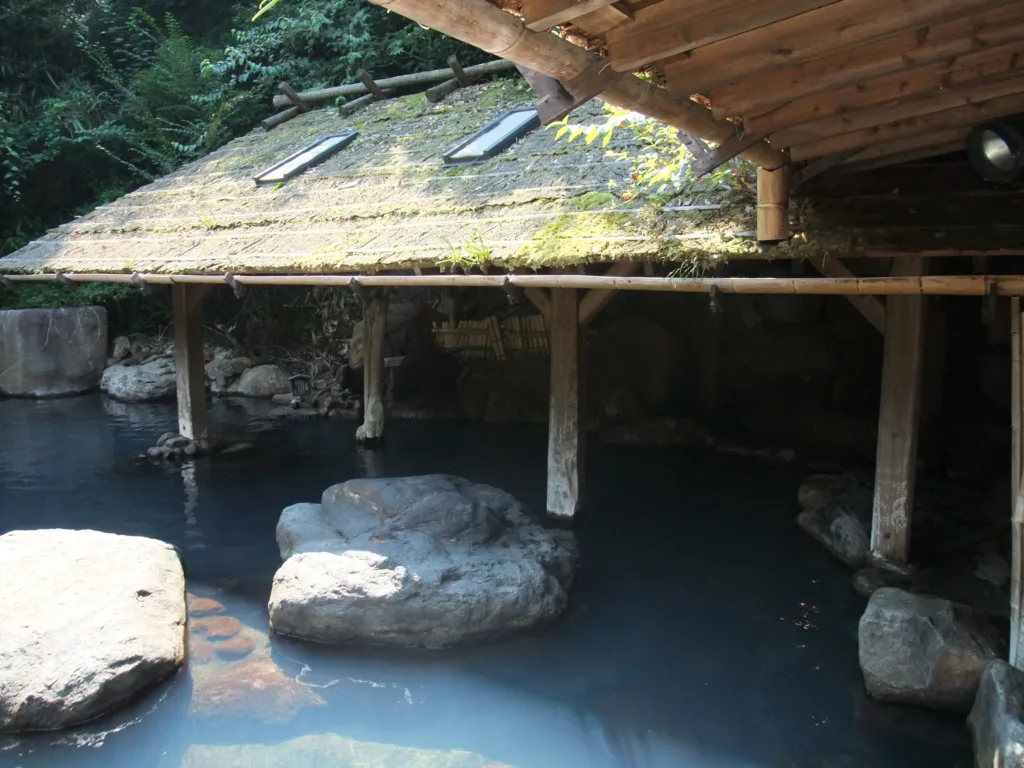
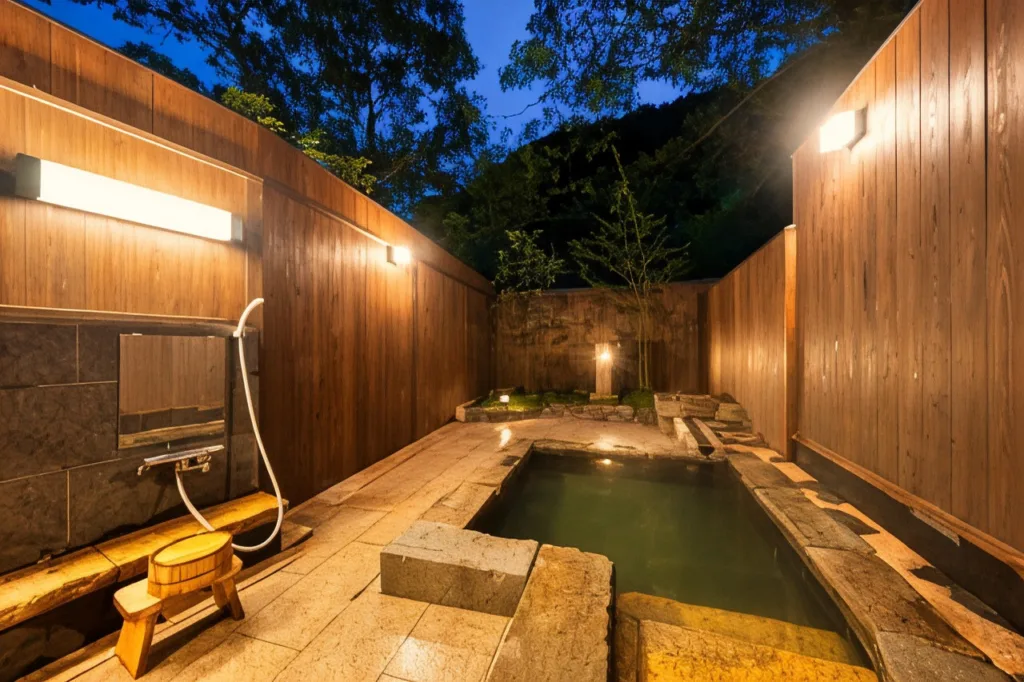
- A ryokan with an onsen and dinner — a separate expense and a separate experience.
In high season — sakura in late March–April, momiji in November — accommodation prices in Tokyo rise one and a half to two times. Book months ahead, not weeks.
Transport
| What | Price, ¥ | Price, ₽ |
|---|---|---|
| Narita Express, round trip | 5,000 | ≈ 2,350 |
| JR Pass, 7 days (ordinary car) | 50,000 | ≈ 23,500 |
| JR Pass, 14 days | 80,000 | ≈ 37,600 |
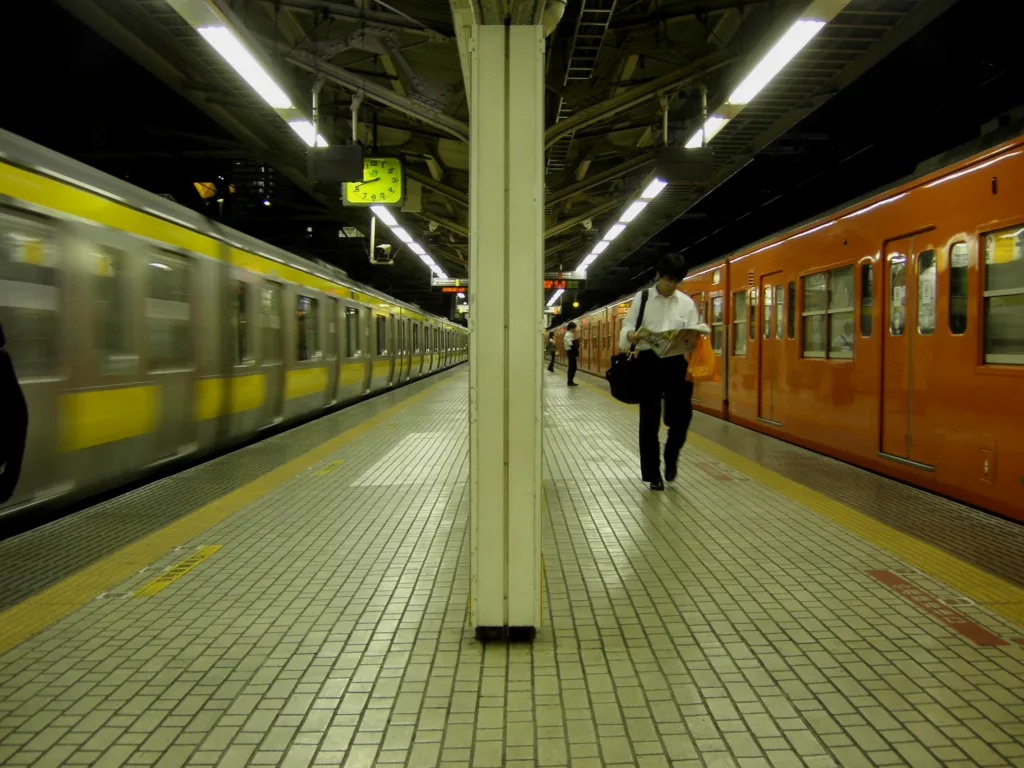
City metro and buses are inexpensive, especially with a Suica IC card. But bullet trains eat up the budget: one Tokyo — Kyoto journey costs as much as several days of food.
Hence a simple rule: a JR Pass pays off by movement, not by days. A busy Tokyo — Kyoto — Hiroshima route pays back a seven-day pass, a week in one city does not. A detailed calculation is in the article Japan visa and JR Pass.
Tickets and attractions
| What | Price | In roubles |
|---|---|---|
| Shinto shrines | most often free | — |
| A Buddhist temple | $3–5 | ≈ 230–380 ₽ |
| A museum | $5–10 | ≈ 380–760 ₽ |
| An observation deck | $15–25 | ≈ 1,140–1,900 ₽ |
Half of the best of Japan is free: parks, districts, shrines, views. You have to pay for observation decks and big museums.
Flight
Return tickets from Moscow can usually be found from 50,000 ₽, a good price is about 40,000 ₽. There are few direct flights; people more often fly with a connection. You can compare options on our page flights to Japan.
Example: a week in Japan
One person, mid-range, route Tokyo — Kyoto — Osaka:
- Flight: ≈ 45,000 ₽
- Accommodation, 7 nights in business hotels: ≈ 35,000–50,000 ₽
- Daily expenses, 7 × 4,700 ₽: ≈ 33,000 ₽
- Journeys (bullet trains or JR Pass): ≈ 23,500 ₽
A total of roughly 140,000–150,000 ₽. A thrifty option with hostels and without a pass drops by about forty thousand, a comfortable one easily goes beyond 200,000 ₽.
Where people overpay
- A JR Pass “just in case”. Work out your real journeys — it is often cheaper to buy tickets separately.
- Nozomi and Mizuho. The fastest bullet trains require a supplement to the basic pass.
- Currency exchange at the airport. Exchange the minimum, withdraw the rest from a 7-Bank ATM.
- High season. Sakura and momiji add 50–100% to accommodation.
Frequently asked questions
How much cash should I take?
Russian cards don’t work. A sensible proportion is about 30% of the budget in cash, 70% on a foreign card. If you have no card, the whole sum in cash. Details — in the article money in Japan.
Can I manage on 100,000 ₽?
With the flight — only with lucky tickets, hostels and a short stay. Without the flight — quite possible: a thrifty week costs about 60,000–70,000 ₽.
What eats up the budget unnoticed?
Taxis and bullet trains. One taxi ride in Tokyo can cost as much as a lunch for two, and a train between cities as much as a night in a hotel.
Do I need a visa?
Yes, and it is worth arranging in advance: checks have been tightened, allow 1.5–2 months. Details — Japan visa.
What next
You’ve done the sums — now plan: ready-made routes around Japan by day, when to go and where to stay.
Prices are approximate and depend on season, city and exchange rate. Rouble equivalents are recalculated at the Bank of Russia rate on 8 July 2026 and change with it. Some data is taken from travellers’ publications rather than from official price lists.