Bon Om Touk 2027 in Phnom Penh (12–14 November): dragon boat races, the reversal of the Tonle Sap current, fireworks, ak ambok, safety in the crowd and where to stay.
There are places where rivers flow in one direction. And then there is Cambodia, where once a year a river changes its mind. At the end of the rainy season the level of the Mekong falls, and water from the Tonle Sap — a huge lake in the centre of the country — begins to drain back towards the Mekong, and the current of the river at Phnom Penh reverses. Cambodians mark this turn with a festival said to be about a thousand years old: Bon Om Touk, the Water Festival. In 2027 it will be held on 12–14 November. Millions of people converge on the capital’s riverfront from all over the country: narrow dragon boats race on the river, fireworks thunder over the water in the evening, illuminated floating platforms glide by, and the bank smells of grilled fish and smoke. It is the loudest, most crowded and most emotional festival in Cambodia, and if you want to see the country not on a postcard but from the inside, there is no better time to go. Below is everything you need to know: how the three days are structured, where to watch, how not to get lost in the crowd and where to stay.
- Dates: 12–14 November 2027; a few days earlier, on 9 November, is Independence Day.
- Where: the Tonle Sap riverfront in Phnom Penh opposite the Royal Palace; the festival is also held in other towns by the water.
- What to see: dragon boat races, evening fireworks, the illumination of floating platforms, popular festivities.
- What to try: ak ambok — pounded fried rice with banana and coconut; fresh fish of the season.
- Crowds: at the peak of the festival the riverfront is very crowded; come by day and choose where to watch in advance.
- Main tip: book accommodation in Phnom Penh several months ahead, and intercity tickets too.
Why the river flows backwards
To understand the festival, you need to understand the river. The Tonle Sap is an unusual river: in the rainy season, when the Mekong is overflowing, water from it flows up the Tonle Sap and fills the lake of the same name, which grows several times over and becomes one of the richest fishing grounds on the planet. When the rains subside, the level of the Mekong falls, and water from the lake flows back — the current at Phnom Penh changes direction again. For a country whose cuisine and economy largely rest on fish and rice, this moment is a symbol of abundance and prosperity. Hence the festival: people thank the river for its generosity and ask it for a good year. Read more about the lake and its floating villages in our article on Tonle Sap.
What happens over the three days
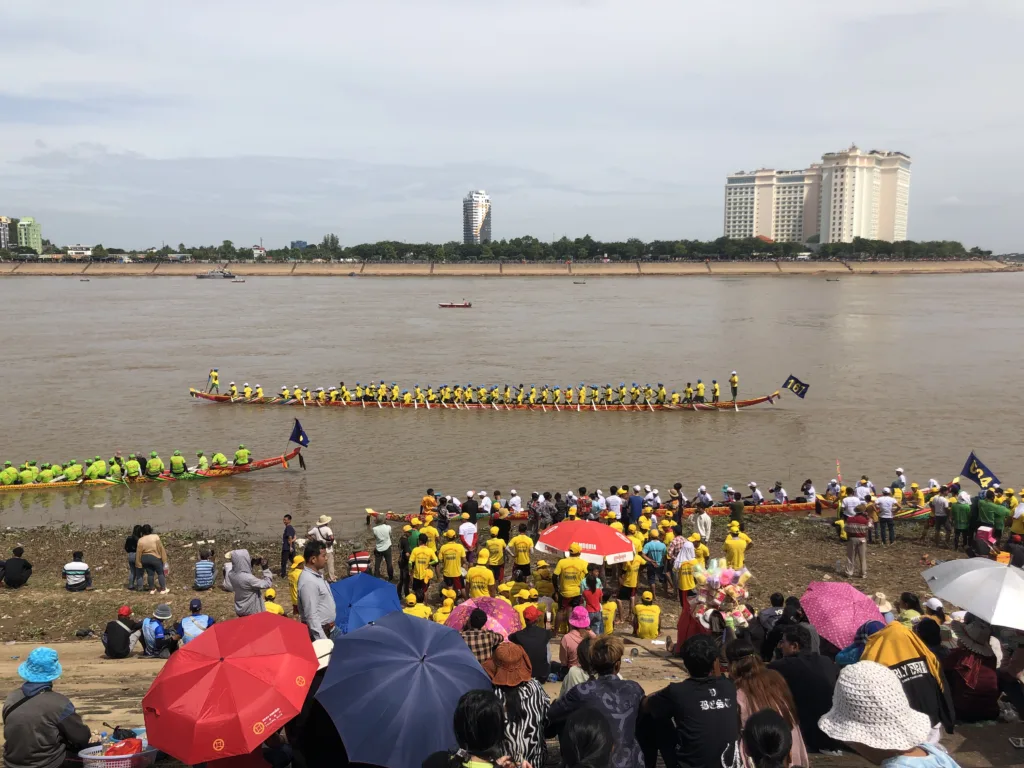
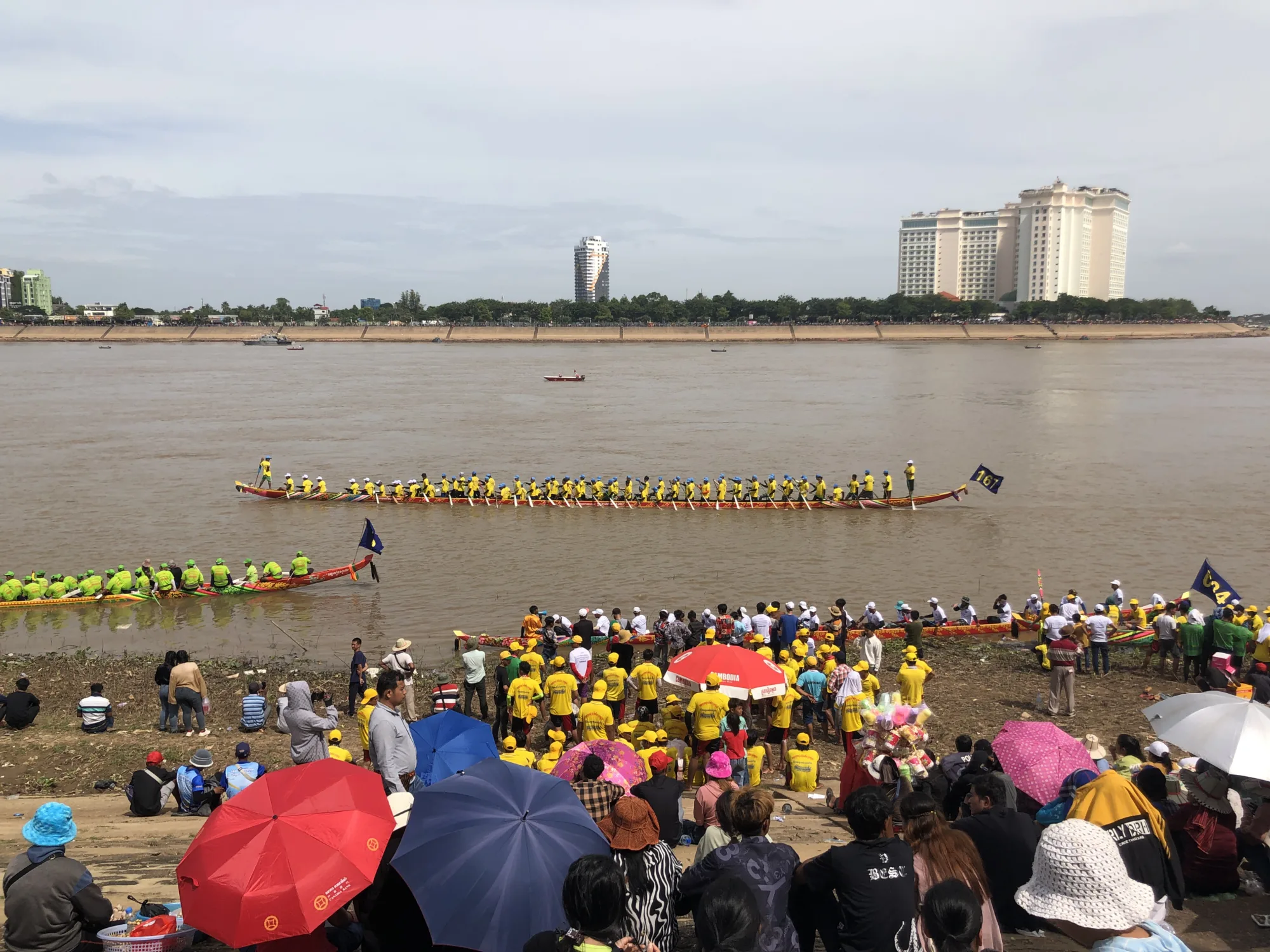
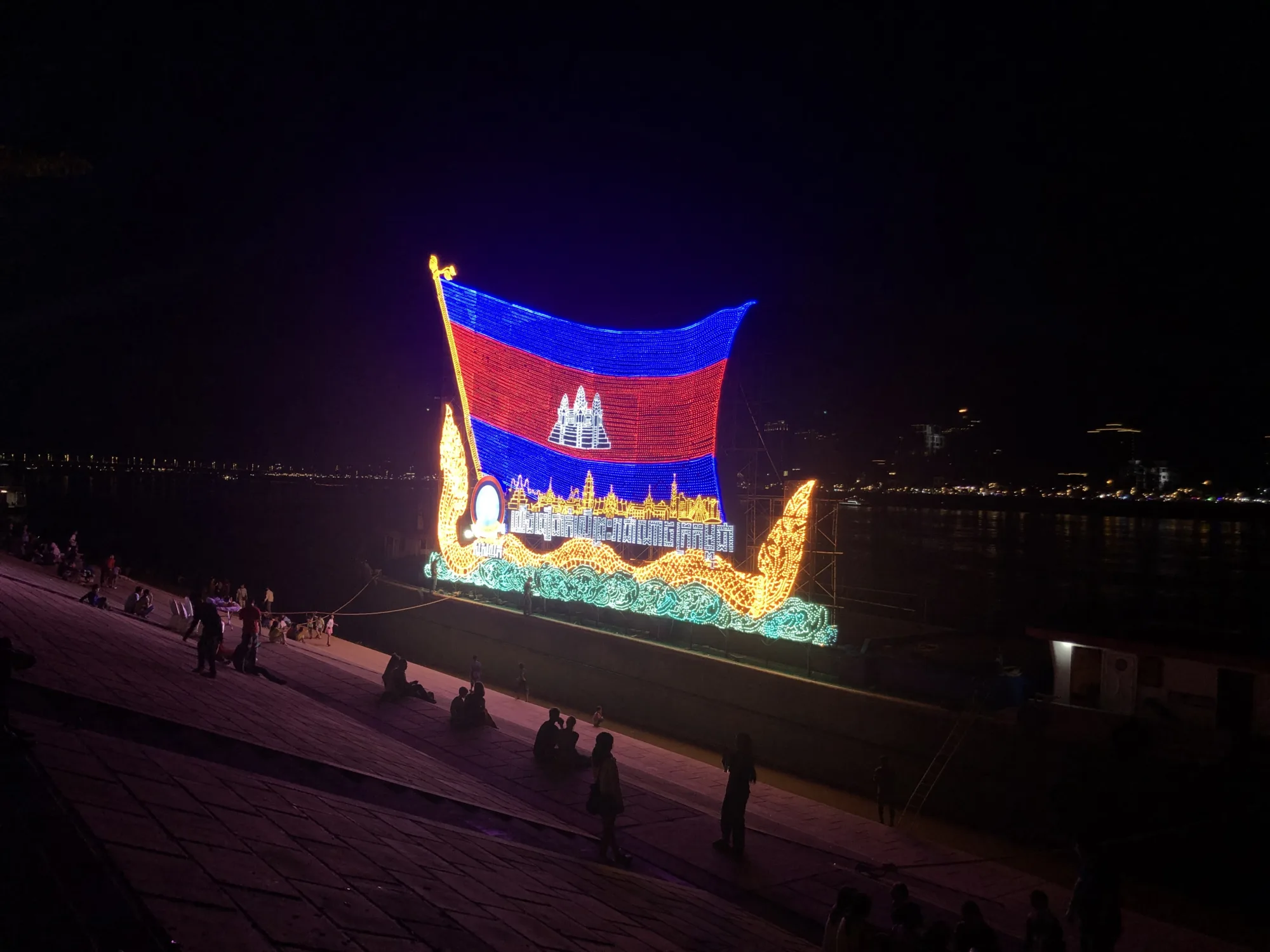
The festival lasts three days, and its rhythm is set by the water. The centre of events is the riverfront in front of the Royal Palace, where grandstands, tents with refreshments and stages with concerts are set up along the river. By day races take place on the water: long narrow boats, each with dozens of rowers, race in heats while spectators on the bank cheer their teams. Crews come from different provinces, so supporters stick together, and the atmosphere resembles a big family match. In the evening fireworks light the sky over the river, and platforms decorated with glowing lights float by — distinguished by bright illumination and themed constructions. Religious ceremonies are also held during the festival, and on the full moon in some places a moon-worship ritual is performed and ak ambok is served. The programme changes from year to year, so it is best to check the exact schedule in official announcements before your trip.
Dragon boats: what it looks like up close
The races are the heart of the festival. The boats are very long and narrow, the rowers sit in rows and work short paddles in a single rhythm set by a person at the bow or stern. For the crews it is a matter of honour for their village or province, so the energy is off the charts. It is best to watch from the riverfront, choosing a spot in advance. If you come by day, bring water, a hat and light clothing: November in Cambodia is the dry season, but the sun is hot at midday. In the evening it is noticeably cooler, and the air on the water is fresher. The best places are, naturally, taken in advance, so come early if you want a decent view.
Festival food
The Water Festival is also gastronomy. The main dish of the full-moon night is ak ambok: young rice is fried, pounded into flat crispy flakes and served with banana and shredded coconut. The taste is unusual: sweet, crunchy and slightly smoky. Besides it, river fish is especially good during the festival: the end of the rainy season is the time of the big catch, so fish dishes are fresh. Try fish amok curry steamed in a banana leaf, fried fish with herbs and sauces, and sour-spicy soups. The riverfront has plenty of stalls with fried snacks, fruit and sweets, but watch for cleanliness: choose places with high turnover and hot food, and drink only bottled water.
Safety and the crowd: what matters
Bon Om Touk is a festival that millions of people come out for, and this should be kept in mind. The riverfront can be very dense, especially in the evening during the fireworks. In 2010 a terrible stampede took place on one of the bridges during the festival, costing many lives; since then organisers have paid more attention to managing the flows, but caution does no harm. Don’t go into the densest crowd, avoid narrow bridges and passages, and stay at the edge rather than the centre. Agree a meeting place with your companions in case you get separated, and charge your phone beforehand. Pickpocketing happens in crowds: wear your bag in front, keep money and phone in closed pockets and don’t carry unnecessary valuables. With children it is better to come by day and leave before the peak of the evening crowd.
Getting there and getting around
On festival days transport works at overload. Intercity buses and minibuses to Phnom Penh fill up in advance and prices rise, so tickets are worth buying early. In the city itself the main streets around the riverfront are temporarily closed, and taxis and tuk-tuks get more expensive and stuck in traffic. It is better to choose accommodation within walking distance of the riverfront and move around on foot: distances are short, and in a crowd a pedestrian has it easier. If you want to return to the hotel after the fireworks, plan the route in advance: at rush hour transport barely runs. From Siem Reap you can reach Phnom Penh by bus or plane, and from Kampot and Kep by bus; check timetables with carriers.
Where to stay
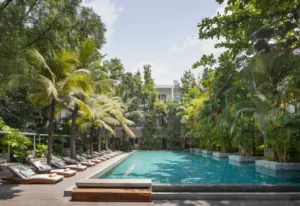
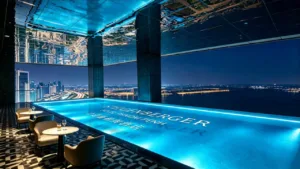
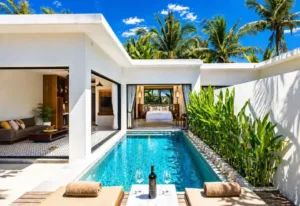
The best choice for the festival is the area by the riverfront and the Royal Palace: you can see everything from here, and the walk to the river takes minutes. The hotels closest to the river fill up months ahead, and prices on festival days rise significantly, so book in advance and choose options with free cancellation. If you want quiet, choose the Tonle Bassac area: it is about ten to fifteen minutes from the riverfront, but in the evening you will rest from the noise. Be sure to check whether the hotel has a roof or terrace with a river view: from height the fireworks look especially impressive and do not require a crowd. For families with children, hotels with a pool are suitable, where you can return in the daytime to rest from the heat.
What else to see in Phnom Penh
The festival is a great reason to get to know the city. By day look into the Royal Palace and the Silver Pagoda, walk through the Central Market and along the riverfront, and in the evening choose one of the restaurants with a river view. Set aside time separately for the Tuol Sleng Museum — a heavy but important place that helps in understanding modern Cambodia. If your evenings are free, read our overview of Phnom Penh nightlife, and for the picture of the whole year see the calendar of Cambodia events in 2027.
History of the festival: from naval victories to a national symbol
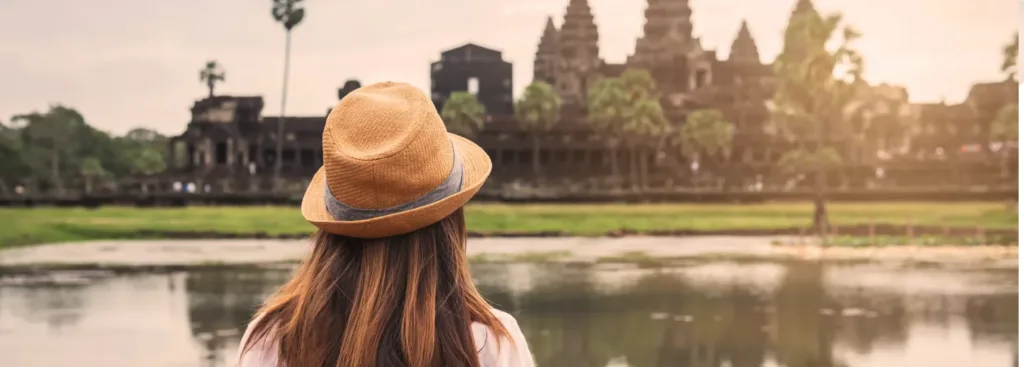
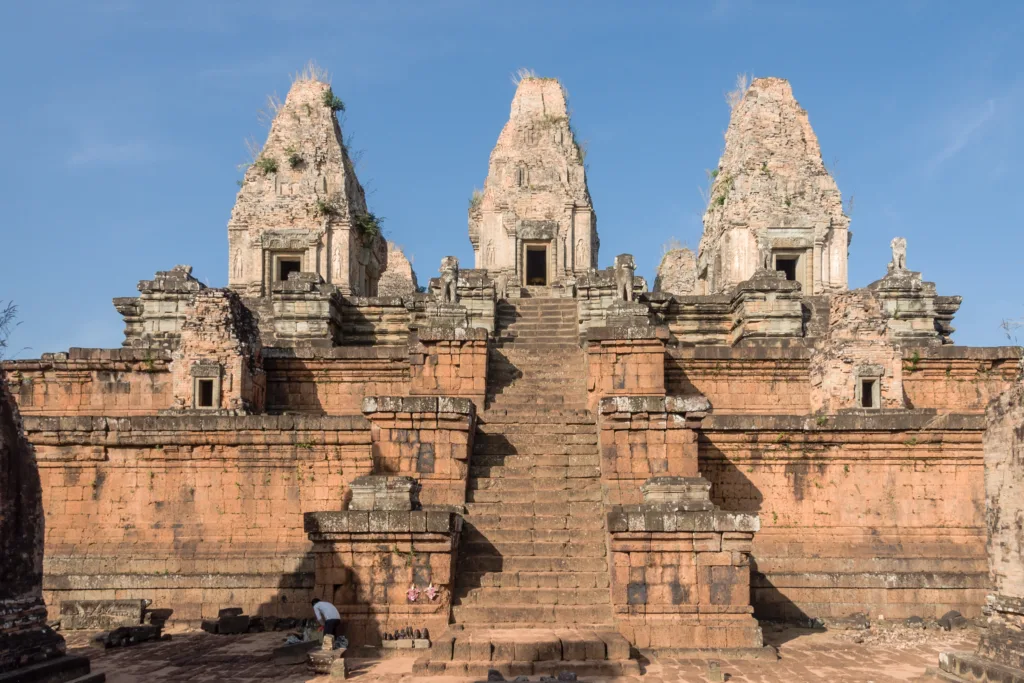
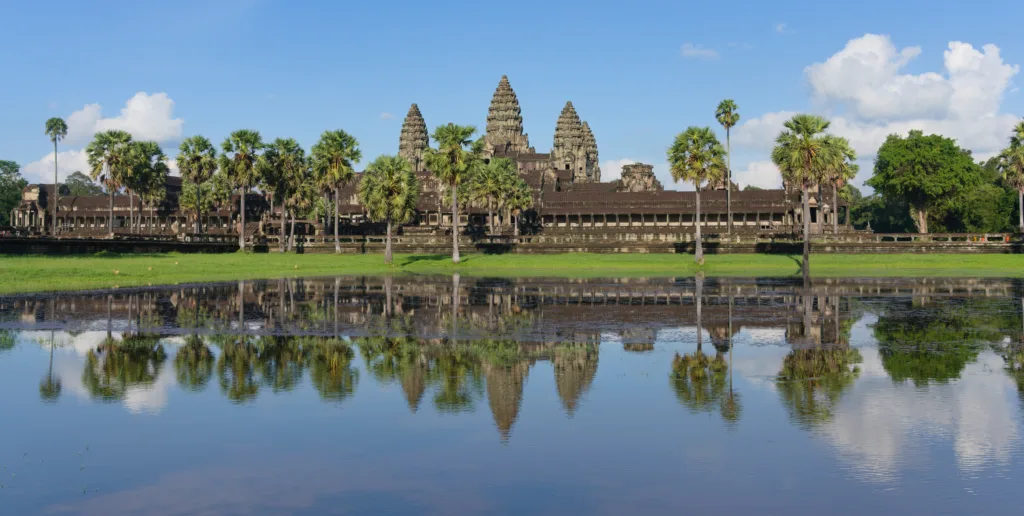
The roots of Bon Om Touk go back to the era of the Angkorian empire. According to a widespread tradition, the boat races are connected with the fleet of the Khmer state and with the naval victories of King Jayavarman VII over the Cham army in the 12th century: river contests were a way to train rowers and keep up fighting spirit. Over time the military meaning faded, and the festival turned into thanks to the river for water, fish and rice. Today it is also an occasion for state ceremonies: the king and high-ranking officials attend the opening, and the races are shown on national television. If you want to understand why Cambodians feel so emotionally about water, look at the bas-reliefs of the Bayon at Angkor: among the scenes of court life are battles on the lake, fishermen and everyday life by the water.
The festival is not only in Phnom Penh
Although the main show takes place in the capital, water is celebrated in other towns too. In Siem Reap the celebrations are held along the river and at bodies of water near the centre, and in provinces with riverbanks local races and festivities also take place. It is a good option for those who dislike crowds: the scale is smaller, the atmosphere calmer, and the treats and contact with locals are more personal. It is best to check the exact programme with your hotel or local guides a few days before the festival.
For photographers: how to shoot the Water Festival
The festival is rich in shots. By day catch the dynamics of the races: a short exposure, a telephoto lens and burst shooting let you capture the sweep of paddles and the spray. The best time for portraits of spectators is morning and evening, when the sun is soft and faces are not blown out. In the evening, when fireworks begin over the river and the platforms light up, raise the ISO, open the aperture and, if possible, find a support for the camera. Remember respect: ask permission before photographing people, don’t get in the way of rowers and organisers, and don’t stand in the path of a procession. And don’t forget to lower the camera sometimes and simply look: the best of this festival does not fit in a frame.
How much it costs
The festival is free for spectators: the main events take place on the riverfront and in the streets, and entry tickets are usually not required. The main costs are accommodation, flights and food. Hotels in Phnom Penh get more expensive on these days, so book in advance and compare offers. Food on the riverfront is cheap, while restaurants by the river charge more, especially on terraces with a view. Also count money for local transport and small souvenirs. Exact prices depend on season and demand, so look at current offers at the booking stage.
Khmer words that will come in handy
A few words will help to make contact. “Suosdei” — hello, “orkun” — thank you, “sum toh” — sorry. “Bon” means a festival, and “Om Touk” is associated with water. Even if your accent is imperfect, locals will appreciate your effort and will more readily point the way, recommend the best place to watch the races or treat you to something tasty.
The perfect day at the festival: an hour-by-hour plan
To avoid burning out, break the day into stages. In the morning have breakfast at the hotel and go out to the riverfront before it gets hot: it is easier to find a spot at this time, and the light for photographs is soft. By noon, when the sun is at its zenith, retreat to the shade: have lunch in a café near the river, rest in your room or stroll around the Royal Palace. By four or five o’clock return to the water: the most beautiful time begins, when golden light falls on the boats and the bank becomes crowded and noisy. At sunset choose a spot to watch the lights: a restaurant terrace, a hotel roof or a quiet stretch of the riverfront away from the main stage will do. After the fireworks don’t rush into the crowd: wait twenty to thirty minutes, drink some tea, then walk back. That way you will save your strength for the following days and see the festival without a crush.
If you are travelling with children or parents
The Water Festival is a family event, but also the most tiring one. For children choose daytime hours: the races are easier to see and the crowd is smaller. Bring a folding stool or mat, water, a snack and sun protection. For elderly parents the main thing is to choose in advance a comfortable spot with shade and access to toilets rather than trying to push through to the water itself. Leave the festival before the peak of the evening crowd and agree how you will get back. Remember that the festival lasts three days: you don’t have to see everything at once, it is wiser to spread out the impressions and leave time to rest at the hotel.
Itineraries around the festival
“Water Festival” — 5–6 days. Phnom Penh for the three days of the festival, a day for museums and the palace, a trip to Tonle Sap lake.
“Cambodia in a week” — 8–9 days. Phnom Penh for Bon Om Touk, then Siem Reap with the temples of Angkor — November is the start of the dry season, so the weather is good.
“River and islands” — 10–12 days. Phnom Penh, then south to the sea: the islands of Koh Rong and Koh Rong Sanloem, and on the way the Irrawaddy dolphins in Kratie.
Useful tips
Clothing. Light, covering shoulders and knees for visiting temples and the palace, comfortable shoes for long walks.
Cash. Both local riel and US dollars are used in Cambodia; small notes are needed for markets and stalls.
Connectivity. Buy a local SIM or eSIM in advance: the network can be overloaded in a crowd, so save the map and the hotel address offline.
Water and sun. It is hot by day: wear a hat, drink water, use sunscreen.
Respect. Don’t behave provocatively, don’t climb on grandstands and barriers, and treat rowers and spectators in a friendly way: take photos with permission.
FAQ
When is Bon Om Touk in 2027? 12–14 November 2027.
Where does the main action take place? On the Tonle Sap riverfront in Phnom Penh opposite the Royal Palace.
What does the festival celebrate? The reversal of the Tonle Sap current at the end of the rainy season and the start of the fishing season.
Is it worth going with children? Yes, but it is better to come by day, stay at the edge of the crowd and leave before the peak of the evening festivities.
What is the weather like in November? The start of the dry season: warm and sunny, rain is rare, evenings are cooler.
Do I need to book accommodation in advance? Yes, several months ahead, especially near the riverfront.
The exact programme, race times and venues may change — follow the organisers’ official announcements.