Chengdu and Jiuzhaigou: pandas, Sichuan cuisine, the Giant Buddha in Leshan, colored lakes and Huanglong — a Sichuan route, the road, altitude, seasons and restrictions after the 2017 earthquake.
Sichuan is one of those provinces of China that sells itself in three words: pandas, spicy food and mountains. But behind this set there is much more: the city of Chengdu, where tea courtyards smell of jasmine and the metro carries millions; the giant Buddha carved into a cliff more than a thousand years ago; temples hidden in mountain forests; and the Jiuzhaigou valley, where lakes change color from emerald to cobalt and it seems that someone has spilled paint over the mountains. It is a classic route for those who want to see China’s contrasts in a week: a megacity and wild nature, gastronomy and Buddhist shrines. But the trip has its nuances: the Jiuzhaigou valley has operated with restrictions since the 2017 earthquake, roads in the mountains take a lot of time, and at altitude you need to look after your health. This guide covers how to build a route through Chengdu and Jiuzhaigou, what to see, how to get there, when to go and which mistakes to avoid.
- Chengdu: the capital of Sichuan, the city of pandas, tea courtyards and fiery cuisine; the main gateway of the region.
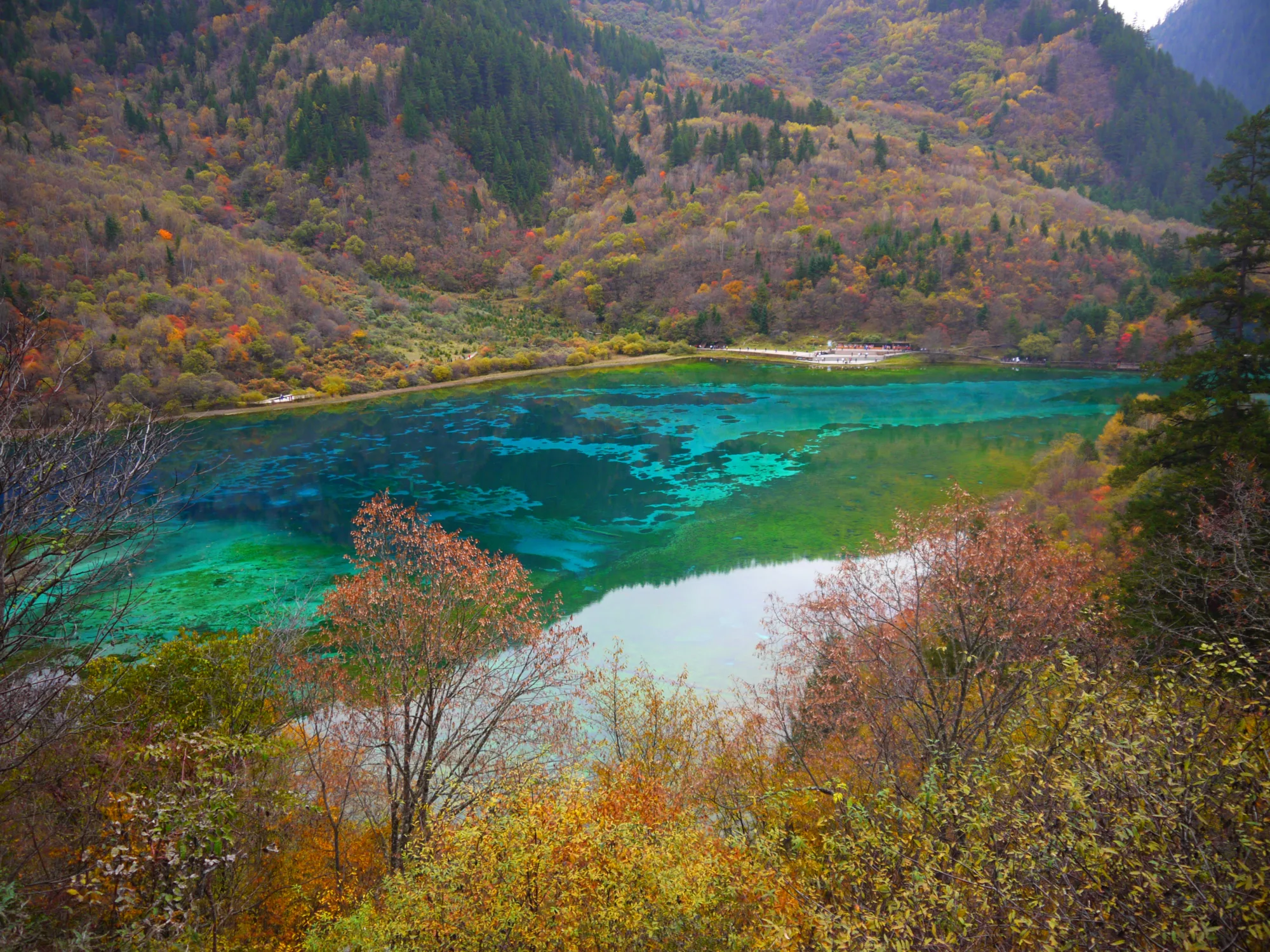
- Jiuzhaigou: a national park in the north of the province with colored lakes and waterfalls; altitude from two to over three thousand meters.
- The 2017 earthquake: the park was closed, and after reopening there are limits on the number of visitors and some routes; check the current status before your trip.
- The road: from Chengdu to Jiuzhaigou — several hours by car or a short flight; choose by time and weather.
- Best time: autumn (September–October) for Jiuzhaigou; spring and autumn for Chengdu.
- Main tip: build a reserve into the route for the road and adaptation to altitude.
Chengdu: a city that the Chinese love too
Chengdu is one of China’s most pleasant large cities. It has an unhurried rhythm of life, a mild climate and the fame of the capital of tasty food. The main symbol is the giant pandas, for which the city has a research breeding center; read more in our piece on pandas in China. But Chengdu is also tea courtyards: in parks and in the inner courtyards of old quarters people sit for hours with tea, play mahjong and talk. Try sitting in such a café for a couple of hours — it is the best way to understand the city. In the evening Chengdu comes alive: cafés and restaurants work in the streets and lanes, and on weekends families stroll along the embankments. For evening entertainment watch Sichuan opera with mask changing: details are in our guide to Sichuan opera.
What to see in Chengdu and its surroundings
The Panda Breeding Center. The main date with the pandas. Come at opening: in the morning the animals are more active, eating bamboo and playing, while by day they more often sleep. Tickets are sold online, in high season it is better to buy in advance.
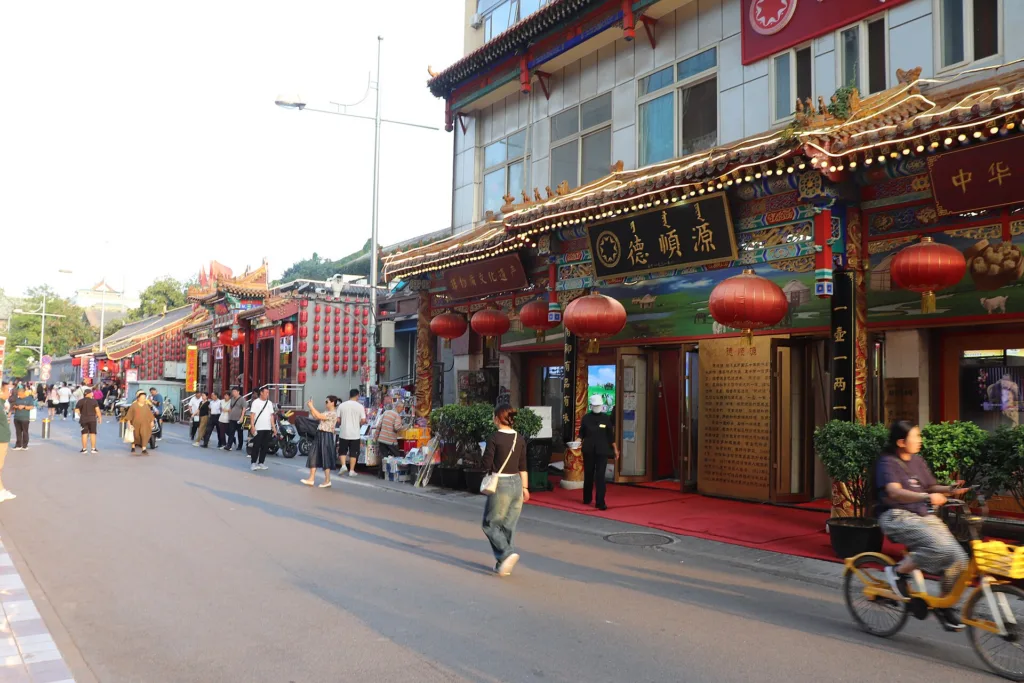
The Kuanzhai Alleys. Restored old quarters with Qing-era houses, cafés, shops and tea houses. A touristy and crowded place, but beautiful, and in the evenings with lighting.
Wenshu Temple. An active Buddhist monastery in the center of the city: silence, the scent of incense and a tea courtyard at the temple. A good option when you are tired of the bustle.
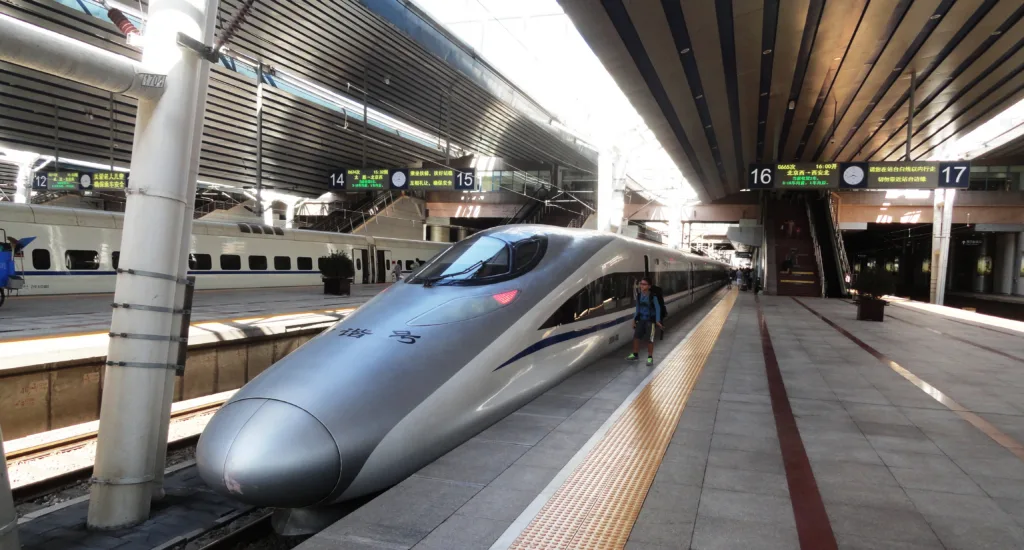
The Dujiangyan irrigation system. An ancient hydraulic structure of the 3rd century BC that still works and is on the UNESCO list. Here you can understand how ancient engineers managed the river. You can get there from Chengdu by high-speed train in about half an hour.
The Sanxingdui Museum. An archaeological museum with mysterious bronze masks and objects of an ancient civilization found near Chengdu. A place for those interested in China’s early history.
Sichuan’s fiery cuisine
Sichuan is China’s gastronomic capital, and here you should not skimp on time for food. The main feature of the local cuisine is a combination of spicy and numbing flavors: chili pepper and Sichuan pepper “huajiao”, which causes a slight tingling in the mouth. Be sure to try hotpot — the Sichuan pot with boiling broth into which meat, vegetables and mushrooms are dipped; “mapo tofu” — tofu with spicy sauce and minced meat; “kung pao” — chicken with peanuts; “dandan mian” — noodles with a spicy sauce; “shuizhu yu” — fish in spicy broth. If you don’t like spicy food, ask for “weila” — lightly spicy — or “bu la” — not spicy. Beginner gourmets should choose the “yuan yang” broth — a double pot where one half is spicy and the other is not. Don’t forget tea and sweets: for example “xue gao” — snow desserts and rice cakes.
The Giant Buddha in Leshan and Mount Emei
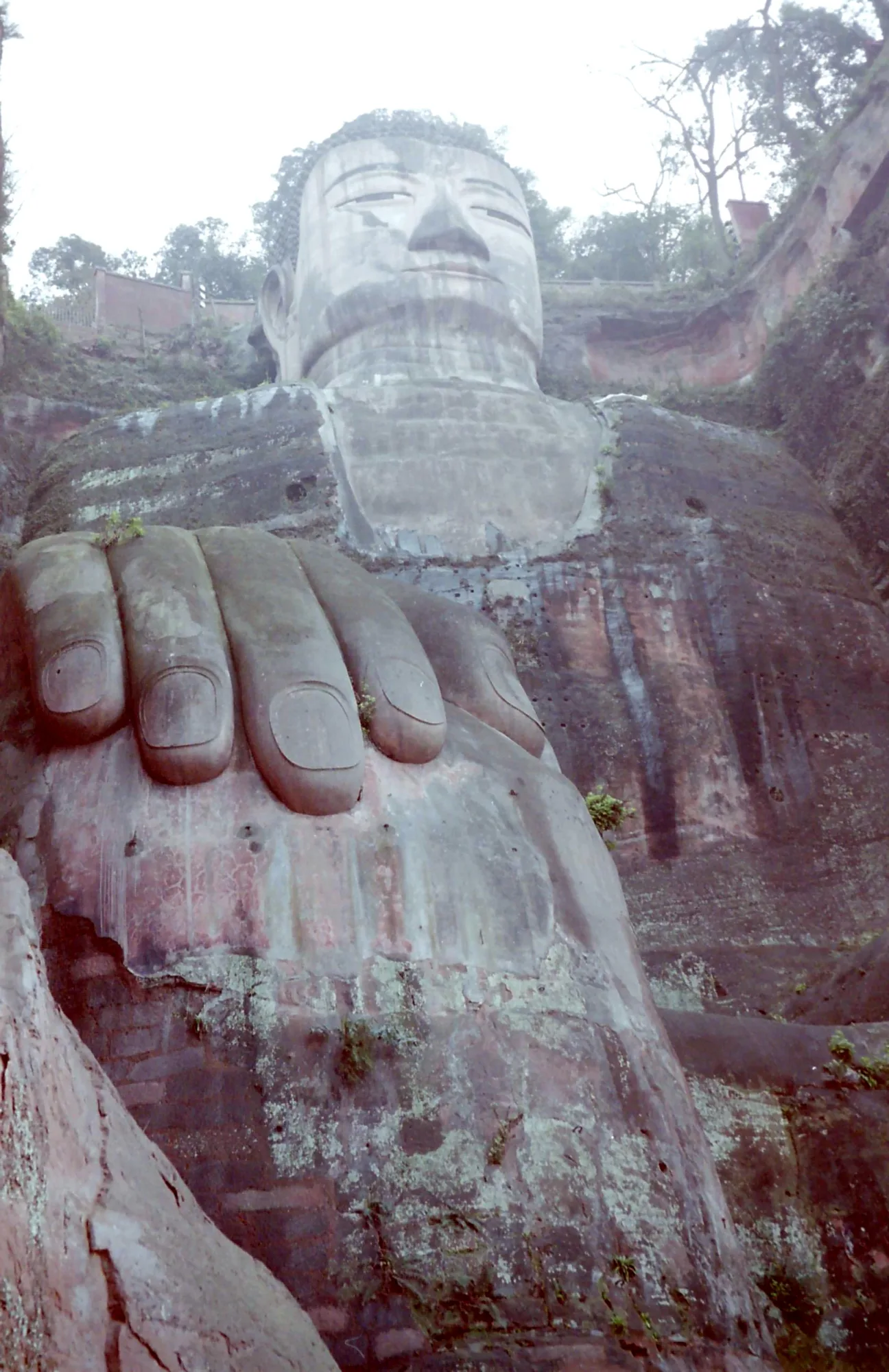
A few hours’ drive from Chengdu is Leshan, where on the riverbank one of the world’s largest Buddha statues is carved — about seventy-one meters tall. Carving began in the 8th century to tame the turbulent waters, and building took almost ninety years. You can look at the statue from above, going down a narrow staircase to its feet, or from the water from a pleasure boat. It can be crowded here, so arrive at opening. Nearby is Mount Emei — one of China’s four sacred Buddhist mountains: temples in the forests, monkeys on the paths and views of clouds. These two places are often combined into one trip with an overnight stay.
Jiuzhaigou: the valley of nine villages
The name “Jiuzhaigou” translates as “the valley of nine Tibetan villages”, and the park really lies at the junction of Chinese and Tibetan cultures. Its fame is in lakes and waterfalls with unusually clear and multicolored water, shimmering from turquoise to blue and green because of minerals, algae and depth. The main points are Five Flower Lake, Long Lake, Pearl Shoal Waterfall and Mirror Lake. The valley has the shape of the letter Y, and the route passes along several branches between which eco-friendly buses run. In autumn, when the foliage turns yellow and red, the park is especially beautiful, but also especially crowded.
An important nuance: in 2017 a strong earthquake occurred in the area, after which the park was closed for restoration. Later it reopened, but with restrictions: some routes and sites may be unavailable, and the number of visitors per day is limited. Tickets are, as a rule, sold online by passport, for certain dates, and in season they are snapped up in advance. Be sure to check the current status, the route map and the rules on official resources and with your hotel before buying transport tickets.
Huanglong: limestone terraces
Not far from Jiuzhaigou is another natural wonder — Huanglong, the “Yellow Dragon”: a long valley with limestone terraces filled with colored water that stretch along the slope like a dragon’s scales. Huanglong is even higher than Jiuzhaigou, so the altitude is felt more strongly: a cable car ride up, and then a walk along wooden paths. It is important here not to hurry and to dress well: at altitude it is cool and windy. Many tourists combine Huanglong and Jiuzhaigou in one trip.
Tea courtyards: how to spend two hours there
Tea courtyards are the heart of everyday life in Chengdu. They are usually open areas in parks and old quarters, with bamboo chairs and low tables. Order tea in a glass with a lid: the waiter will bring a thermos of boiling water and keep topping it up as much as needed. With tea you can take sunflower seeds, nuts and sweets. In such places visitors usually play mahjong and cards, read, chat or simply look around. Sometimes craftsmen work in the courtyard who for a small fee clean ears with traditional tools — it is local exotica, and whether to try it is up to you. The main thing is not to hurry: the goal here is not to drink tea but to spend time.
Hotpot without mistakes
The Sichuan pot is not just dinner but a whole ritual. You choose the broth — spicy, not spicy or double — and then order the ingredients: thinly sliced meat, tofu, mushrooms, vegetables, noodles. Each ingredient cooks for its own time, so ask the waiter how long to wait. For the dipping sauce take sesame oil, garlic and cilantro — it will soften the heat. Don’t overdo it: Sichuan spiciness is noticeably stronger than the usual European one, and the next morning you may regret it. Drink more water and tea, and for dessert take something cool. If you are traveling with children, choose places with a non-spicy broth and ask to divide the pot into two parts.
Pandas: how to see them at their best
Pandas are Chengdu’s main stars, and the best time to meet them is early in the morning, soon after opening: then the animals are still lively, eating bamboo and playing. By noon, especially in hot weather, many go into the shade and sleep. Come at opening, choose weekdays and don’t count on close contact: the bases are intended for observation, not for play. Don’t make noise, don’t use flash and don’t feed the animals. About the ethical sides and the visiting rules, read our piece on pandas in China. With children plan breaks and check whether transport runs on the territory, to save energy.
For photographers: lakes, mist and cliffs
Jiuzhaigou is a rewarding place to shoot, but it requires patience. The best shots come in the morning, when the air is clean and the lakes are still calm, and closer to evening, when the light is soft. A polarizing filter enhances the colors of the water and removes glare. Use a tripod on the paths, but don’t block the way. In autumn the main shots are yellow and red trees reflected in the lakes, in winter — waterfalls covered in ice. In Leshan look for angles from above and from the water, and in Chengdu — scenes in tea courtyards and evening streets. Always ask permission if you are photographing people in close-up.
With children and with parents
Chengdu suits families: there are pandas, parks and understandable food. For Jiuzhaigou and Huanglong with children and elderly parents you need preparation: altitude, long routes and cold. Choose unhurried sections where buses run, make stops, bring warm clothes and water. If someone tolerates altitude poorly, replace Huanglong with a quiet day in Chengdu. Remember that the road takes a lot of time, and children get tired on the way, so bring games and a snack. Don’t try to see everything at once: it is better to choose the main points and leave time for rest.
How to get there: Chengdu — Jiuzhaigou
There are two main options. The first is a flight from Chengdu to the airport near Jiuzhaigou and Huanglong; the flight is short but depends on the weather, and flights are often delayed because of fog and cloud. The second is the road by bus or car through the mountains: it takes several hours and passes along picturesque but winding sections; in bad weather and in the rainy season landslides and road closures are possible. The choice depends on time and weather. If you are afraid of motion sickness, take medicine and tell the driver in advance. Check the forecast and leave a reserve of time for the return: do not plan important connections for the same day.
Altitude and health
Chengdu lies low, at about five hundred meters above sea level, while Jiuzhaigou and Huanglong are at an altitude of two to four kilometers. The difference is felt: headache, shortness of breath and weakness are possible. Don’t hurry, drink water, eat light food and avoid alcohol in the first days. If you have heart and lung problems, consult a doctor before the trip. Bring warm clothes: even in the warm months it is cool in the mountains. The sun at altitude is intense, so you need sunscreen, glasses and a hat. Plan the loads in advance and don’t schedule the hardest days back to back.
When to go
Chengdu is good in spring and autumn; summer is hot and humid, and winter is overcast and damp. For Jiuzhaigou the best time is September and October: autumn colors and a clear sky, but also crowds, especially in the holiday week at the beginning of October. Spring is the season of blossoms, and summer of greenery and rain. In winter the park is covered with snow, some lakes freeze and the waterfalls turn into ice sculptures: beautiful and uncrowded, but cold and not all routes are available. About the country’s seasons, read the piece China’s seasons, about payments in payments in China, and about high-speed trains in high-speed trains.
Where to stay
In Chengdu it is convenient to stay in the center, near the metro: that way you can easily reach the pandas, the old quarters and the stations. Good options are boutique hotels in old houses, which combine atmosphere and comfort, as well as large hotels by the metro. In Jiuzhaigou the hotels are in the village at the park entrance; it is best to stay here for one or two nights, to enter the park in the morning without haste. Book in advance for the autumn season and holiday weeks, and choose options with free cancellation.
Three ready routes
“Chengdu in 3 days”. Pandas in the morning, the Kuanzhai Alleys and Sichuan opera in the evening, a day at Dujiangyan or Leshan.
“Sichuan classic” — 6–7 days. Chengdu, Leshan, then a flight or trip to Jiuzhaigou with an overnight stay and a day in the park.
“Sichuan and the mountains” — 9–10 days. Chengdu, Emei and Leshan, Jiuzhaigou and Huanglong, and then rest in Chengdu before the flight.
Hotels in Chengdu
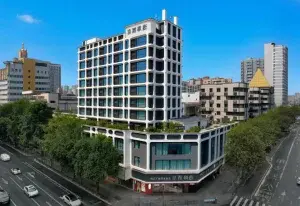
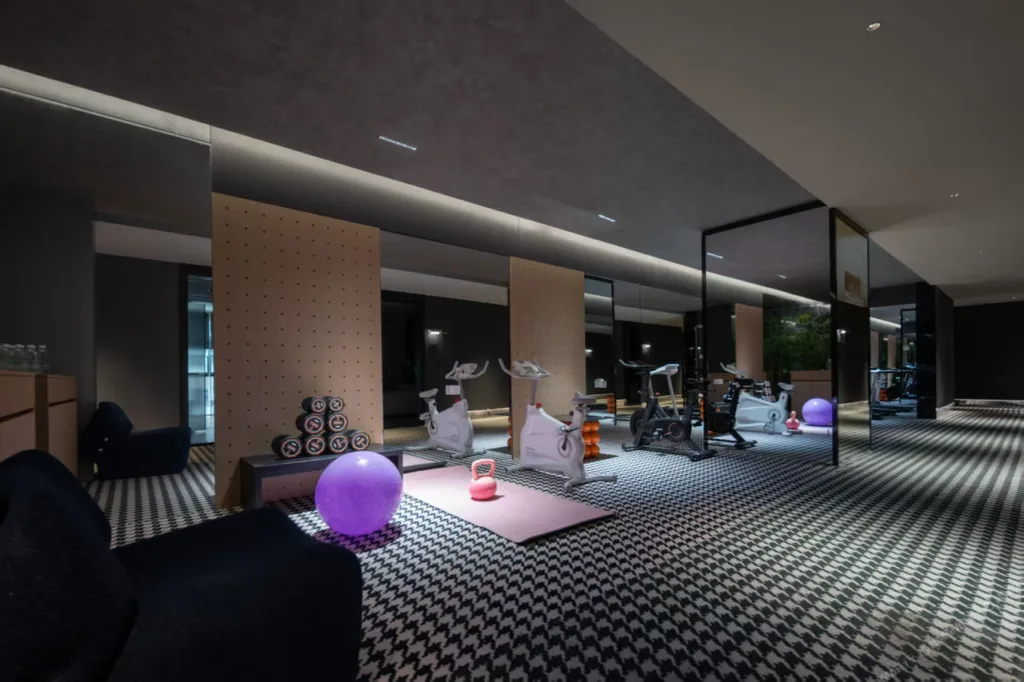
Below is a selection of hotels from our database in Chengdu. Look at the reviews and the “Hotel Health”, check the distance to the metro and the conditions of transfer to the station and the airport.
FAQ
How many days are needed for Chengdu and Jiuzhaigou? Optimally six to eight days: three for Chengdu and its surroundings, the rest for Jiuzhaigou with the road.
Is Jiuzhaigou open after the earthquake? The park is open with limits on the number of visitors and routes; check the current status before your trip.
When is it better to go? To Jiuzhaigou — in September–October, but remember the crowds; to Chengdu — in spring and autumn.
How do I get there? By plane from Chengdu or by car through the mountains, choose by weather and time.
Do I need tickets in advance? Yes, especially in season: tickets to the park and to the pandas are better booked online.
What should I try? Hotpot, mapo tofu, kung pao, dandan mian and Sichuan desserts.
Park entry rules, prices and transport schedules may change — check the current information with your hotel and on official resources.
Chengdu hotels: all hotels · near Chunxi Road.