Tokyo's most expensive hotels: Aman Tokyo, Janu Tokyo and Bvlgari Hotel Tokyo — nightly price guides, districts, rooms, restaurants, guest reviews and tips on how to choose and not overpay.
Tokyo is a city where records can be set vertically. The most expensive rooms here are not in ancient palaces but under the clouds: on the thirtieth and fortieth floors of skyscrapers, from which you can see the Imperial Palace, Mount Fuji and the red lights of Tokyo Tower twinkling at night. For such height, quiet and service Japanese hotels charge sums that make an unprepared traveller raise their eyebrows: the guide today is about one hundred and forty to one hundred and fifty thousand roubles a night in the simplest room, and cherry blossom season and big holidays push prices higher still. What do you get for this money and how do the three main flagships — Aman Tokyo, Janu Tokyo and Bvlgari Hotel Tokyo — differ? Why do some guests call them the best hotels of their lives, and others “expensive and a little cold”? And how can you tell whom they are made for? This article is an honest comparison of Tokyo’s three most expensive hotels: prices, districts, rooms, restaurants, real guest reviews and advice on how not to be disappointed.
- Aman Tokyo — the upper floors of the Otemachi Tower, Chiyoda district; the guide is about 142 thousand roubles a night.
- Janu Tokyo — the Azabudai Hills complex, Minato district; the guide is about 146 thousand roubles a night.
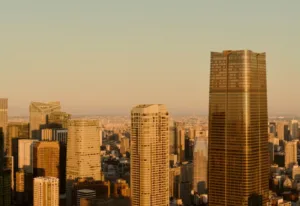
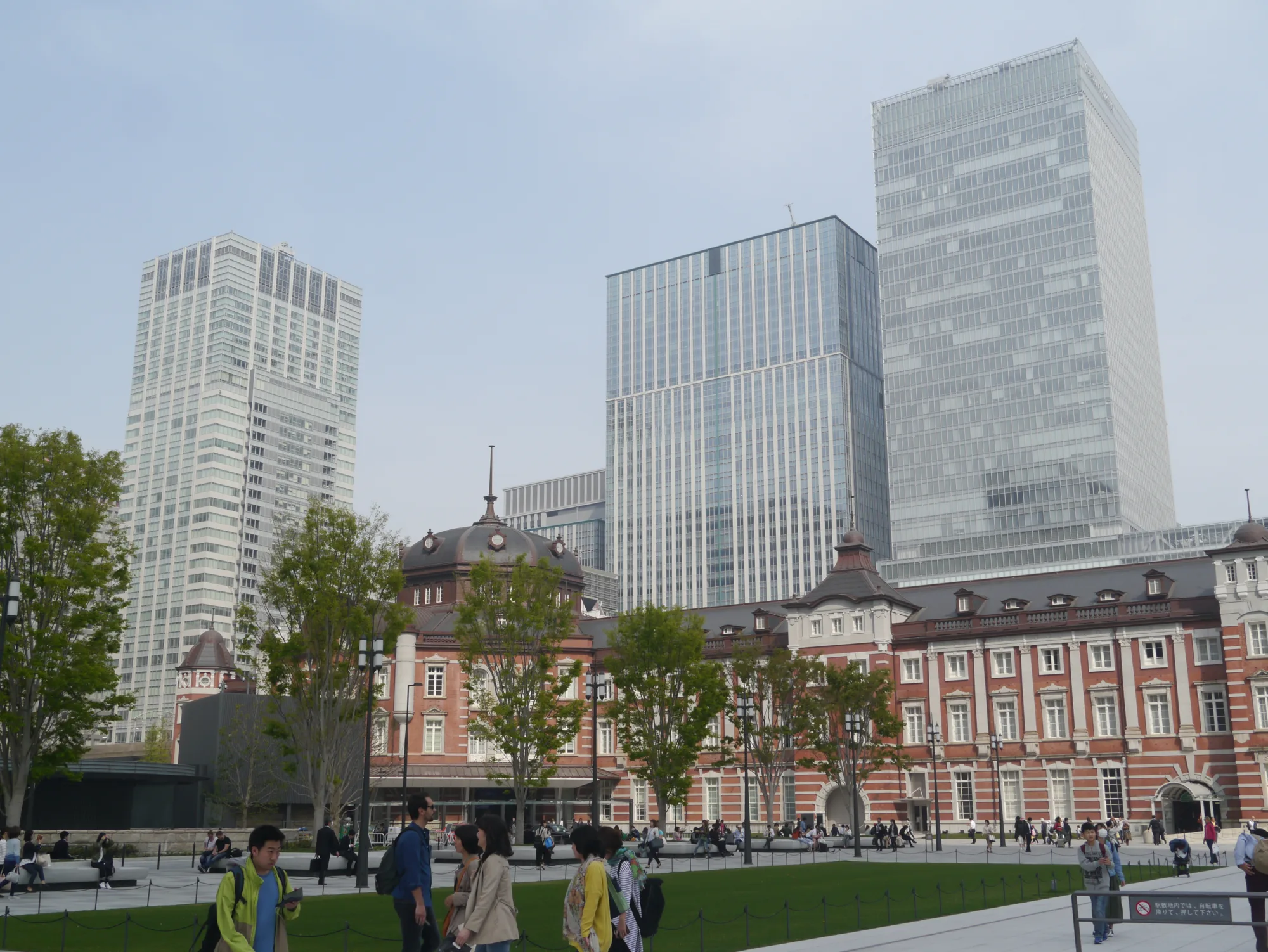
- Bvlgari Hotel Tokyo — floors 40–45 of Tokyo Midtown Yaesu above Tokyo Station; the guide is about 148 thousand roubles a night.
- How to read the prices: these are the minimum prices at the time Trip.com data was collected; they change by date and season.
- Who each is for: Aman — quiet and Japanese aesthetics, Janu — a new district and dynamism, Bvlgari — Italian chic and a view of the station.
- Main tip: choose not by price but by district and the aim of the trip.
Why Tokyo is so expensive
There are two reasons for the high prices. The first is the price of the place itself: land in central Tokyo is among the most expensive in the world, so luxury hotels occupy the upper floors of skyscrapers, where each room costs as much as a separate flat. The second is the standard of service: in Japan it is called “omotenashi”, hospitality that anticipates wishes. In such hotels there are several staff members for each guest, and the restaurants and bars are run by well-known chefs. Add seasonality: in spring, in the cherry blossom season we covered in detail in the guide Cherry Blossoms in Japan 2027, and in autumn prices rise, while in quiet weeks noticeably better offers can be found. So the sums below are guides at the time the data was collected.
Comparison table
| Hotel | District | Guide price per night | Guest rating |
|---|---|---|---|
| Aman Tokyo | Chiyoda, Otemachi | about 142 thousand ₽ | 4.8 out of 5 |
| Janu Tokyo | Minato, Azabudai Hills | about 146 thousand ₽ | 4.9 out of 5 |
| Bvlgari Hotel Tokyo | Chuo, Yaesu | about 148 thousand ₽ | 4.8 out of 5 |
Data is from Trip.com at the time of collection; the actual price depends on the date, room type and rate terms.
Aman Tokyo: quiet above the imperial gardens
Aman Tokyo is the flagship with which Tokyo’s acquaintance with the Aman brand began. The hotel is located in the Chiyoda district, in the Otemachi business quarter, on the upper floors of a skyscraper; the palace gardens and the main station are right here. Its philosophy is Japanese restraint: dark wood, washi paper, stone and a lot of empty space. According to Trip.com, the hotel has a pool with a view, a spa, massage rooms and a fitness room, as well as a restaurant and café. The price guide is about 142 thousand roubles a night, the guest rating 4.8 out of 5.
Who it suits. Those who seek quiet and “zen” in the centre of a metropolis, dislike glitz and noise and are ready to pay for space. If you want to understand what Japanese luxury looks like without extra decoration, this is for you. We wrote in detail about the history and spirit of the brand in a separate article, Aman Tokyo.
Janu Tokyo: a young Aman in the district of the future
Janu Tokyo is the second, more “urban” line of the Aman brand, which opened in the Azabudai Hills complex in the Minato district, near Tokyo Tower. Everything here is arranged in a more modern and faster way: beneath the hotel is a pedestrian street with boutiques, a supermarket and cafés, and the rooms are spacious, with a balcony and smart lighting control. Guests praise the large pool, the well-equipped gym and the breakfast on the fourth floor, which is called one of the best in Tokyo; the restaurant programme includes Italian cuisine and sushi omakase. More on the hotel page Janu Tokyo: it collects photos, real reviews and the “hotel health”.
Who it suits. Those who want to live in the newest and most fashionable district, value convenience and don’t mind lively city energy. The hotel suits business trips and those who like to browse shops and dine near where they stay.

Bvlgari Hotel Tokyo: Italian chic above the station
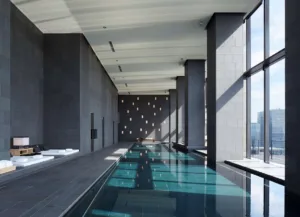
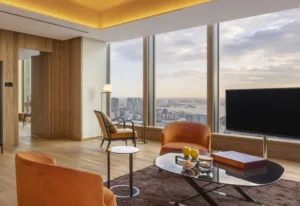
Bvlgari Hotel Tokyo occupies floors 40–45 of the Tokyo Midtown Yaesu skyscraper, right above Tokyo Station. There are 98 rooms in all, the smallest from 51 square metres; the finish includes Italian furniture, Carrara marble and the brand’s fragrances, and in the evening tea candles are brought to the room. A special pride is the 25-metre pool with a panoramic window onto the city. The restaurant side includes Sushi Hoseki with eight seats, where the omakase is prepared by a chef at the counter, and an Italian restaurant by chef Niko Romito. More on the page Bvlgari Hotel Tokyo. The price guide is about 148 thousand roubles a night.
Who it suits. Lovers of Italian style and a city view; those who often travel by bullet train and value a location right at the station. One nuance from the reviews: a guest who ended up in a room on a lower floor wrote that the windows overlook the railway tracks and the noise interfered with sleep. So when booking ask for a high floor and check the view.
What you are really paying for
If you set the brand aside, the price is made up of several parts. Space: rooms in such hotels are larger than the Tokyo average, and the public areas are roomy. Height and view: upper floors give a panorama that cannot be bought in an ordinary hotel. Cuisine: the restaurants here are not “at the hotel” but independent venues with well-known chefs, so dinner often costs extra and is not cheap. Service: staff know your preferences, help with tickets and logistics, arrange trips and transfers. And finally, the brand: the name Aman or Bvlgari is reputation and status. If you value all that, the price is justified; if you just want to get a night’s sleep in a clean room, it is more sensible to choose simpler hotels.
How to save without losing quality
Luxury does not have to be maximally expensive. A few ideas. Book in cooler and “quiet” weeks: outside the cherry blossom season and autumn holidays prices are noticeably lower. Choose not the largest room but one with a good view: the price difference between categories can be significant. Look for rates with breakfast or packages with dinner if restaurants are in your plans. Check loyalty programmes and special offers: luxury chains regularly run promotions. If you want to feel Japanese style for less, look at ryokan and small boutique hotels: for example, HOSHINOYA Tokyo is an urban ryokan with an onsen, with a price guide of about 70 thousand roubles a night.
How to choose between the three hotels
Answer three questions. What matters more to you: quiet or dynamism? If quiet and Japanese aesthetics, Aman Tokyo; if a modern district and energy, Janu; if the station, trains and Italian chic, Bvlgari. How do you plan to travel? If you travel a lot around the country, a location by Tokyo Station is a big plus. What is the make-up of your trip? For a couple on an anniversary any of the three will do, for a business trip Janu or Bvlgari, for a rest in quiet Aman. And remember: even the best hotel will not replace a good programme in the city, so plan your days in advance: some ideas are in our article on Japan events in 2027.
Tokyo for luxury guests: what to do besides the hotel
A luxury hotel is a base, not a goal. In the morning go to a park or garden: Tokyo has plenty of quiet corners where you can be alone before the working day begins. In the daytime head to museums and neighbourhoods; for the city’s districts read the article on Tokyo’s districts. In the evening choose a dinner at a restaurant that should be booked weeks ahead, and for the next day a trip out of the city: if you have a free day, think about the flower exhibition in Yokohama — GREEN×EXPO 2027. For the city’s nightlife see our overview of nightlife in Tokyo and Osaka.
For couples, business trips and families
A romantic trip. For an anniversary or honeymoon the view, quiet and a good dinner matter. Aman Tokyo with its restrained atmosphere suits those who need seclusion; Bvlgari those who want an evening with a view of the city lights and an Italian dinner. Ask for a room on a high floor and book a restaurant table in advance, mentioning the occasion: luxury hotels often prepare a small surprise.
A business trip. The main things here are location and speed. Bvlgari is opposite Tokyo Station and Aman is in the Otemachi business quarter, so you can walk to meetings. Janu is convenient for those whose negotiations are in the Roppongi and Azabu area. Check the availability of work areas and connectivity, and the restaurants’ breakfast hours.
A family holiday. All three hotels accept guests with children, but the space and rules differ. Janu’s spacious rooms with a balcony are convenient for families, and the large pool and proximity of shops make the day easier. Check the policy on children’s cots, meals and age restrictions in the spa and pool before booking.
How to book a luxury hotel in Tokyo without mistakes
A few simple rules will help you avoid losing money and nerves. Book in advance: for spring and autumn the best room categories go months ahead. Compare rates: the same room can cost different amounts depending on the cancellation terms and included services. Read the cancellation terms: at the most expensive hotels they can be strict, and the penalty for cancelling significant. Check the list of services: breakfast, transfer, spa access. Request a quiet room and the view you want in writing and save the confirmation. And take out insurance covering trip cancellation: at such sums it is justified.
What to expect from breakfast and the restaurants
Gastronomy in Tokyo’s luxury hotels is a separate reason to travel. Breakfasts are Japanese, Western and mixed; in guest reviews of Janu a wide choice on the fourth floor is noted, and at Bvlgari refined evening snacks, although breakfast seemed more modest to some than at other hotels of the brand. Eight-seat sushi omakase is a dinner for which you need to book a table in advance: there are few seats, and the programme is designed for a certain time. Don’t hesitate to mention dietary restrictions in advance: Japanese restaurants take them seriously, but replacing the main ingredients can be hard. Bear in mind that the cost of dinner in hotel restaurants is most often not included in the room price and makes up a noticeable part of the trip budget.
Tokyo by season: when prices and impressions are better
Spring with cherry blossom is the most beautiful and the most expensive time. Summer is hot and humid, but evenings on terraces are pleasant, and prices are sometimes lower. Autumn with red maples and a clear sky is the second most popular season. Winter is dry and transparent: it is in these months that Mount Fuji is best seen from the high floors, while the festive weeks at the end of December – early January can be the most expensive. Choose the time according to your goals: if you want a view of Fuji, winter gives better chances; if blossom, you need spring. A calendar of other reasons for a trip is in our overview of Japan events in 2027.
Practical details
Check-in at such hotels is usually at three in the afternoon and check-out around noon; early check-in is possible on request. The transfer from Haneda airport takes about twenty minutes by car, from Narita about an hour to an hour and a half; a car can be arranged with the hotel in advance. Dress in restaurants is “smart casual”: shorts and flip-flops are best left for the pool. It is worth booking the hotel restaurants in advance, especially sushi omakase with a few seats. Pets are not accepted at Janu, and check the other rules before booking. For payment questions and connectivity see our articles on payments in Japan and konbini: even in luxury, small cash is sometimes needed.
And finally: don’t turn the trip into a competition on cost. Tokyo has hotels where a night costs several times less, and the impressions of the city are no worse: what matters is that the room, district and service match your expectations. If you want to try luxury once, choose one or two nights in the best hotel and spend the remaining days in a more modest place — that way you will feel the difference and not spend the whole budget of the trip.
FAQ
Which hotel in Tokyo is the most expensive? According to Trip.com data at the time of collection, the three most expensive are Aman Tokyo, Janu Tokyo and Bvlgari Hotel Tokyo; prices are close and depend on the date.
How does Janu differ from Aman? Janu is a more “urban” and dynamic line of the brand, Aman Tokyo the classic with an emphasis on quiet.
Where is Bvlgari Hotel Tokyo? On floors 40–45 of the Tokyo Midtown Yaesu skyscraper, right opposite Tokyo Station.
Is there a pool? Yes, in all three; Bvlgari has a 25-metre indoor pool with a panoramic window.
When are prices higher? In cherry blossom season, in autumn and on festive weeks.
Can I stay for less while keeping the style? Yes, for example in an urban ryokan like HOSHINOYA Tokyo or in boutique hotels.
Prices are guides based on Trip.com data at the time of collection; the actual cost, terms and services depend on the date and rate — check when booking.