China's most expensive hotels: Amanyangyun, Amandayan, Amanfayun, Capella Shanghai, Bvlgari Shanghai and Beijing, The Dali EDITION — nightly prices, character and guest reviews.
China is a country where luxury long ago stopped being a borrowed idea. Over the last twenty years hotels have grown up here that exist nowhere else: a Ming-era village moved whole to near Shanghai together with its centuries-old camphor trees; a quiet courtyard by the gates of the imperial Summer Palace, where courtiers once lived; a loft in an old lane of the French Concession; a hotel above the old town of Lijiang from which a snow-capped mountain is visible. Prices match the scale: from sixty to over eighty thousand roubles a night, and in some categories much more. What is hidden behind these sums? How does Amanyangyun differ from Amanfayun, why go to Lijiang for Amandayan, and which hotel to choose for a first trip to Shanghai or Beijing? This article covers China’s most expensive hotels according to Trip.com data at the time of collection: nightly prices, the character of each place, real guest reviews and advice on choosing.
- The highest price in the database: The Grand Suites at Four Seasons in Macau (about 240 thousand ₽ a night — a category of luxury suites, with few reviews so far).
- Among hotels with many reviews: The Dali EDITION (about 85 thousand), Amandayan (about 83 thousand), Amanyangyun (about 82 thousand), Amanfayun (about 78 thousand), Capella Shanghai (about 74 thousand).
- City luxury: Bvlgari Hotel Shanghai (about 68 thousand), Bvlgari Hotel Beijing (about 57 thousand).
- How to read the prices: minimum values on Trip.com at the time of collection; higher on holidays and in season.
- Season: spring and autumn are best; during October’s Golden Week and the Spring Festival prices are higher and crowds bigger.
- Main tip: choose not by brand but by the idea of the place: a village, a palace, a lake or mountains.
Why Chinese luxury is special
International brands came to China with ready-made standards, but quickly realised that copying beach resorts makes no sense: local guests and foreigners look for history and culture. That is why the most noticeable projects are built around architectural heritage: relocated houses, restored courtyards, old lanes and temple villages. Luxury here is not only spacious rooms but also access to tea ceremonies, calligraphy, classes in local crafts and garden art. Add the specifics of the country: huge distances, gigantic cities and strict seasonality, and you will understand why prices vary so much. When planning a trip it is useful to look at the calendar and festivals: China events in 2027 and Chinese New Year.
Comparison table
| Hotel | City | Guide price per night | Guest rating |
|---|---|---|---|
| The Grand Suites at Four Seasons | Macau | about 240 thousand ₽ (suites) | 5.0 |
| The Dali EDITION | Dali | about 85 thousand ₽ | 4.8 |
| Amandayan | Lijiang | about 83 thousand ₽ | 4.8 |
| Amanyangyun | Shanghai | about 82 thousand ₽ | 4.9 |
| Amanfayun | Hangzhou | about 78 thousand ₽ | 4.7 |
| Capella Shanghai Jian Ye Li | Shanghai | about 74 thousand ₽ | 4.8 |
| Bvlgari Hotel Shanghai | Shanghai | about 68 thousand ₽ | 4.8 |
| Bvlgari Hotel Beijing | Beijing | about 57 thousand ₽ | 4.8 |
| Aman Summer Palace | Beijing | from 38 thousand ₽ (minimum) | 4.9 |
Data is from Trip.com at the time of collection; the actual price depends on the date, category and rate terms.
Shanghai and surroundings: Amanyangyun, Capella and Bvlgari
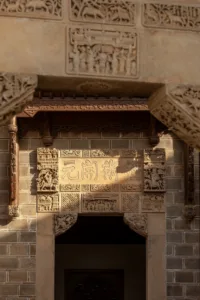
Amanyangyun is one of the most unusual hotels in the world. It was built around a village brought from Jiangxi province: old Ming and Qing houses and centuries-old camphor trees were moved to near Shanghai and restored. The hotel is outside the city, so it is quiet here. The price guide is about 82 thousand roubles a night, the guest rating 4.9, the “health” 4.9 from 95 reviews. More in the article Amanyangyun and on the hotel page.
Capella Shanghai Jian Ye Li is a hotel in the old shikumen houses of Jian Ye Li lane in the French Concession. There is an intimate atmosphere and a high level of service; the guide is about 74 thousand, the “health” 4.9 from 80 reviews. More — Capella Shanghai and the hotel page.
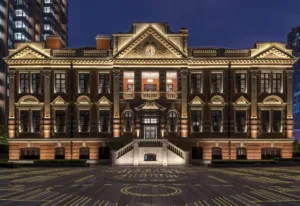
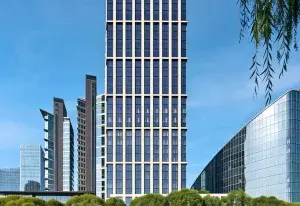
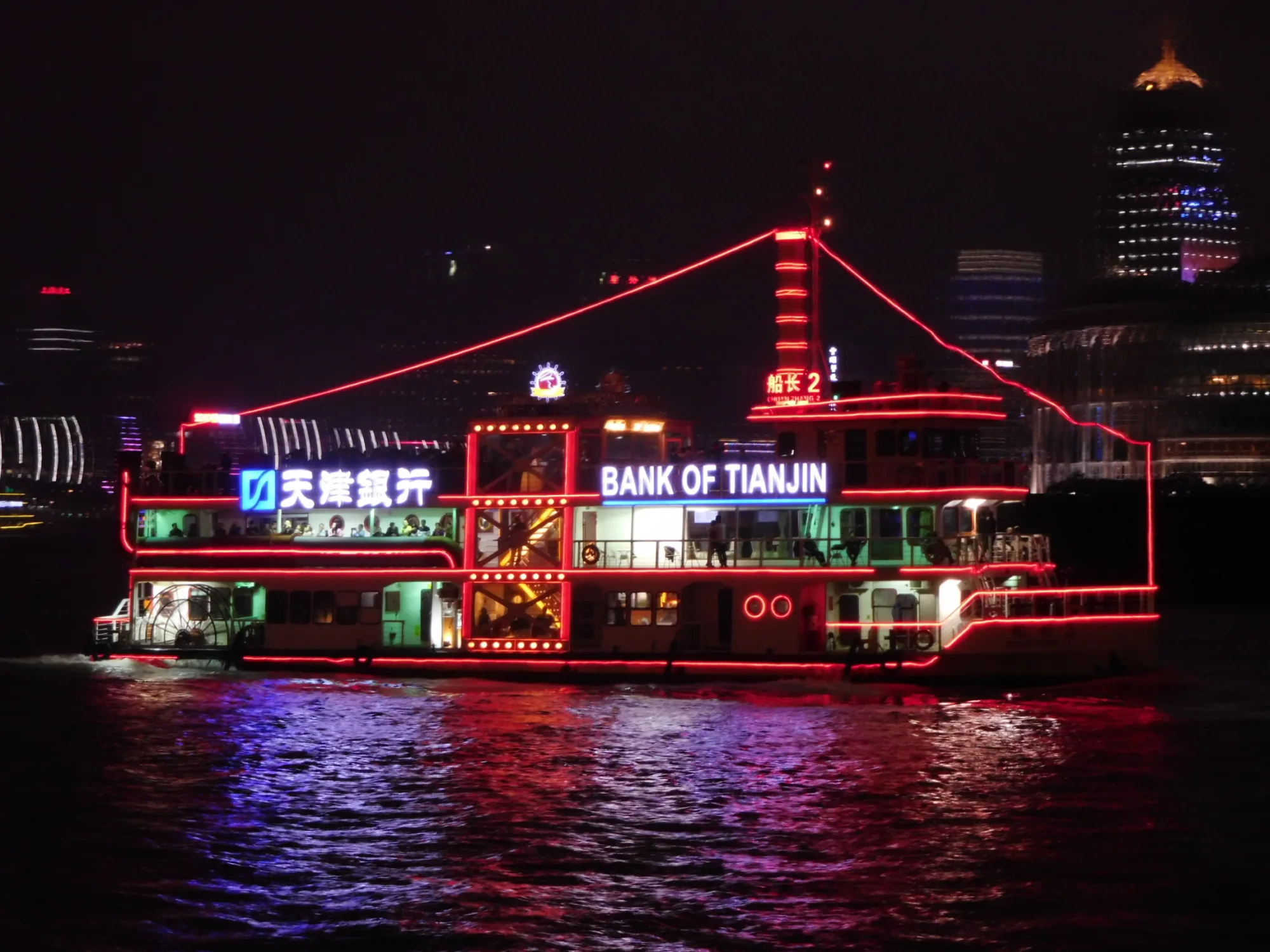
Bvlgari Hotel Shanghai is a new hotel in our database by Suzhou Creek with a view of the Waitan: butlers, a bar on the 47th floor and 24-hour room service. Guests praise the view and the service, but some complain of a decline in service and delays at check-in. The guide is about 68 thousand roubles. Page: Bvlgari Hotel Shanghai. For the history of the district read the articles on Broadway Mansions and Waldorf Astoria.
Beijing: Aman Summer Palace and Bvlgari
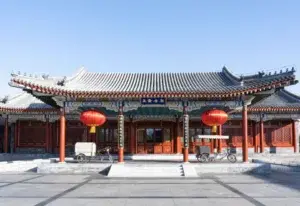
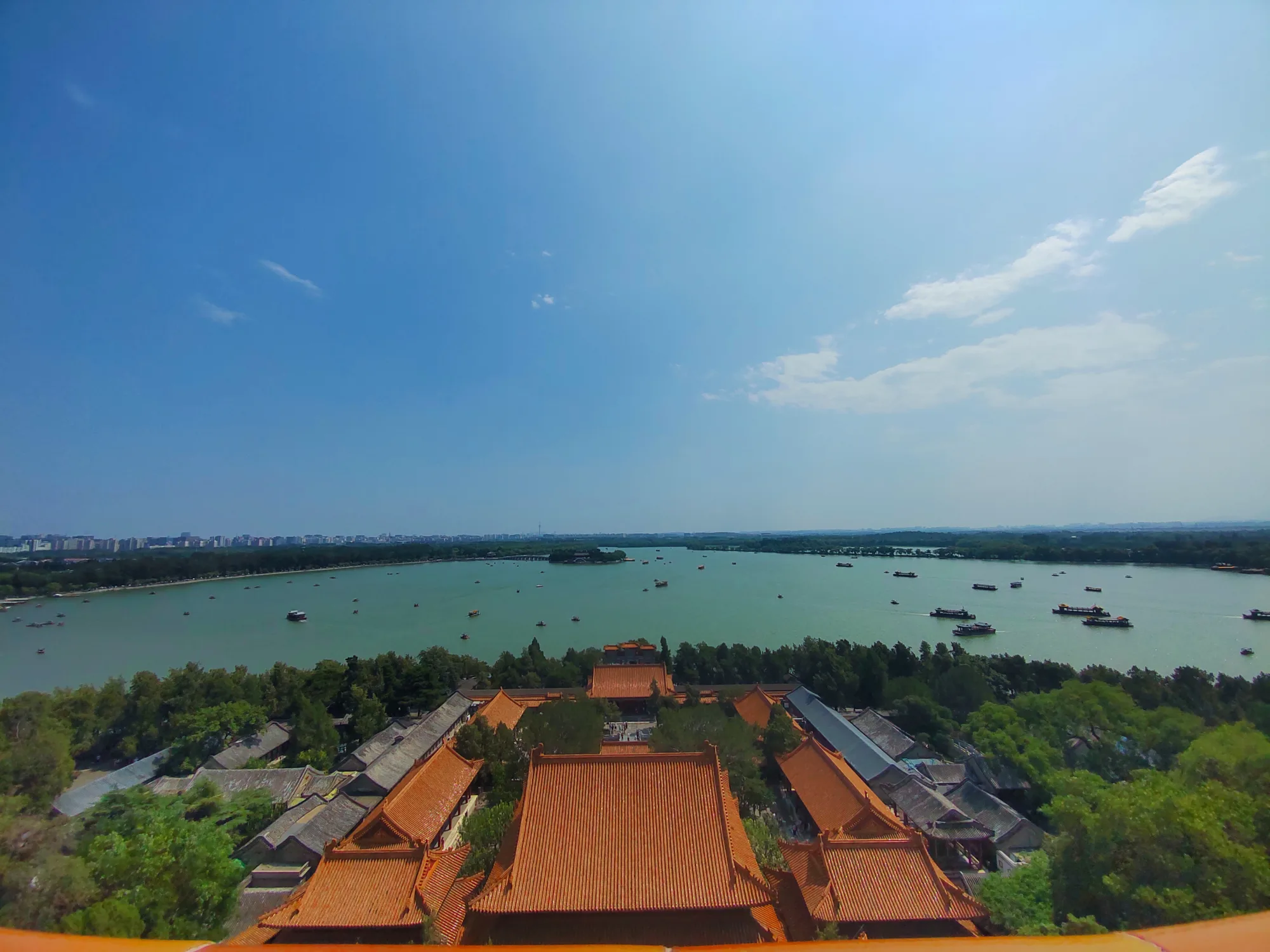
Aman Summer Palace stands at the gates of the imperial Summer Palace: guests are housed in former courtiers’ pavilions, and the grounds are designed for a small number of guests. The minimum price in the database is about 38 thousand roubles, but this is not a “cheap” option: categories and seasons give a large spread, and the guest rating is 4.9 from 87 reviews. More in the article Aman Summer Palace and on the hotel page. Bvlgari Hotel Beijing is a modern city hotel (the guide is about 57 thousand, the “health” 4.8 from 174 reviews). Beijing with its palaces, parks and the Great Wall: if you are going for the first time, first read our overview of the Great Wall. Page: Bvlgari Hotel Beijing.
Hangzhou, Lijiang and Dali: luxury in nature
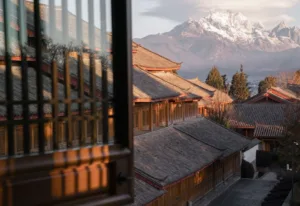
Amanfayun is located in the village of Faiyun near West Lake and Lingyin Temple, surrounded by tea plantations. There is a feeling of quiet and of the “spirit of old China” here: the price guide is about 78 thousand, the guest rating 4.7 out of 5. There are two entries under this name in the database, so check current information when booking; more — Amanfayun. Amandayan in Lijiang we imported and described in detail: a view of the old town and Jade Dragon, Naxi culture, underfloor heating and a heated pool. Page: Amandayan; about the city itself see the guide Lijiang and Dali. The Dali EDITION is a modern hotel in Dali with a rating of 4.8 and a “health” of 4.8 from 134 reviews; page: The Dali EDITION.
Macau: the highest price in the database
The highest price among Chinese hotels in our database belongs to The Grand Suites at Four Seasons in Macau (about 240 thousand roubles a night), but these are top-category suites, and there are few reviews so far. Macau is a separate story: casino resorts, huge complexes and shows. If that is exactly what you need, see the page for The Grand Suites at Four Seasons and Banyan Tree Macau (about 57 thousand, “health” 4.9). A caveat: travel to Macau has its own visa and border rules — check them in advance.
Shanghai by district: which luxury where
Shanghai is big, and the choice of district determines everything. The Bund waterfront and the area around it is classic Shanghai: old banks, luxury hotels and a view of the Pudong towers. Hotels nearby, like Bvlgari, let you step out onto the waterfront in the evening and walk back. The former French Concession is a completely different world: shady streets, cafés, boutiques and lanes with early-20th-century houses; intimate hotels like Capella stand here. The suburbs give what the centre lacks — quiet and nature: Amanyangyun is outside the city, and you have to travel to the centre from here, but you will be among old trees and traditional houses. If you came to Shanghai for two or three days, choose the centre; if you want a rest from the metropolis, add a night or two outside the city.
Cultural programmes: tea, calligraphy, crafts
One of the main features of Chinese luxury is cultural programmes. In many hotels guests are offered tea ceremonies, calligraphy lessons, painting classes, workshops in traditional crafts and excursions around the area. At Amandayan these include, for example, dyeing fabrics with plant dyes and getting to know Naxi culture, at Amanfayun the tea plantations and temples around the village. Such activities are rarely included in the room price, so check the terms and book in advance. They help you understand the place better and often become the brightest memories of the trip: for tea and behaviour at the table read our article on etiquette in China.
Food: from Yunnan mushrooms to Cantonese cuisine
The restaurants at China’s luxury hotels are oriented to local traditions. In Lijiang you will be served Yunnan cuisine with wild mushrooms and organic meat, in Shanghai Cantonese and Shanghainese, in Beijing dishes of imperial cuisine and Peking duck. Breakfasts are Chinese, Western or mixed: guests of Bvlgari Shanghai separately praise the youtiao — Chinese doughnuts. Tell them about dietary restrictions in advance: Chinese cuisine uses many sauces and meat broths, and substituting ingredients requires warning. If you want to try local food outside the hotel, read our guide to China’s night markets.
Holidays, Golden Week and prices
The Chinese calendar strongly affects prices. During the Spring Festival, the Golden Week in early October and other long weekends domestic tourism reaches its maximum: hotels are full, prices higher and sights overcrowded. If your goal is quiet and views, avoid these weeks. If you want to feel the festive atmosphere, book many months ahead and choose hotels that organise special programmes. For New Year see our detailed guide Chinese New Year 2027.
With children and as a couple
Luxury in China suits people differently. For couples choose hotels with secluded courtyards and restaurants with a view: Amandayan, Amanfayun, Aman Summer Palace. For families take the specifics into account: guests of Bvlgari Shanghai noted the absence of a kids’ club and a children’s pool, and historic hotels like Amanyangyun are designed for a quiet rest rather than for active children’s programmes. Check age restrictions and children’s services in advance, as well as the availability of family rooms.
What you pay for in China
The price of such a night is made up of familiar elements, but with Chinese specifics. Space: hotels occupy whole courtyards, lanes or villages. History: authentic houses, trees and landscapes. Service: staff speak several languages, help with transport, tickets and restaurants, and some hotels have butlers. Cultural programmes: tea, calligraphy, dyes, temple excursions. Privacy: even in the centre of a metropolis you can find yourself in a quiet courtyard. Brand: Aman, Bvlgari, Capella and Four Seasons provide a standard. But remember the downsides from the reviews: small rooms in historic buildings, varying levels of service, delays at check-in and a gap between the brand’s image and reality — pay attention to recent reviews.
And finally, don’t forget logistics: distances in China are huge, and the best hotels are often far from stations and airports. Allow time for transfers, arrange a meeting in advance and don’t count on being able to fit both Beijing and Shanghai into one day. Leave slack in the trip: an unhurried breakfast in a courtyard, a walk through a tea plantation or an evening on a veranda above the old town is often remembered more strongly than one more sight on the list. It is for such moments that it is worth choosing hotels whose price is justified by the place and not only by the brand’s name.
How to choose: three questions
What matters more to you: history or modernity? History — Amanyangyun, Aman Summer Palace, Capella Shanghai; modernity — Bvlgari and Dali EDITION. Where will you spend your time? In a metropolis — hotels in Shanghai and Beijing; in nature and cultural centres — Hangzhou, Lijiang, Dali. Which season? Spring and autumn are the best months almost everywhere; for seasons read the article on China’s seasons. And remember holidays: during Chinese New Year and October’s Golden Week prices are higher and transport overloaded.
How to save
You don’t have to pay the maximum. Look for dates outside holidays, when prices are noticeably lower. Choose a smaller category: the difference between rooms can be considerable. Look at packages with breakfast, transfer or cultural programmes. Consider hotels “a step lower”: for example Bvlgari Beijing is cheaper than Amanyangyun, while impressions of the city are comparable. Read the cancellation terms carefully. And take out insurance.
Practical tips for a trip to China
Before the trip sort out payments and connectivity: in China almost everything is paid through mobile apps, as we wrote in detail in the article on payments in China; for travelling around the country high-speed trains will come in handy. Study the rules of behaviour: etiquette in China and safety. Check the visa rules: they change, so look at the current conditions for citizens of your country. Bring a translator and offline maps. For Beijing and its surroundings see our article on underground Beijing, and for nightlife nightlife in Shanghai and Beijing.
FAQ
Which hotel in China is the most expensive? The highest price in our database is for the suites of The Grand Suites at Four Seasons in Macau; among hotels with many reviews — The Dali EDITION, Amandayan and Amanyangyun.
Where is it better to live — Shanghai or Beijing? Shanghai for a modern city and the Waitan, Beijing for palaces and parks.
Are there hotels in historic buildings? Yes: Amanyangyun (a relocated village), Aman Summer Palace (courtiers’ pavilions), Capella Shanghai (old lanes).
When is the best time to go? Spring and autumn; during the Spring Festival and Golden Week it is expensive and crowded.
Can I save money? Yes: dates outside the peak and hotels “a step lower” give a similar level for less.
Do I need Chinese? In luxury hotels the staff speak English, but outside the hotel a translator will come in handy.
Prices are guides based on Trip.com data at the time of collection; the actual cost, terms and services depend on the date and rate — check when booking.